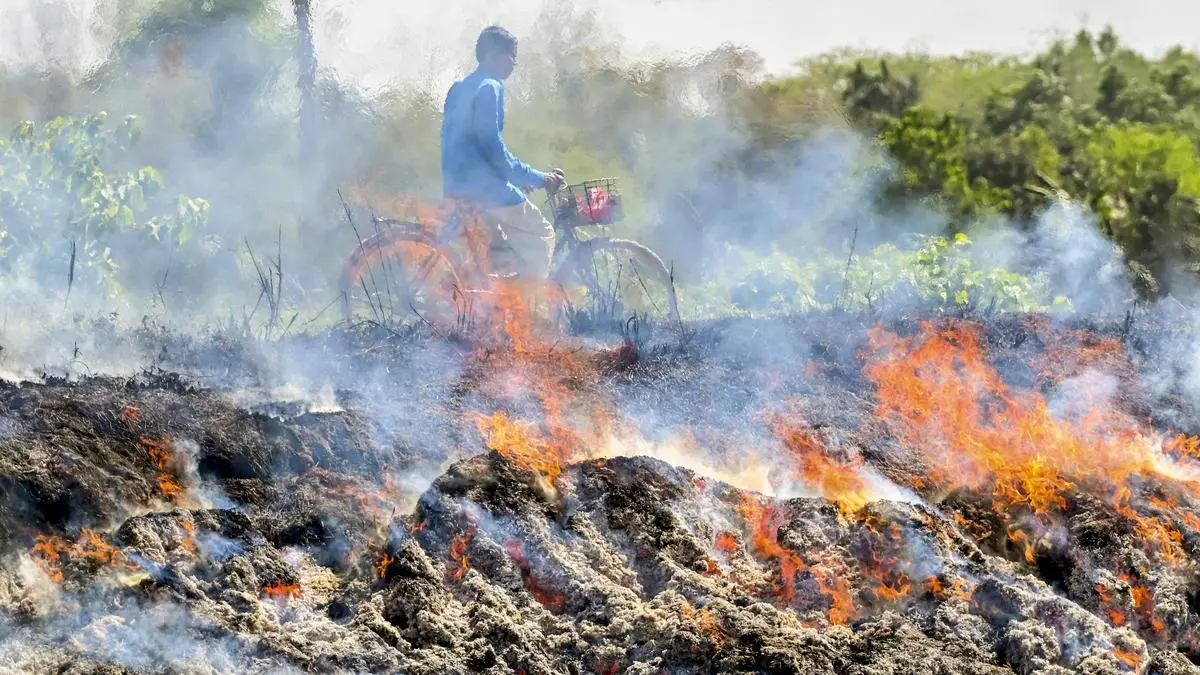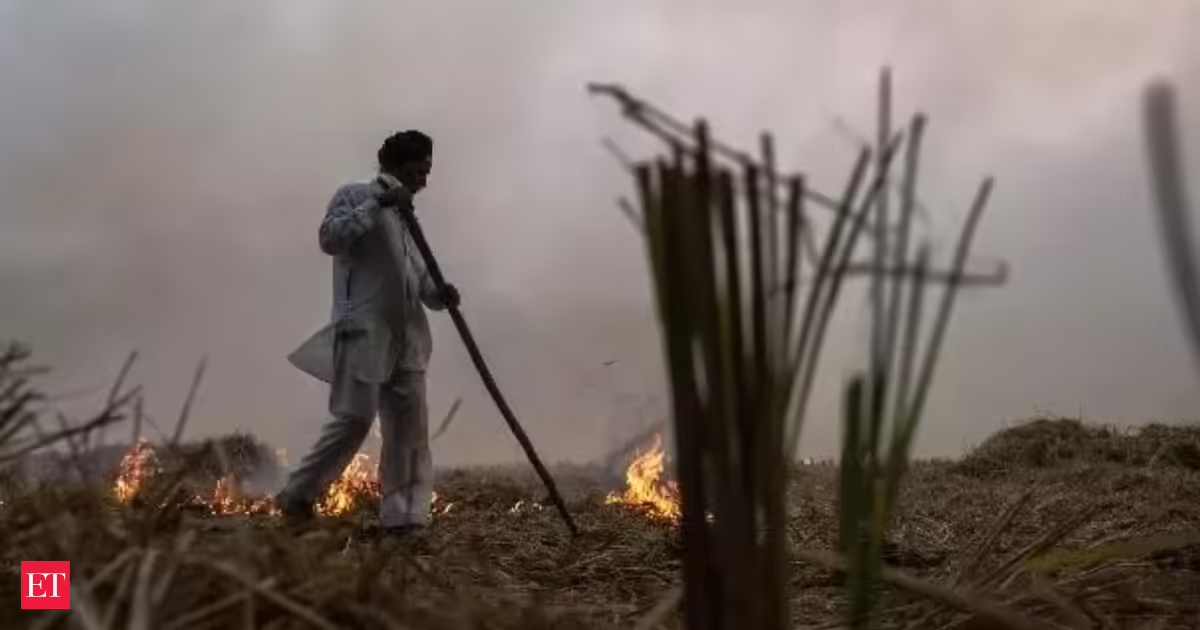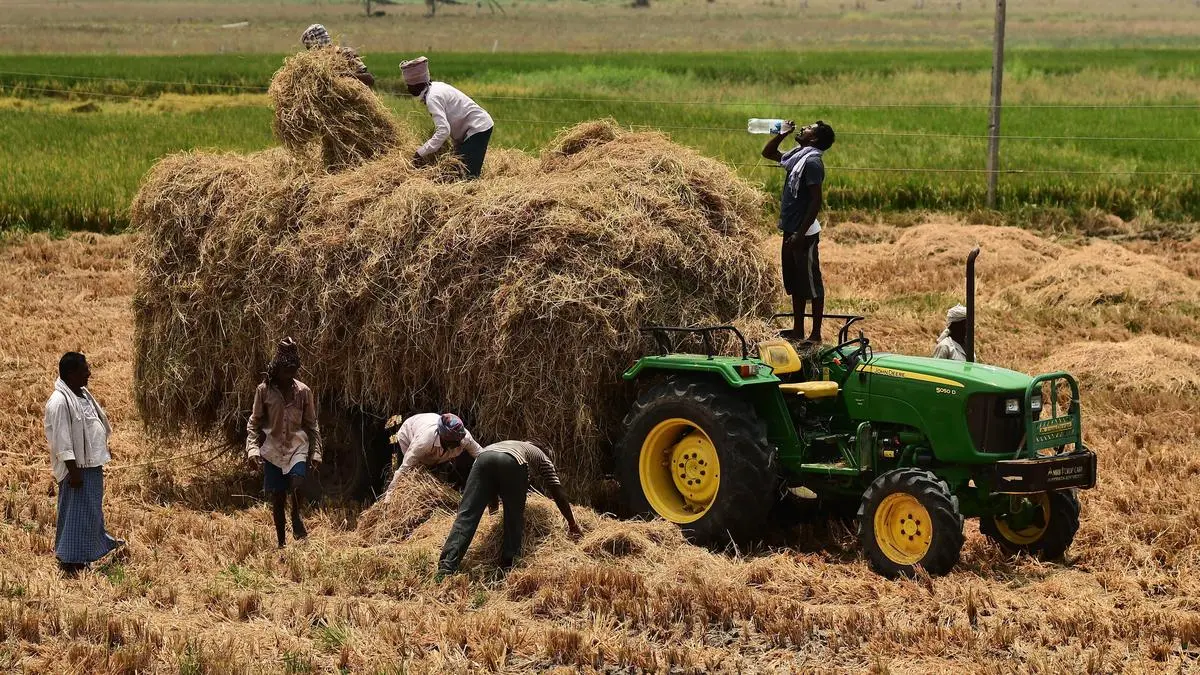
Every winter, Delhi-NCR faces a severe air quality crisis from vehicular emissions, industrial activity, dust, and biomass burning. Seasonal paddy stubble burning in northern India remains a major contributor, especially during October–November when weather conditions trap pollutants near the ground.Policy measures like the Crop Residue Management (CRM) scheme have reduced burning incidents, but the problem’s scale demands a structural, economically viable solution. Compressed Biogas (CBG) production from paddy straw addresses both environmental and agricultural challenges effectively.The true cost of paddy straw burningThe losses from stubble burning are substantial and quantifiable.Burning one tonne of paddy straw releases:
3 kg particulate matter
60 kg carbon monoxide (CO)
1,460 kg carbon dioxide (CO₂)
199 kg ash