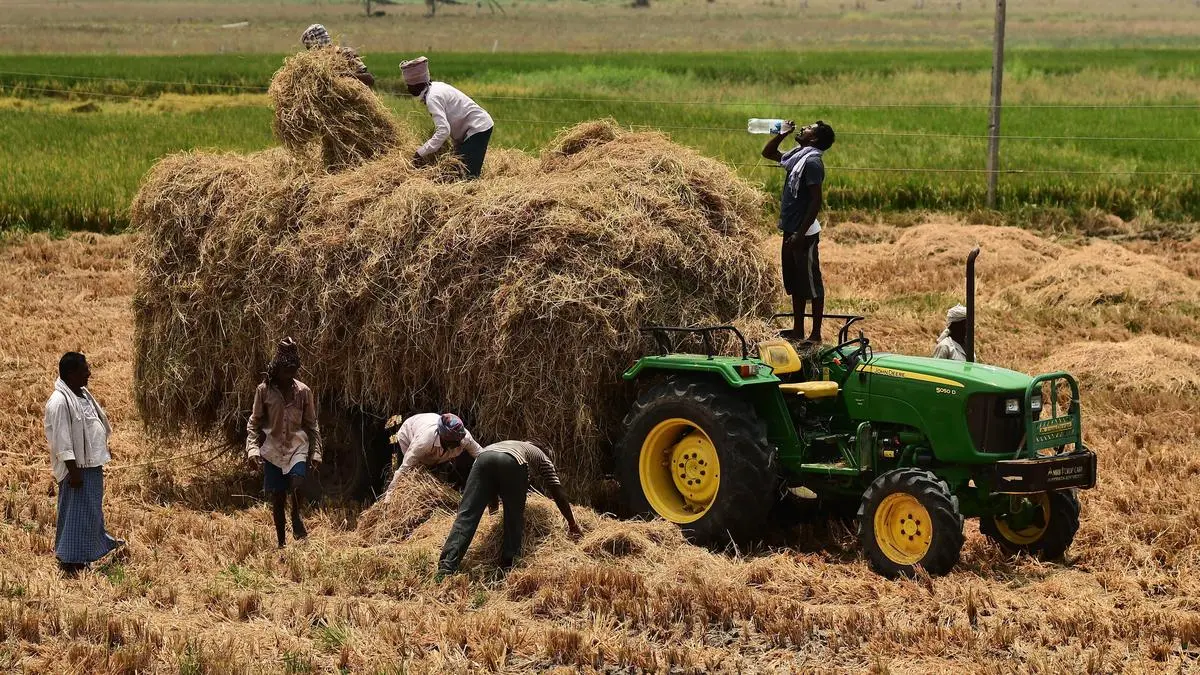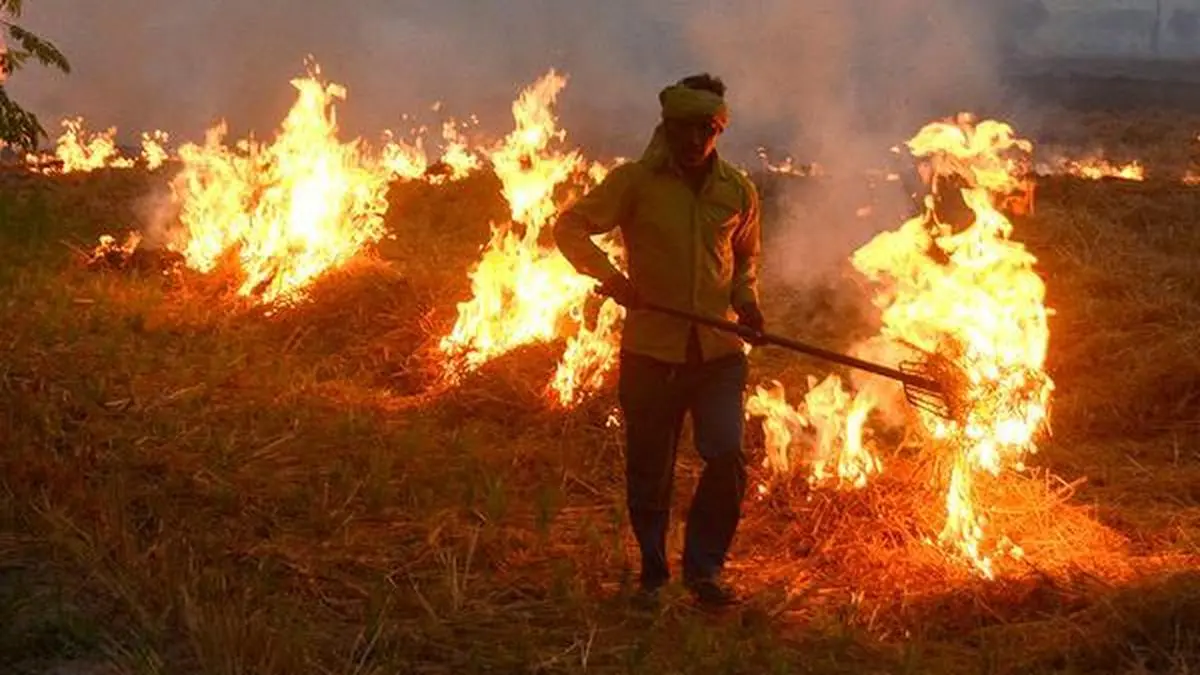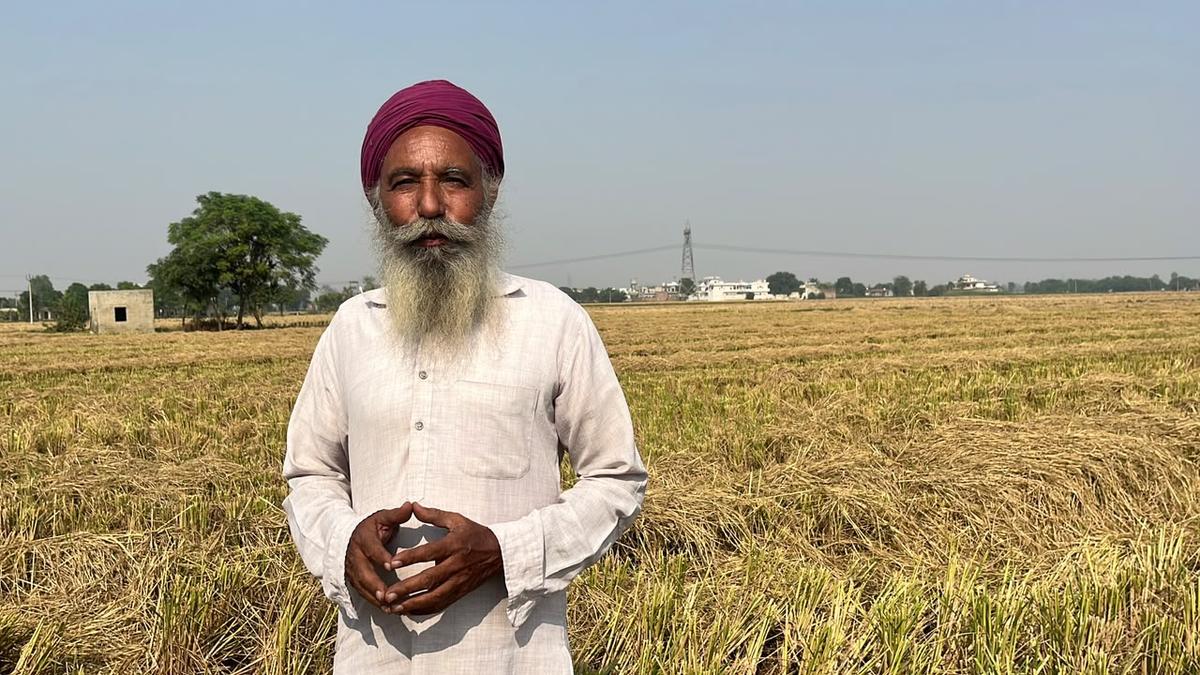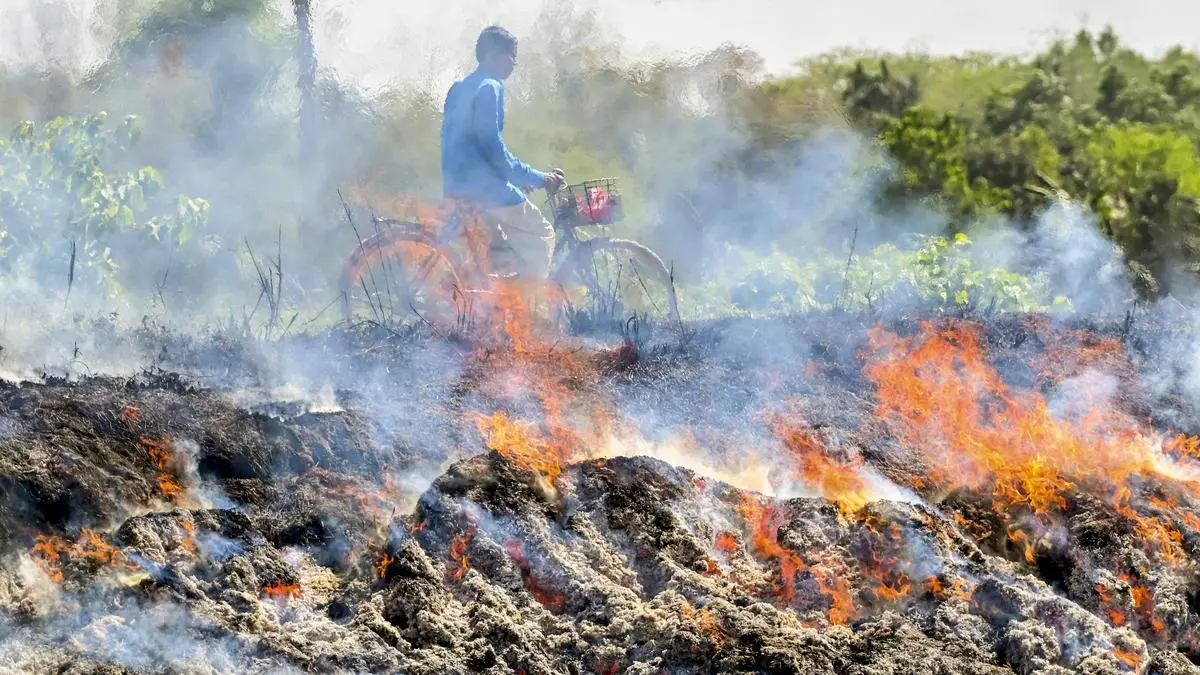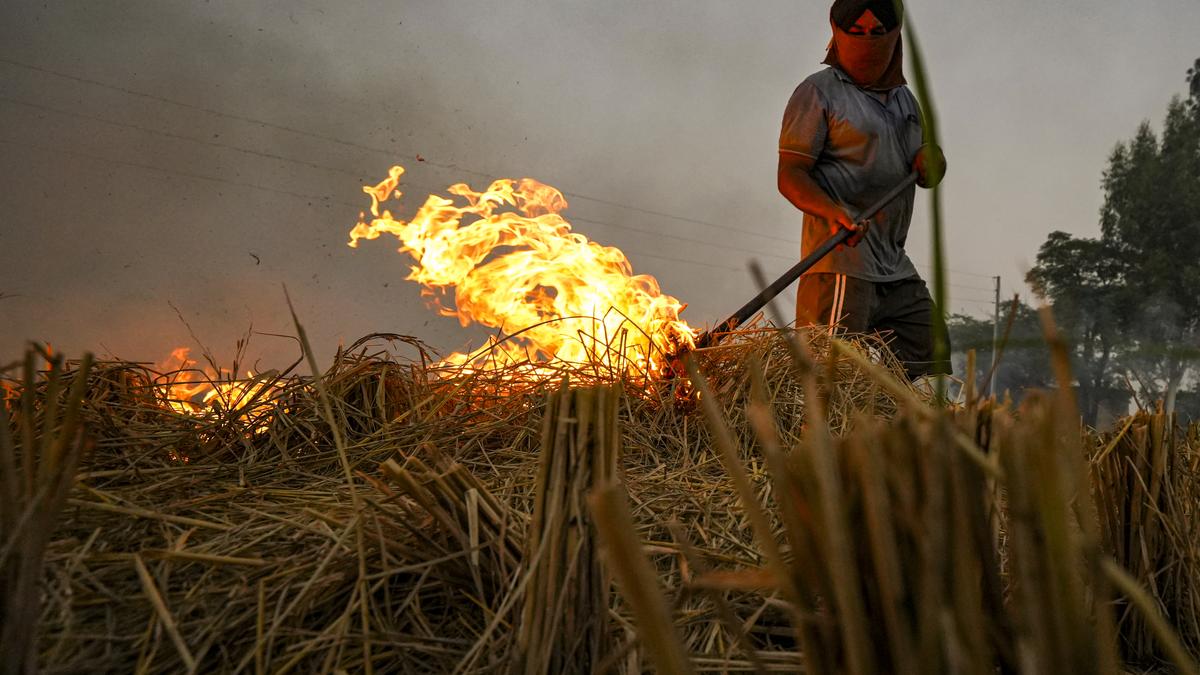
Nature Conservancy India Solutions (NCIS), a subsidiary of global non-profit environmental organisation The Nature Conservancy (TNC), has launched a project to incentivise service providers who convince farmers not to burn paddy stubble or any crop residue and take up sustainable farming. “Essentially, the model (scheme) is ‘Pay for Results’, where service providers, who are primary stakeholders, will be incentivised for ensuring farmers don’t burn any crop,” said Manoj Singh, Deputy Director for Climate, NCIS. According to Bhaskar Rattan, Field Operations Manager at NCIS, the project is in its first year of implementation and will step into the second year. As part of the project, 6,000 hectares have been brought under direct seeding of rice (DSR), which does not require transplanting and saves water, and nearly 247,000 acres under in-situ (on-site) crop residue management, he said.
Manoj Singh, Deputy Director for Climate, NCIS
Heena Sharma, Senior MEL Specialist at NCIS, said over the past four years, since the organisation began implementation of “no burn crop residue management” and has so far covered 6.5 lakh farmers across 6,200 villages in Punjab’s 18 districts. About 300,000 farmers have transitioned to no-burn agriculture, both in situ and ex-situ (off-site), and nearly 7 lakh hectares have been covered, which is estimated to have avoided the emission of 2.2 million tonnes of carbon dioxide, she said.Saved 400 billion litres water“We have moved beyond crop residue management in the past couple of years and started promoting improved rice management practices, which include alternate wetting and drying that is part of irrigation management and DSR,” she said.Last year, NCIS covered around 78,000 hectares under these improved rice management practices, mostly alternate wetting and drying. This has helped save 400 billion litres of water, taking into account that on an average four irrigation cycles are saved from the adoption of the improved rice management practice, she said. Singh said TNC is the world’s largest global conservation organisation with a presence in over 80 countries. It began its operations in India in 2016.