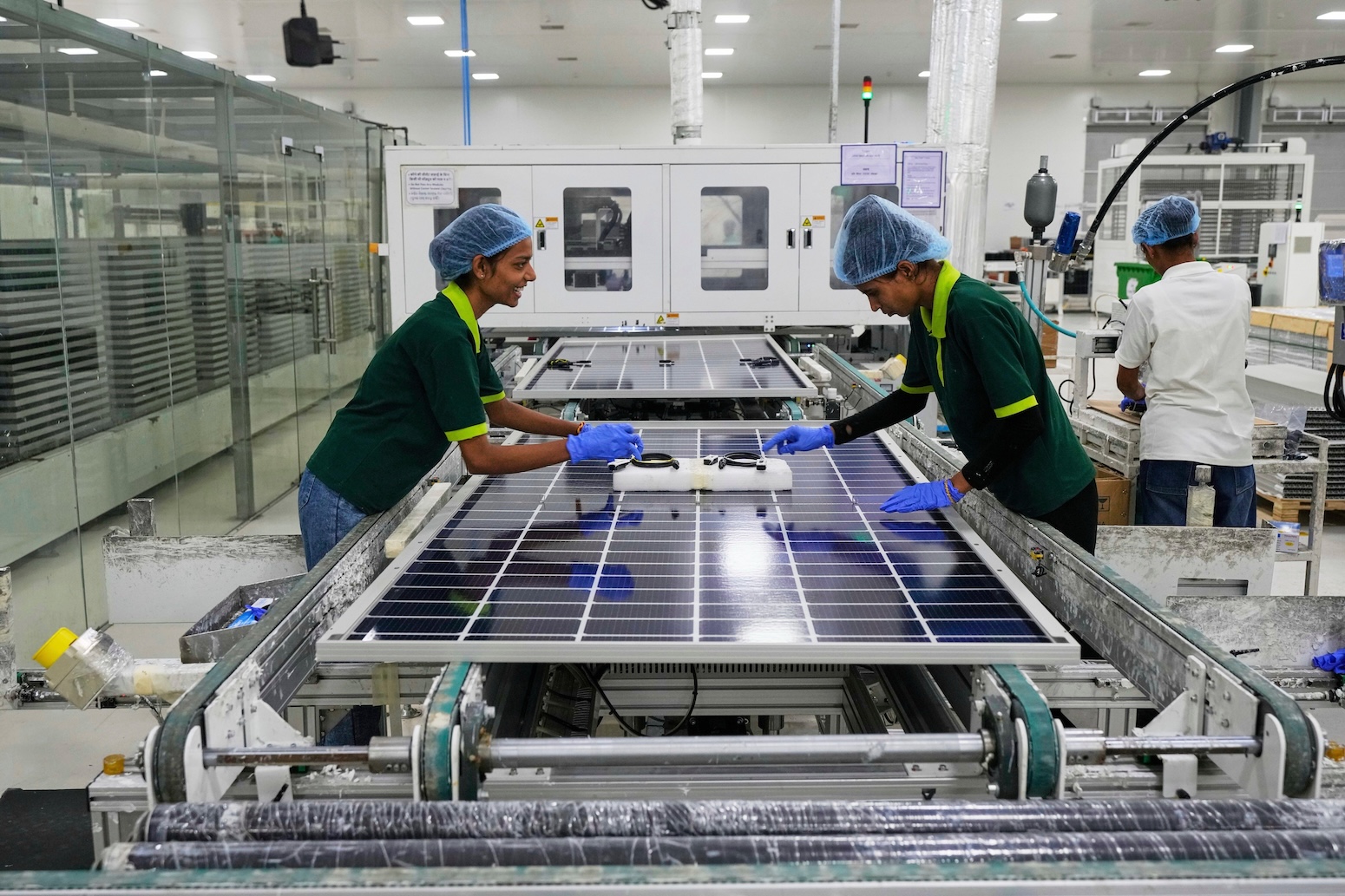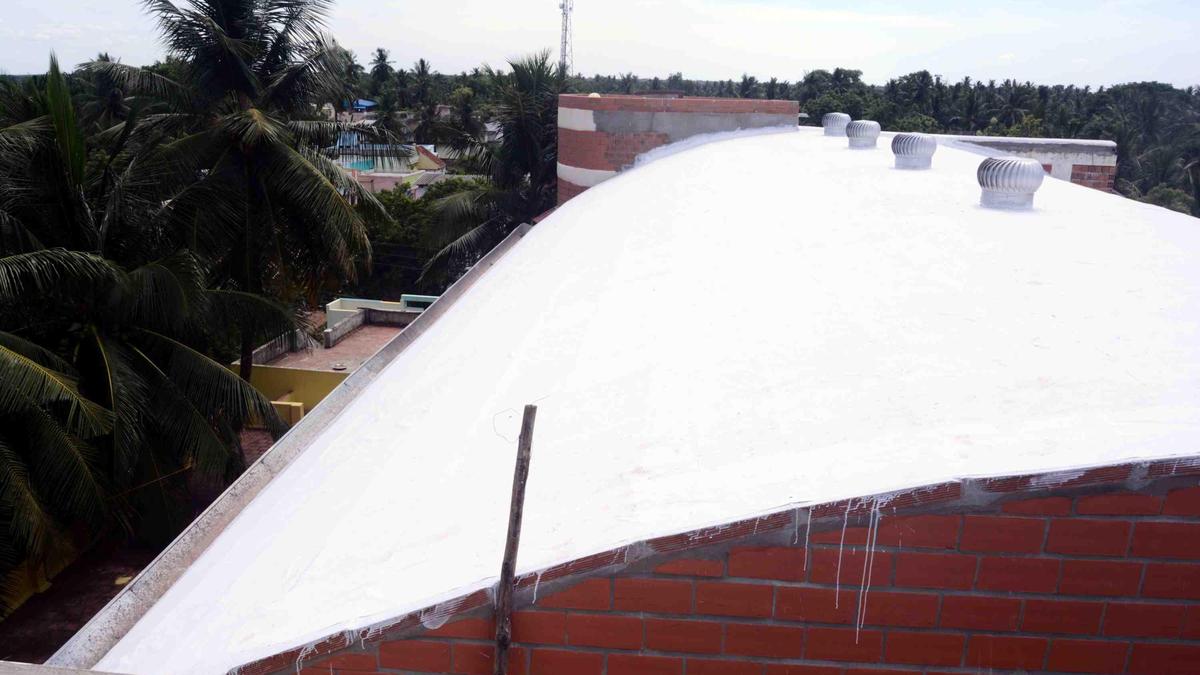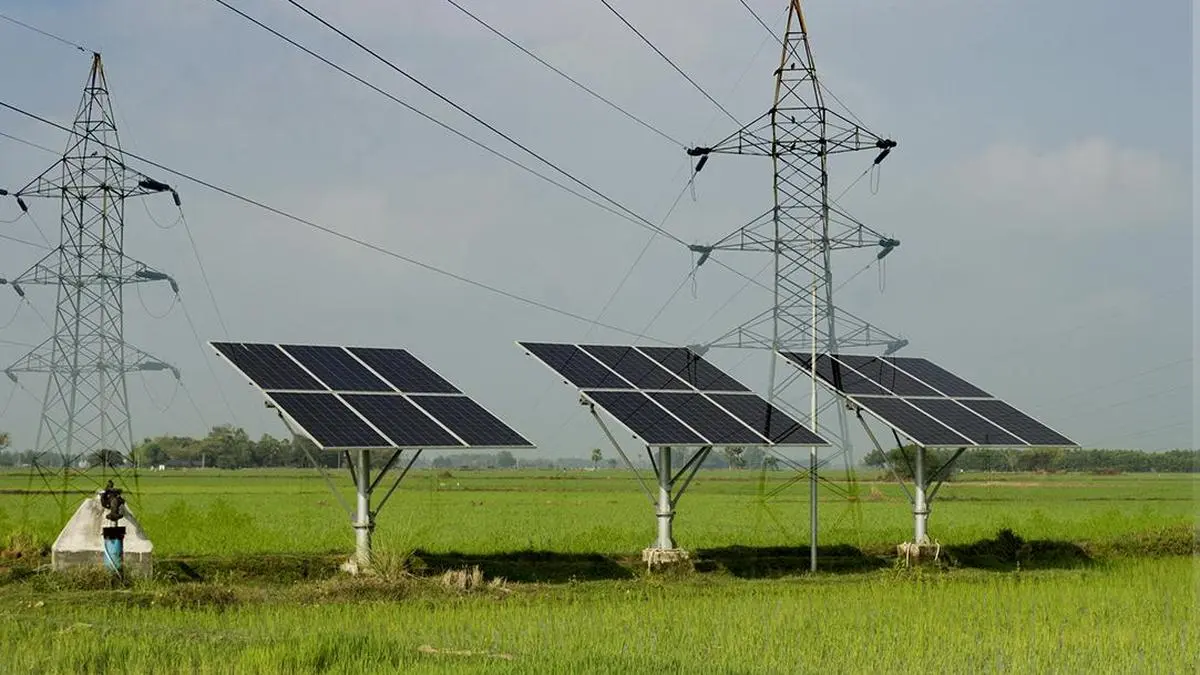
Agriculture contributes approximately 18 per cent to India’s GDP and employs around 45 per cent of its workforce. It is also a sector most exposed to climate change, already bearing the consequences of rising temperatures, erratic rainfall, and shifting seasons that directly affect livelihoods and food security. While India’s journey towards achieving Net Zero by 2070 has rightly focused on clean energy, industrial decarbonisation, and sustainable urban infrastructure, the infrastructure supporting agriculture deserves greater attention too.The rooftop opportunityIndia’s agricultural landscape spans nearly 60 per cent of the country’s total land area, and millions of rural rooftops sit exactly where decentralised energy generation is needed most. A 2024 study estimated India’s technical potential for Agri-photovoltaics at between 3,156 GW and 13,803 GW, far exceeding India’s installed electricity generation capacity of over 500 GW. PM-KUSUM and PM Surya Ghar are already demonstrating what is possible, with over 10,203 MW of agricultural solar capacity installed under the former and 14.43 lakh rooftop systems added in 2025 alone under the latter.The opportunity is significant, and the policy ecosystem is steadily taking shape. Whether this potential is realised at scale will depend not only on solar technology and financing, but also on the quality and durability of the roofing systems that support it.Why roofing quality determines the solar outcomeMuch of the conversation around agricultural solar has focused on panel efficiency, financing, and policy incentives. Far less attention has been paid to the surface beneath the panels. Yet the long-term performance of a rooftop solar installation depends substantially on the roofing system it sits on. Conventional metal sheet roofing, which dominates farm structures across rural India, can exceed surface temperatures of 50 degrees Celsius during peak summer conditions. Solar panels mounted on such surfaces operate less efficiently, experience greater thermal stress, and may see faster long-term performance degradation.Thermally efficient, high solar reflectance roofing systems can address this challenge by reflecting much of the incoming solar radiation instead of absorbing it, reducing rooftop temperatures and creating better operating conditions for solar installations. Fibre cement roofing incorporating high Solar Reflectance Index coatings represents one such approach. Such roofing systems can significantly reduce heat gain, improve thermal comfort, and create more favourable operating conditions for rooftop solar installations. In agricultural storage facilities, lower indoor temperatures can also help reduce post-harvest losses where passive cooling remains the only viable option.Durability is equally important. Solar installations are designed to perform over a 25-year lifecycle, requiring roofing systems capable of carrying structural loads while maintaining weatherproofing throughout that period. In rural India, where farm structures are often built with a strong focus on upfront costs, premature roof replacement can significantly increase lifecycle costs and undermine the economic benefits of the solar investment.Building climate resilience into rural infrastructureThe climatic conditions that make rooftop solar valuable are also making roofing performance more demanding. Extreme heat events, unseasonal rainfall, high winds, and hailstorms are placing rural structures under increasing stress. Durable, climate-resilient roofing that reflects solar radiation and performs reliably over decades is a critical foundation for renewable energy generation, agricultural resilience, and long-term rural productivity.What the net zero pathway requiresIndia’s Net Zero ambition will require contributions from every sector and every geography. Agriculture, which faces some of the country’s greatest climate risks while holding immense renewable energy potential, sits at the intersection of both the challenge and the opportunity. Unlocking that potential requires treating rural built infrastructure as a strategic national asset rather than a background consideration.The roof over India’s farms is no longer just a shelter. Properly designed and durably built, it becomes an energy platform, a climate adaptation tool, and an enabler of more resilient agriculture.The author is MD & CEO, BirlaNuPublished on July 25, 2026
The roof over India’s farms could power its net zero future
Discover how durable roofing can transform India's farms into resilient energy platforms, supporting a sustainable net zero future.
614 words~3 min read