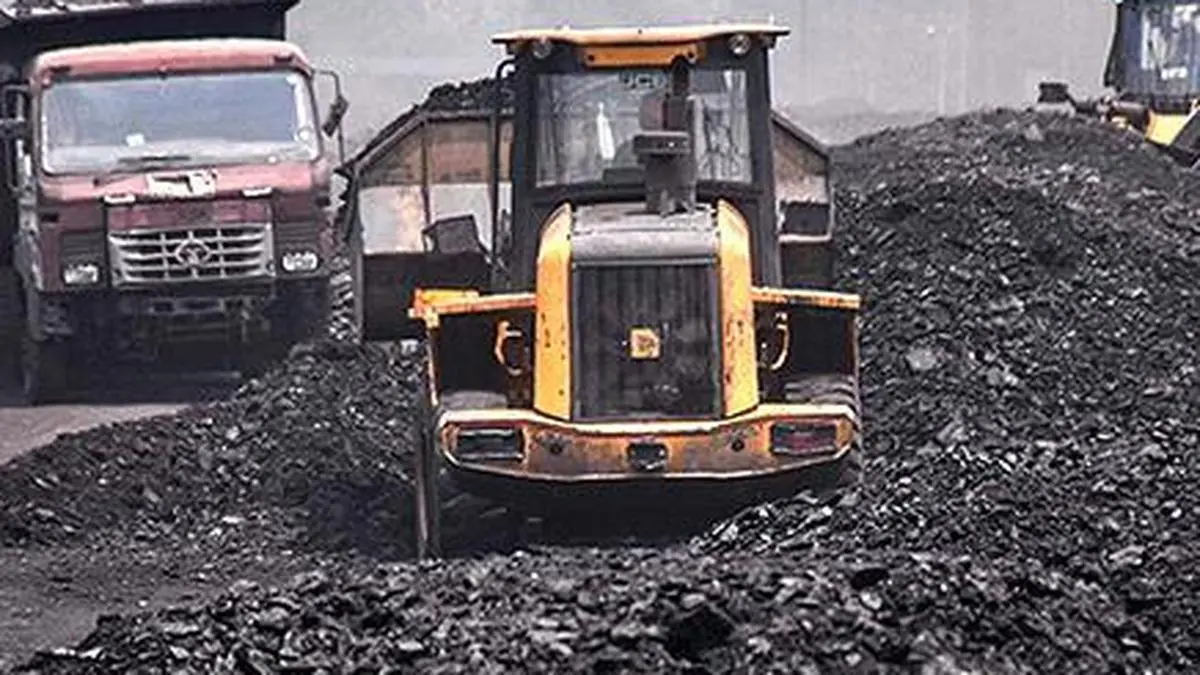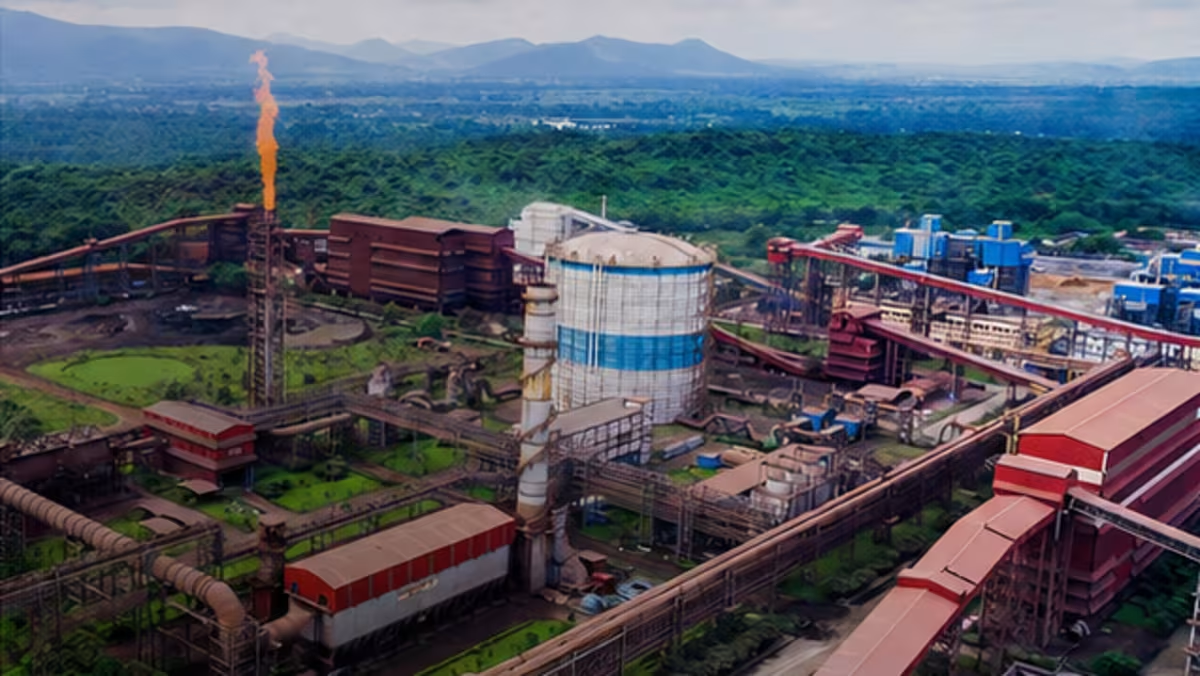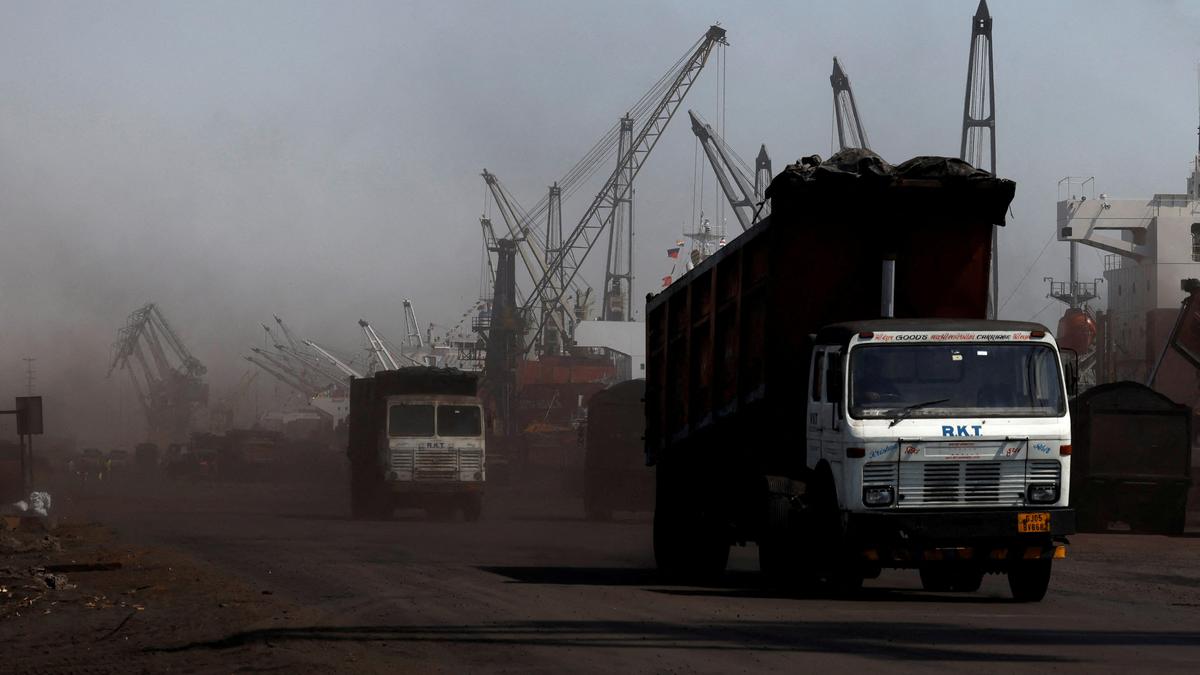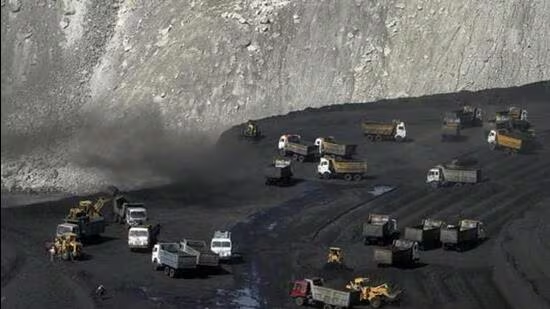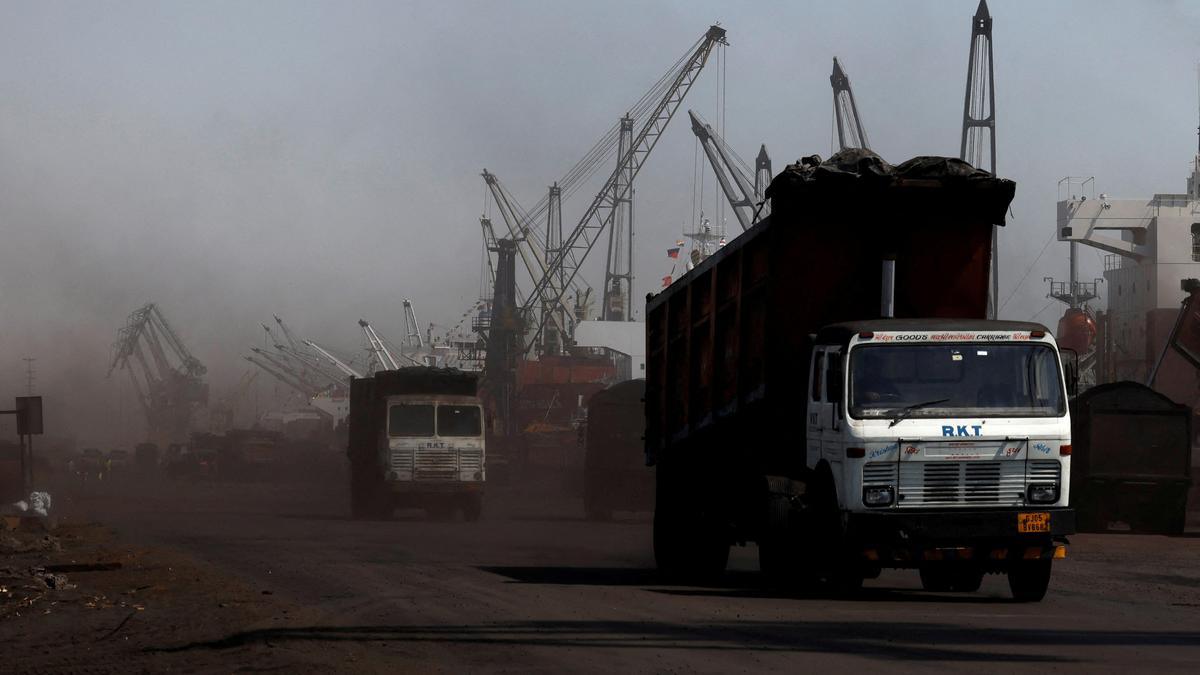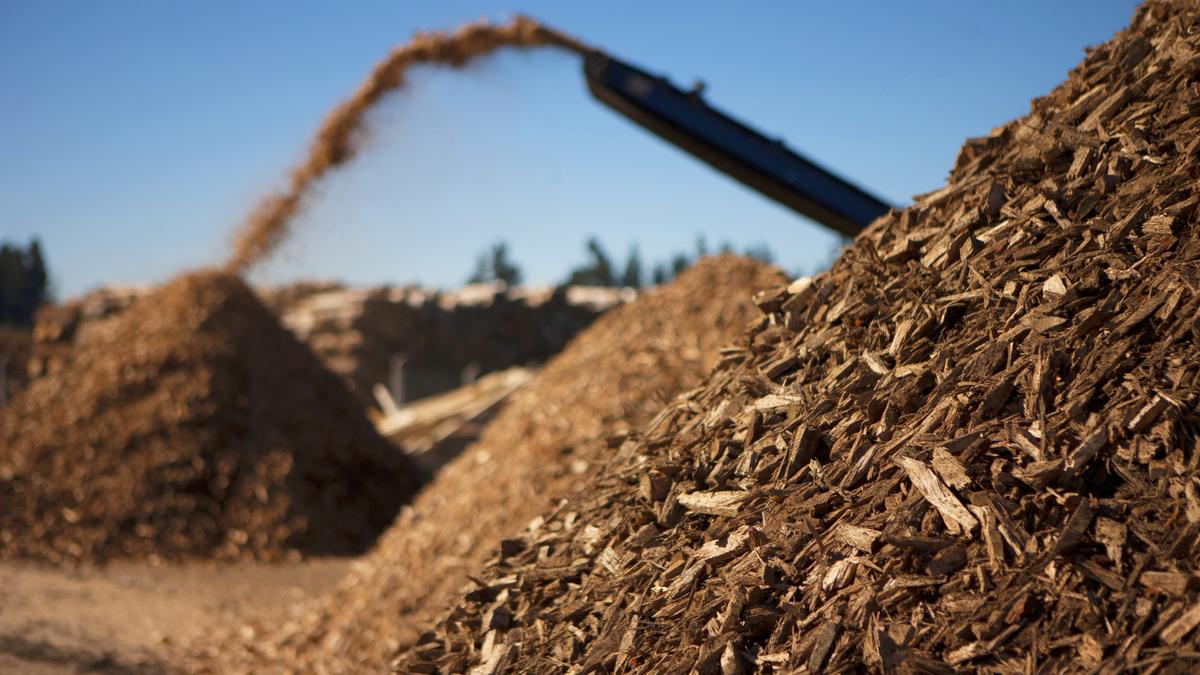
India’s National Coal Gasification Mission targets conversion of 100 million tonnes of coal into methanol, ammonia, and fertilizers by 2030. The ₹37,500-crore incentive scheme is the largest public commitment to gasification to date and reflects a clear policy intent to improve energy security and reduce dependence on imports. That objective is well placed, especially at a time of volatile oil and gas markets and tighter global supply conditions.However, the current strategy leans heavily on lignite as a feedstock for gasification. That choice brings technical, economic, and environmental constraints that are difficult to overcome at scale. At the same time, India already has access to a more viable feedstock in agricultural biomass that aligns better with the same policy objectives and can be deployed with lower risk.Structural constraintsIndia’s lignite resource base is large, at roughly 47 billion tonnes, concentrated mainly in Tamil Nadu, Rajasthan, and Gujarat. These deposits are being positioned as a foundation for gasification technology not yet proven at scale, since Indian lignite is among the most difficult feedstocks for this application. Its high ash fusion temperature is the core problem: entrained-flow gasifiers must run well above this temperature to keep ash flowing as liquid slag, and Indian lignite’s unusually high fusion point forces reactors to operate far hotter than is economically efficient — unlike the lower-fusion-temperature coals that made China’s gasification build-out viable.High moisture content is the first constraint. Lignite from Neyveli typically contains 45-60% moisture on an as-received basis, which must be removed before gasification and lowers overall efficiency. The calorific value of this lignite is in the range of 2,600 to 3,000 kcal per kg, far below imported coal, which reduces energy density and increases throughput requirements.Feedstock variability is the second constraint. Lignite quality varies materially even within the same field, which leads to inconsistency in syngas composition. Methanol and ammonia synthesis require stable gas quality, and variability increases gas clean-up requirements, operating costs, and reliability challenges.Sulphur content adds a third constraint. Lignite from Rajasthan and Gujarat can contain up to 9% sulphur on a dry basis, requiring extensive removal and increasing capital and operating costs. Residual sulphur affects downstream catalysts and overall plant performance.These challenges extend beyond lignite. India’s bituminous coal carries ash content in the range of 25-45%, compared with 10-20% for imported coal. High ash affects reactor performance, flue handling, and operational stability, and adds to both capital and operating costs. No major entrained-flow gasifier vendor supplies commercial systems rated for ash levels above 25%, while Indian domestic coal typically carries 30-45% ash, which limits the applicability of these systems without significant modification. NITI Aayog has acknowledged these constraints, citing ash content, calorific variability, and mineral complexity as persistent technical barriers for gasification in India.Technology readiness is the next issue. The current plan relies on importing gasification technologies that have not been proven at commercial scale on Indian lignite. This creates execution risk and continued dependence on foreign technology providers for core process design, equipment, and operating know-how, with limited scope for technology transfer. The result is a high-capex pathway with uncertain outcomes.Even indigenous efforts remain at early stages of commercial maturity, with pilot-scale demonstrations still far from full-scale deployment. The implementation record is not reassuring. Talcher Fertilizers’ coal-to-urea project has already slipped by years, and Bharat Coal Gasification and Chemicals Ltd.’s ammonium nitrate project represents the first commercial deployment of BHEL’s indigenous pressurised fluidised bed gasification technology, which means India is moving to commercial scale before these pathways have been proven on Indian feedstocks.The environmental dimension is equally important. Coal gasification is often described as cleaner use of coal, but that depends on carbon capture, utilisation, and storage being implemented at scale. Without CCUS, the carbon intensity of the end products remains high. India does not yet have the infrastructure for CCUS at this scale. There are no established storage networks, limited regulatory clarity, and no commercial experience with large-scale injection. The current incentive scheme does not mandate CCUS as a condition for project development.Taken together, these factors create a pathway that is technically complex, capital-intensive, and exposed to execution risk. The economics become challenging even before financing costs and market dynamics for methanol and ammonia. Announced projects already point to a scale mismatch, with roughly ₹88,000 crore of capital tied to a limited number of projects supported by a ₹37,500-crore incentive scheme, implying continued dependence on subsidies to remain viable. The commonly cited China example is based on different feedstocks and operating conditions. China’s gasification build-out was based on lower-ash, lower-moisture, lower-sulphur coal, and Chinese operators blend or avoid high-ash.More practical pathIndia also has access to a feedstock that aligns more directly with gasification requirements. Agricultural biomass is widely available. India generates close to 990 million tonnes of agricultural residues annually, with roughly 230 million tonnes available as surplus. A significant share of this surplus, estimated at roughly 90 to 100 million tonnes annually, is still burned in the open, representing both a lost energy resource and a major environmental liability. In peak winter months, this burning contributes materially to air pollution across North India.From a process standpoint, biomass is a more suitable feedstock. It has lower ash, negligible sulphur, and moisture levels that can be managed through basic pre-treatment, which supports stable operation in fluidised bed gasifiers. These systems are already deployed globally, and Indian engineering firms are beginning to apply them in select applications, including early projects converting biomass to methanol and industrial syngas.Syngas from biomass can be converted into methanol and ammonia using the same downstream processes planned for coal-based projects, but with significantly lower lifecycle emissions — roughly 0.67 tonnes of CO₂ per tonne of methanol compared to nearly 3 tonnes for coal-based routes.Biomass gasification also supports a different deployment model. Facilities can be built at smaller scales and located closer to feedstock sources. This reduces transport costs and enables a hub-and-spoke deployment model with a distributed network of plants. This creates opportunities for rural income through residue aggregation and logistics. It also provides a pathway to address stubble burning by creating a market for agricultural waste.A more grounded strategy would focus on sequencing and risk management. Biomass gasification can be deployed at commercial scale today using established technologies. This allows India to build capability in syngas production, clean-up, and downstream synthesis using domestic resources. Parallel efforts on lignite gasification can continue at pilot scale, with clear performance targets and independent validation. Progress in carbon capture infrastructure can then inform any future scale-up decisions for coal-based systems.Delivering resultsIt is encouraging to see policy shift toward energy and new energy technologies at a time when energy security becomes more critical with rising global demand, including from AI-driven data centres. Biomass gasification aligns better with feedstock availability, process requirements, and technology readiness and is more likely to deliver scalable outcomes, while coal gasification on Indian lignite still faces unresolved technical constraints.The issue is not whether to invest in gasification, but where that investment is more likely to deliver results, and on that basis, biomass is better suited to India. Coal or biomass, this will require sustained investment over at least two decades and should be framed as a national technology mission, drawing on institutions such as the CSIR, IITs, IISERs, ICAR, the public sector, and private industry, similar to earlier efforts in space and agriculture that built long-term domestic capability.Prashant Kumar is an energy industry consultant in Edmonton, Canada with experience at bio-based energy technology companies including Enerkem, HTC Purenergy, and GIDARA. He holds a Ph.D. in chemistry, with doctoral research at the Indian Institute of Petroleum, Dehradun. Uday Turaga is the CEO of ADI Analytics, a management consulting firm specialising in energy and chemicals in Houston. He holds a Ph.D. in fuel science from Penn State University
India should back biomass over coal for gasification
India should prioritize biomass over coal for gasification to enhance energy security and reduce environmental impact effectively.
1,289 words~6 min read