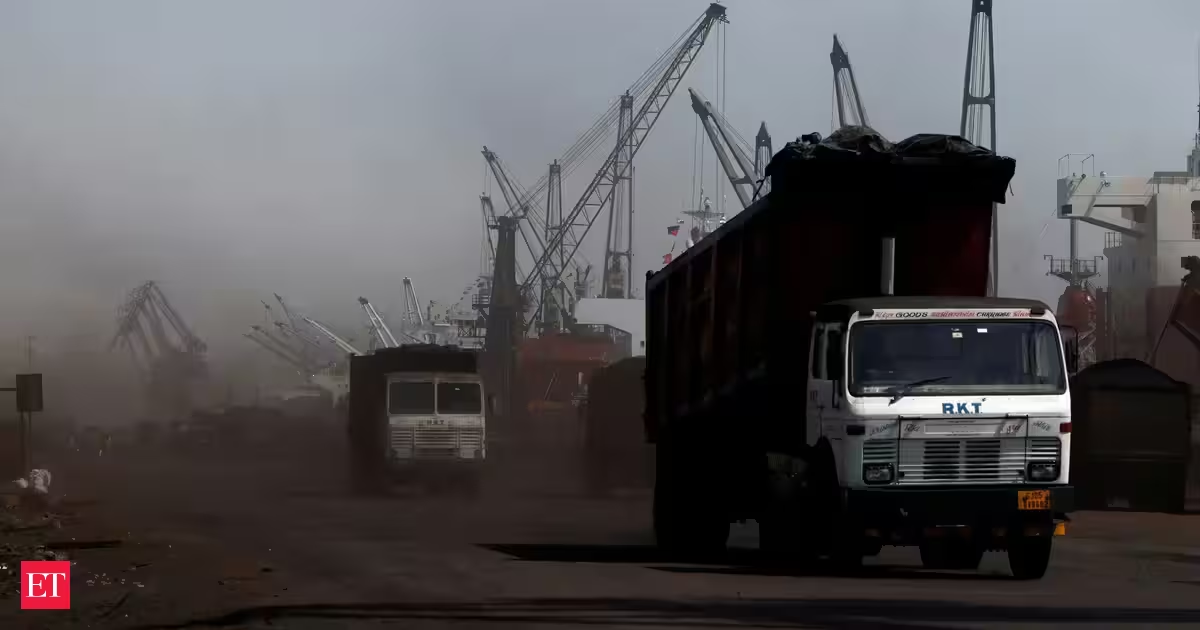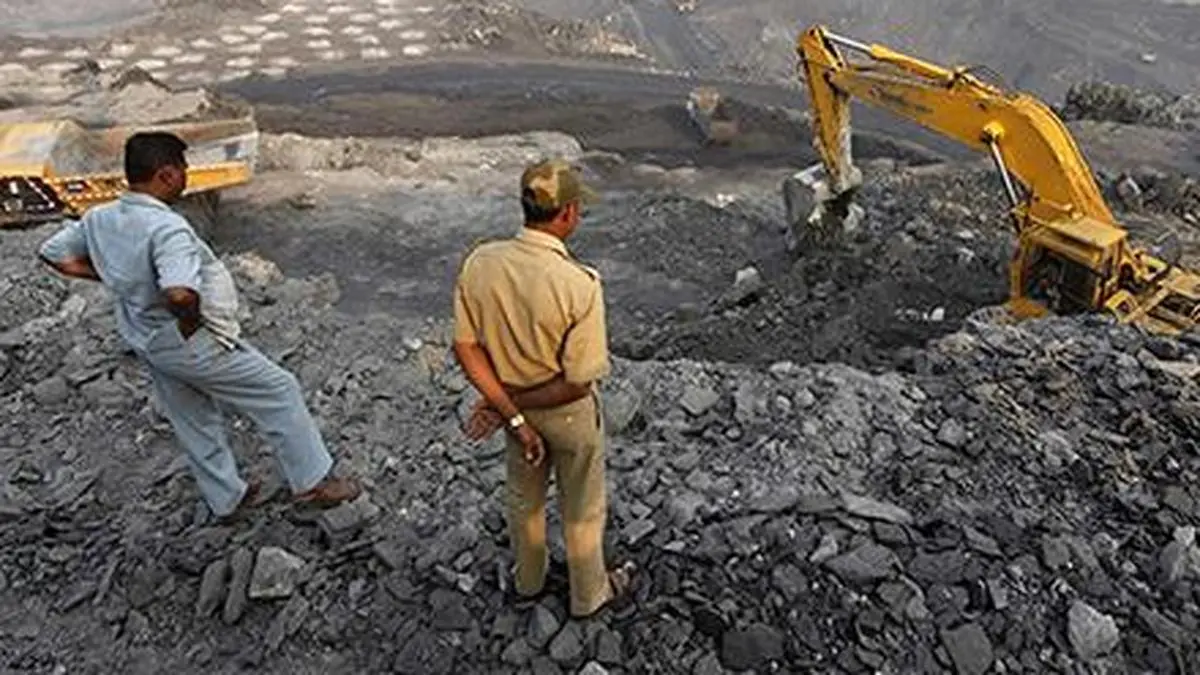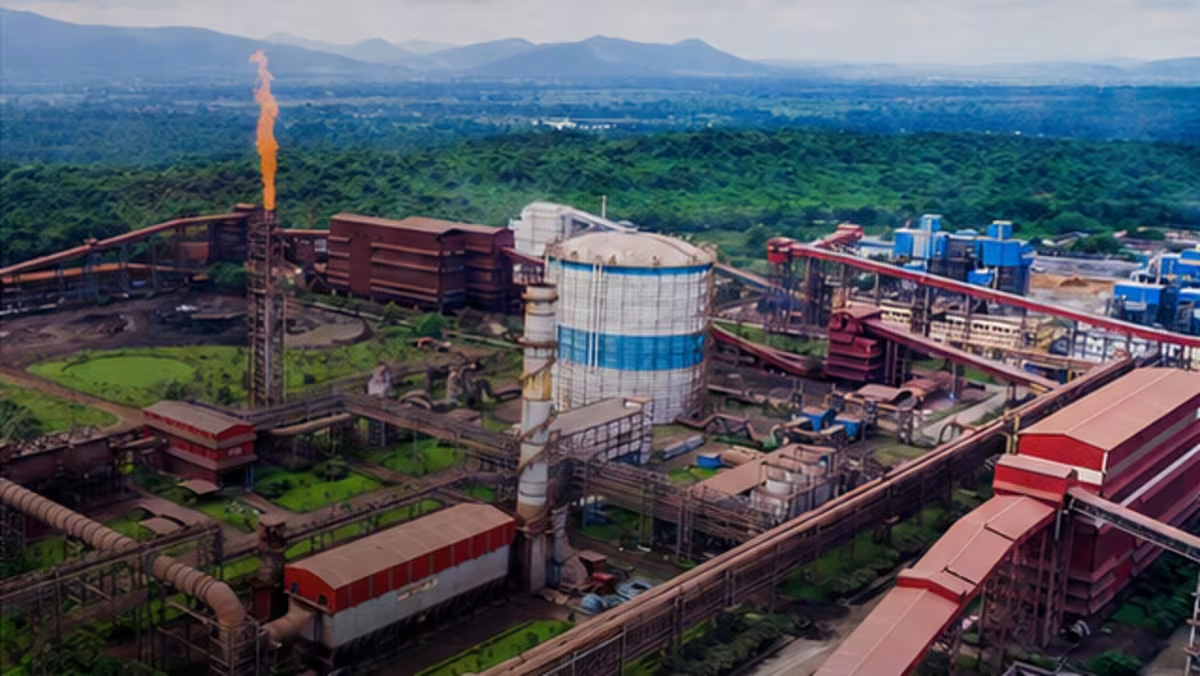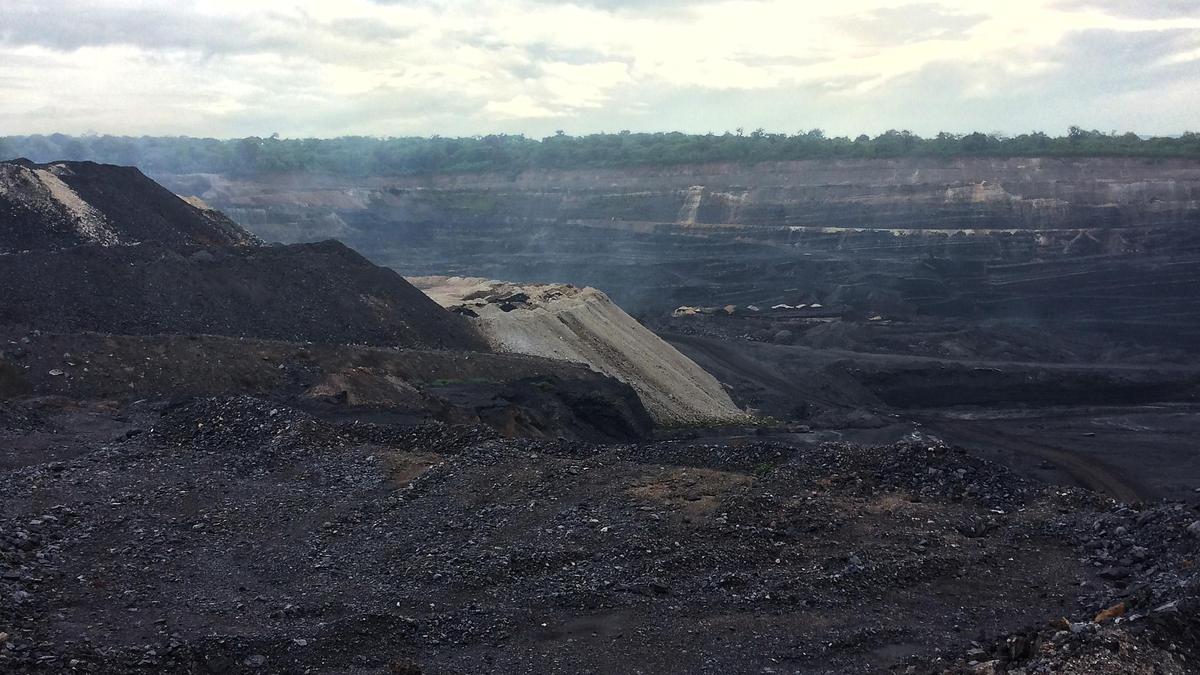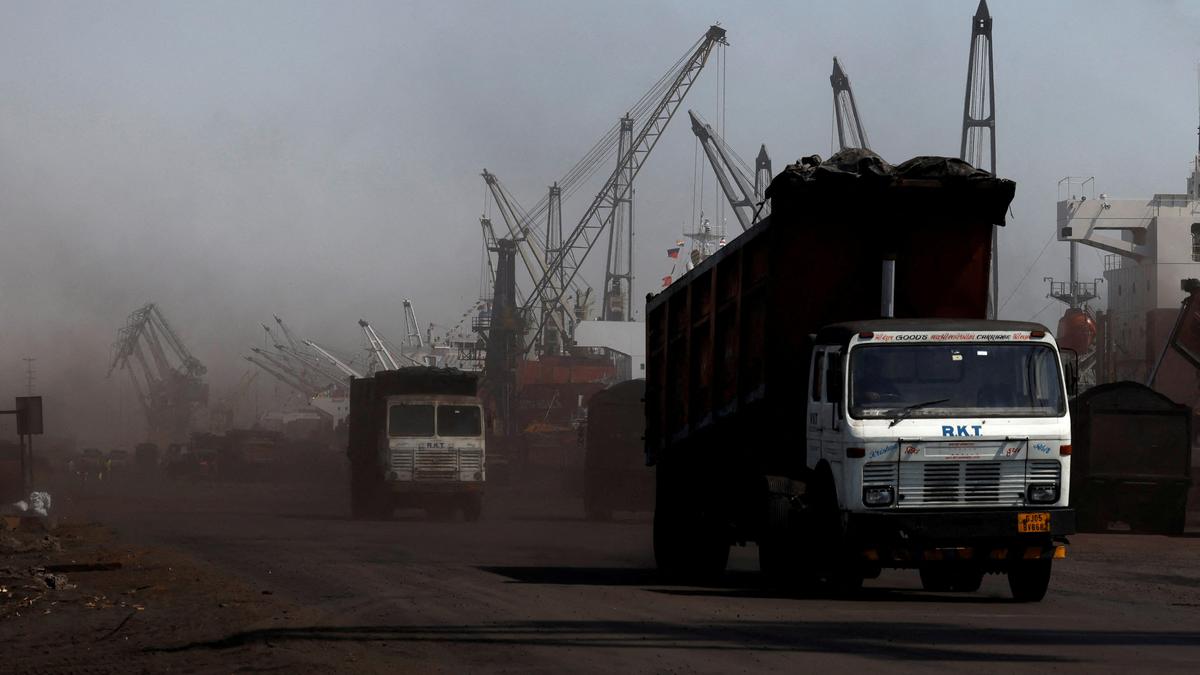
Coal gasification uses controlled oxygen and steam at high temperature and pressure to convert coal into synthesis gas
| Photo Credit:
In May 2026, as the West Asia crisis was unfolding, the Union Cabinet of India approved a ₹375-billion incentive scheme for surface coal and lignite gasification projects. This move makes coal gasification a key policy instrument in India’s effort to convert its large domestic coal base into strategic industrial feedstocks, reducing the dependence on imports.Unlike conventional coal combustion, where coal is burned primarily to release energy, gasification uses controlled oxygen and steam at high temperature and pressure to convert coal into synthesis gas, or syngas. This syngas can then be used to produce ammonia, urea, methanol, synthetic natural gas, hydrogen, liquid fuels and even power through integrated gasification combined cycle plants.India has coal resources of around 400 billion tonnes and 47 billion tonnes of lignite reserves, placing it among the five largest coal-resource holders globally. At the same time, India remains heavily dependent on imports for several key molecules. As of fiscal 2025, ammonia was fully imported, methanol imports account for nearly 90 per cent of domestic needs, natural gas imports are around half of consumption, and urea imports account for about one-fifth of demand.Since syngas can be converted into ammonia, urea, methanol and synthetic natural gas, coal gasification provides a domestic route to substitute part of these imports and reduce exposure to global price and supply volatility.Scheme ramp-upThe new scheme marks a fourfold increase over the ₹85 billion coal gasification scheme launched in January 2024 that had targeted around 25 projects. It aims to support gasification of about 75 million tonnes of coal by 2030 and offers incentives of up to 20 per cent of plant and machinery costs, paid in milestone-linked instalments. It is also supported by coal linkage reforms extending raw-material security for select projects for up to 30 years. The programme is also expected to attract investments of around ₹2.5-3.0 trillion and generate nearly 50,000 direct and indirect jobs, underscoring the government’s intent to create an integrated domestic coal-to-chemicals ecosystem alongside reducing import dependence.For India, the relevance extends beyond energy security. Gasification offers a pathway to utilise domestic coal as an industrial raw material for fertilizers, chemicals and synthetic fuels, particularly as the share of coal consumed in power generation gradually declines with increasing renewable-energy penetration.Discouragingly, this supply chain security comes at a cost. Both natural gas and coal-derived syngas are used to produce hydrogen, which is required for the manufacture of fertilizers such as urea, ammonia, ammonium nitrate, and fuels such as methanol and Dimethyl Ether (DME).Emission worriesHowever, producing hydrogen from coal generates approximately twice as much carbon dioxide (CO₂) as producing it from natural gas, which remains the dominant production route among India’s suppliers. Replacing imports of LNG, urea, ammonia and methanol through the coal-to-syngas route could substitute roughly $14-15 billion of annual imports. But such a transition could increase CO₂ emissions from around 47-52 million tonnes under the current import-based supply chain to 106-111 million tonnes annually, at odds with India’s plans to curtail emissions.Hence, while the programme has the potential to strengthen energy and feedstock security, its long-term sustainability will depend on the ability to manage the associated carbon footprint. As a result, Carbon Capture, Utilisation and Storage (CCUS) will be indispensable to India’s coal gasification ambitions. With domestic production through the coal-to-syngas route potentially increasing emissions, India would need to capture and utilise an additional 55-60 million tonnes of CO₂ every year to neutralise the environmental impact.The scale of this challenge is significant because India’s CCUS ecosystem remains at an early stage, with only three operational carbon capture projects and six projects currently under construction, highlighting the need for rapid capacity expansion.Coal gasification therefore represents both an opportunity and a test. It offers a pathway to convert India’s vast domestic coal reserves into valuable industrial feedstocks, reduce import dependence and support economic growth. But its success will ultimately be judged not only by the imports it replaces, but also by how effectively it addresses the environmental challenge that accompanies this transformation.The writer is Chief Economist, Head- Research & Outreach, ICRAPublished on July 20, 2026