In the dead of a cold December night in 2023, at a dump near Delhi, hundreds of men huddled around small bonfires, clutching paper cups of tea. They tossed plastic bags into the flames as they waited for a fleet of trucks to arrive.
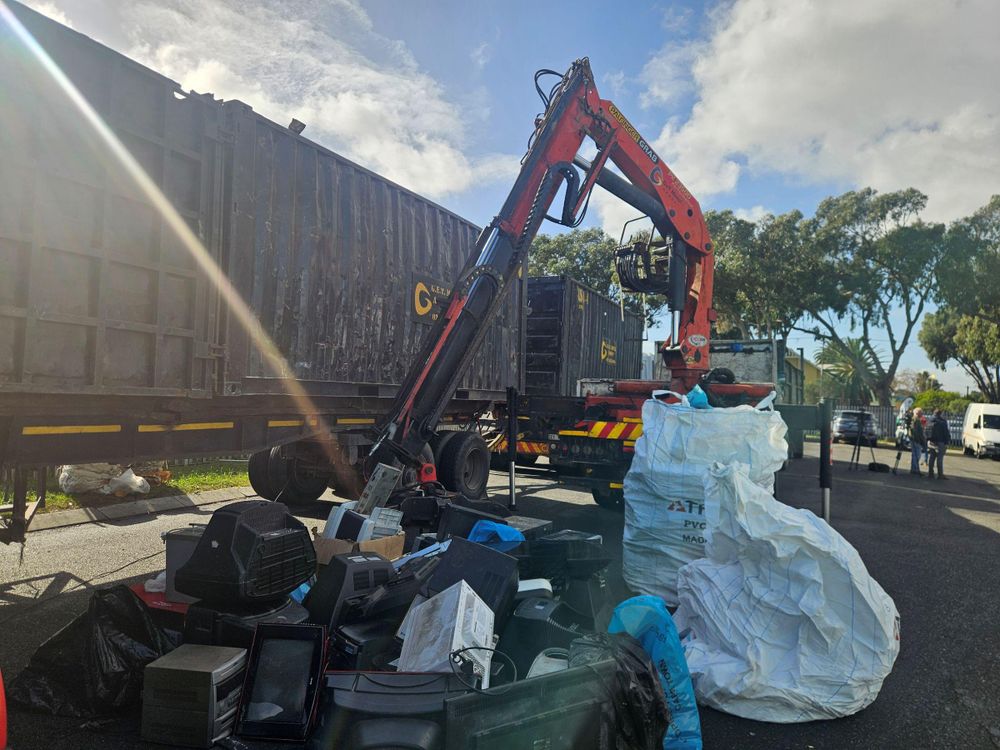
The trucks rolled in one by one, full of electronic marvels now reduced to e-waste: Nokia, Itel, and Samsung smartphones; Sony and LG LCD screens; Tata air conditioners; Canon and Epson printers.
As the trailer gates opened at the back of one truck, Rashid Khan and Mohammad Iqrar, both in their early 30s, rushed inside. “Hand me a flashlight!” Khan shouted, frustrated as he tried to keep his balance atop a mound of appliances. Iqrar’s phone flashlight went on, illuminating the heaps of broken and used electronics.
It took the two men 90 minutes to unload the container. On average, e-waste traders pay workers like Iqrar and Khan about 250 rupees ($3), the two men told me, to offload a single truck.
India’s booming electronics sector has contributed to a quickly growing e-waste recycling industry worth $1.5 billion.