Audio By Vocalize
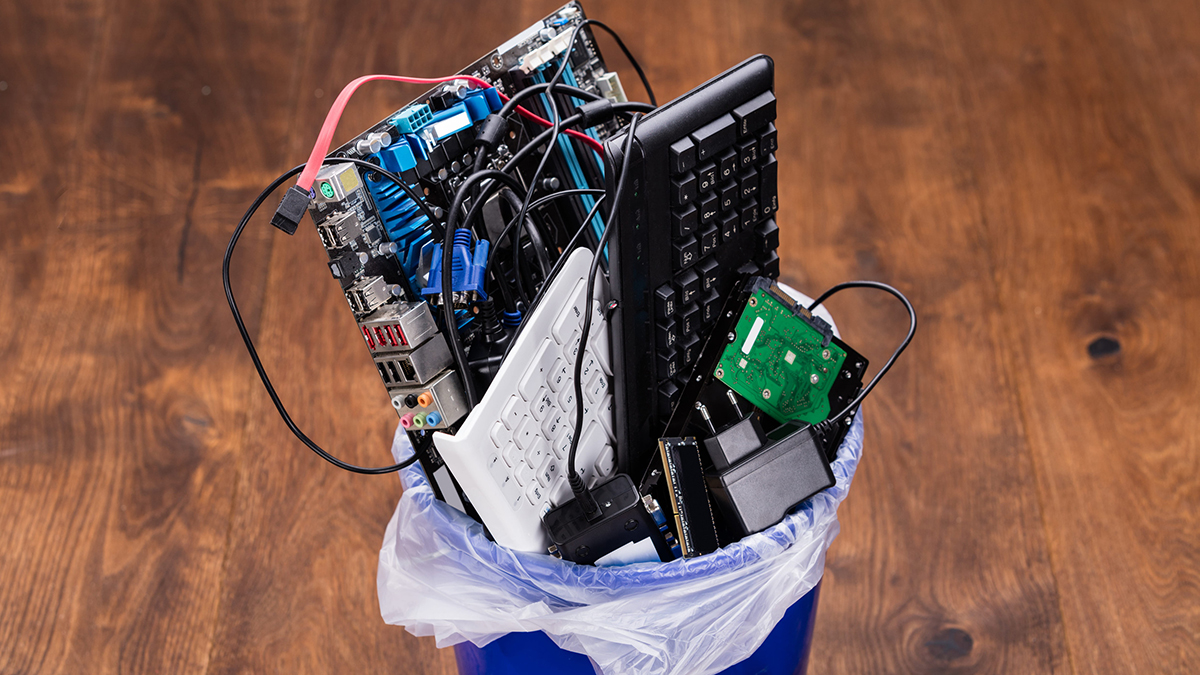
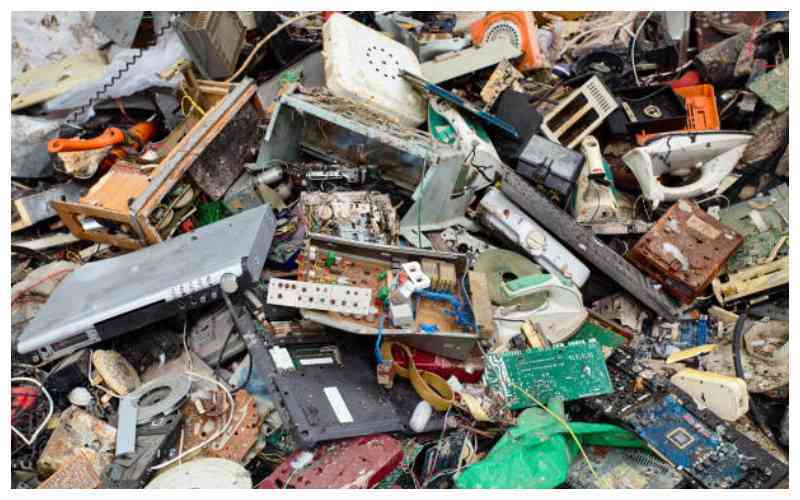
E-waste should not be viewed merely as waste but as an economic opportunity.[Courtesy/iStock]
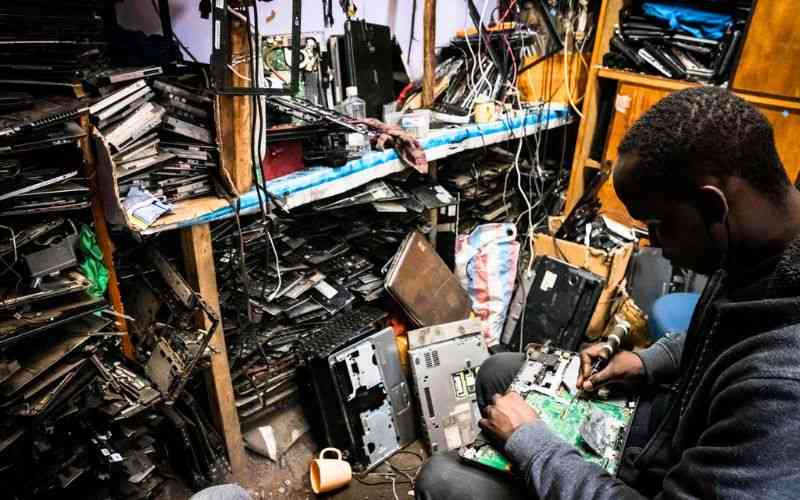
Conversations about sustainability often revolve around climate change, plastic pollution and biodiversity loss. But another environmental challenge is quietly gathering pace across Africa, in homes, schools, businesses and villages that are increasingly powered by technology: Electronic waste. In Dol Dol village in Laikipia, a solar home system that once powered lights and charged mobile phones now lies abandoned. The battery is dead, the panel is cracked, and there is nowhere nearby to repair, replace or recycle it. The once symbol of progress has become a reminder of a growing gap in Africa's green transition.
Across the continent, millions of people are gaining access to solar power, mobile phones, batteries, televisions and digital devices that are transforming lives and expanding economic opportunities. Yet few countries have given equal thought to what happens when these products break down, become obsolete or reach the end of their useful lives.
The numbers show the scale of the challenge. The world generated 62 million tonnes of electronic waste in 2022, making it one of the fastest-growing waste streams globally. Less than a quarter was formally collected and recycled. Africa contributes nearly five million tonnes annually, a figure expected to rise as access to digital technologies and clean energy expands. In Kenya alone, e-waste generation has been estimated at more than 50,000 tonnes a year.