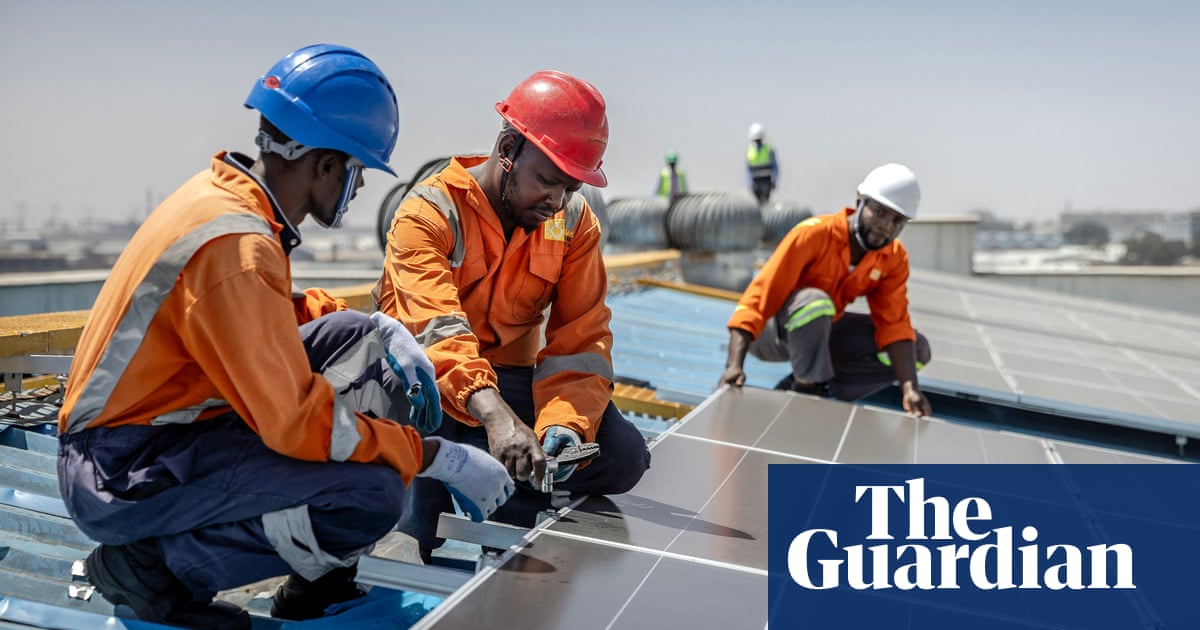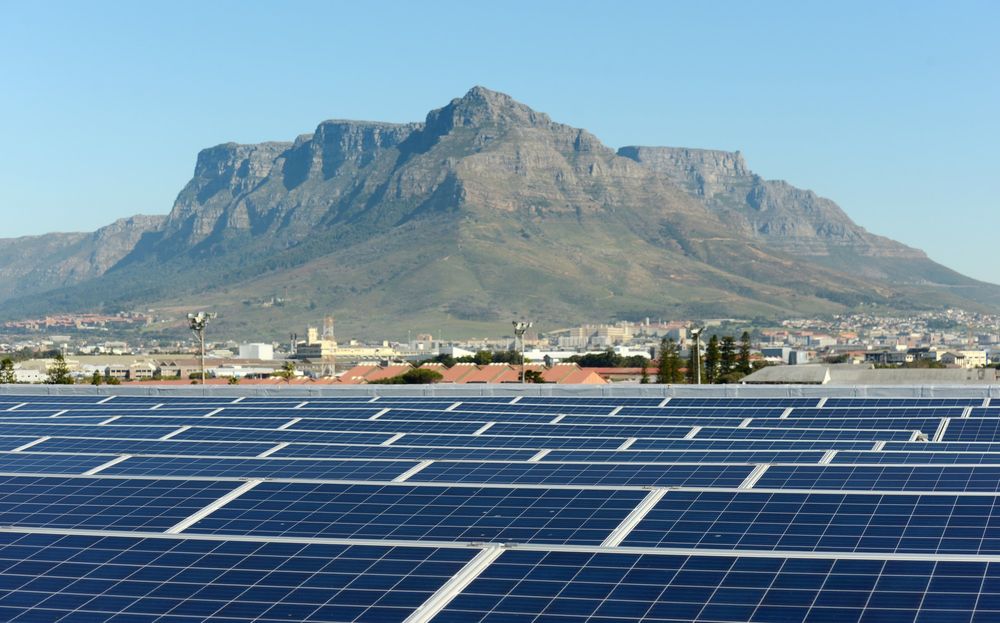
Africa’s clean energy future holds immense promise. Realising it will require deliberate action, sustained investment and, above all, collaboration across sectors, argues the writer.
By Shameel Joosub
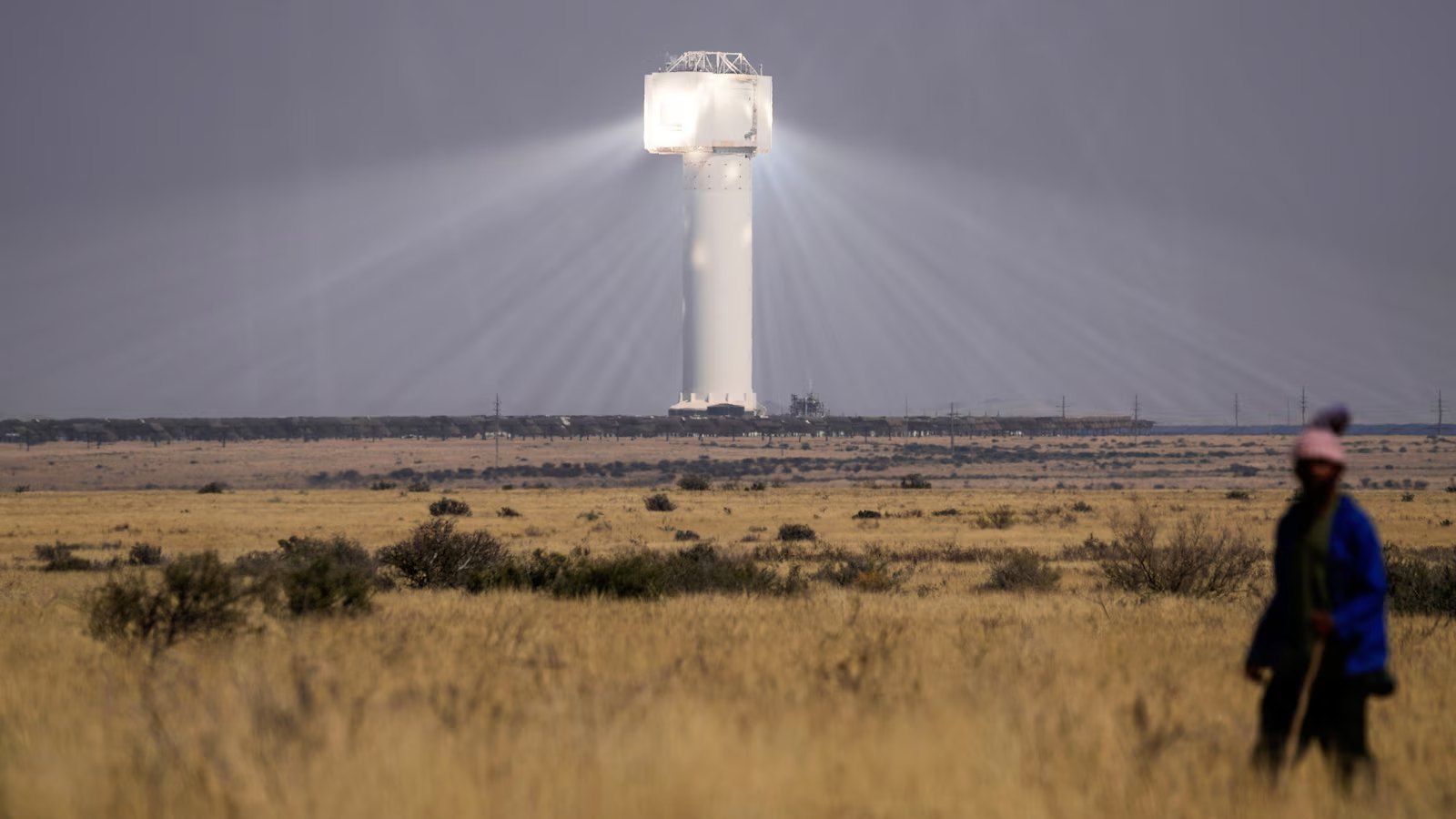
Africa’s energy transition to lower-carbon, more reliable and accessible power systems has the potential to reshape economies, uplift communities, and support development throughout the continent. With abundant renewable energy resources and growing recognition of the urgency of decarbonisation, Africa is well-positioned to leapfrog parts of traditional energy systems and build a more sustainable future.
While progress has been made in advancing low-carbon growth, we face a stark reality. Approximately 600 million people across sub-Saharan Africa still lack access to electricity, and even where grid connections exist, around 80% of businesses and close to 60% of households experience regular unplanned outages, according to research conducted for Vodacom's Decarbonising Vodacom’s Decarbonising Africa's ICT Sector report.
As a result, diesel generators are the default source of power in the absence of reliable and affordable grid electricity – across industries including technology, manufacturing, logistics, mining and public services. While diesel enables continuity, it is costly and carbon‑intensive; reliance on it can lock countries, businesses and communities into a cycle that undermines sustainability, energy security and economic resilience.