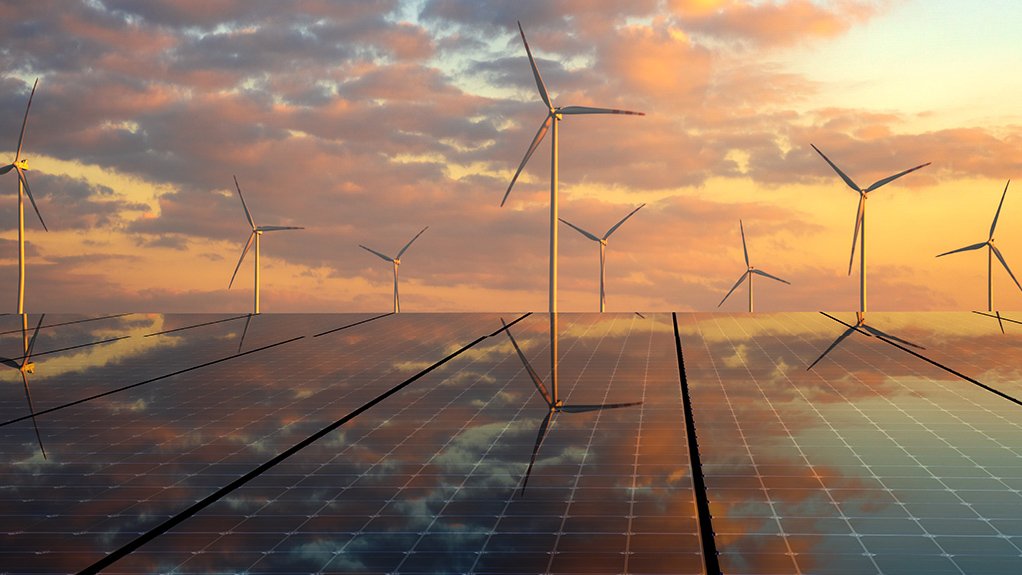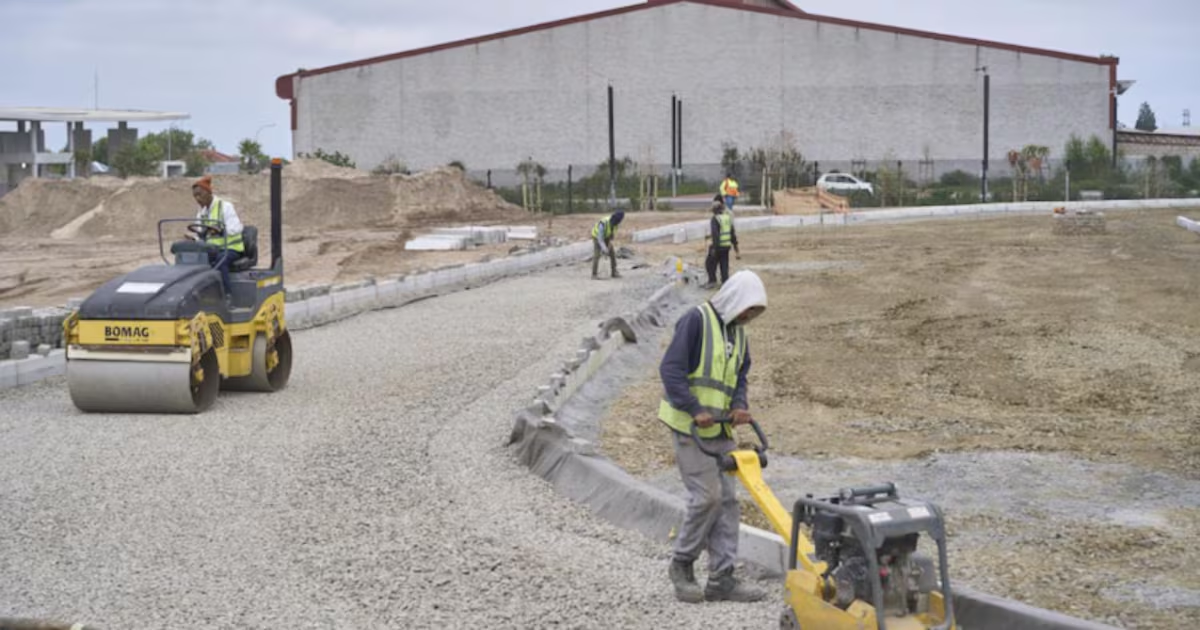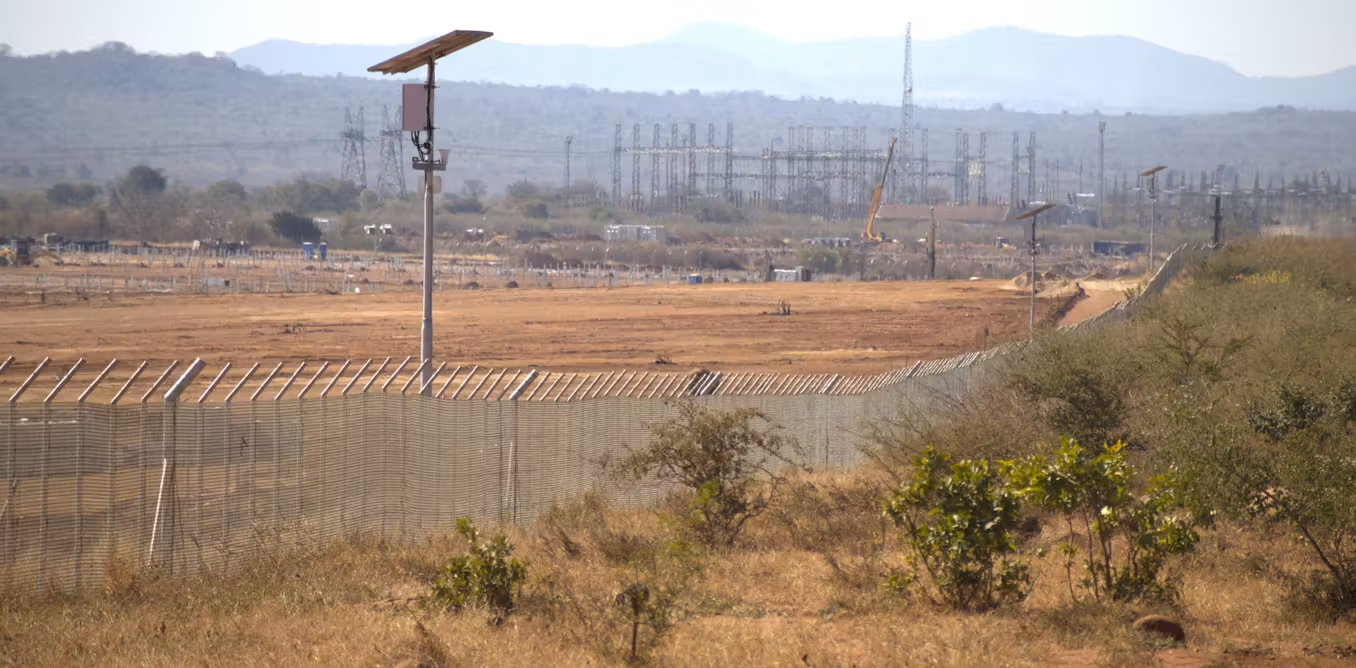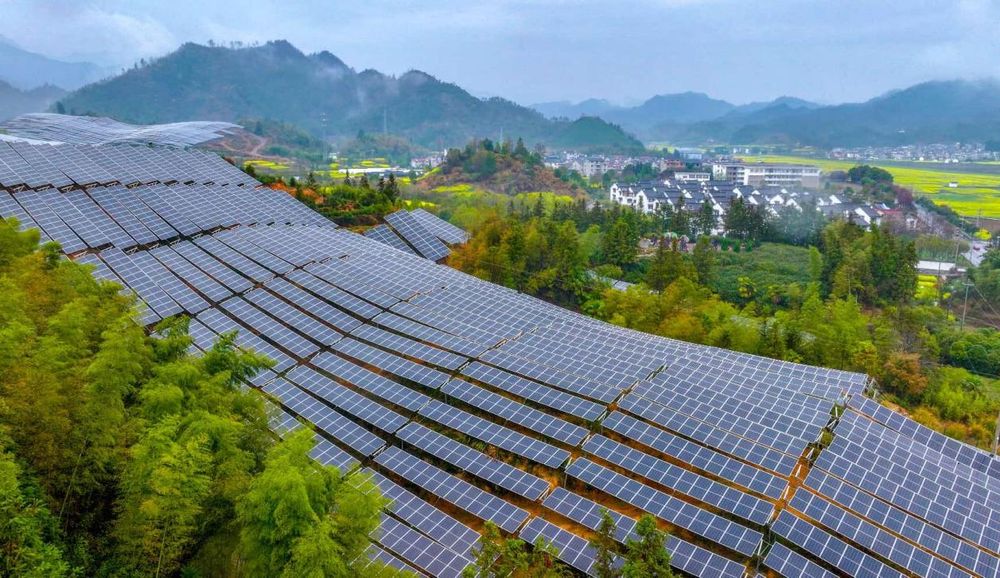
A 40 MW solar-plus-camellia oleifera project in Songjing village, Hangzhou, east China's Zhejiang province. A report shows that Africa's renewable energy workforce currently accounts for just 2% of the global total, despite the continent holding 60% of the world's best solar resources.
A recently released report has unveiled a promising outlook for South Africa's green economy, forecasting the creation of up to 4.3 million jobs by 2050. However, it also raises alarm bells regarding the potential for these positions to be predominantly low-paid and out of reach for many, particularly women. The findings, part of a study titled Unlocking Africa’s Green Transition: Opportunities Towards a Green and Inclusive Workforce, were launched by financial sector development agency FSD Africa in collaboration with Shell Foundation and Shortlist.
The report indicates that as the green economy begins to take shape, South Africa is projected to generate 1.3 million green jobs by 2030, before escalating to 4.3 million by 2050. Unlike most African nations where job growth is primarily spurred by decentralised and service-led industries, South Africa's trajectories are rooted in utility-scale infrastructure. The report identifies key sectors such as energy, waste recycling, and agriculture — particularly cold-chain solutions — as pivotal for job creation.