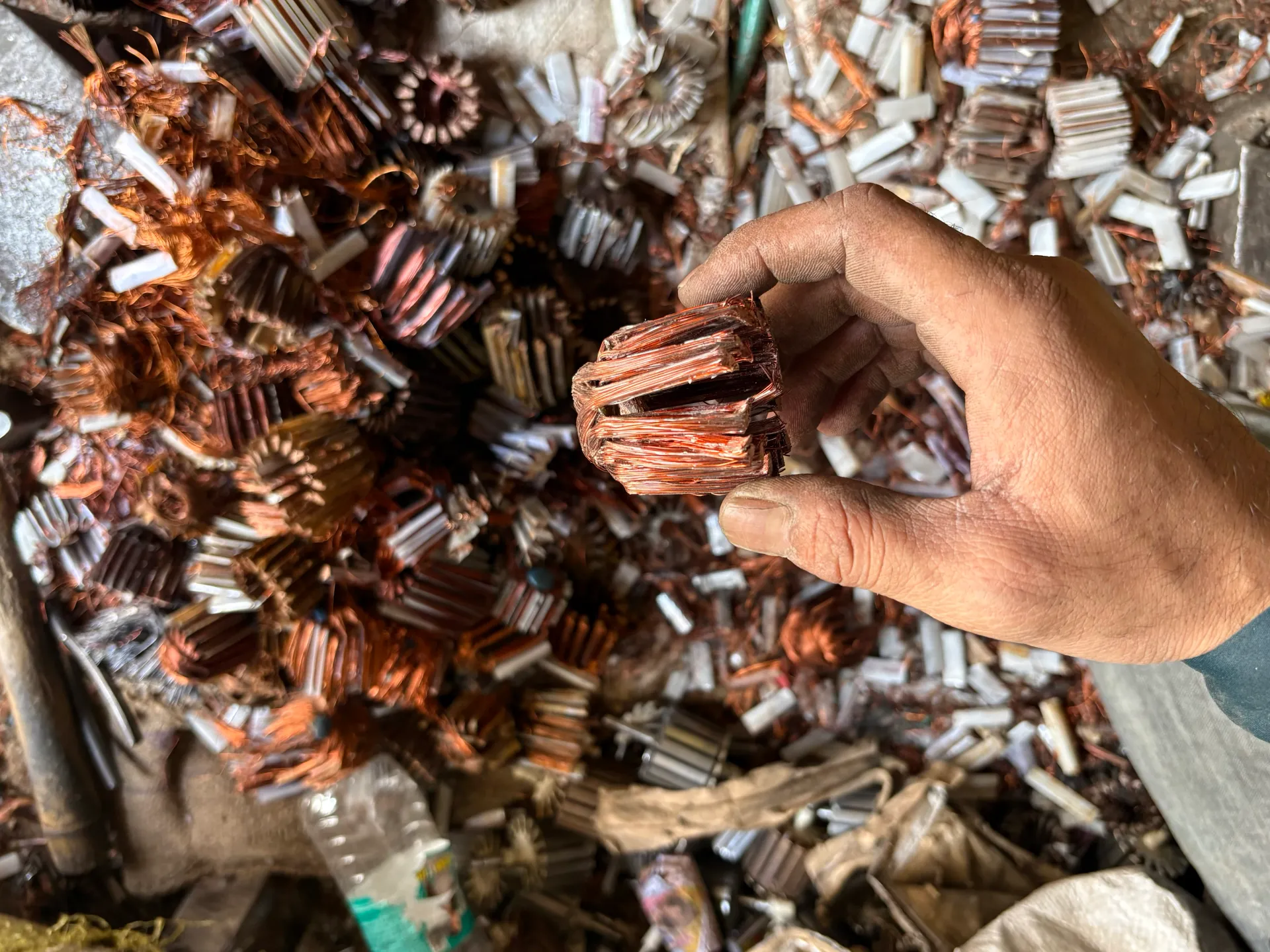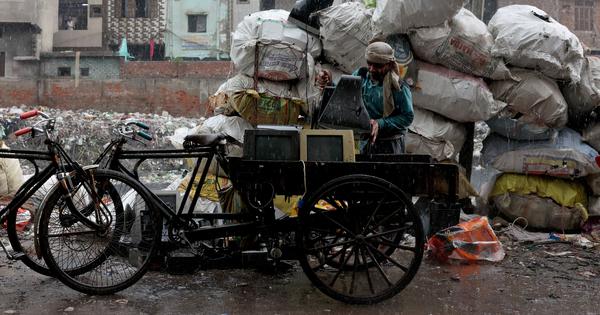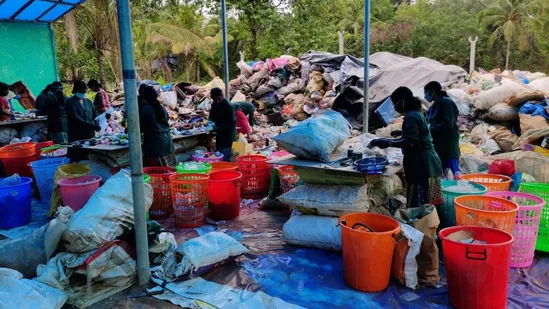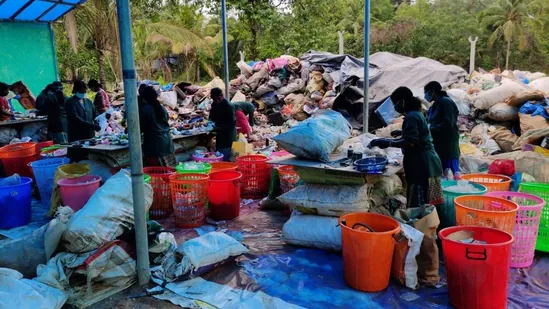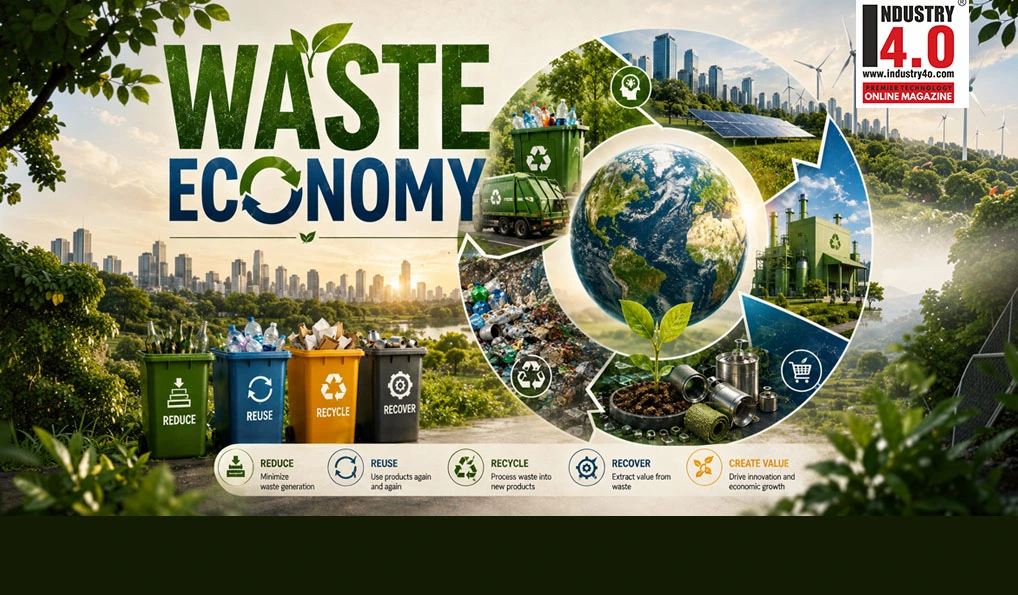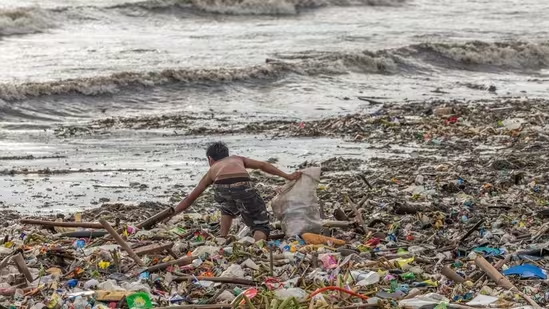
One thing our industry has learnt over the years is that India's recycling system is built long before material reaches a recycling plant. It begins on the ground, through a recovery ecosystem that is still largely informal at the front end. Approximately four million waste pickers manage 60 to 70% of India's urban recyclable waste. In conversations around circularity, these workers are often discussed as a social issue. In reality, they are also a supply chain issue. Without them, a significant portion of recyclable material would never enter the formal system. A single picker working a regular neighbourhood route can recover 60 to 90 kilograms of recyclable material per day. This material then moves through kabadiwalas, aggregators, and scrap dealers before it reaches a formal recycling facility.Circular Economy (Shutterstock)This is the part many people miss. The system works not because it is formal, but because it is deeply local. Waste pickers know which lanes generate bottles, which shops produce packaging waste, which households segregate better, and which routes are worth covering every day. No centralised system can build that knowledge overnight.CPCB estimates suggest India's plastic recycling rate sits around 60% when the informal sector is counted. That number would look very different if this recovery layer disappeared. The EPR compliance system may issue certificates at the recycling stage, but the labour that makes recovery possible often remains outside formal recognition. Most recyclers understand this reality. The industry now needs to acknowledge it more openly.India does not have a shortage of plastic waste. From a recycler's perspective, the challenge is rarely the availability of plastic waste. The challenge is getting material that is clean, segregated, and consistent enough to be converted into high-quality recycled products. Food-grade recycling, recycled content in packaging, and export-grade recycled polymers all need cleaner, more consistent, and traceable feedstock.A brand that needs 30% recycled content in rigid packaging cannot simply buy any recycled granule from the market. It needs documented chain of custody, contamination-tested material, and traceability from collection to processing. Most feedstock entering Indian recycling facilities today does not come with that level of assurance. Mixed collection, poor segregation, multilayer packaging, and food-soiled material reduce yield and quality, especially for PET, polyolefins, and food-grade applications.India Plastics Pact data from 2024-25 shows this gap clearly. Member brands placed over 788,000 tonnes of plastic packaging on the market, and around 72% of it was recyclable, reusable or compostable, yet recycled content stood at only 3% by weight. The direction of progress is visible, but the gap remains significant. That is as much a collection quality problem as it is a processing problem. If the first mile remains weak, the rest of the circular economy will keep struggling to meet its own targets.Formalising waste collection is necessary, but it cannot mean removing the people who already make recovery possible. When Bengaluru shifted to private contractors for door-to-door collection in 2019, cooperatives were excluded from the tendering process. An estimated 8,000 waste pickers lost access to residential waste streams overnight. The quality of recyclable material entering the formal system did not improve. What disappeared was not just access to waste. It was local knowledge, route discipline, and the livelihoods of people who had spent years building those collection networks.India's recovery advantage is its grassroots density. Informal collection reaches places no centralised operation would find economically viable. The next phase should not replace this network. It should connect it better to formal supply chains.That means aggregation infrastructure that works for informal collectors, not just large companies. It means traceability tools that a kabadiwala can actually use. It means pricing transparency so waste pickers are not undercut when formal systems enter their routes. It also means addressing health risks, income volatility, and lack of social security as supply chain issues, not only welfare concerns.If there is one lesson that becomes clear after working in recycling for years, it is this: supply chain reliability depends on the economic security of the people at its base. When a waste picker's income becomes unstable, route coverage shrinks. When aggregators face pricing shocks, material quality drops. When collection is not traceable, recycled content claims become harder to prove.This is now becoming a business issue. FMCG companies, packaging users, and export markets are asking for recycled material that is consistent, traceable, and compliant. They are no longer asking only whether plastic was recycled. They are asking where it came from, how it was handled, and whether it can meet specifications repeatedly.That changes how the industry must think about collection. Formalising upstream supply chains is not a social commitment alone. It is a commercial requirement for any serious circular packaging system.The solution does not have to be complicated, but it has to be practical. Waste pickers and small aggregators need to be linked into formal supply chains without being buried under compliance systems designed for large companies. Collection networks need basic digital traceability, fair pricing mechanisms, safer working conditions, and stronger aggregation support. Brands and recyclers also need to invest earlier in the chain, because quality cannot be created only inside a recycling plant.Recycling plants can clean, sort, wash, and process material. But they cannot fully undo poor collection. If waste enters the system mixed, contaminated, and untraceable, the final output will always carry that weakness.As recycled content mandates rise and export requirements become stricter, pressure on collection quality will increase. The gap between what policy expects and what the current recovery system can deliver will widen unless the first mile is treated as part of the infrastructure.India's circular economy will not be built only inside recycling plants. It will be shaped by how seriously the country invests in the people and systems already doing the recovery work. The capacity already exists. The collection network already exists. What remains missing is a recognition that waste pickers are not operating on the margins of the circular economy. They are one of the reasons it functions at all.(The views expressed are personal)This article is authored by Swaroop KVR, head, Waste Management, Sustainability and EPR, Srichakra Polyplast Pvt. Ltd.
Missing link in the circular economy: Informal waste workers
This article is authored by Swaroop KVR, head, Waste Management, Sustainability and EPR, Srichakra Polyplast Pvt. Ltd.
1,008 words~5 min read