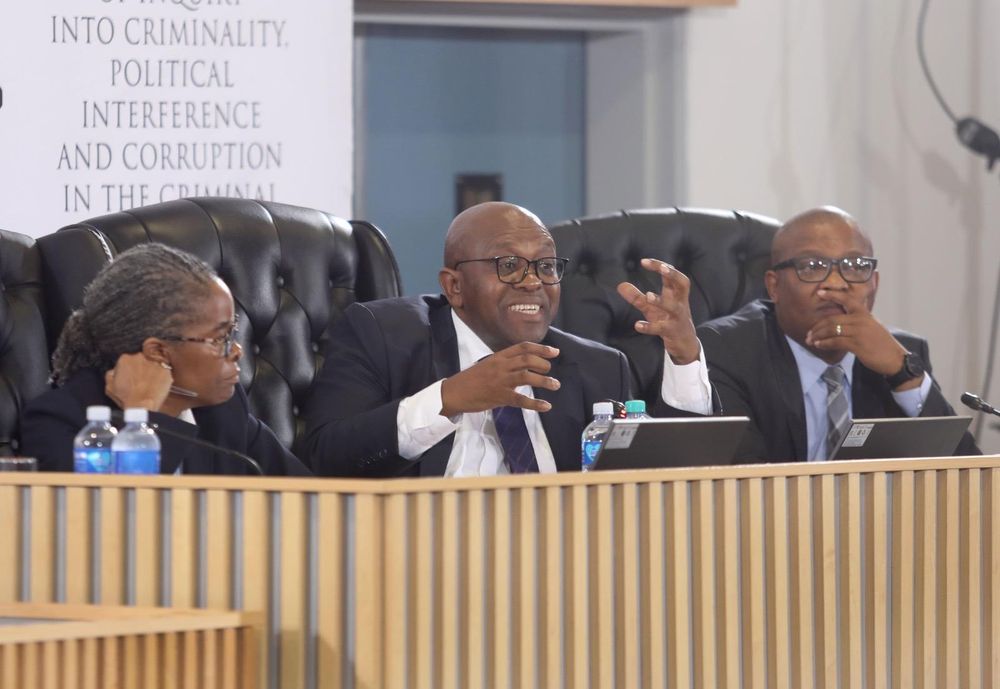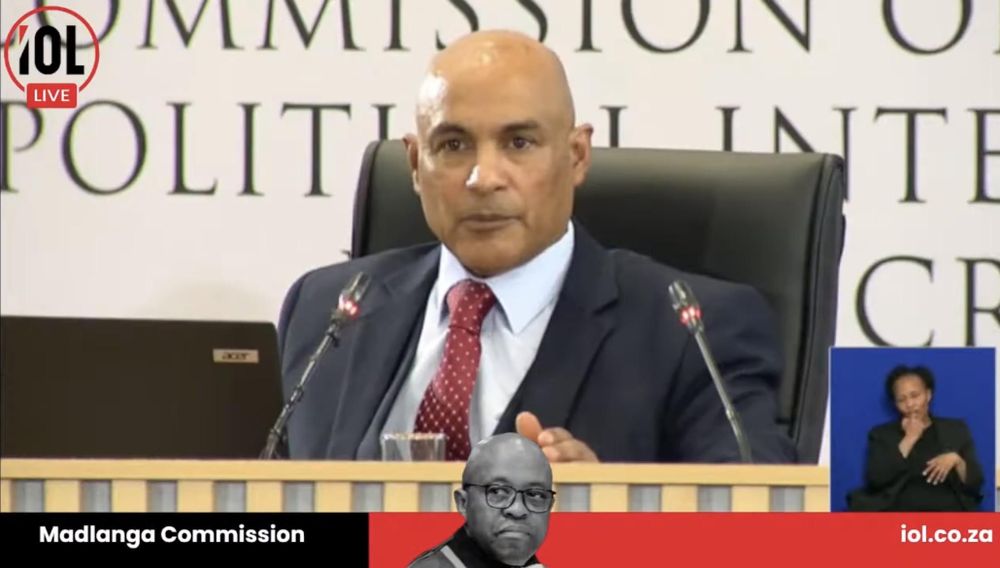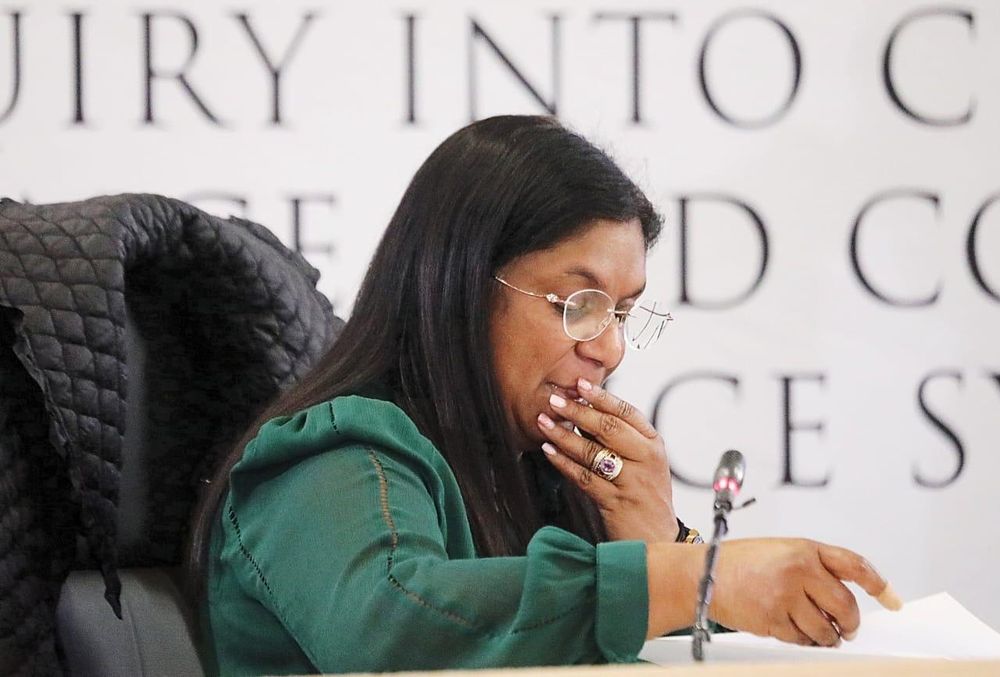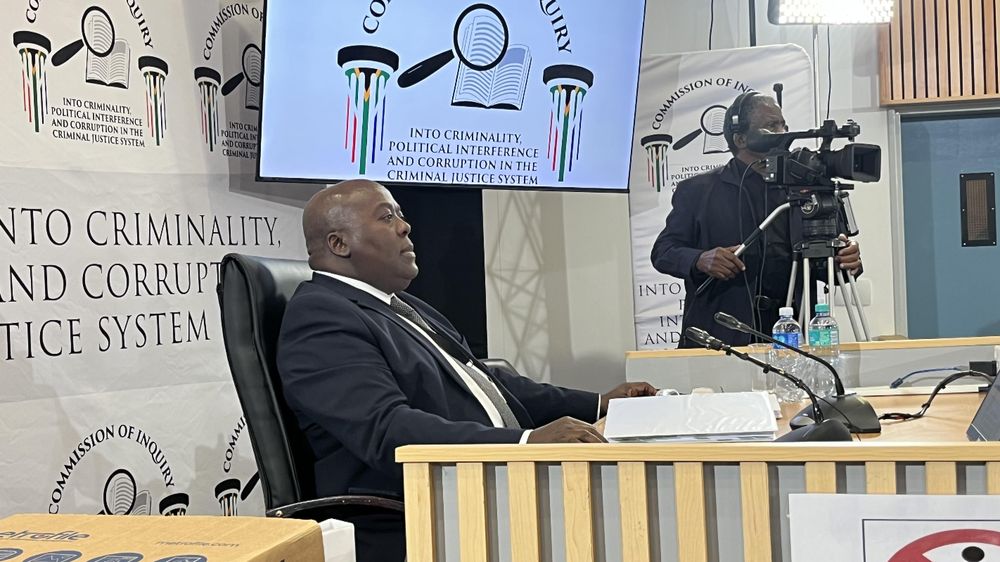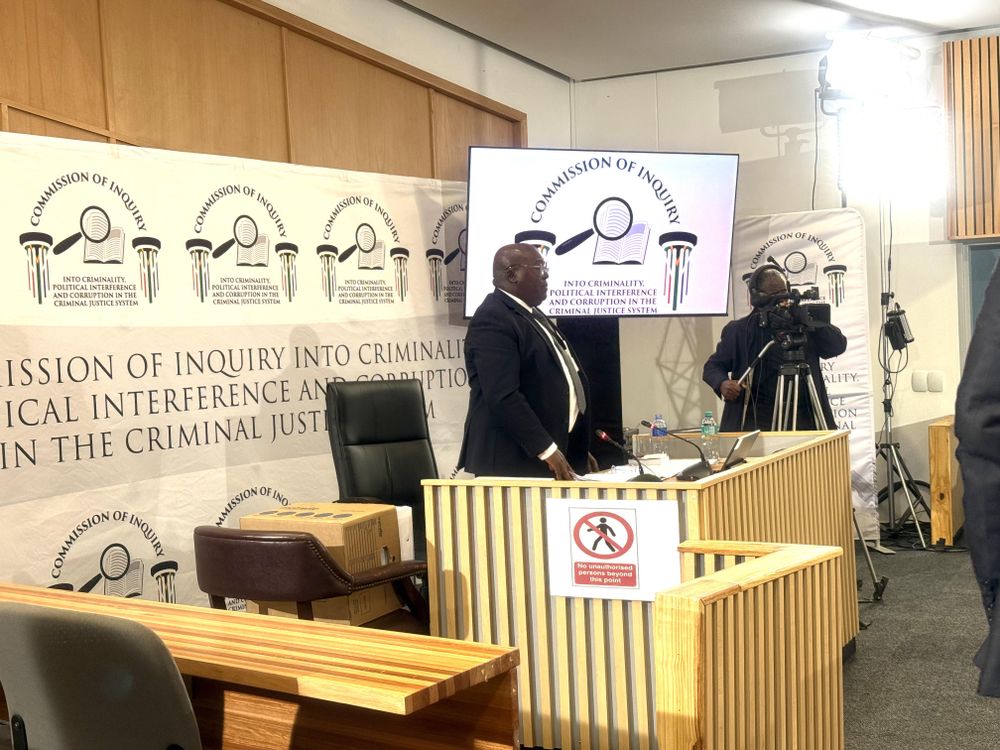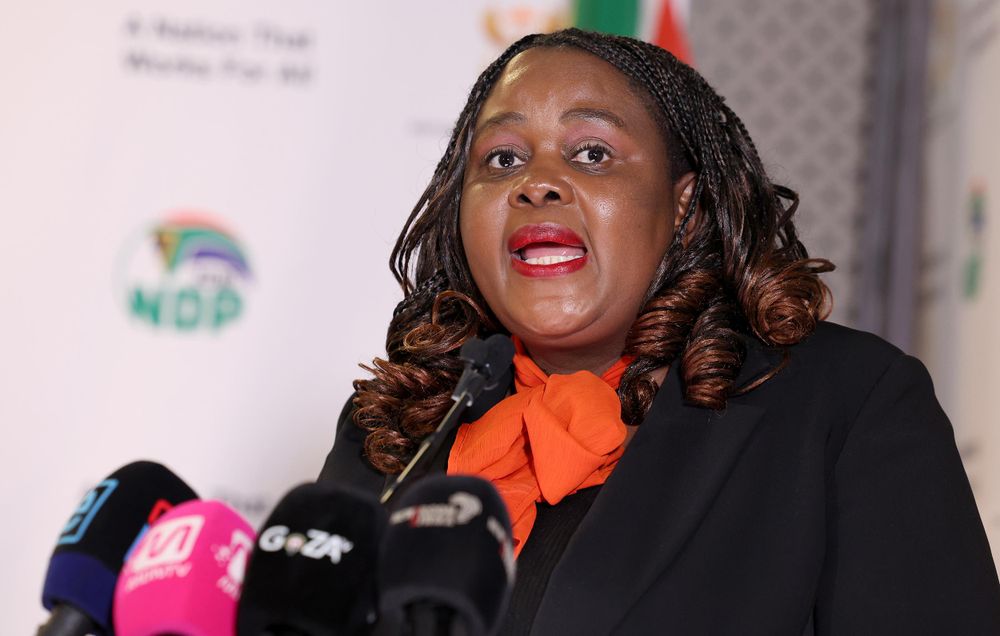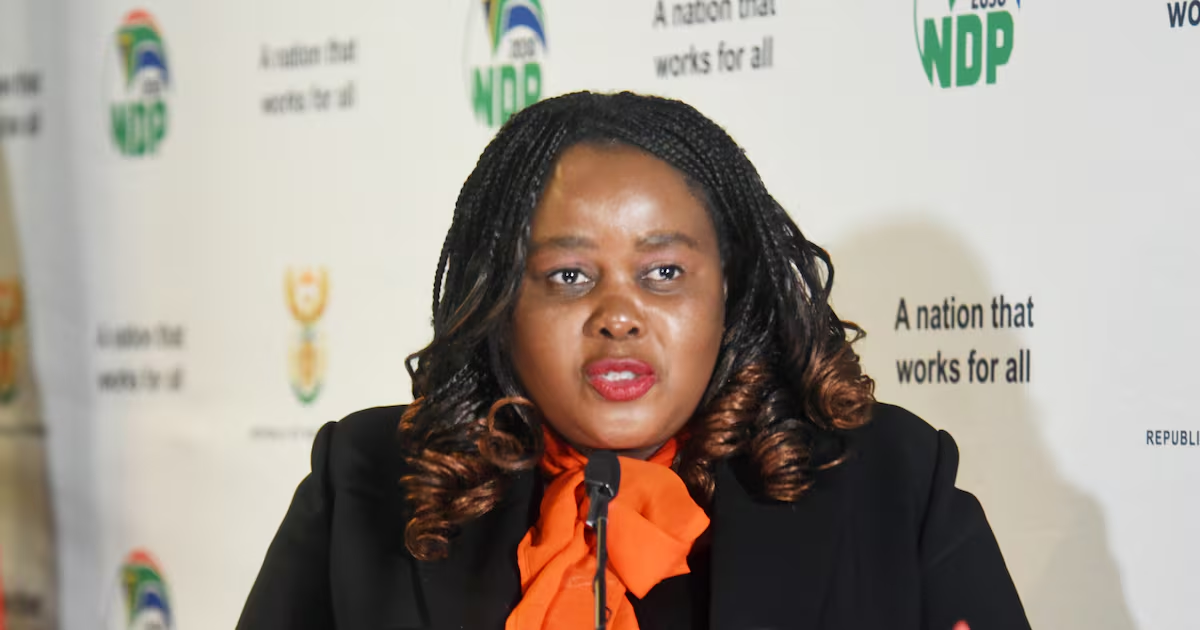
It’s hard to imagine that the good idea of setting up the Investigating Directorate Against Corruption (Idac) can survive the deluge of allegations against it. Over the past month a solid case has been built for why this was a good idea turned bad. The Madlanga commission of inquiry has laid bare evidence of how the institution, which was supposed to follow up on so-called state capture cases, veered off its core mandate.By way of background, the body, housed in the National Prosecuting Authority (NPA), owes its origins to three events: the death of the Scorpions after the ANC’s Polokwane conference; the disappointment of the Hawks, which replaced the Scorpions; and the outcome of the Zondo commission of inquiry into allegations of corruption and state capture.Idac was set up to follow up on unfinished work from the Zondo commission. It’s important to contextualise this. The Scorpions were killed by ANC factional politics of the day. The idea behind the Scorpions was to have prosecutor-led investigations. The unit’s early success included clamping down on Pagad, a drug-gang cartel in the Western Cape. However, when the Scorpion’s sting started to be felt by politicians, a resistance movement built up against them, resulting in them being crushed.During Jacob Zuma’s tenure as president of the ANC and the republic, a lighter, more docile version was set up to replace the Scorpions: the Hawks.Its big achievement stands out as having a head, Gen Godfrey Lebeya, serve out a full term, but there were hardly any jail terms for high-profile suspects.Read: Three senior Idac allies of Andrea Johnson suspended after testimonyTowards the end of his term as president, Zuma stood accused of enabling and orchestrating state capture — loosely understood to be the undue influence of unelected persons on organs of state and state-owned enterprises (SOEs). Alleged scenes of crime included SOEs, state departments and ministries.After much resistance, Zuma reluctantly agreed to a recommendation by Thuli Madonsela, then outgoing public protector, to have the chief justice, then Mogoeng Mogoeng, appoint a judge to carry forward the work of her rushed investigation. That judge turned out to be Raymond Zondo, then Mogoeng’s deputy and, later, his successor.For this, Zondo, who would subsequently become mired in a skirmish with Zuma over family issues, deserved commendation — almost like volunteering to take the first or last penalty in a do-or-die soccer match.This costly commission started with so much promise but ended with much disappointment. Except for paybacks of ill-gotten gains by service providers to SOEs, the public continues to question what was achieved by the Zondo commission.Idac is one of the upshots of that commission’s work. The current commission into allegations of political interference, corruption and collusion with cartels in the criminal justice system — commonly known as the Madlanga commission (after its chair, former deputy chief justice Russel Mbuyiseli Madlanga) — has shone an unflattering light on Idac.The former head of the NPA, Shamila Batohi, abruptly walked out of an inquiry set up at her behest to probe the fitness of Andrew Chauke, her Gauteng deputy. Chauke has since been cleared by the inquiry. Batohi was supposed to be part of the clean-up squad alongside tax-collector Sars, the Hawks and the SA Police Service.Enter Andrea Johnson. She is the second short-lived head of Idac, who fell on her sword after damning allegations against her at the Madlanga commission. The litany of allegations against Johnson includes prospectively implicating someone in criminal activity, arresting and charging the sitting national police commissioner about a suspected administrative offence related to violation of the Public Finance Management Act (PFMA), and disparaging remarks about the commissioners.Johnson has yet to address the fallout over issues such as her unguarded remarks about the Madlanga commissioners, but the wider and more fundamental national question relates to the future of Idac and the idea behind it and its forerunners.This is not only a personnel failure but also a failure of the model. Put differently, no individual, however capable, would be likely to succeed under the current system. While the prosecutor-led model may be conceptually appealing on paper, it may not be suited to South Africa’s circumstances.Meanwhile, prosecutors must return to the NPA and do their jobs. Here’s a thought: would South Africa need Madlanga if it had a well-resourced public protector’s office and Public Service Commission? That is, the investigators Madlanga has been blessed with?• Dludlu is a former Sowetan editor.
JOHN DLUDLU | Idac’s fall shows how to kill off a good idea
Leadership turmoil and allegations threaten the future of state-capture investigations
733 words~3 min read