Story audio is generated using AI
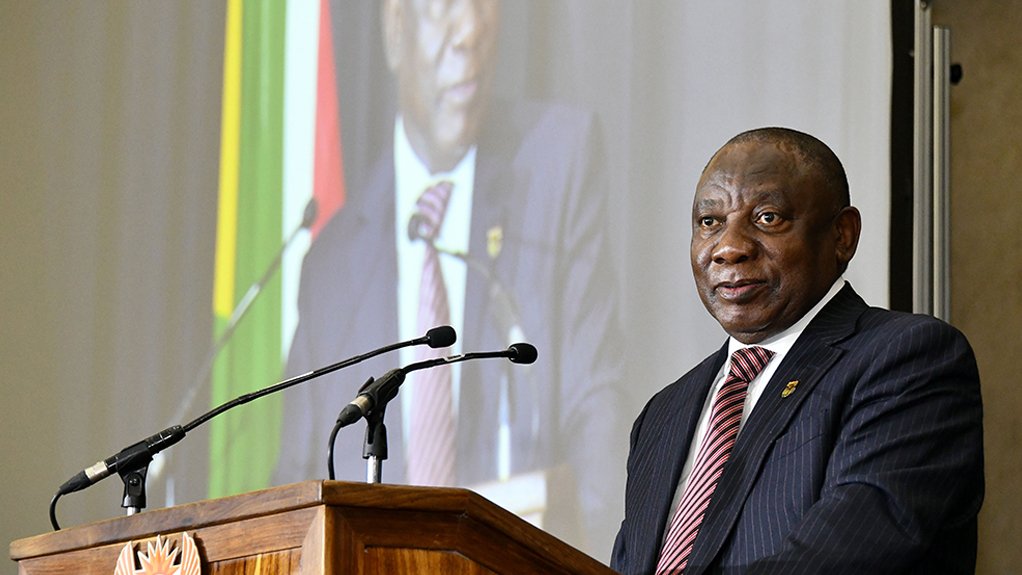
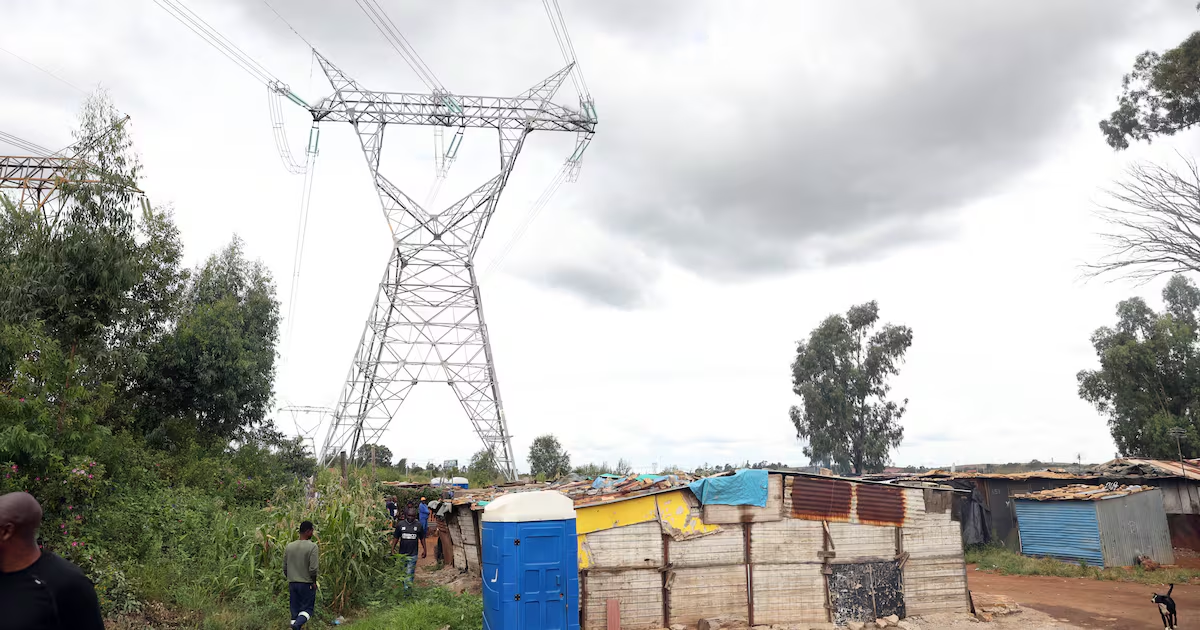
A brutal power struggle is brewing in the halls of South African politics, striking a chord of déjà vu among seasoned ANC observers. Not since the tumultuous leadership contests that defined the party’s modern history has the internal battle for control been this fierce. Having witnessed the downfall of Thabo Mbeki in 2007 and the fractured, high-stakes rise of Jacob Zuma, the ANC once again finds itself at a critical crossroads — this time over ownership of Eskom’s transmission assets. President Cyril Ramaphosa is betting that a modernised, investor-friendly grid will define his legacy. His rivals are betting South Africans will remember it as the moment the family silver started leaving the building.Where past battles were fought over the heart and soul of the party or the integrity of state institutions during the state capture era, today’s frontline is economic. The latest flashpoint is Ramaphosa’s definitive decision to strip power utility Eskom of its national grid monopoly.Just more than a year out from the ANC’s next elective conference, Ramaphosa’s aggressive push to restructure the energy sector has ignited a high-stakes proxy battle over state power. In forcing the measure through, the president overrode fierce internal resistance, sidelining Eskom executives and his own electricity minister, Kgosientsho Ramokgopa. Party detractors have been swift to weaponise the move, accusing Ramaphosa of crossing a line even Mbeki hesitated to step over: pushing policies that critics claim amount to the backdoor privatisation of South Africa’s state-owned enterprises (SOEs).Read: Eskom loses assets fight as Ramaphosa backs splitYet this burst of decisive executive force exposes the central paradox of Ramaphosa’s presidency, a leader long criticised for cautious consensus building who is now flexing absolute authority to force structural economic change regardless of the political fallout.Eskom’s public response has been telling in its restraint. In a statement issued on Monday, board chair Mteto Nyati struck a conciliatory tone entirely absent from the boardroom brawling of recent months, saying the board shares Ramaphosa’s vision while quietly insisting reform be treated as a carefully sequenced process with clear stage gates. Buried in the statement is the real number driving Eskom’s anxiety over the matter including the R119bn in municipal arrears debt, which Nyati called critical to the utility’s long-term financial sustainability. Transmission accounts for almost 40% of Eskom’s core earnings, according to Moody’s, and stripping it out before that debt crisis is resolved leaves the remaining business carrying a weaker balance sheet to the same creditors. “As phase 2 of the reform process commences, it is important that the implementation process safeguards Eskom’s financial sustainability and appropriately addresses lender requirements, financing arrangements and contractual obligations. The establishment of an independent transmission system operator is a material event for Eskom’s lenders and will require careful engagement as the implementation pathway is developed,” Eskom said. “Successful reform and a financially sustainable Eskom are complementary objectives that will help support a stable, sustainable and investment-ready electricity [sector].”Policy expert Lucky Mathebula cautioned against reducing the reform to internal ANC politics or dismissing it as privatisation.“A fully independent but state-owned transmission operator could create a fairer electricity market by separating control of the national grid from any one generator and giving all producers transparent, nondiscriminatory access,” he said.“The real public test is not who wins the political argument inside the ANC but whether the change delivers reliable and affordable electricity, expands the grid, protects Eskom’s financial stability and strengthens public accountability.”Ramaphosa’s intervention, he added, must now be matched by a clear implementation timetable, open disclosure of the financial implications and firm safeguards against private capture and renewed state mismanagement.Political analyst Mpumelelo Mkhabela said: “My view is that from Ramaphosa’s perspective, this is not about leadership contests of the ANC. It is a question of economic reforms he has undertaken to do. It is part of what has led to investor confidence in him. “The model the ANC has pursued all along has led to the collapse of SOEs and massive bailouts from government, which is very unpopular in society. In Ramaphosa’s mind, this is the way to do things differently.” Numbers don’t lie.This winter the Eskom Generation team is flying. Energy Availability Factor is approaching 80% - exactly where it should be.A sincere and well-deserved acknowledgement to every person in Generation. Your discipline, hard work and focus are showing clearly in… pic.twitter.com/rBEXbbmZSM— Mteto Nyati (@mteton) July 30, 2026