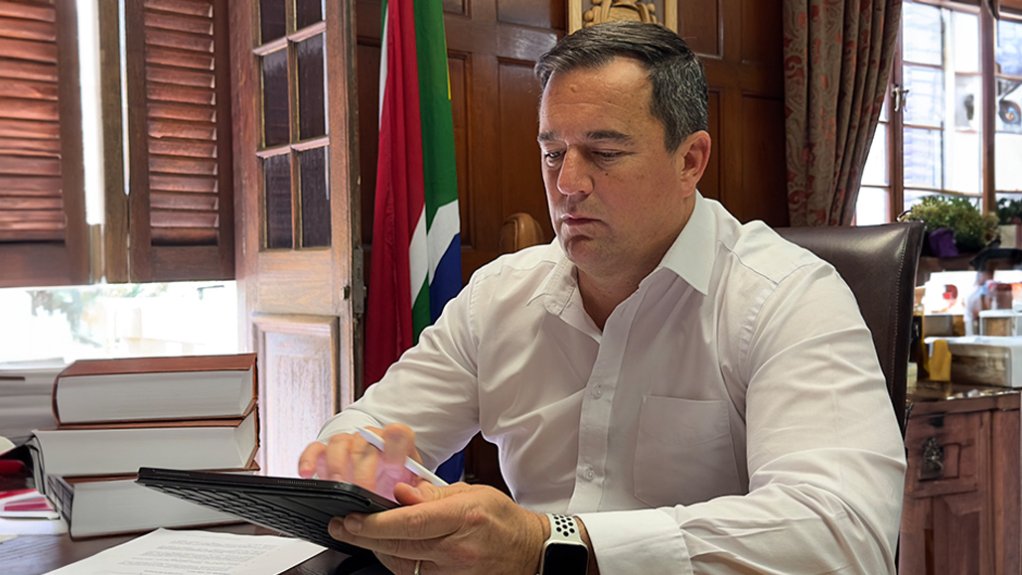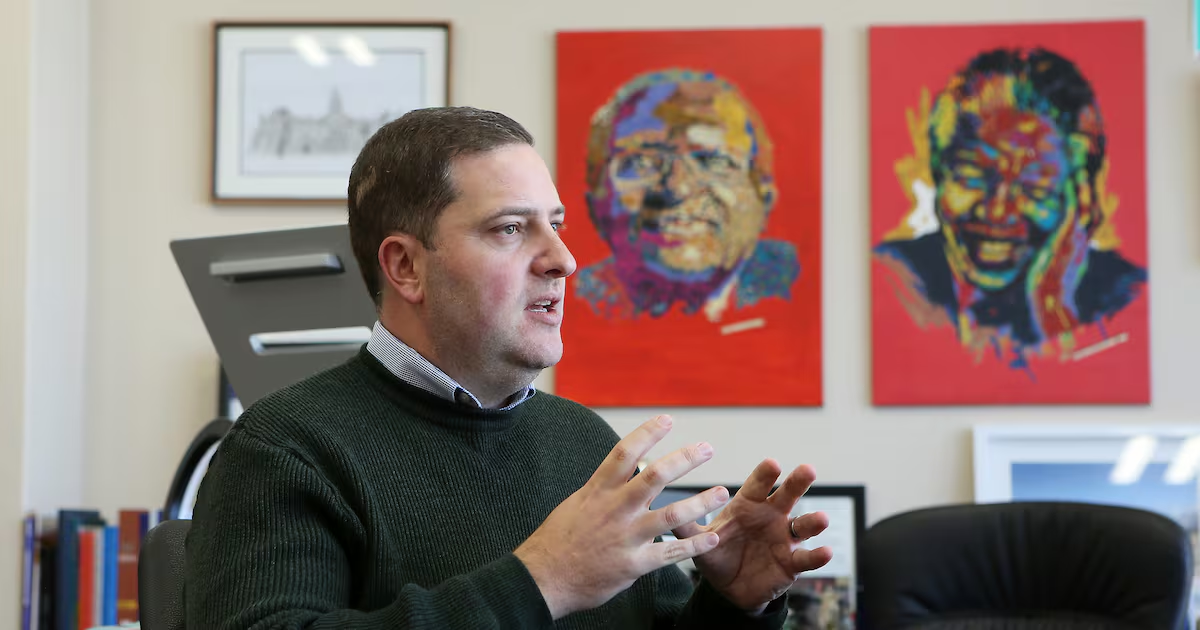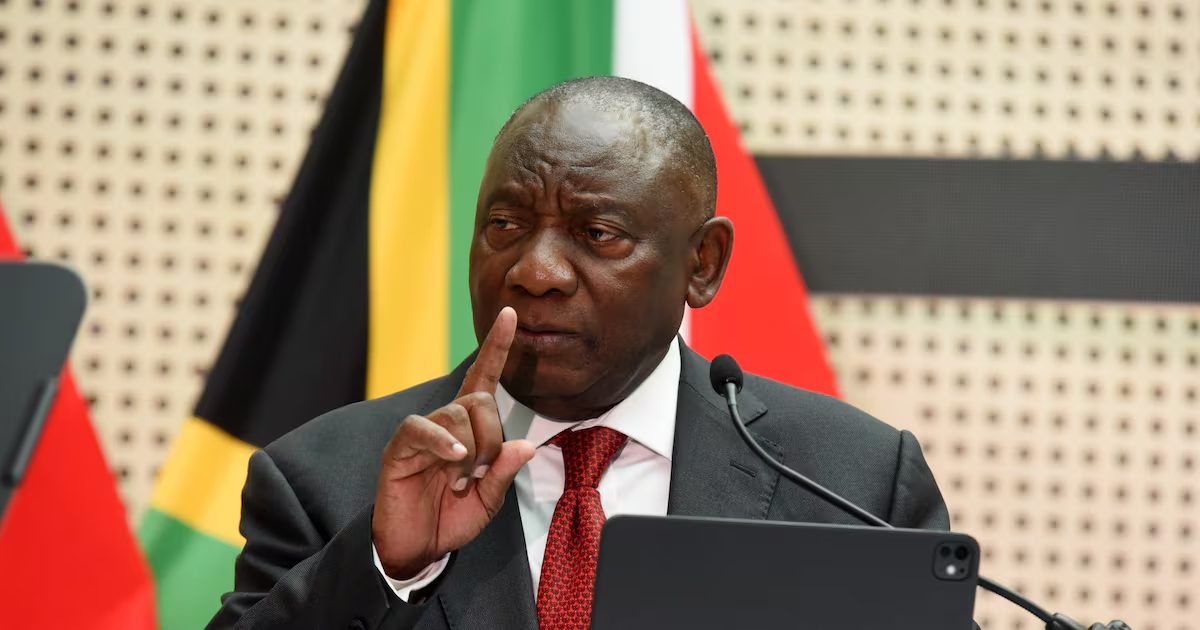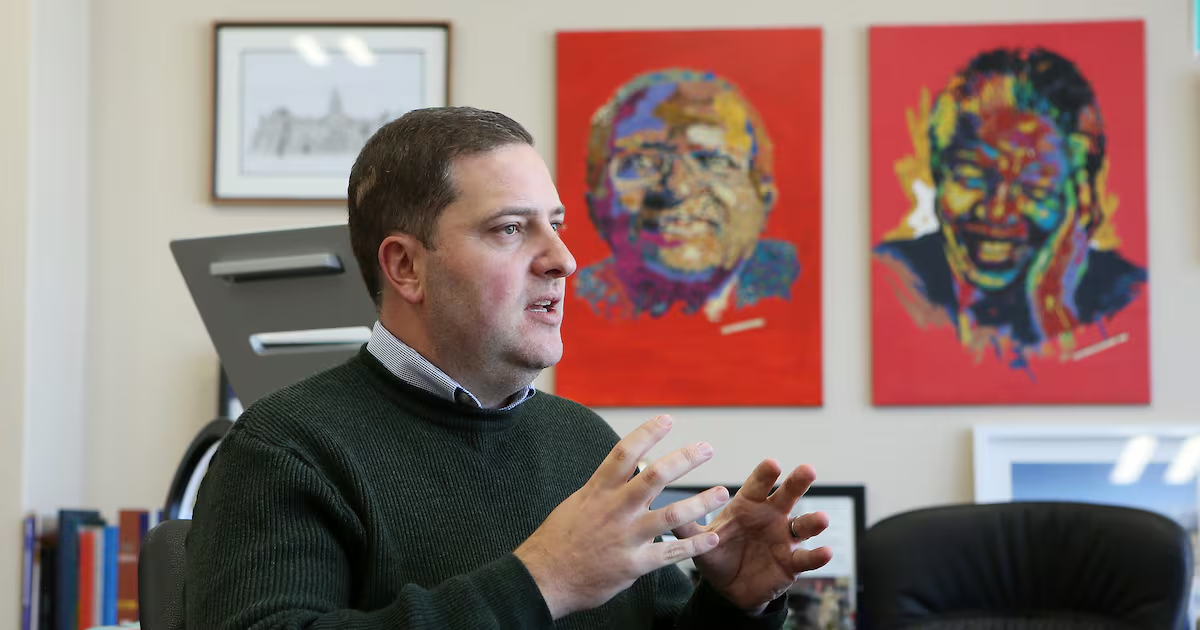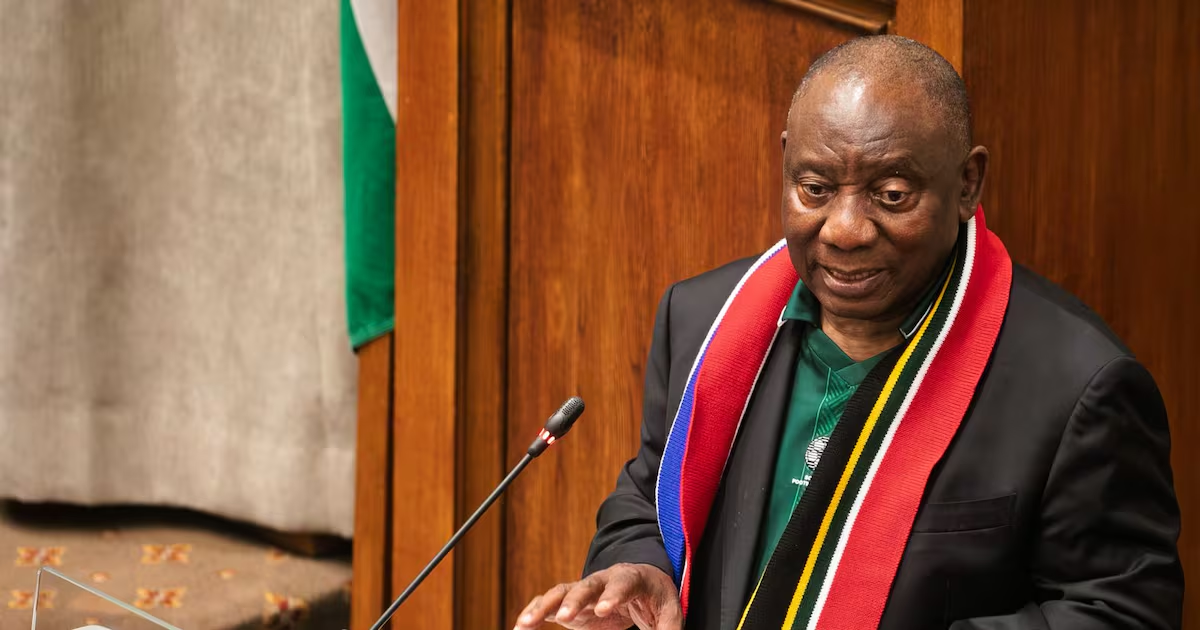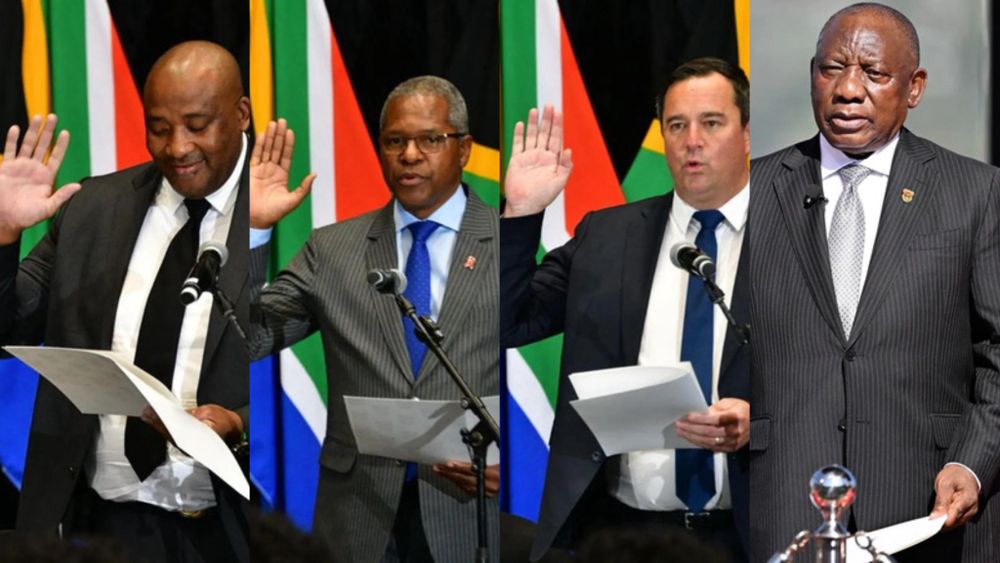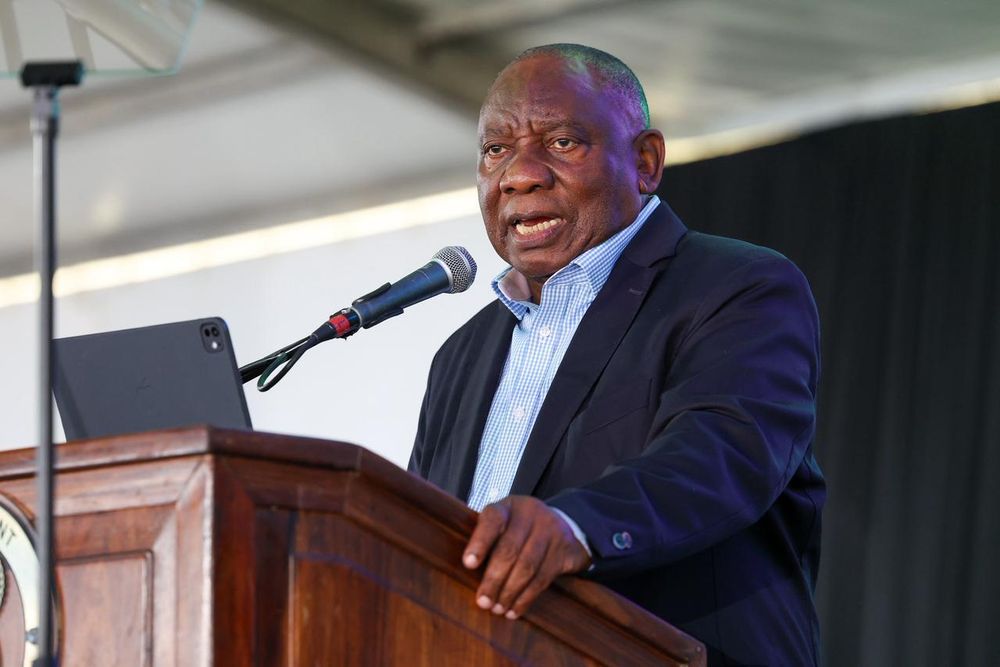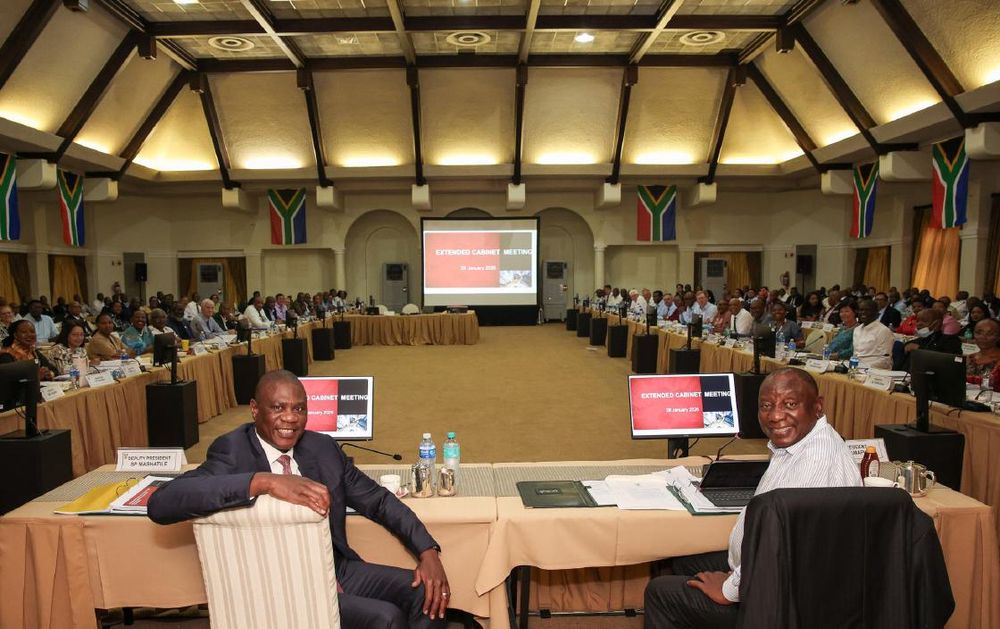
President Cyril Ramaphosa (right) and his Deputy Paul Mashatile at the Cabinet Lekgotla held in the Sefako Makgatho Presidential Guesthouse, Pretoria on January 28, 2026. If South Africa permits Cabinet to become a battleground for internal party contests, it risks creating multiple centres of executive authority, says the writer.
Zamikhaya Maseti
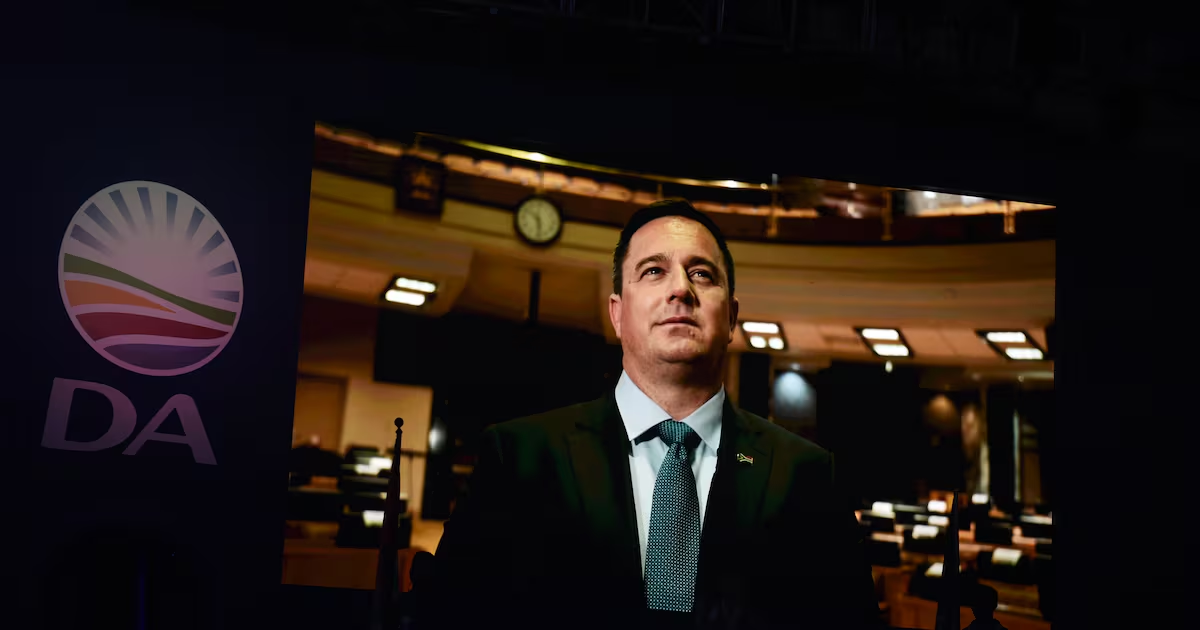
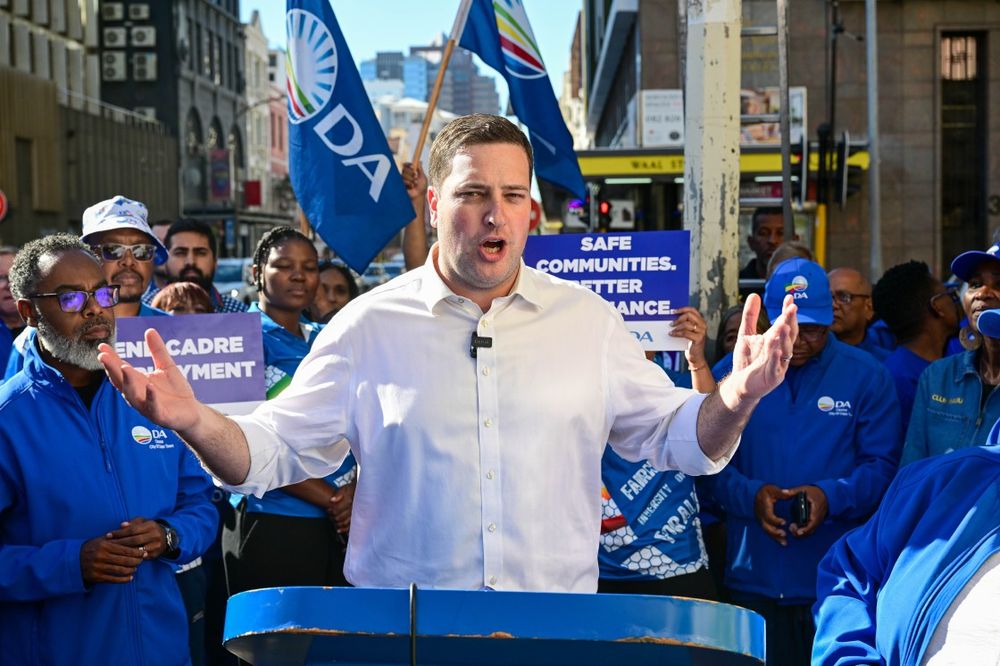
The unfolding debate around the Democratic Alliance's request that President Cyril Ramaphosa reshuffle ministers allocated to the party within the Government of National Unity presents South Africans with an important constitutional and political question.
At first glance, the matter may appear to be a routine internal adjustment within a coalition arrangement. Yet beneath the surface lies a much deeper issue concerning the constitutional authority of the President, the nature of executive power, and the future stability of coalition governance in South Africa.
The issue is not whether political parties are entitled to express preferences regarding who represents them in government. They certainly are. Political parties are voluntary associations with leadership structures, policies and electoral mandates.