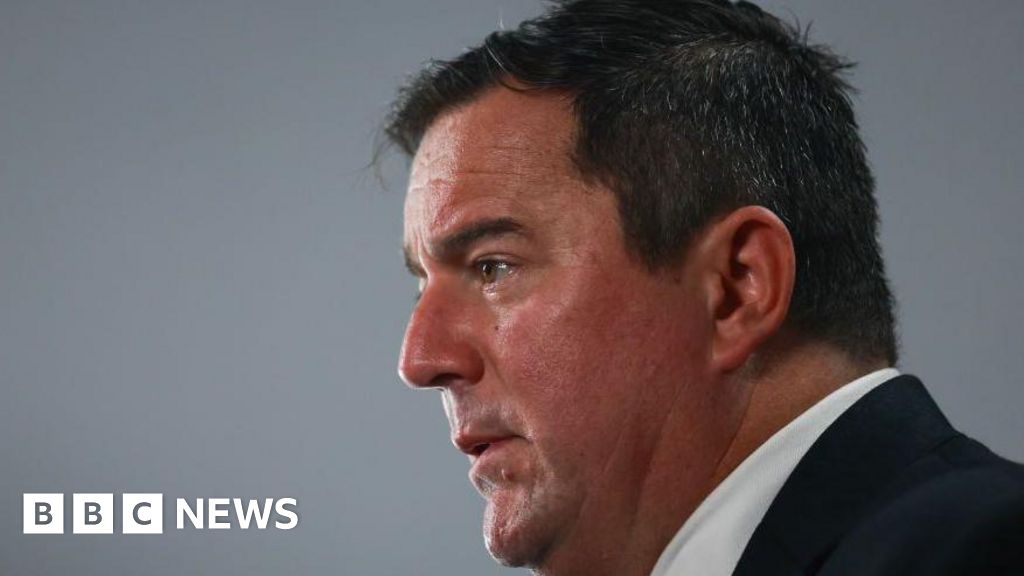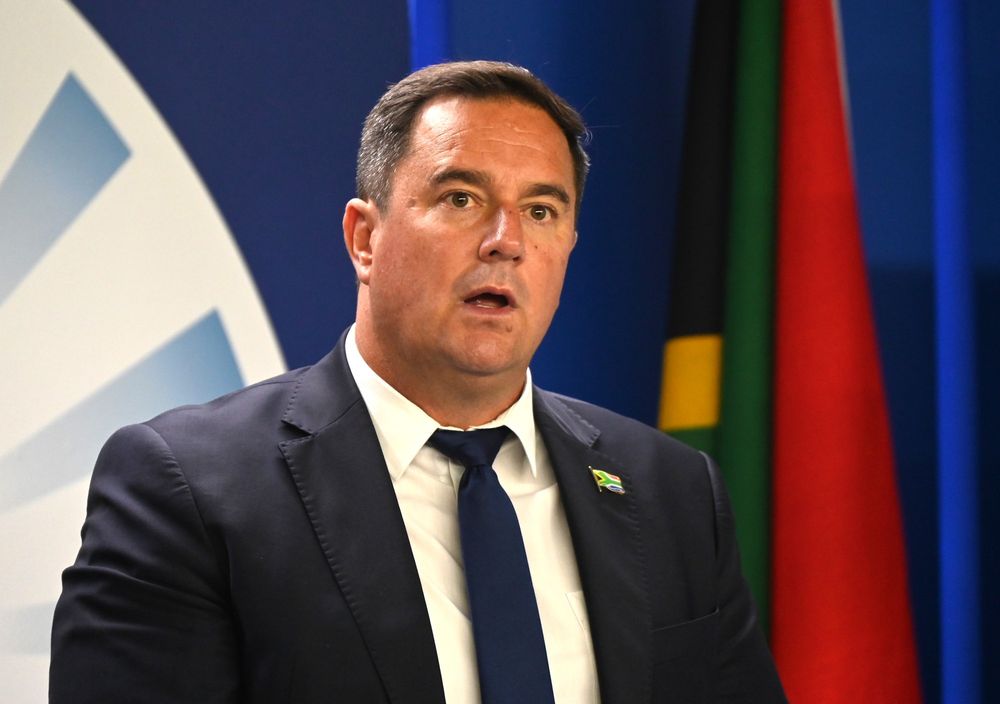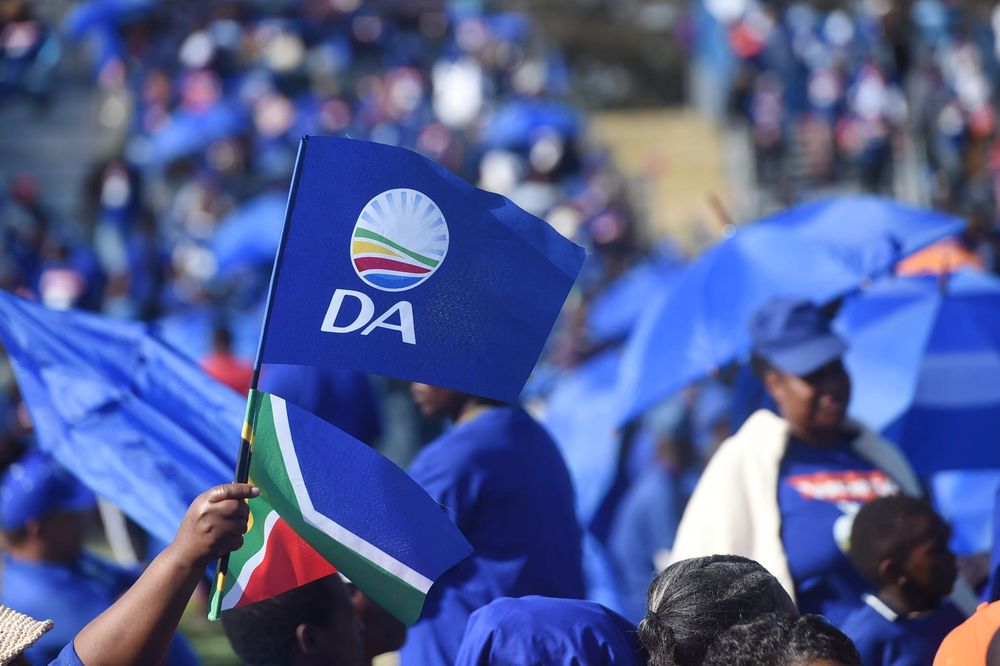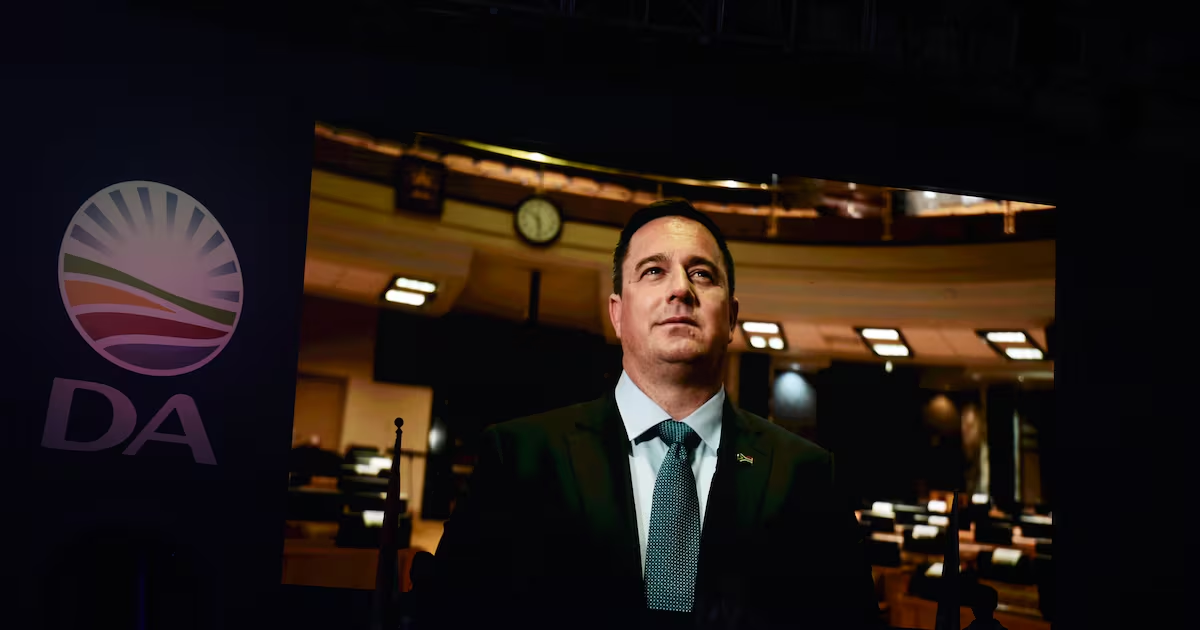
John Steenhuisen is learning one of politics’ oldest lessons: the methods that help you gain power often become the very methods that threaten it.For years, the DA criticised the ANC for allowing factional battles to overshadow governance. It argued that South Africans deserved a government focused on delivery rather than endless internal politics. In many respects they were right: the story of governance has too often mirrored that of the former majority party.Yet today, it is the DA itself that appears consumed by public infighting.The latest tensions surrounding the party’s leadership have once again played out in full view of the public. Rather than resolving disagreements through internal structures, senior leaders have increasingly turned to interviews, public statements and competing narratives to fight political battles.That is not how a governing party should behave.The DA is no longer an opposition party trying to dominate headlines. It is the second-largest party in the GNU and holds six positions in the cabinet. Governing requires discipline, collective responsibility and an understanding that not every disagreement belongs in the public domain.If party leaders have concerns about decisions made by the leadership, there are internal structures designed to deal with them. If there are disagreements over strategy or appointments, those debates should happen around the party’s decision-making tables — not through media campaigns.The public spectacle does little to inspire confidence in a party that has built much of its political brand on stability and competent governance.There is, however, a striking irony to Steenhuisen’s current predicament.The growing pressure around Steenhuisen mirrors, in many respects, the circumstances that surrounded the downfall of former DA leader Mmusi Maimane. During Maimane’s term, internal disagreements repeatedly spilt into public view. Questions about his authority became subjects of public debate, weakening his position long before formal leadership contests emerged.Steenhuisen was the person who ultimately benefited from that period of instability. Whether fairly or unfairly, he became associated with the faction that emerged stronger after Maimane’s departure.Now the political wheel has turned.As Geordin Hill-Lewis’s influence in the party continues to grow, Steenhuisen finds himself confronting many of the same pressures that engulfed his predecessor. Questions about his leadership are no longer confined to internal meetings. They are increasingly being debated in public, with every interview, briefing and leak adding to the perception of a party divided.Politics has little sympathy for those caught in its cycles. Leaders who tolerate — or benefit from — public campaigns against others should not be surprised when similar tactics are eventually directed at them.The DA has every right to have internal disagreements. Healthy political parties should encourage robust internal discussion. But there is an important distinction between internal democracy and public dysfunction.There are national — not just party — ramifications at play. With trust in the democratic process at an all-time low, it is imperative that all major partners in the government of national unity prioritise political maturity.South Africans did not elect the DA to watch it conduct its leadership contests through television interviews and newspaper headlines. They elected it to govern.If the party wishes to present itself as a credible alternative capable of leading South Africa one day, it must begin acting like a governing party rather than a permanent opposition movement.
EDITORIAL | DA must govern, not wage leadership battles in public
Public infighting risks undermining the DA's credibility as a party of government
535 words~2 min read