Story audio is generated using AI
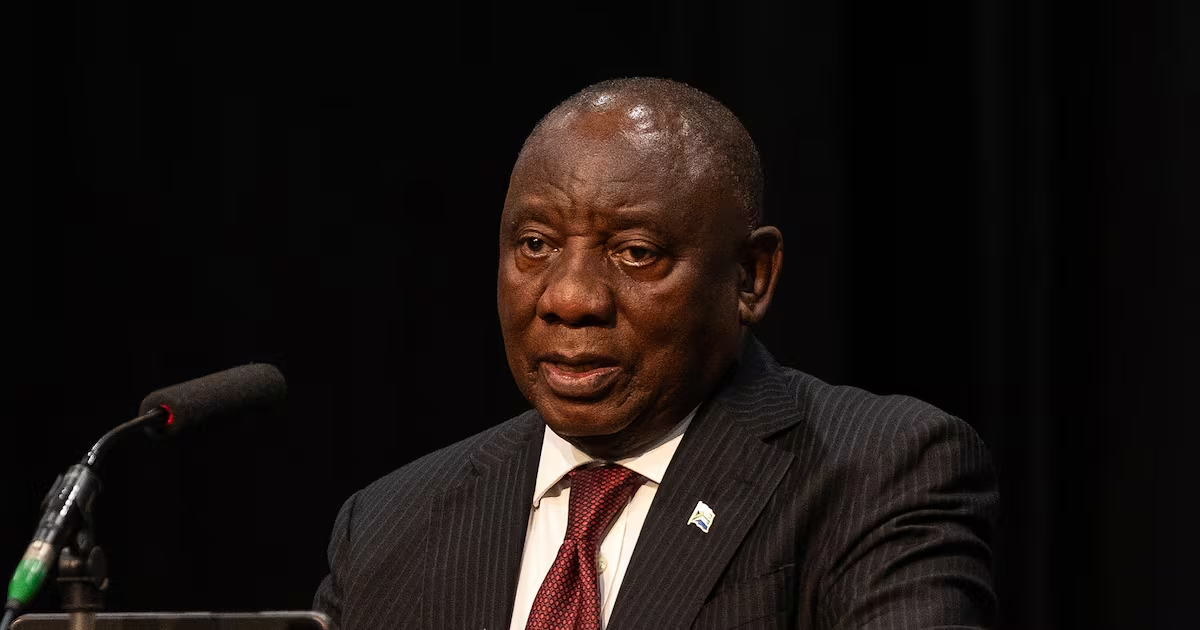
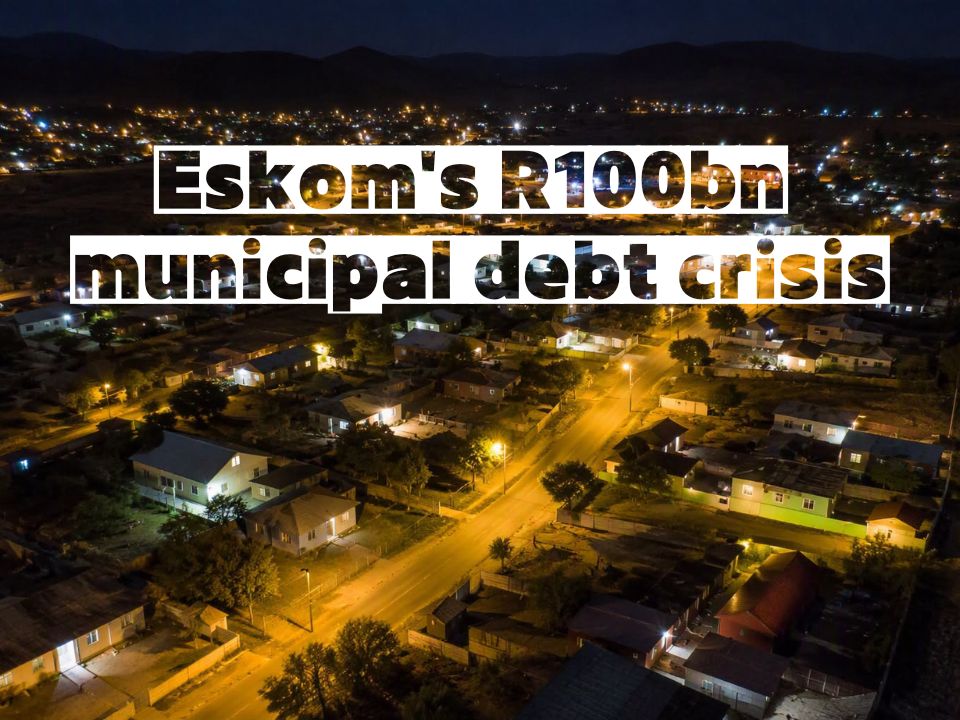
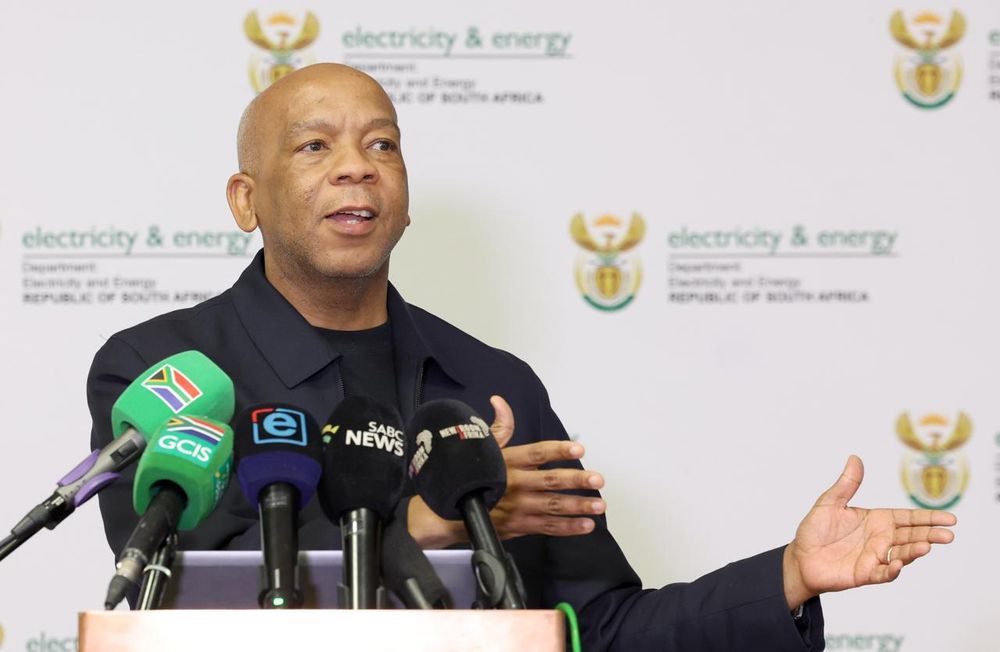
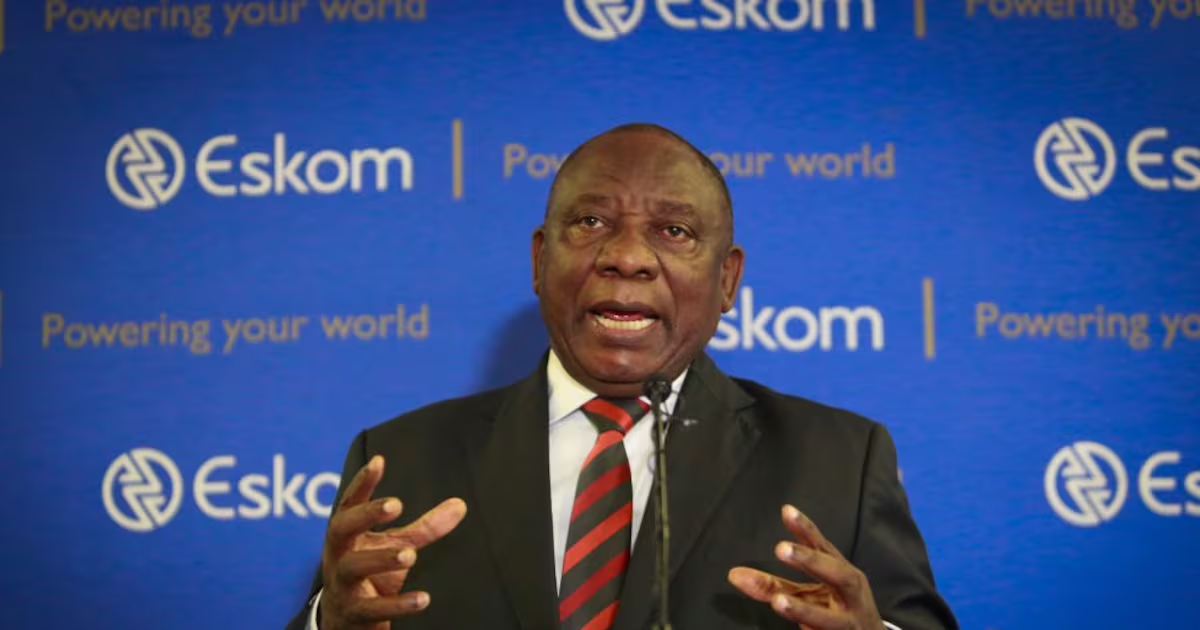
President Cyril Ramaphosa has sought to allay fears that stripping Eskom of its transmission assets as part of the unbundling process first mooted six years ago will leave the utility in a far worse financial position — with municipal debt the next litmus test for a successful unbundling.On Friday the president all but sealed the fate of the transmission assets after months of intense lobbying by Eskom’s top brass to retain ownership, a move that pitted the state power utility against big business formations and led to a public spat last month.Ramaphosa said he has received and studied the report by the National Treasury-led Eskom Restructuring Task Team (ERTT), which he appointed in February to draft a blueprint for the power producer’s unbundling. The task team, chaired by Treasury director-general Duncan Pieterse, was appointed after a failed bid by Eskom — with the support of electricity & energy minister Kgosientsho Ramokgopa — to retain the transmission assets within Eskom.There are concerns among some in Eskom’s corridors that the establishment of an independent transmission system operator (TSO) to own the National Transmission Company of South Africa (NTCSA) assets will undermine Eskom’s financial viability.However, the presidency said on Friday that the report reflects a “clear and unified vision” across government to establish an independent TSO, which will be separated from Eskom.“The TSO is a key enabler of a successful competitive wholesale electricity market that is expected to deliver reliable and cost-effective electricity. This reform will support higher rates of economic growth, investment and job creation.“There will be clear delegation of authority from Eskom to the NTCSA of all decision-making related to the market, financial and operational ring-fencing of the NTCSA from Eskom. Decisions on access to the transmission network are to be relocated to the NTCSA and eventually to the TSO. This includes cases in which connections are at the distribution level but have implications for the market or transmission network.”Under the framework, Eskom Distribution will retain a grid access unit to manage connections to its distribution network “where projects connect at this level”.The more than R100bn debt owed by municipalities to Eskom, which is projected to top R300bn by 2030 if not reined in, has been highlighted as a key risk facing Eskom’s unbundling. Ramaphosa said this was considered by the ERTT, which ultimately concluded Eskom’s restructuring is feasible “in line with international best practice and can be done in a manner that does not compromise Eskom’s financial sustainability”, but that tackling the ballooning municipal debt is key to achieving it.“The ERTT has proposed that a working group develop a consolidated action plan, encompassing all initiatives aimed at arresting the growth in municipal arrears and identifying those to be scaled up and accelerated,” the president said. “Such initiatives include stronger enforcement of credit controls; rolling out smart meters and distribution agency agreements; and stricter licence enforcement, as well as the continued implementation of the municipal debt relief programme, metro trading services reform and the electricity distribution industry reform roadmap.”The NTCSA has the mammoth, capital-intensive task of building 14,000km of new high-voltage transmission lines over the next decade to accommodate new renewable generation and stabilise the national grid, at a cost estimated at R440bn. The TSO is also expected to guarantee nondiscriminatory access for all electricity generators, a central condition for genuine competition.Last month Business Leadership South Africa (BLSA) and Eskom chair Mteto Nyati had a public fallout over the fate of the transmission assets. Nyati said pressure was being brought to bear on the political class by BLSA and Business Unity South Africa to have the transmission assets leave Eskom’s bosom.BLSA CEO Busisiwe Mavuso clapped back at Nyati, accusing him of trying to reverse a decision taken by the president long ago that Eskom’s transmission assets would be housed in an independent entity as part of its historic breakup.In June ratings agency Moody’s highlighted the business and credit risks associated with stripping Eskom of the transmission assets, which account for nearly 40% of its core earnings. The agency said while the unbundling of transmission activities is a priority, there are risks to execution and if the process is botched it could be credit negative for Eskom.Ramaphosa said the ERTT has highlighted immediate measures that must be taken towards the unbundling of Eskom, including the independence of the NTSCA as well as internal ringfencing of the NTCSA’s different licensed activities. “In addition, first steps will be taken toward unbundling tariffs, clarifying the payment waterfall within the restructured market environment, and developing mechanisms to insulate market participants from nonpayment,” the president said.“The proposals to strengthen NTCSA’s independence during the interim period until the TSO is established include various requirements to ensure good governance and strengthened regulatory oversight.“Directors serving on the Eskom board will not be appointed to the board of the NTCSA or serve on the boards of both the NTCSA and Eskom. The appointment of the CEO and senior management of NTCSA will be the sole responsibility of the NTCSA board.”Eskom on Friday said it notes the public communication by the president. “Eskom notes the emphasis in the ERTT’s phase I report on implementing the establishment of the TSO in a manner that does not compromise Eskom’s financial sustainability and on addressing the growth of municipal arrear debt, both of which are important considerations for Eskom as they speak to Eskom’s long-term financial viability and sustainability.”Business Day