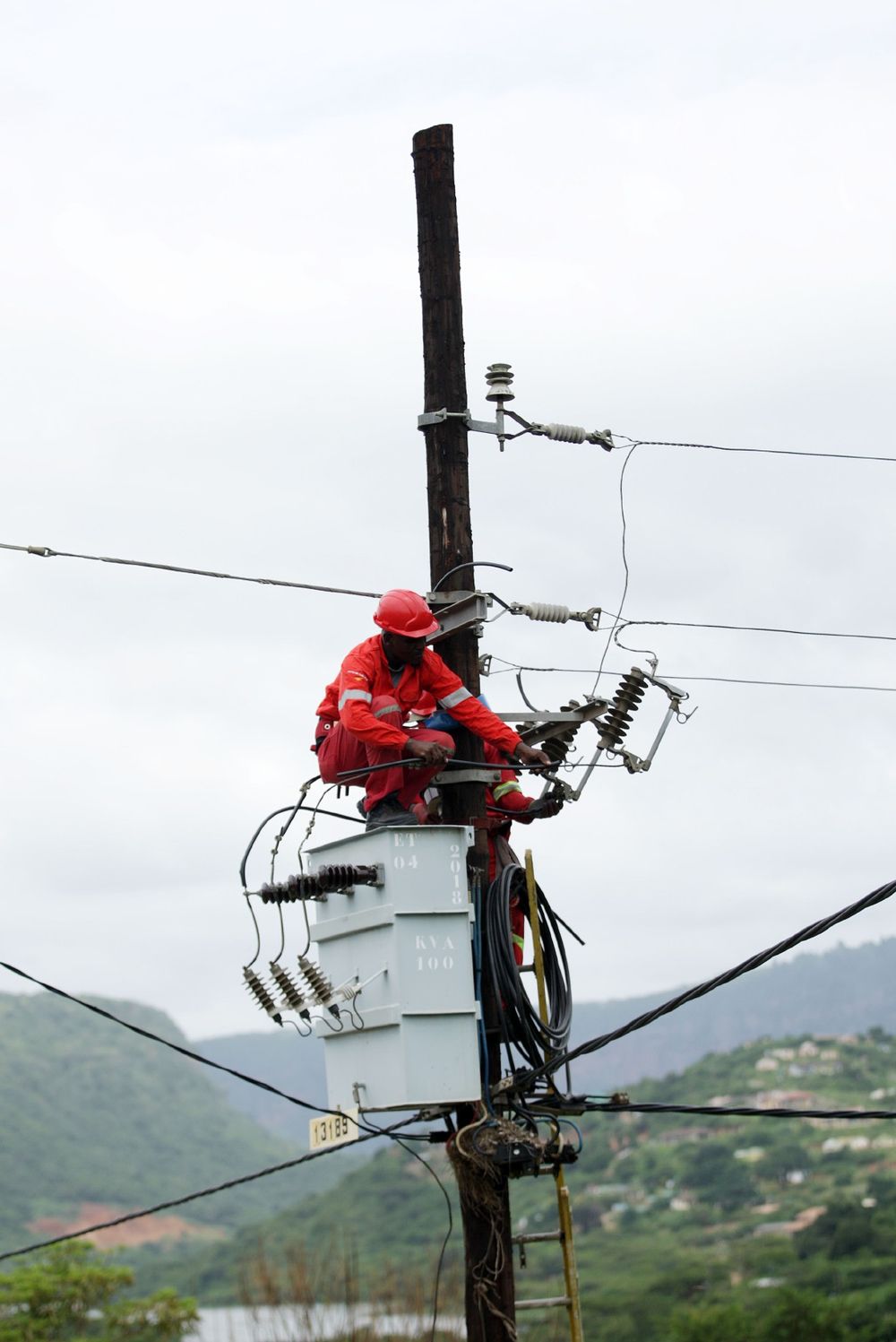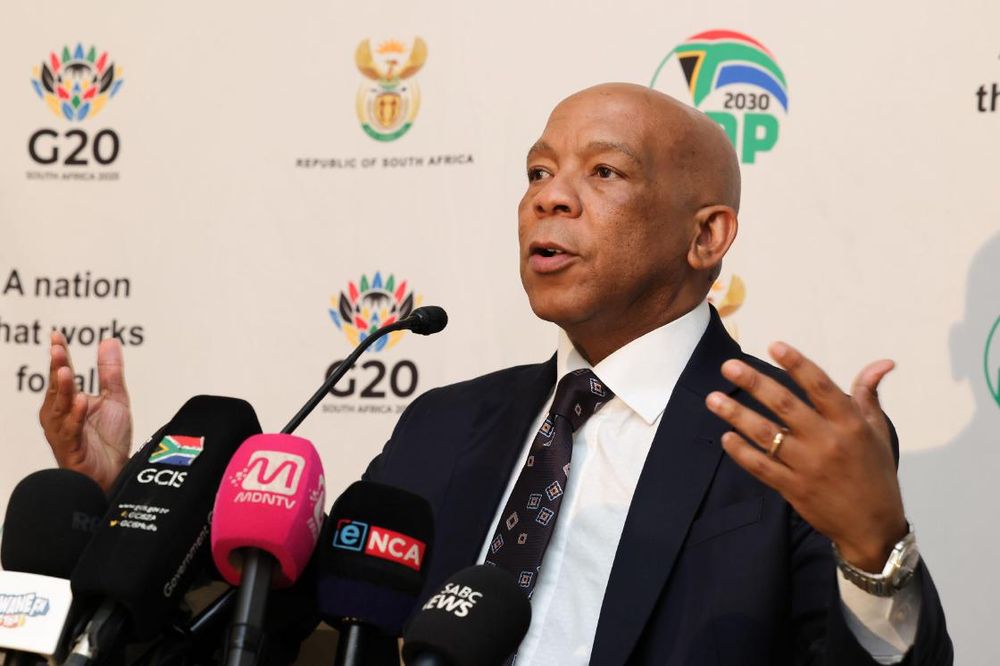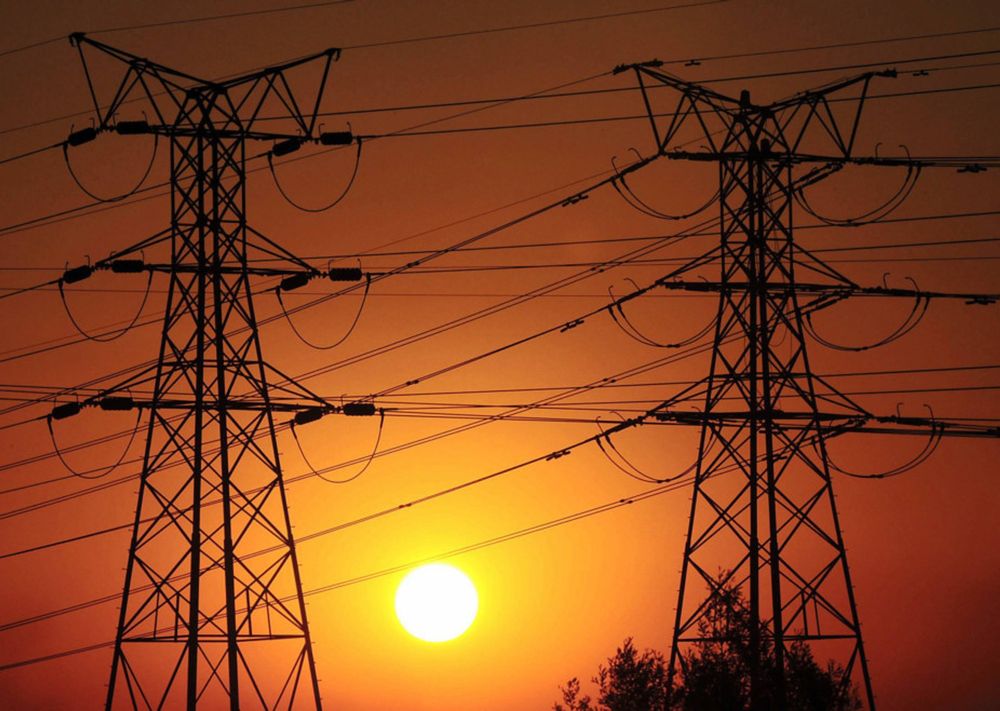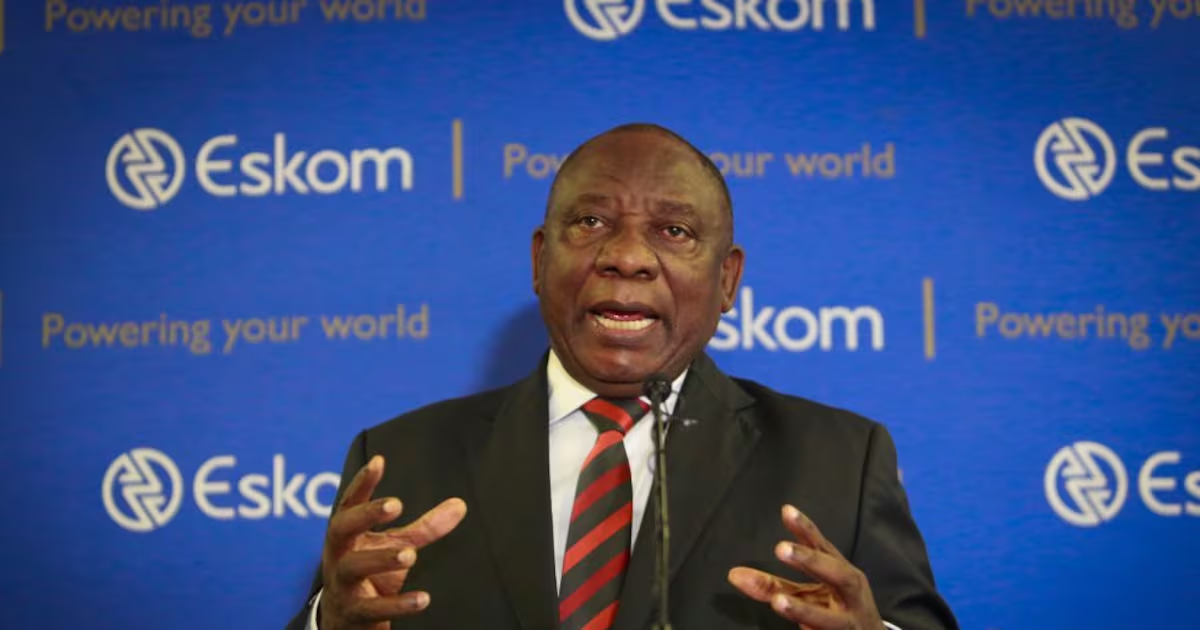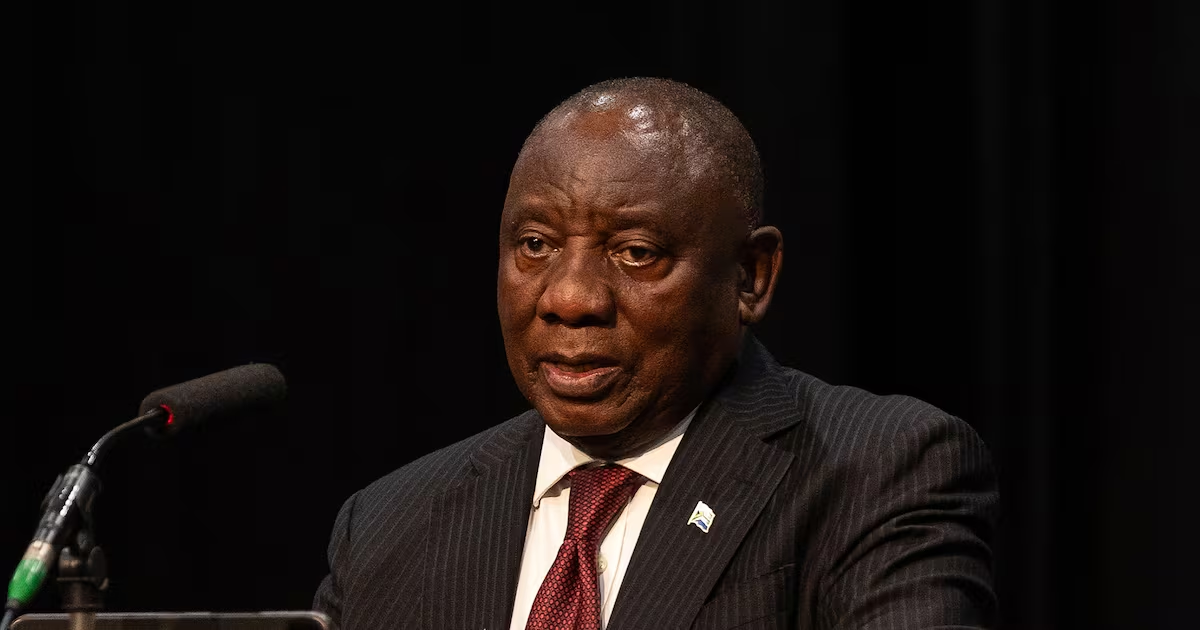
The task team established by President Cyril Ramaphosa to craft a plan to unbundle Eskom’s transmission assets has asked for more time to complete its work, with ratings agencies warning of execution risks that might lead to a downgrade of the power producer.In one of the biggest energy reforms in a generation, Ramaphosa gave the task team ― led by National Treasury director-general Duncan Pieterse ― three months to deliver an implementation plan to establish a fully independent, state-owned transmission system operator (TSO) that will own and control the country’s transmission assets.Business Day understands that the eagerly awaited high-level report was supposed to have been presented to the president last week but will now land on his desk at month-end. The president is eager to put forward a coherent plan that will not leave Eskom in a worse financial position.Eskom tried and failed to revise its unbundling strategy and retain ownership and control of the transmission assets, which raked in more than R35bn in core earnings in the 2025 financial year. Ramaphosa has insisted on the assets being separated from the utility to make room for nondiscriminatory access to the grid.Eskom asserts that retaining ownership of the transmission assets would provide strategic certainty for lenders and bondholders and support financial stability.The discarded revised plan was at odds with the commitment made by Ramaphosa in 2019 to split Eskom into three units responsible for transmission, distribution, and generation.Ratings agency Moody’s on Friday highlighted the business and credit risks associated with stripping Eskom of the transmission assets, which account for nearly 40% of its core earnings.The agency said while the unbundling of transmission activities is a priority, there are risks to execution and if the process is botched it could be credit negative for Eskom.“Further separation of NTCSA [National Transmission Company South Africa] from Eskom will, in our view, be complex to implement. The transfer of transmission grid assets and cashflows would likely also weaken Eskom’s business risk profile. Credit quality could be significantly impaired absent mitigating factors,” the agency said in a credit opinion.“The ultimate impact on Eskom’s creditors, whose consent would be required to avoid a breach of terms, will depend on the specifics of the proposed corporate and debt reorganisation in the context of applicable tariff frameworks and cash collection.“We could downgrade Eskom’s ratings if the company’s liquidity were to weaken and this was not mitigated by additional government support. Downward rating pressure could also develop if it appeared likely that the planned unbundling process increased the risk to Eskom’s creditors and this was not offset by greater government support.”Fitch, a peer of Moody’s, said execution risks could further delay the process.“A full carve-out of the transmission business from Eskom would affect its business risk assessment and cash flow generation profile.”Eskom owns and operates about 403,000km of power transmission and distribution lines. Business Day understands that Ramaphosa wants the task team to present a plan that addresses measures required to ensure the independence of the NTCSA during the period before the TSO is established.The NTCSA has a mammoth, capital-intensive task of building 14,000km of new high-voltage transmission lines over the next decade to accommodate new renewable generation and stabilise the national grid — at a cost estimated at about R440bn.The president’s spokesperson, Vincent Magwenya, said the office will provide an update on the work of the task team “soon”.Eskom spokesperson Daphne Mokwena said the company continues to support the task team. Having accepted its fate, Eskom has now started a process to hire consultants to assist its treasury unit to assess the funding implications and credit considerations the move to separate the NTSCA from the group will have on the company.“Eskom is progressing the separation of the NTCSA, which will have an impact on the group’s funding structure, debt profile and lender arrangements. The transaction requires detailed assessment of funding implications, lender engagement, and credit considerations,” Mokwena said.“The Eskom treasury requires specialised advisory support to assist with funding analysis, lender engagement and credit impact assessment associated with this process.“The scope is focused on supporting the treasury across funding strategy, lender-investor engagement and credit rating impact assessment, with embedded valuation and financial modelling to inform funding decisions, debt capacity and market positioning arising from the NTCSA transaction.”
Ramaphosa extends deadline for Eskom’s grid-split plan
Task team was given three months to deliver unbundling plan for transmission assets
707 words~3 min read