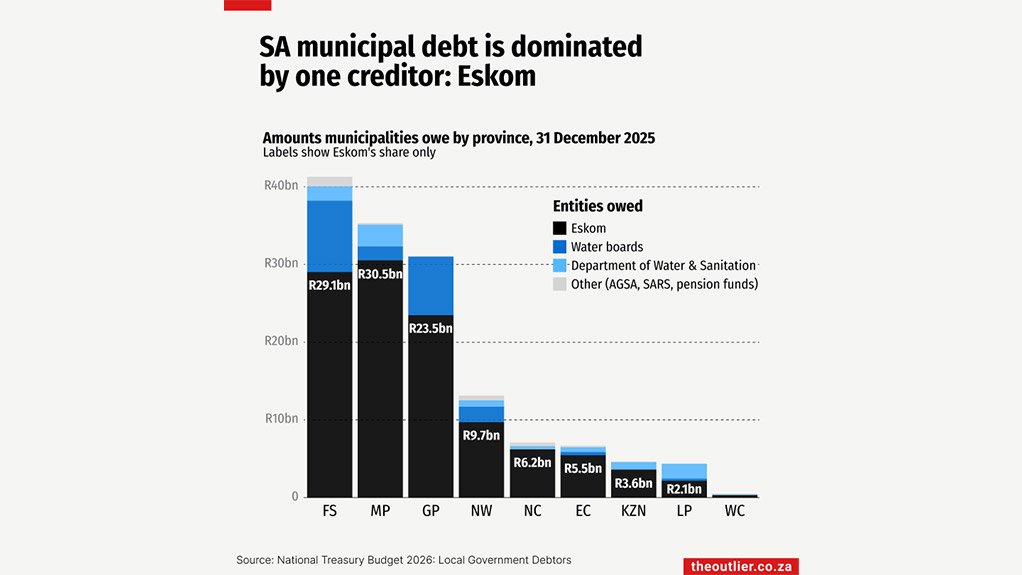
During a recent joint meeting of the portfolio committees on electricity and energy and cooperative governance and traditional affairs , it became clear there is some sympathy for Eskom when it comes to the issues of nonpayment by municipalities.
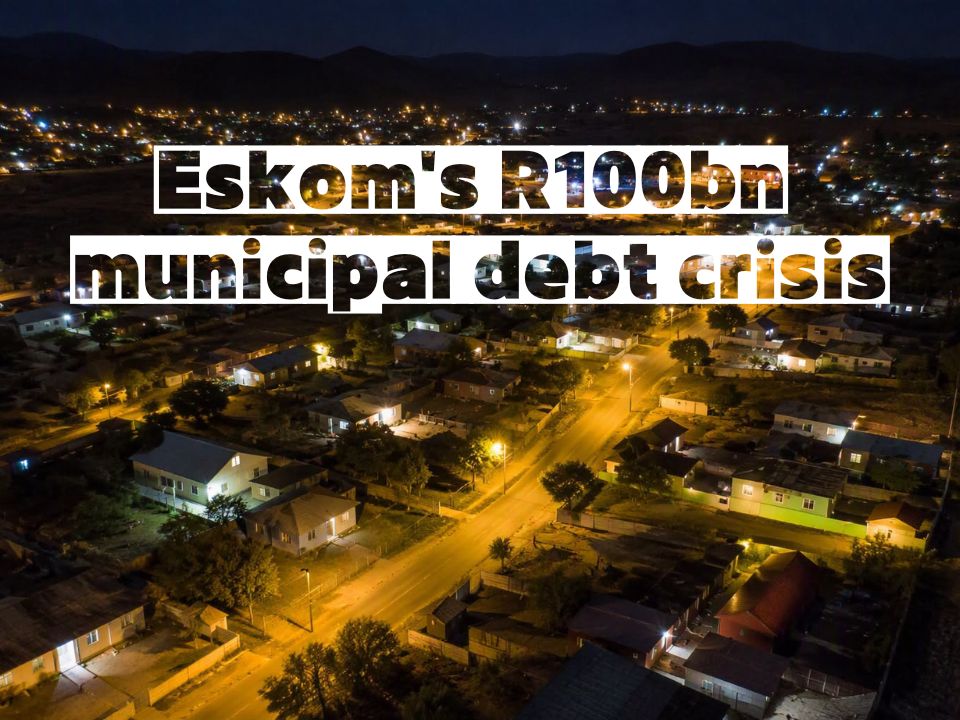
The problem is large, with Eskom confirming that the backlog now stands at more than R114-billion, while warning that it could exceed R300-billion by 2030 if left unchecked and will threaten its financial turnaround.
Those committee members who naturally still mistrust the State-owned utility owing to its myriad of past governance and operational failings, and who often express hostility towards the executives appearing before it, chose instead to direct their ire towards those representing local government.
There was, thus, not much real debate on Eskom and government’s current preferred instrument for dealing with the problem: Distribution Agency Agreements (DAAs).
Through DAAs, a municipality’s electricity business is fully ring-fenced, and billing and revenue collection are conducted by Eskom for five years. The idea is to ensure that Eskom’s current account is kept up to date, while injecting skills and resources to improve revenue collection and network operation.