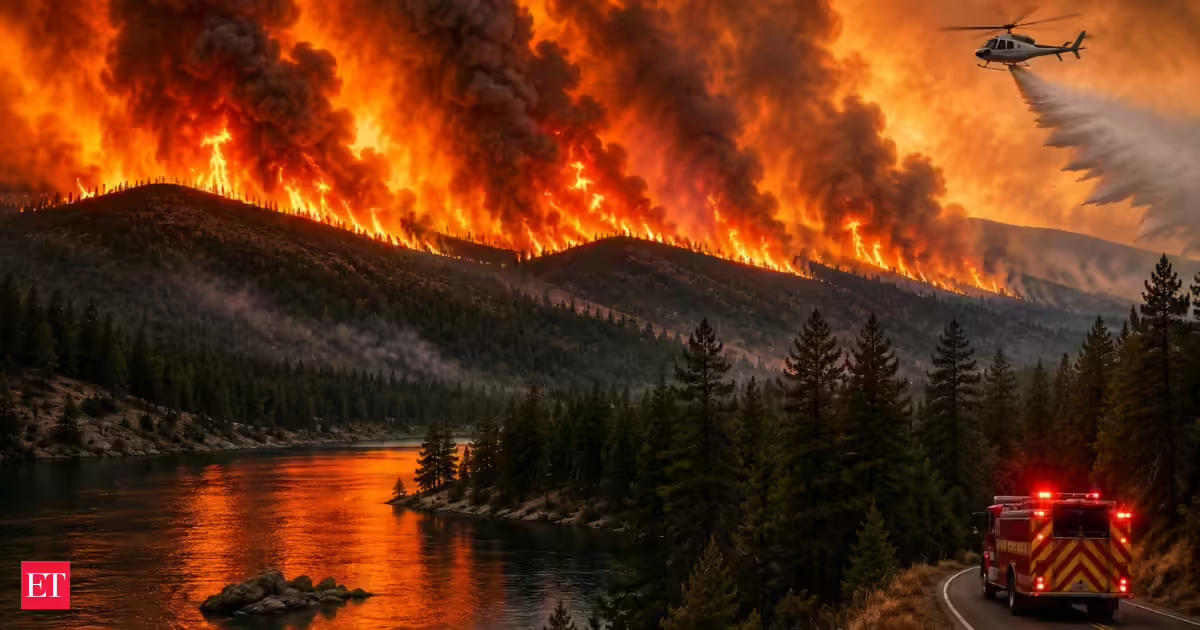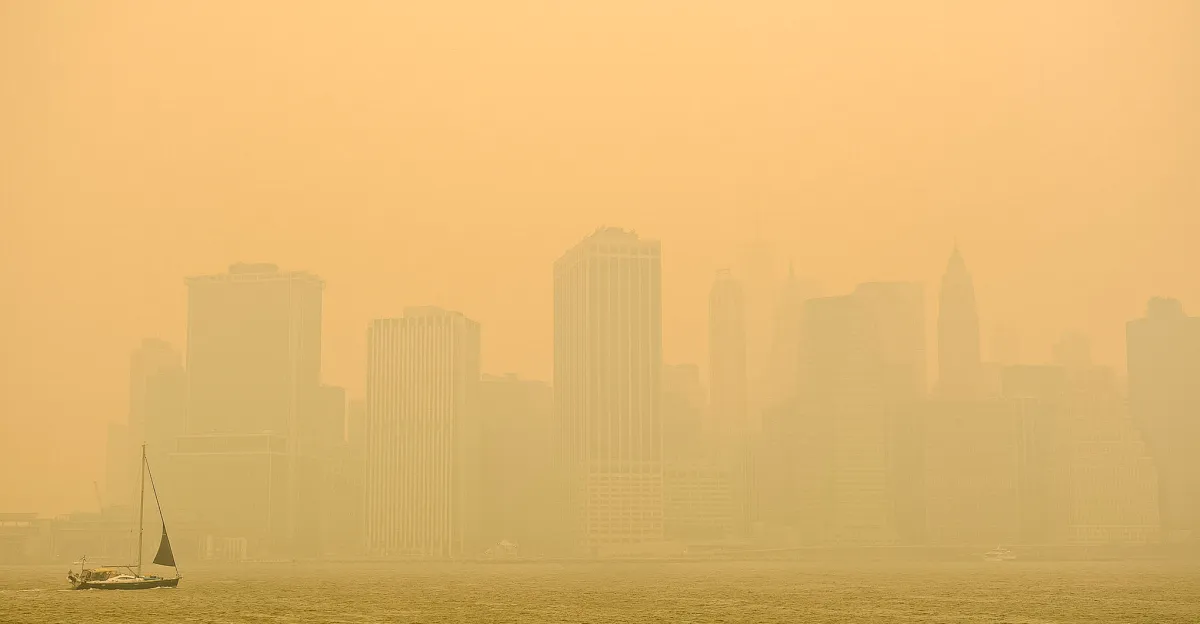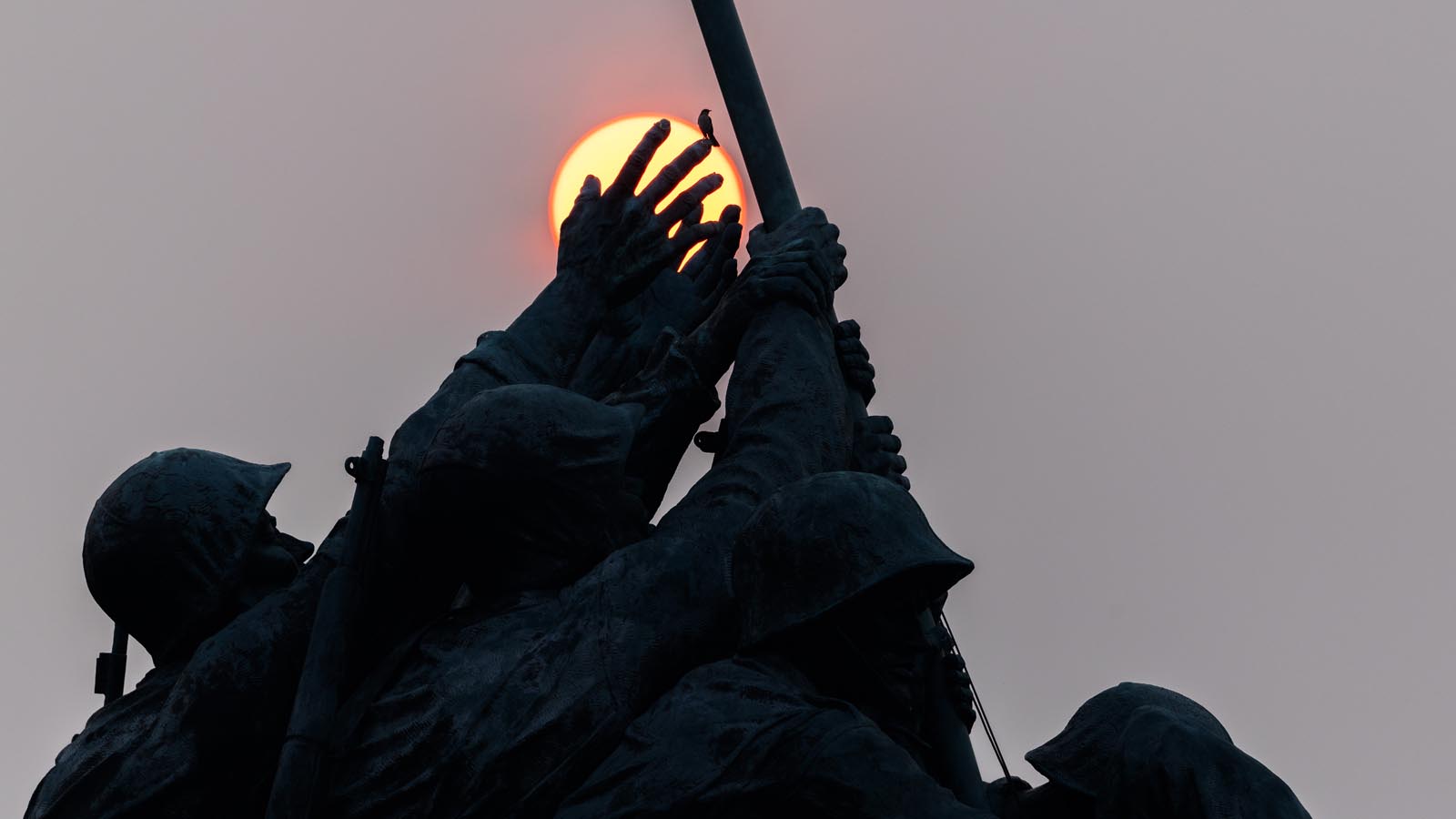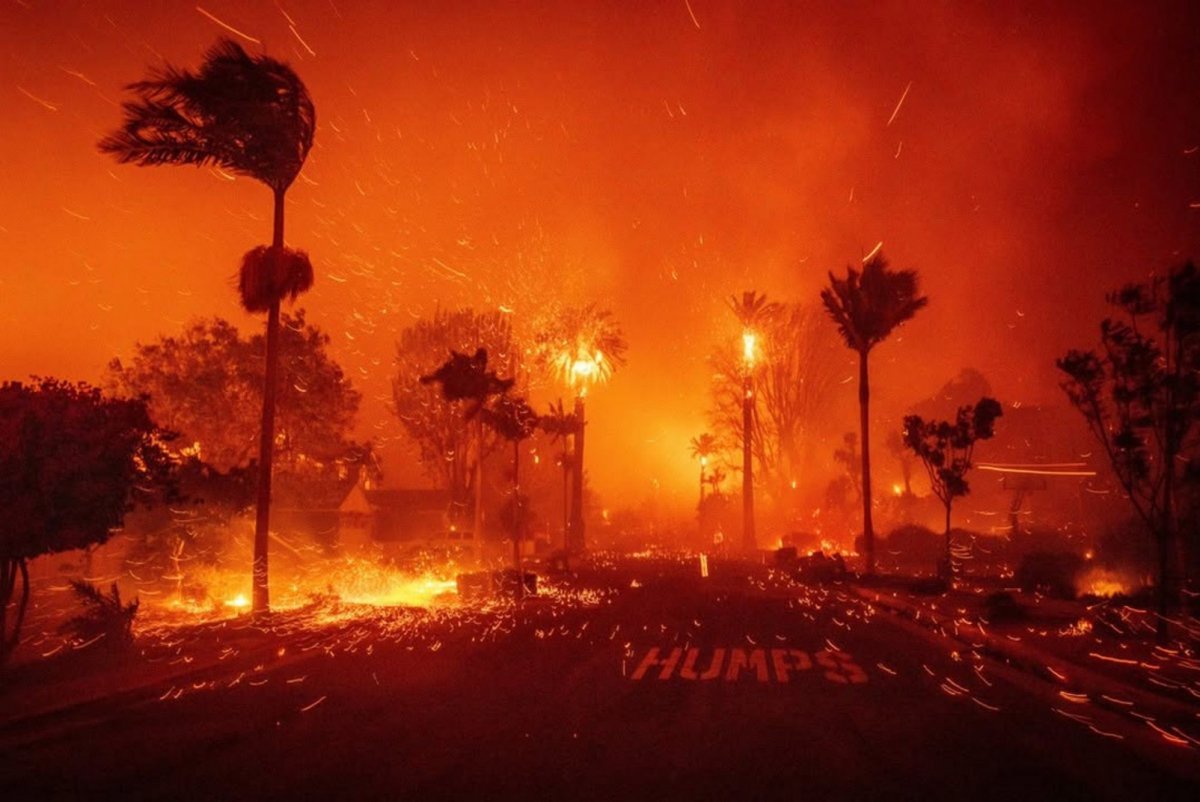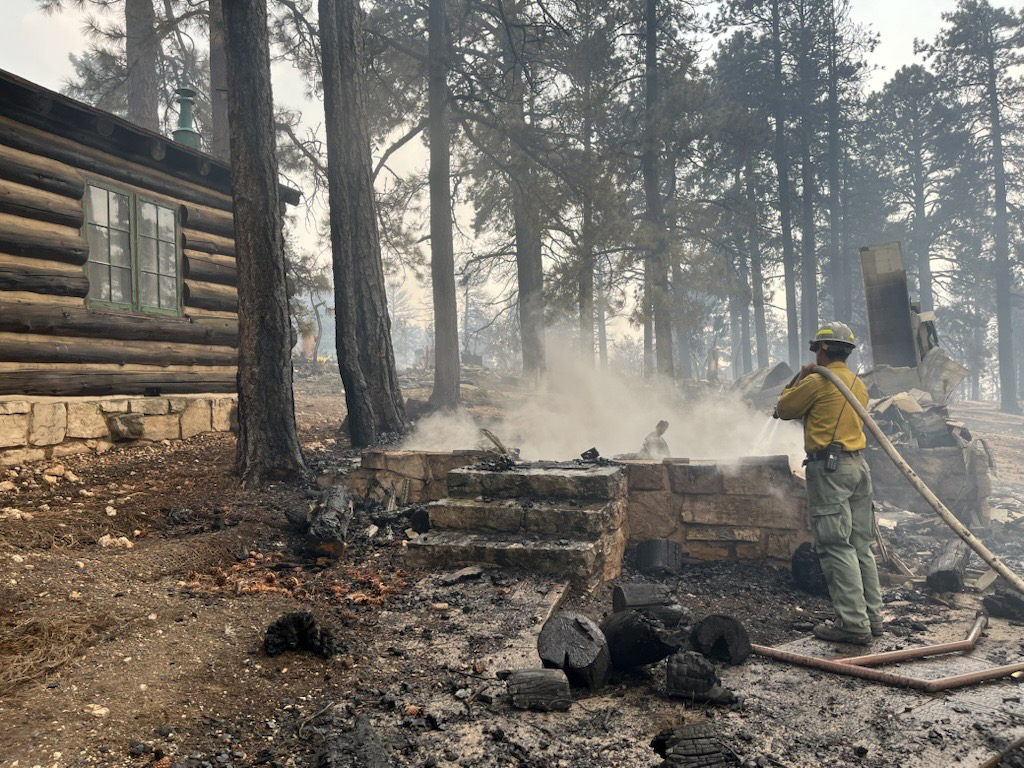
Climate-fueled wildfires could scorch many of the sites that shape America’s cultural identity.
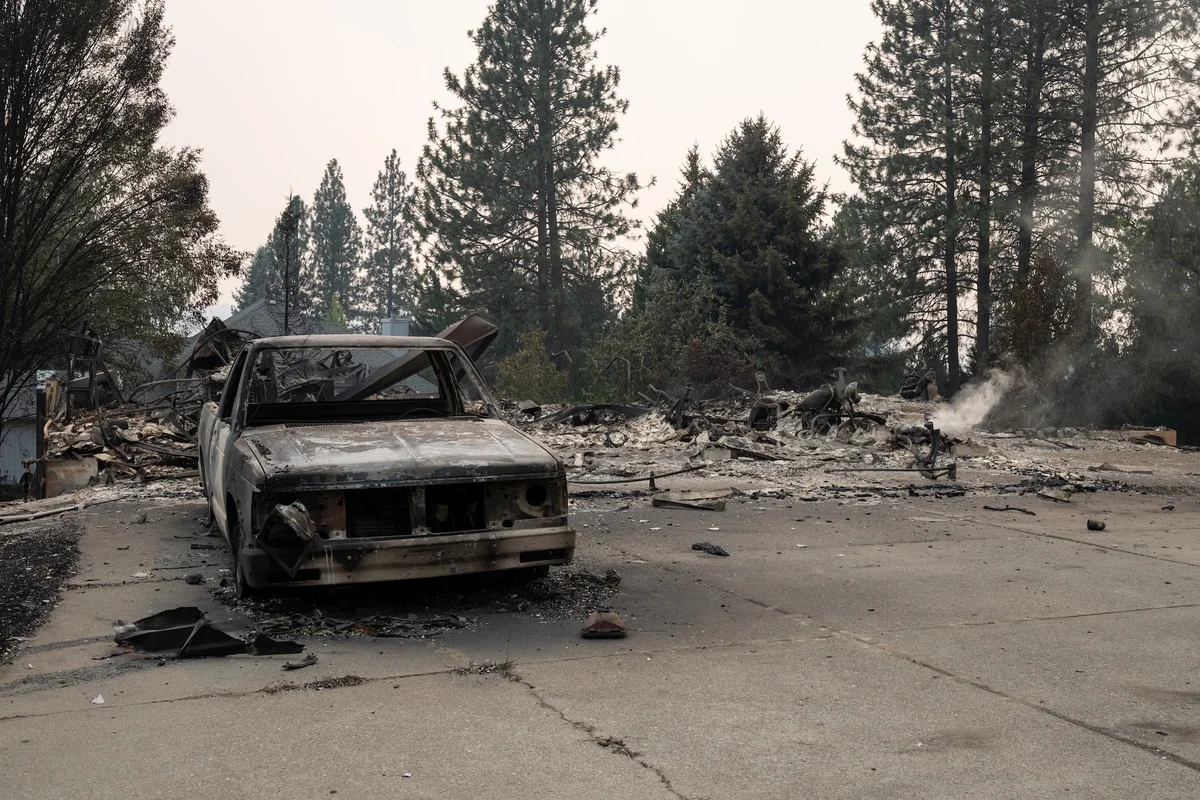
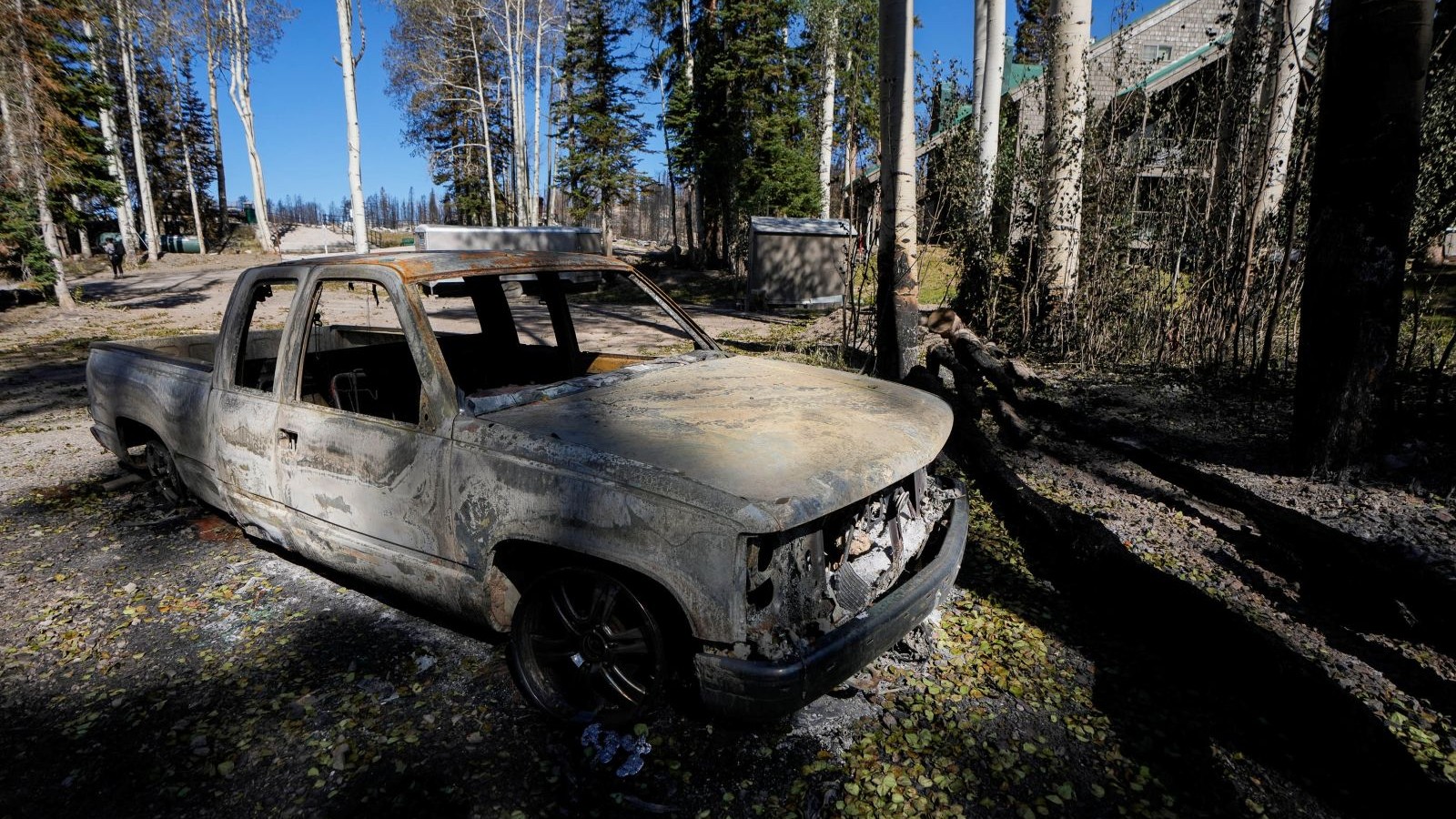
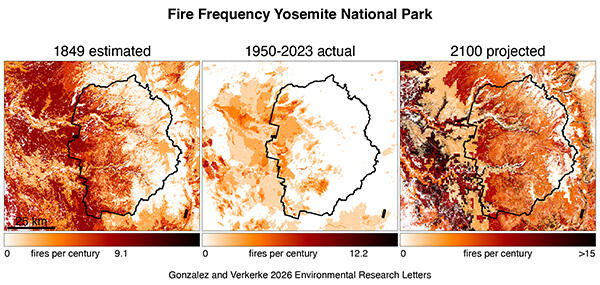
A study published in May found wildfire risk threatens the majority of sites designated by the federal government as historically significant, from centuries-old homes to cherished churches and cemeteries. A separate forward-looking study published last week found worsening climate change could substantially ramp up average potential fire frequency in four of California’s national parks by the end of the century, under a worst-case emissions scenario.
The researchers say this data could help park and site managers better protect these places from flames. However, as experts sound the fire alarms for iconic American sites, the Trump administration is on a mission to remove mentions of climate change from many of these places.
History in the Line of Fire
Managed by the National Park Service, the National Register of Historic Places is the country’s official list of local, state and national landmarks “worthy of preservation,” according to the agency’s website. The inventory includes a sprawling hodgepodge of special sites, from the candy-cane-striped Sapelo Island Lighthouse in Georgia that served as a beacon for mariners about a century ago to the unusual row of eucalyptus trees along a side street road in Carmel Valley, California, planted more than 140 years ago.