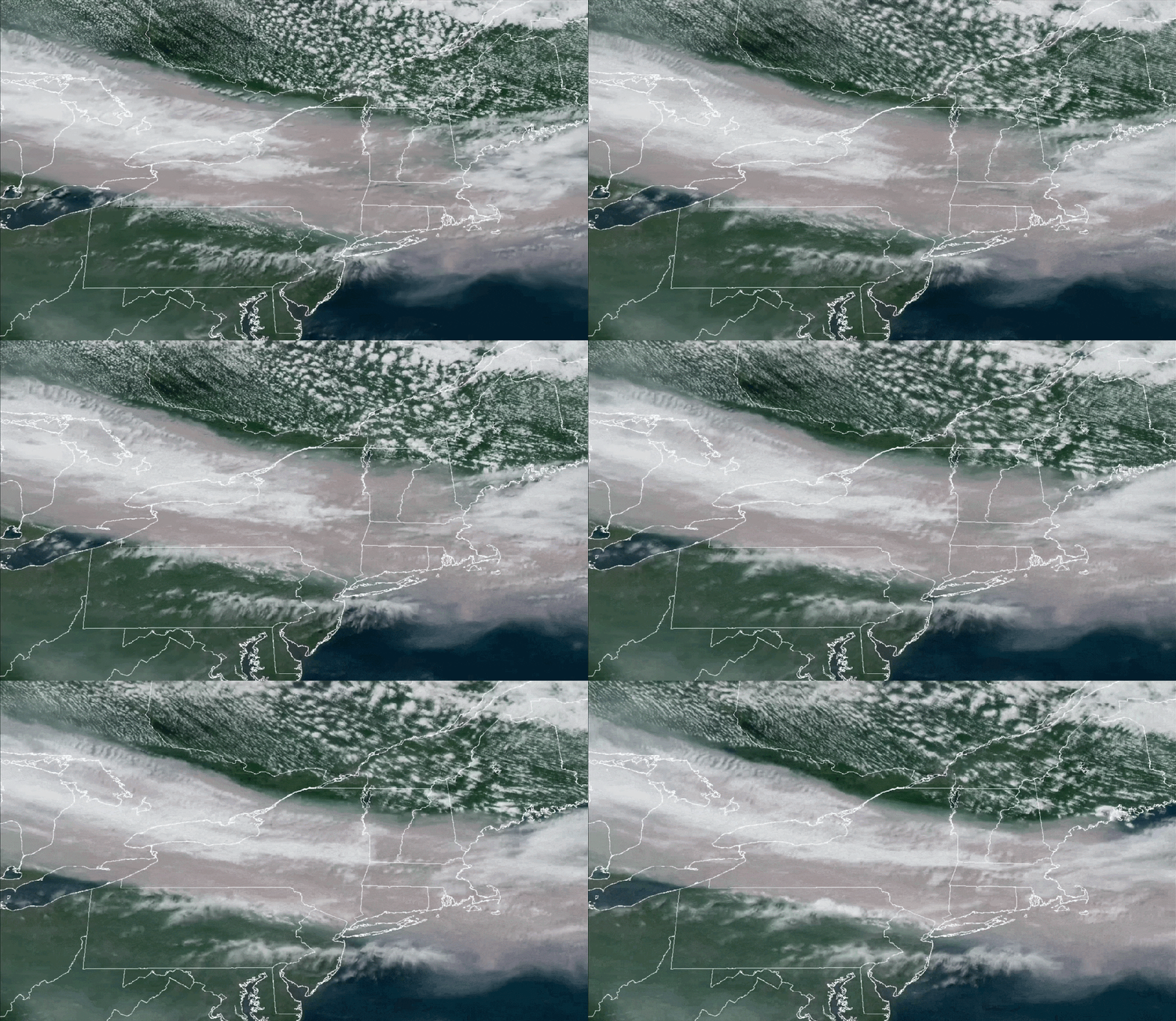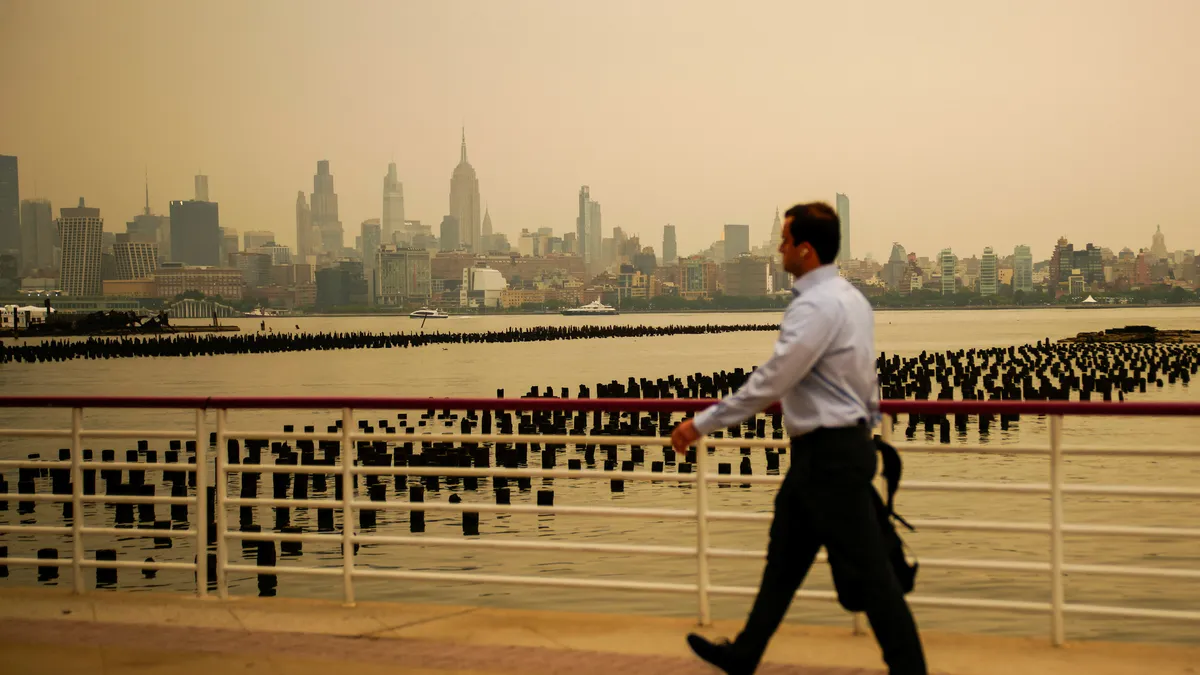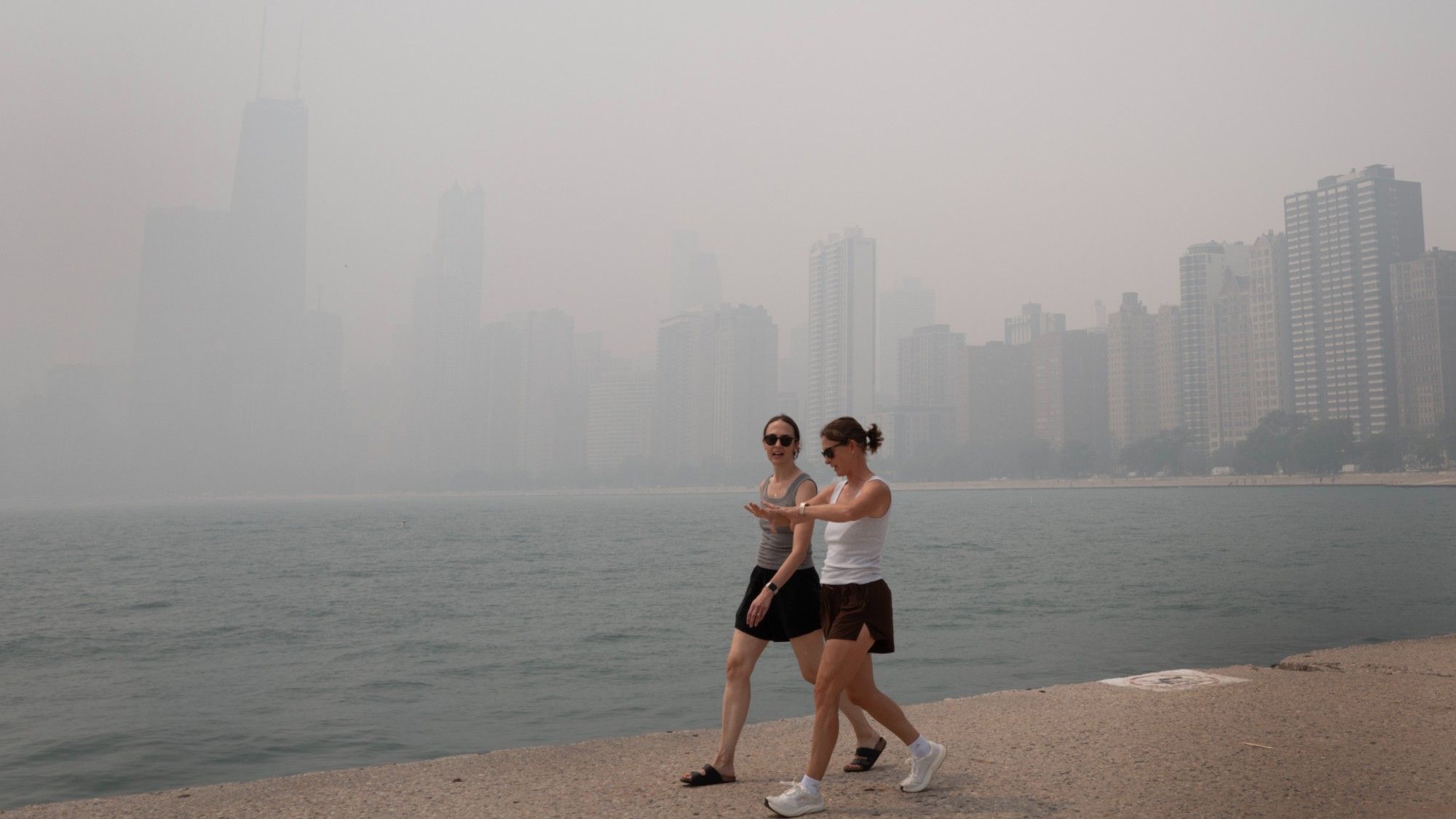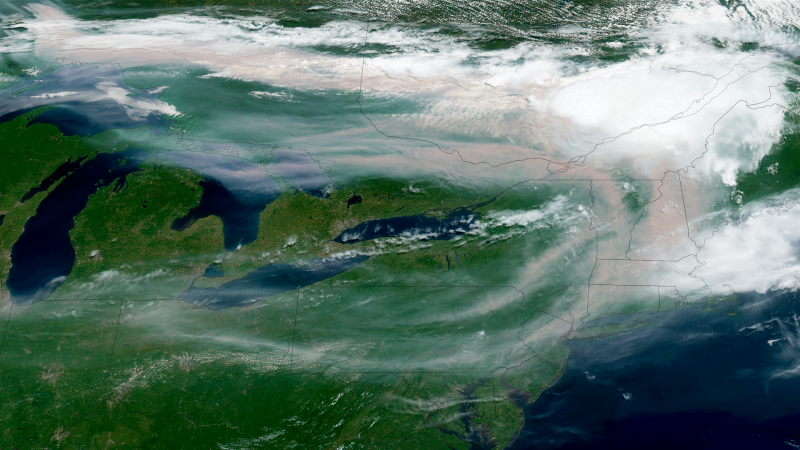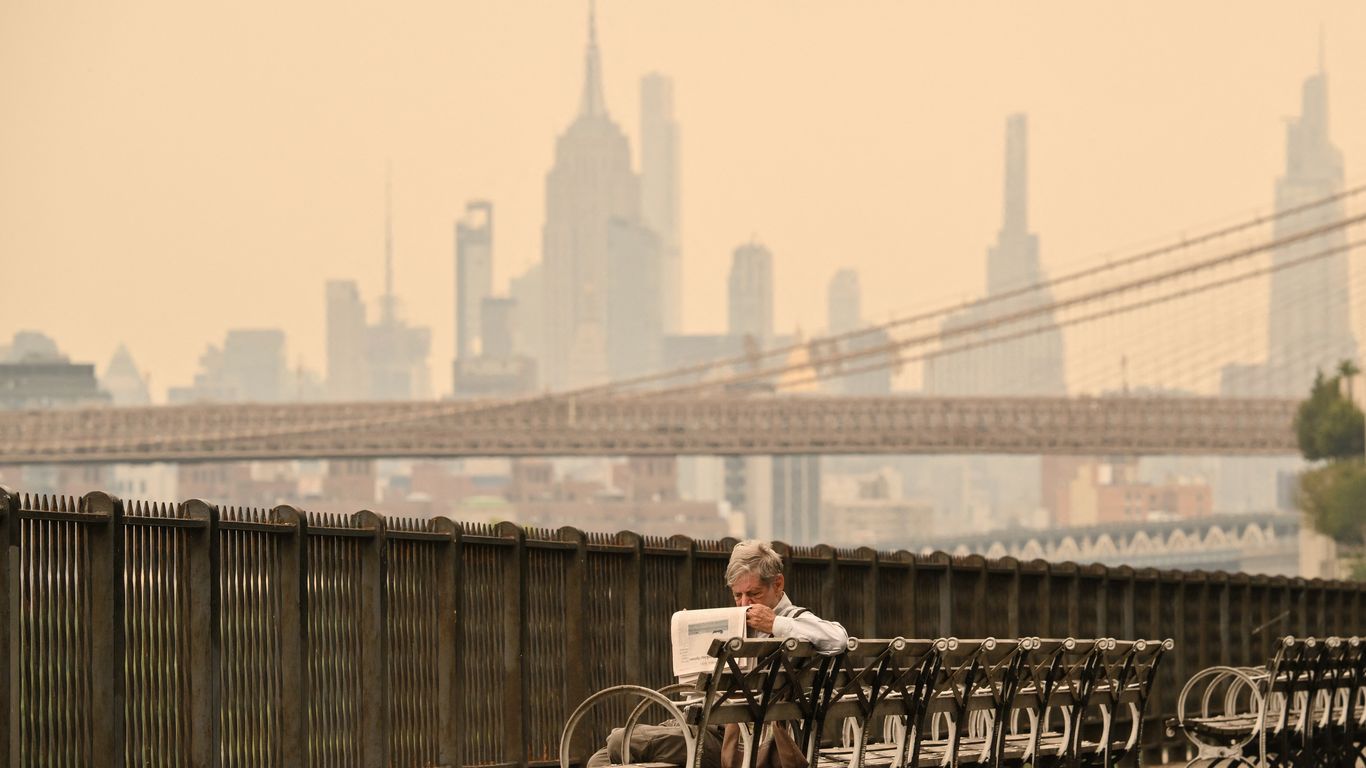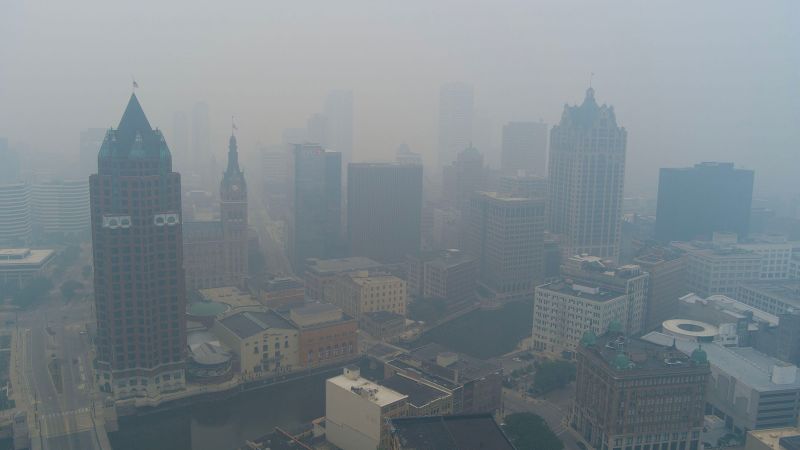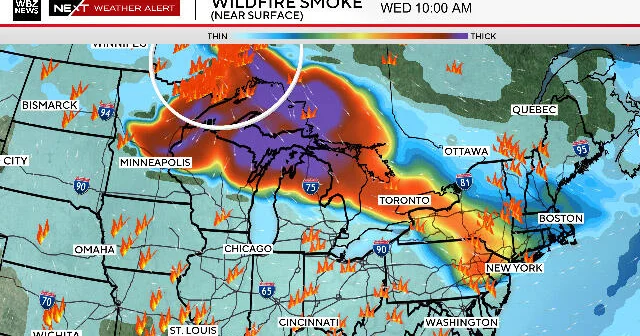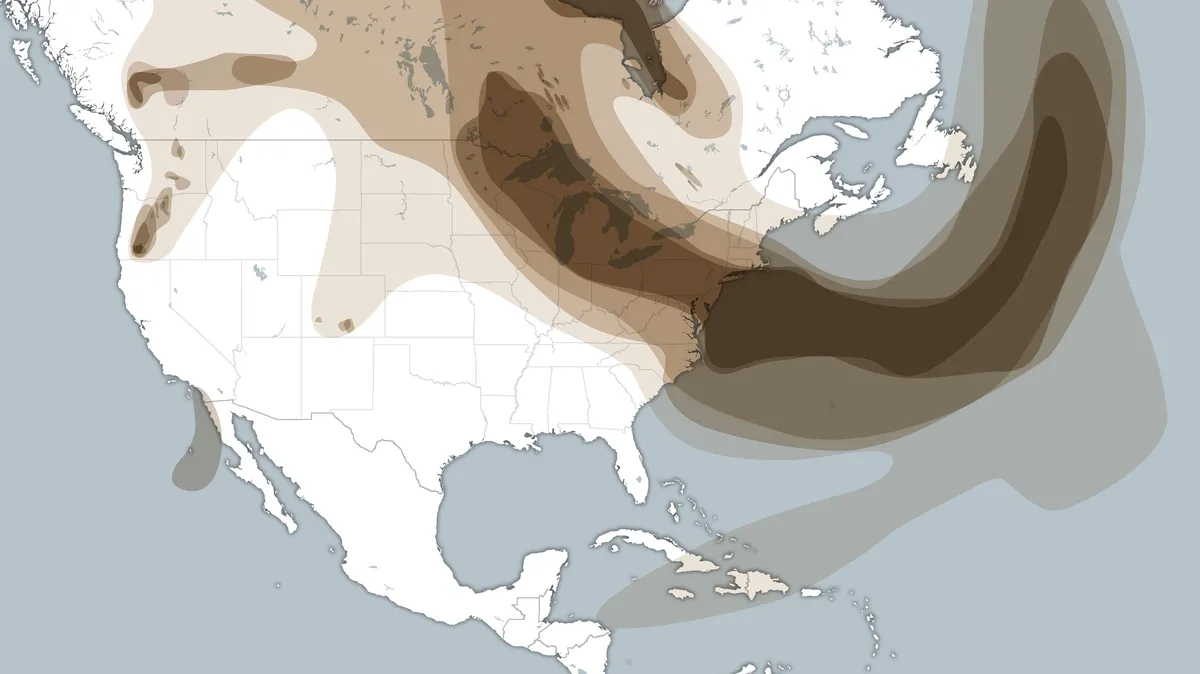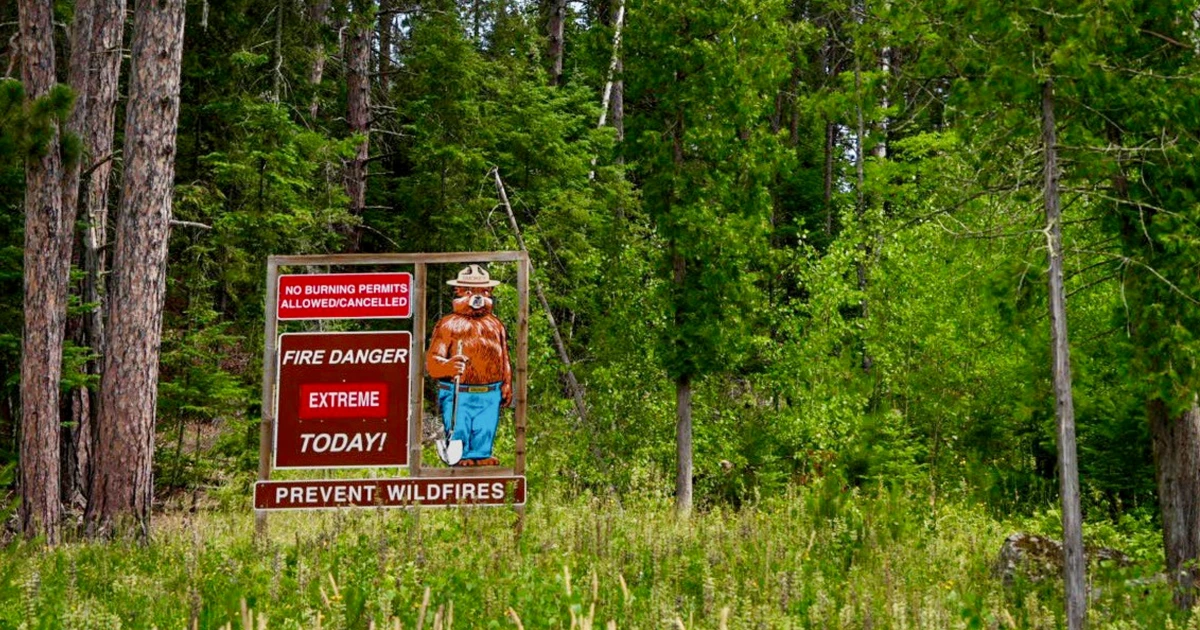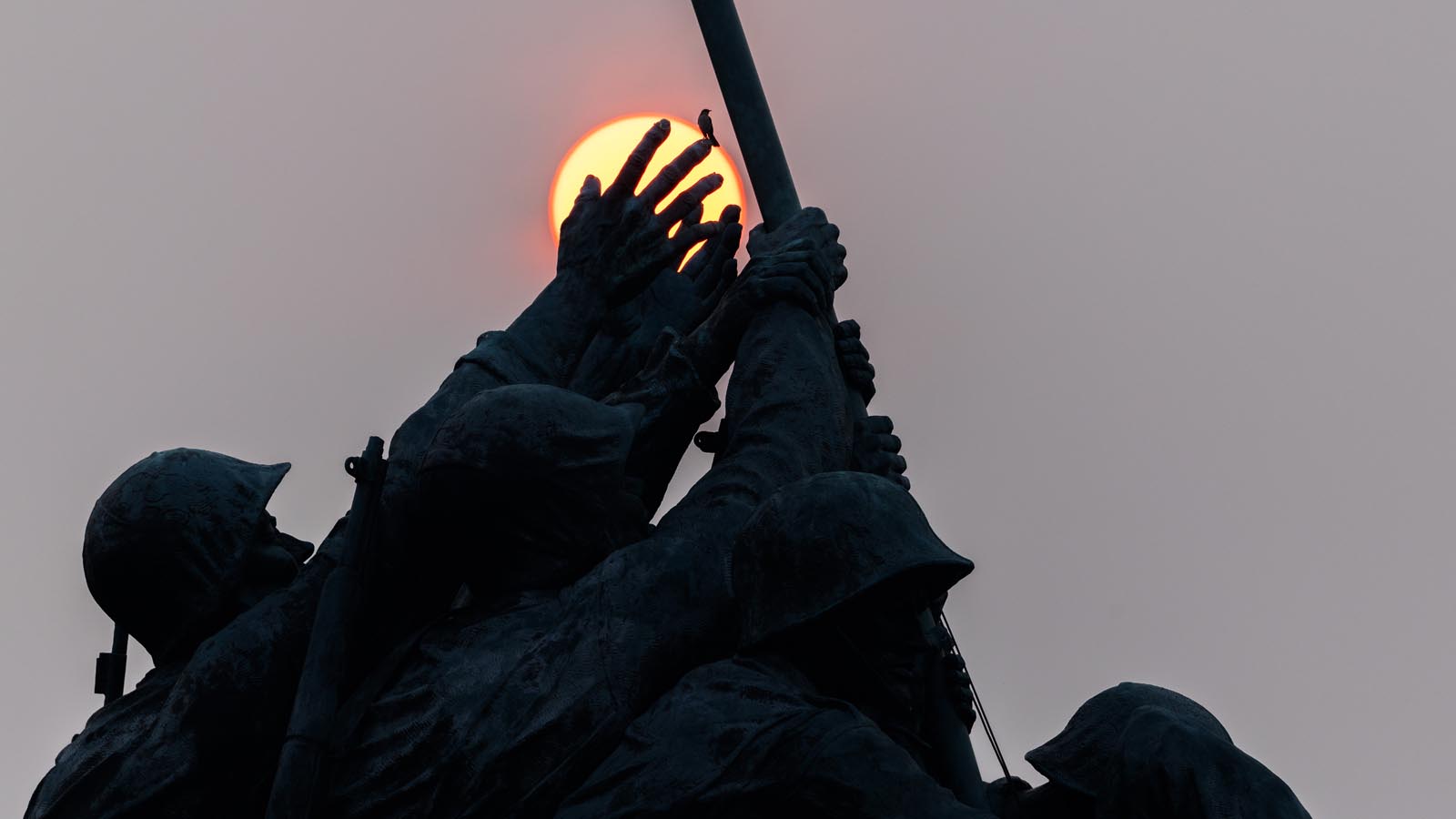
As climate change bakes forests across North America, dense smoke from dozens of out-of-control wildfires burning in northern Minnesota and adjacent portions of Ontario is blanketing tens of millions of people with hazardous pollution.
The fires are bringing the worst air quality on record to much of the Great Lakes, mid-Atlantic, and Northeast United States. Pollution from small particles called PM2.5 — the fine particles less than 2.5 microns in diameter are the primary air pollution killers — has been far into the “Hazardous” range across five states since Wednesday morning.
The award for worst air in the nation on July 16 went to the city that has in the past billed itself as a climate haven: Duluth, Minnesota. The city’s 24-hour air quality index, or AQI, for PM2.5 particle pollution hit 934, over three times the threshold for “Hazardous” pollution. This shattered Duluth’s previous all-time AQI record of 159 set July 20, 2021. EPA pollution records go back to 1999.
The award for worst air in the nation on July 16 went to the city that has in the past billed itself as a climate haven: Duluth, Minnesota. The city’s 24-hour air quality index, or AQI, for PM2.5 particle pollution hit 934, over three times the threshold for “Hazardous” pollution. This shattered Duluth’s previous all-time AQI record of 159 set July 20, 2021. EPA PM 2.5 pollution records go back to 1999.