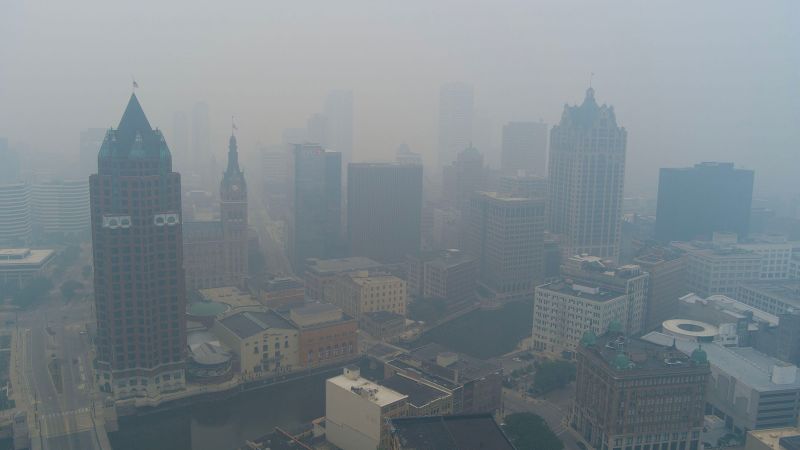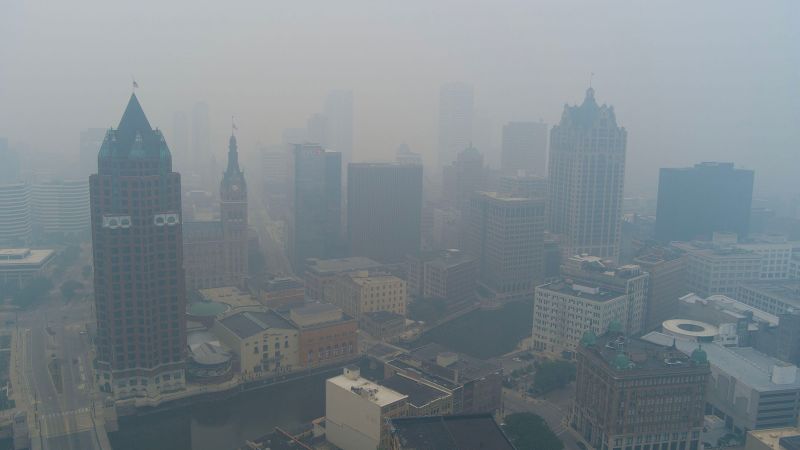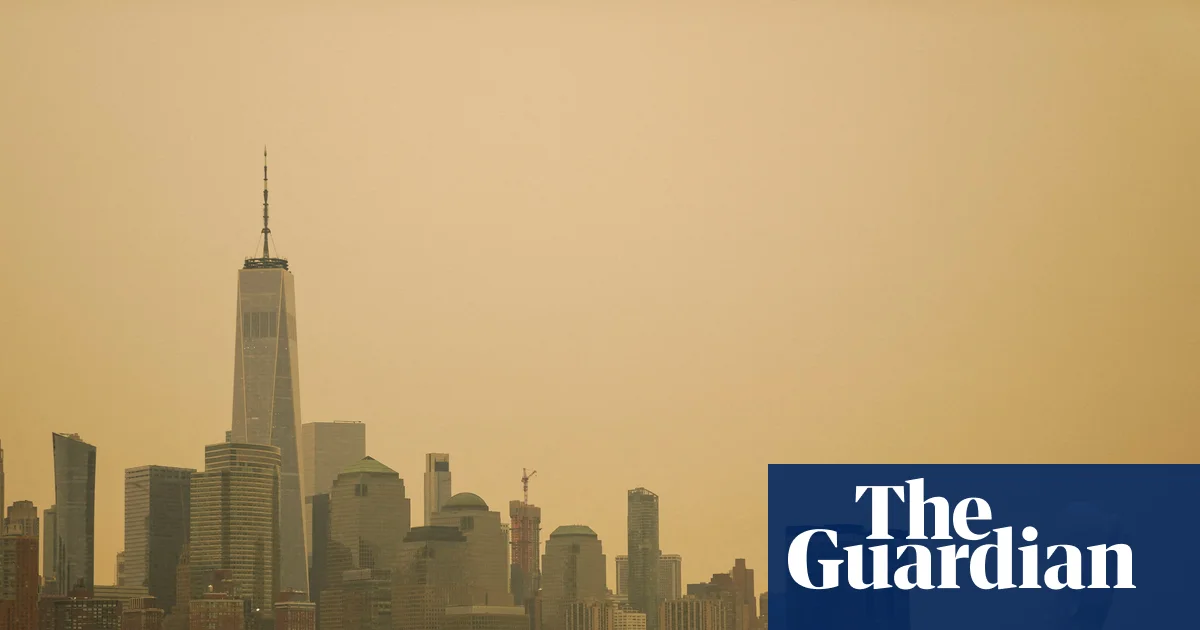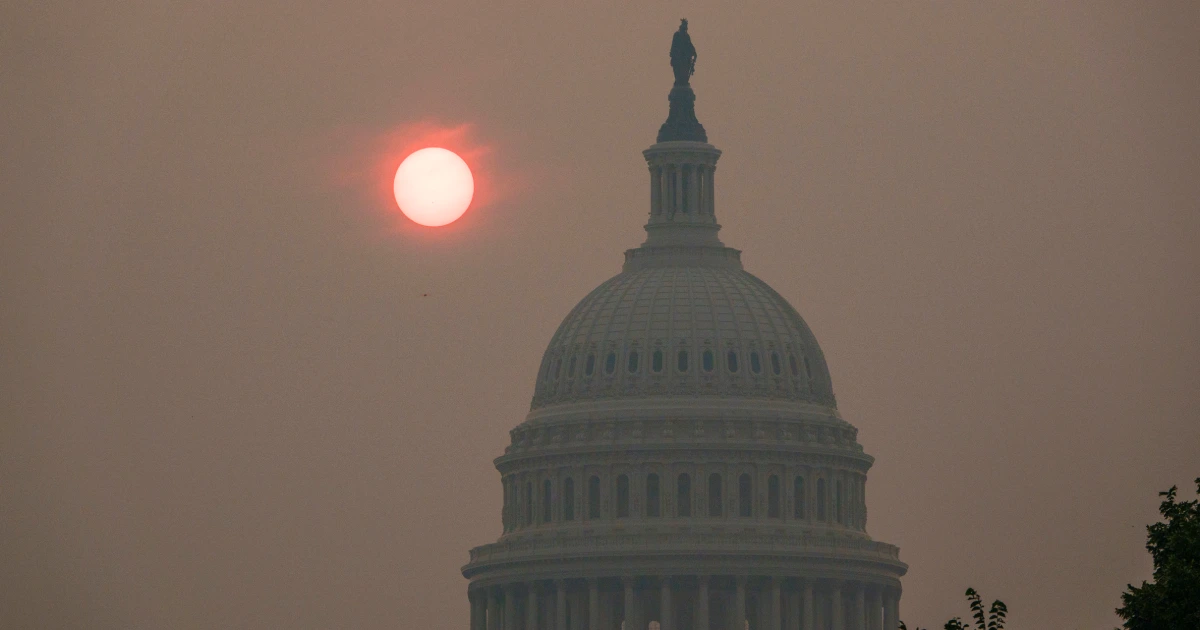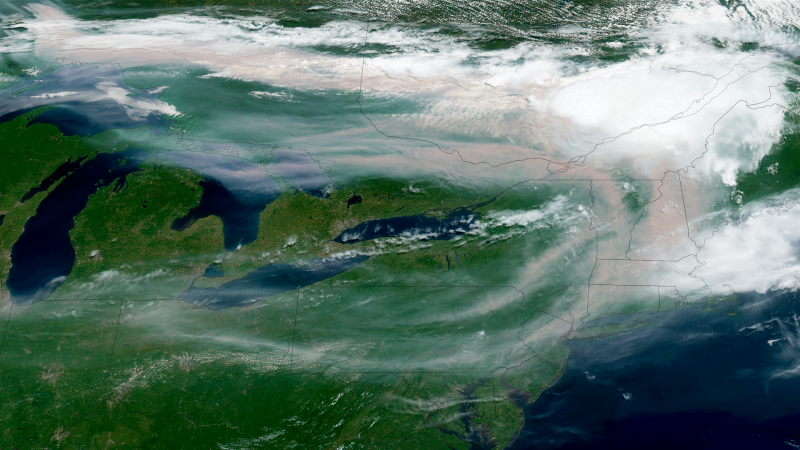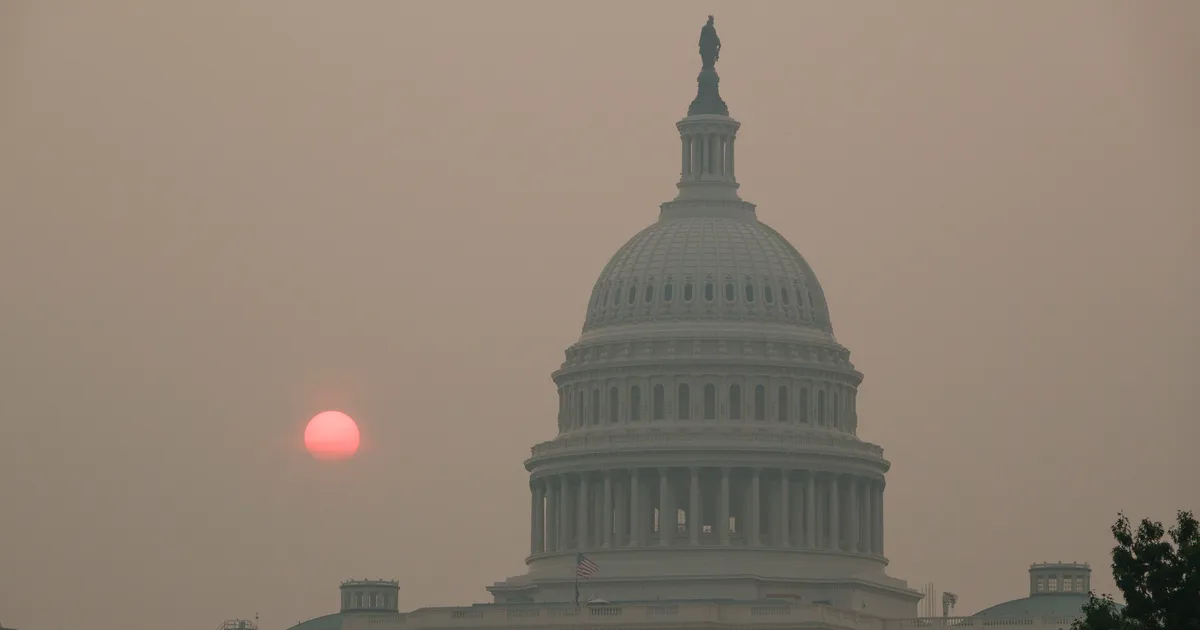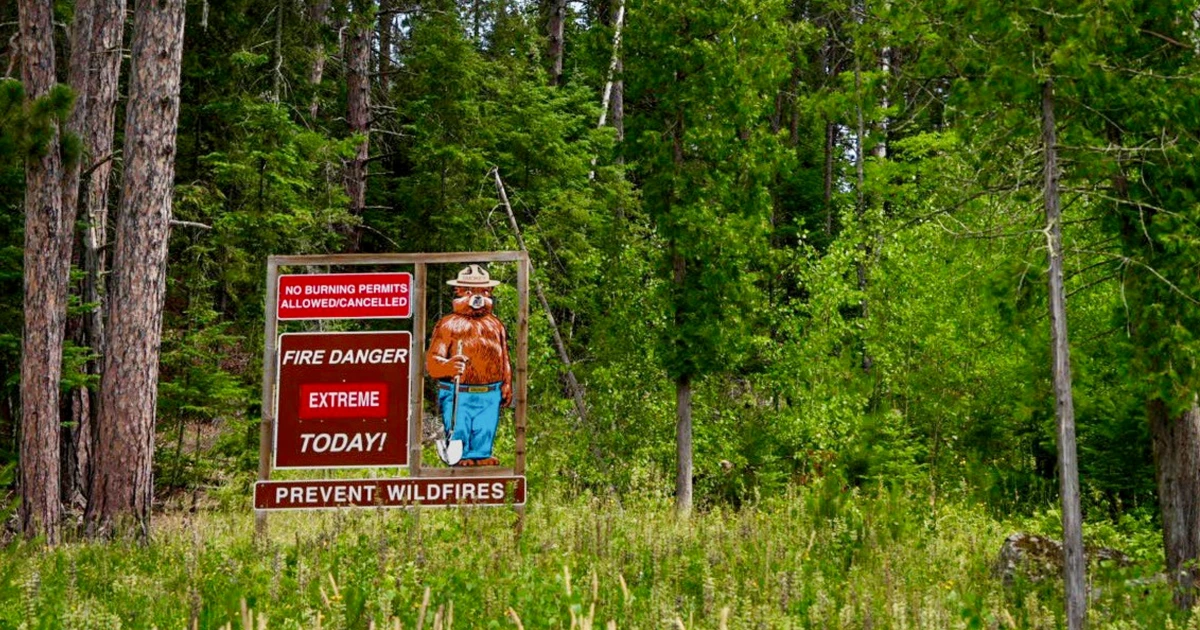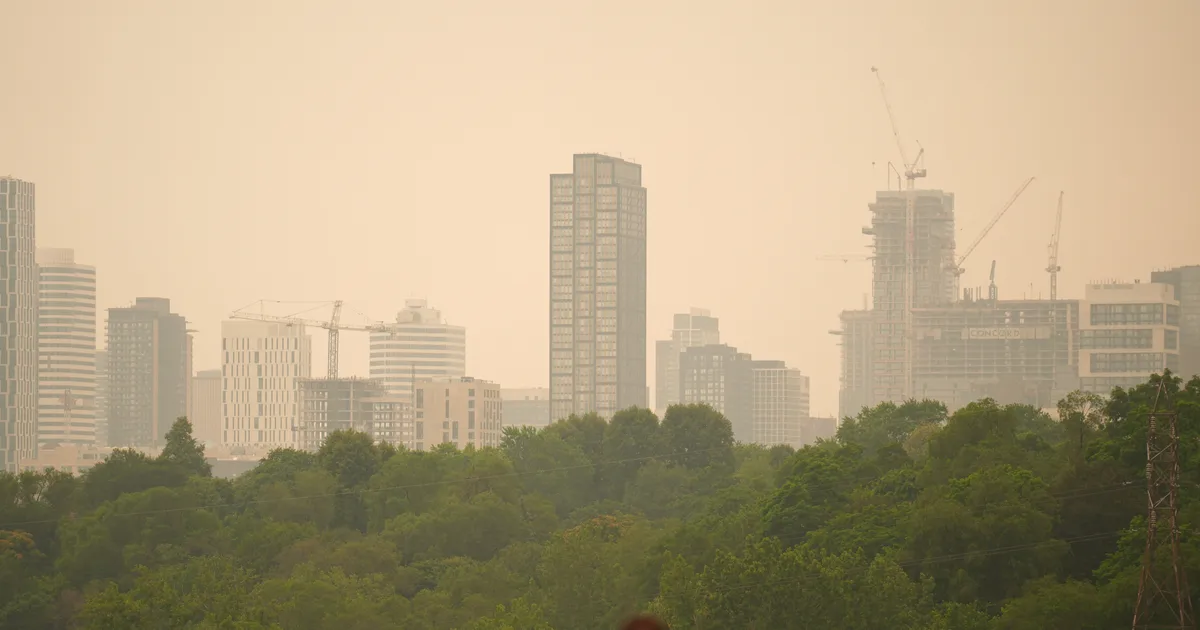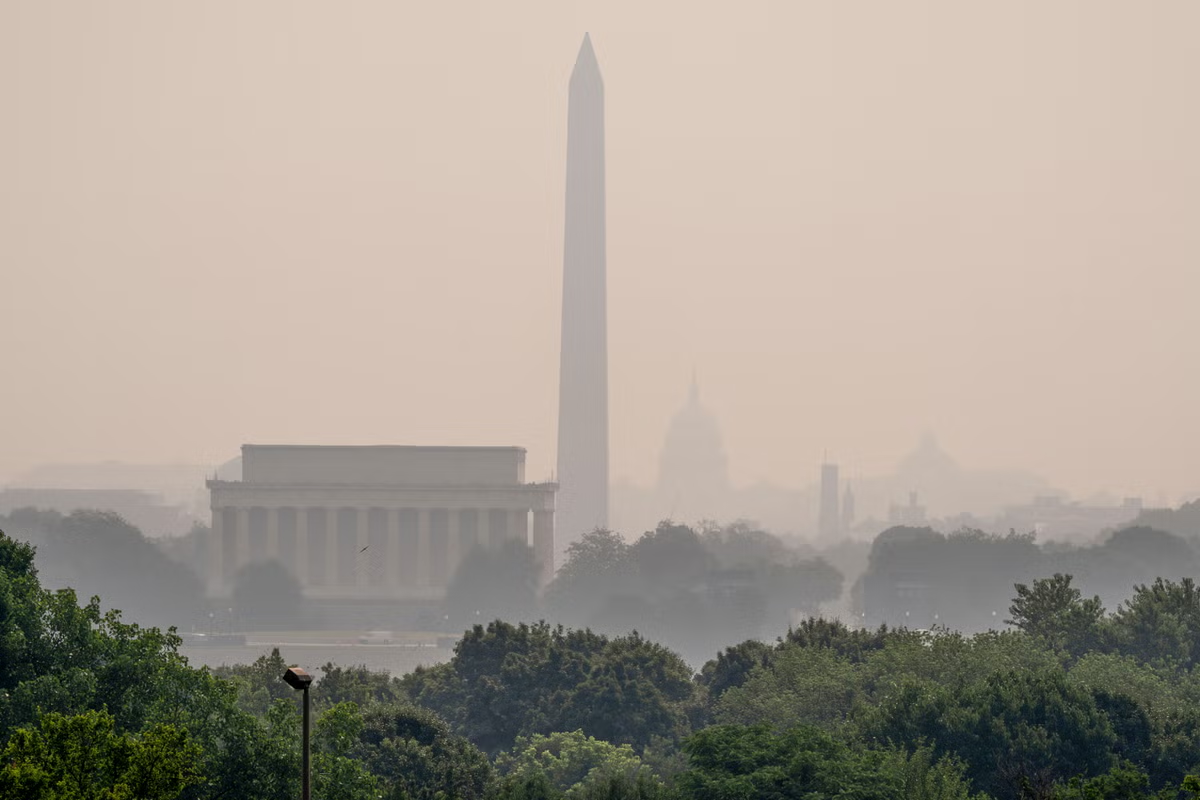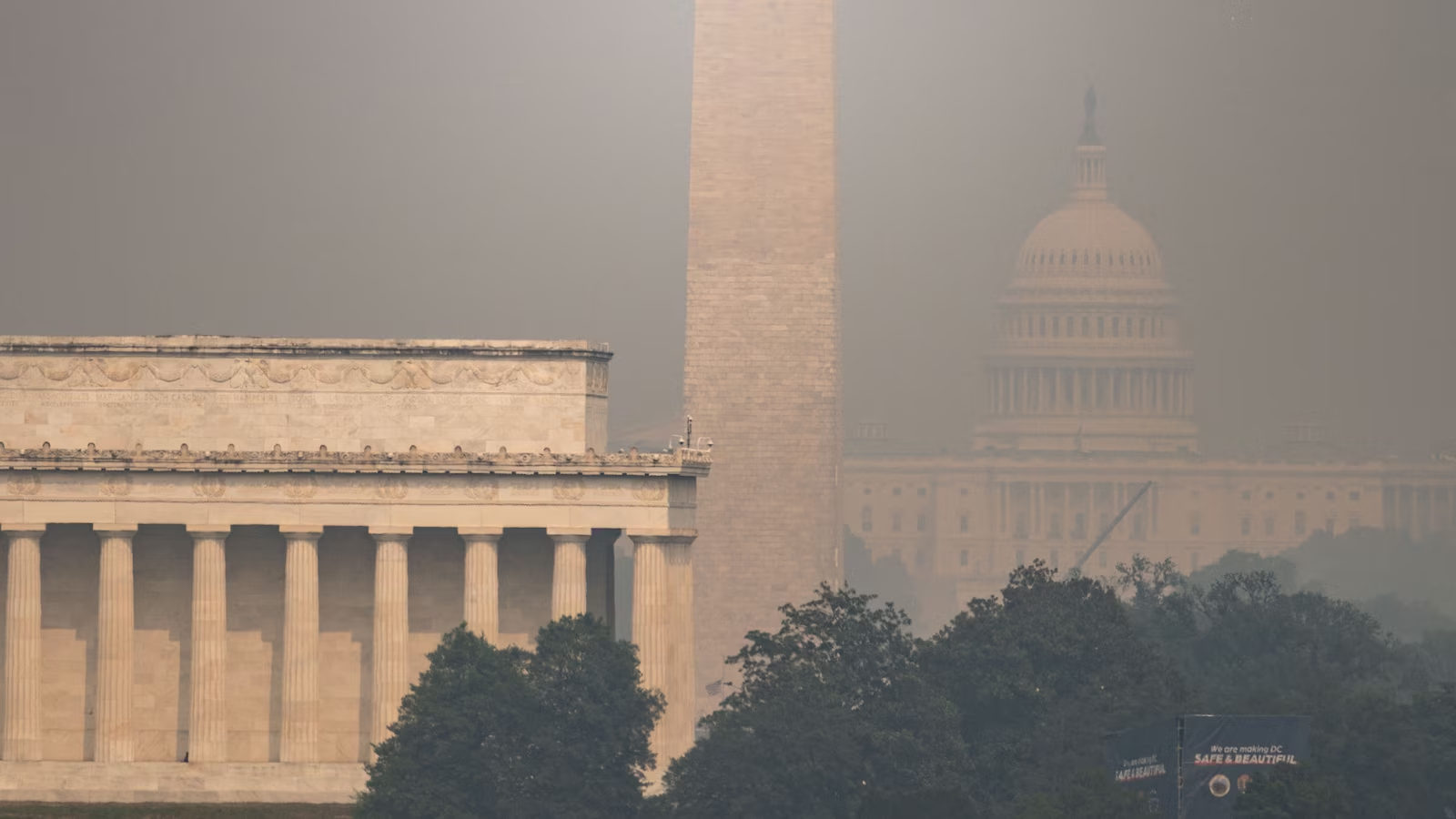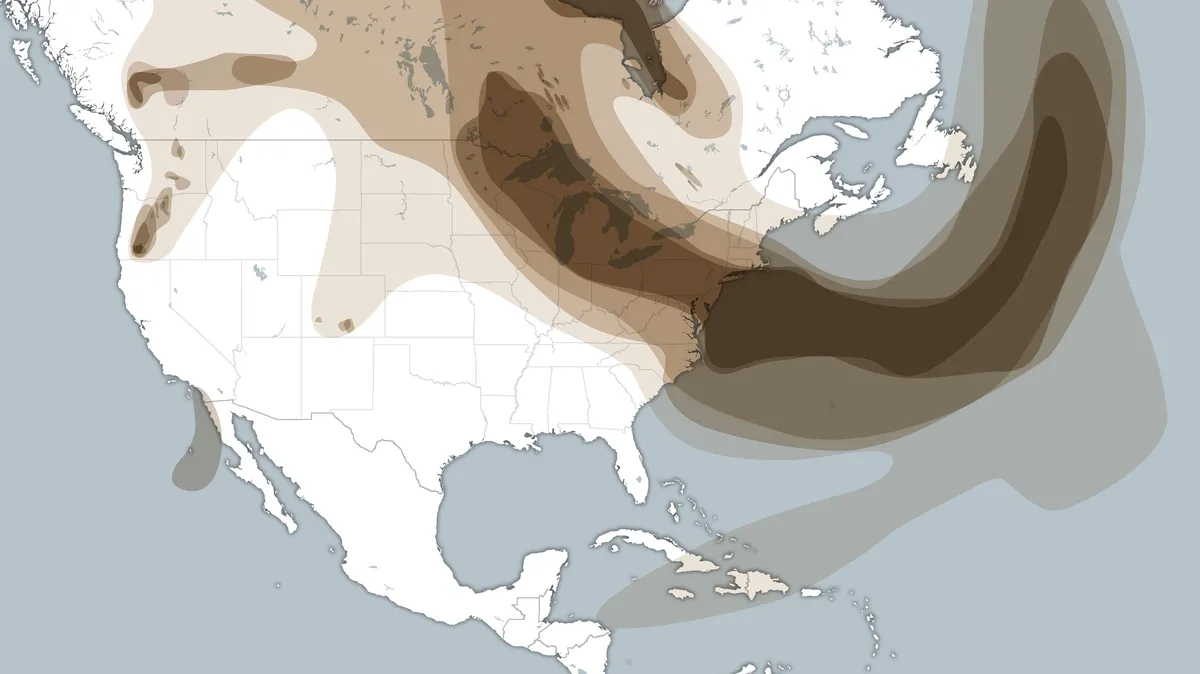
Millions of people from the Great Lakes to Washington, D.C., are breathing hazardous air as smoke from hundreds of wildfires in Canada and Minnesota spreads across the region. Air quality alerts have been issued for tens of millions of residents, with dangerous conditions reported in cities including Toronto, Philadelphia, Buffalo, Milwaukee, Detroit, Cleveland, Chicago, Columbus, Washington D.C. and Pittsburgh, according to AccuWeather.An unfortunate series of weather conditions are to blame for toxic smoke traveling as far as it has."A heat dome that has been sitting across the central United States has shifted back to the west," said Peyton Simmers, meteorologist for AccuWeather. As the shift in the heat dome was happening, the wildfires erupted in Canada.Can't see our graphics? Click here."On the northern side of the heat dome, there are northwesterly winds that are aimed at the Great Lakes and Northeast United States," said Simmers. "The smoke rides the upper air winds like train tracks and goes where the wind does."Smoky conditions in the will last through the weekend, maybe longerAccuWeather predicts smoky conditions to cover the Great Lakes region and down to New York through the weekend. "There is relief in sight this weekend as the winds will turn more westerly and keep the smoke away from the United States, " said Simmers. "However, any northwest winds next week can bring smoke back into the Great Lakes and Northeast, but this should not be as bad as what is going on currently," he said.Here's a look at how smoke is projected to move through early Saturday (July 17) morning:Other factors that are leading to such bad air-quality in the Great Lakes regionSmoke is the main reason the air-quality is so poor, but in bigger cities, stagnant air and elevated ozone can make things worse said Simmers.When asked why the fires are burning so rapidly at the moment Simmers says, "the lack of rainfall recently in southern Canada and the heat dome further drying out the fuels needed for wildfires."Poor air-quality presents a higher-risk to vulnerable groups such as children, the elderly, and people with respiratory conditions like asthma and COPD. "People should stay inside," said Simmers. If you need to be outside, make sure there is a place to head indoors and wear a mask. "If driving, turn the AC to recirculate air, to limit exposure and lastly, make sure pets are staying indoors."Tracking the wildfire smokeContributing: Shawn Sullivan, USA TODAY
Why wildfire smoke is making air quality so bad across the US
Here's how a heat dome, dry conditions and shifting winds are helping toxic wildfire smoke travel hundreds of miles and linger over millions of Americans.
405 words~2 min read