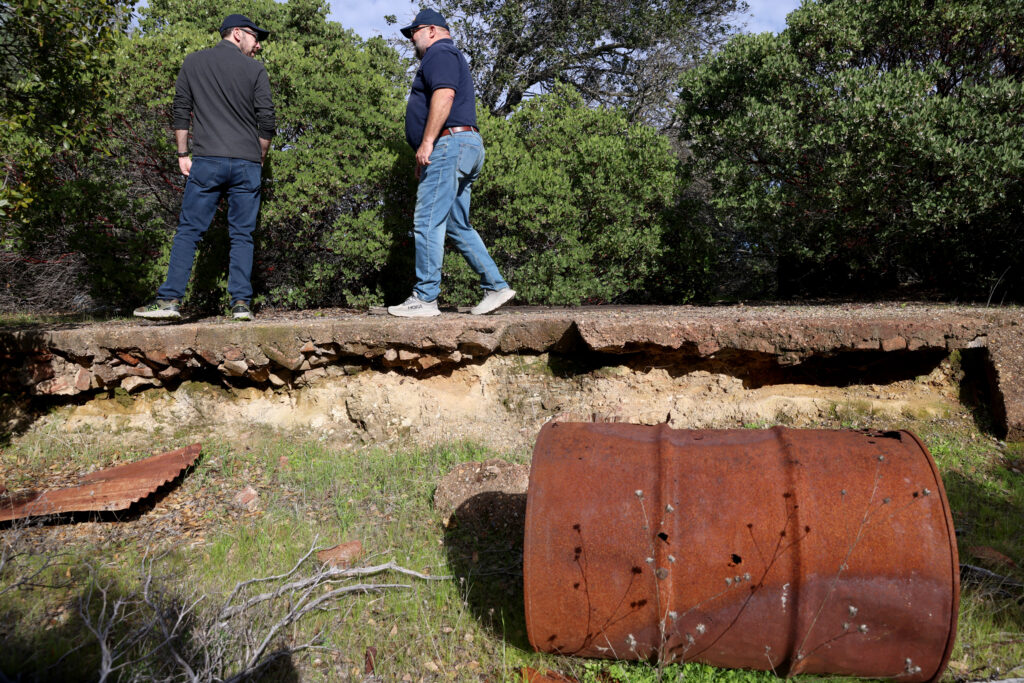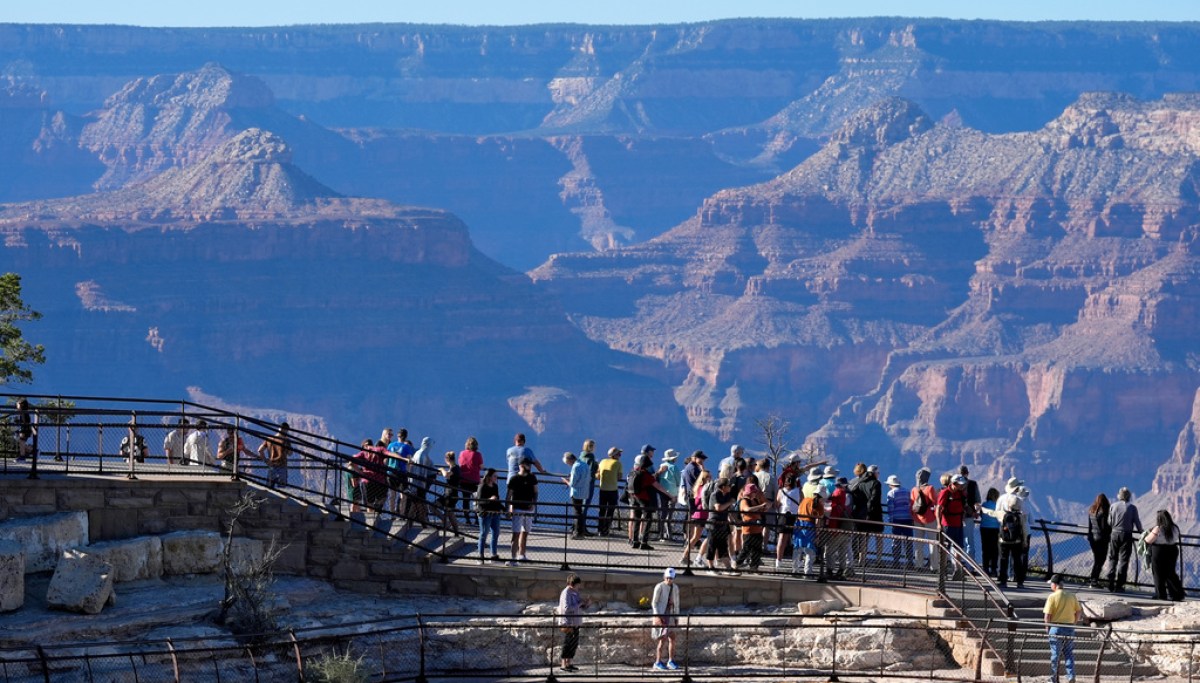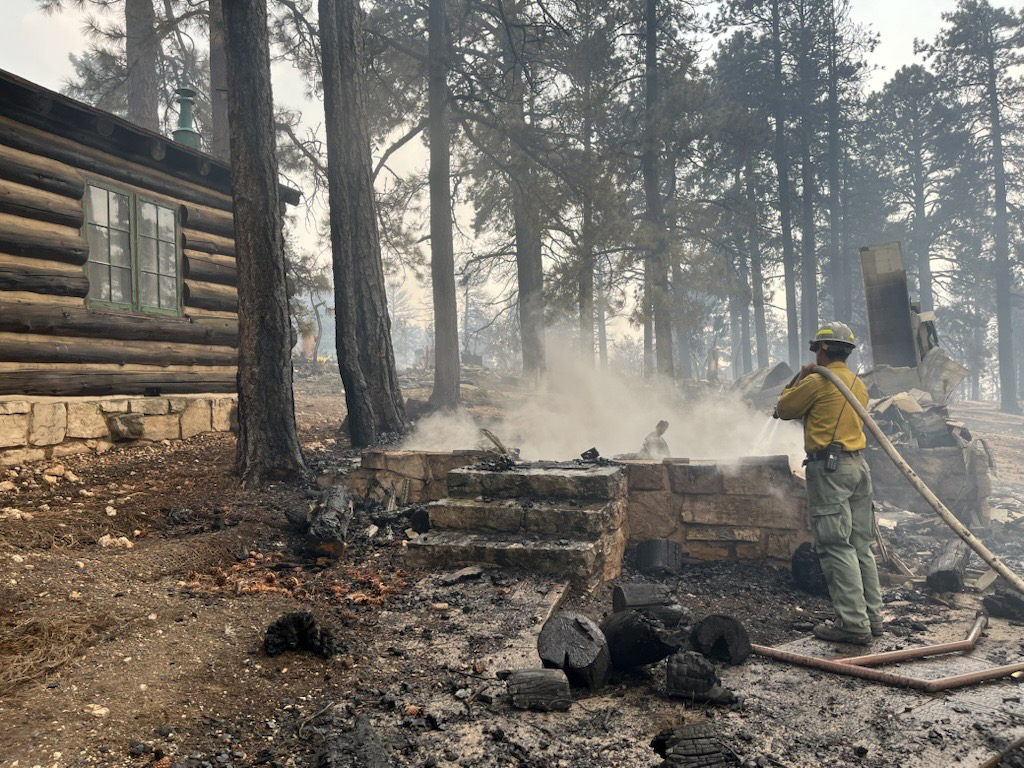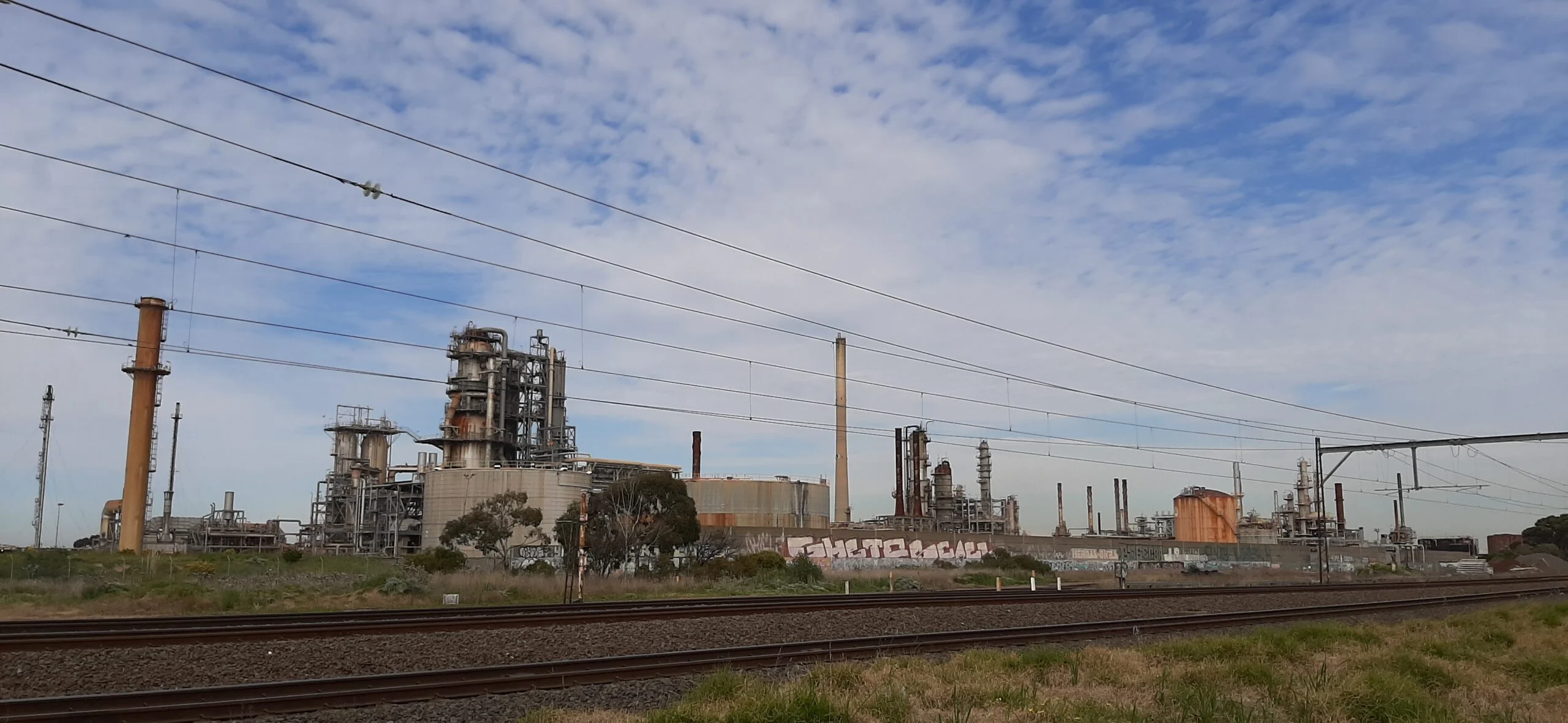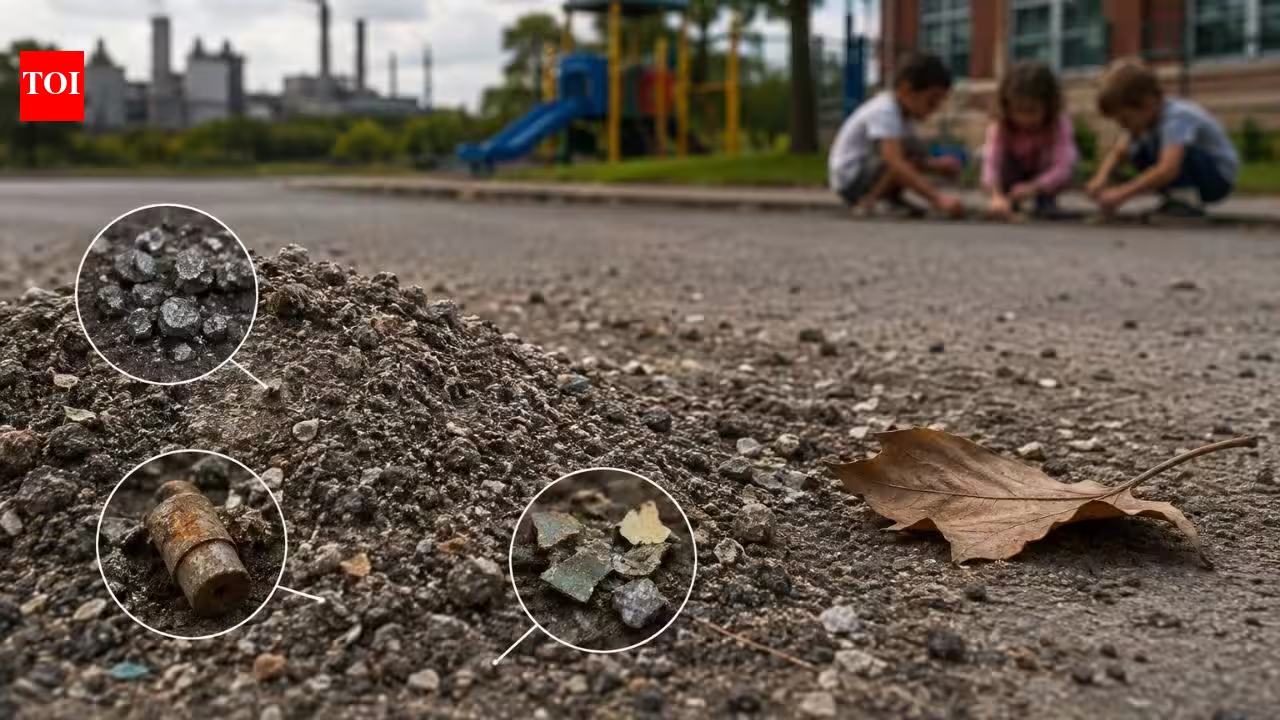
We hear a lot of rhetoric about strong border protection these days, but not much has been said about preserving the sanctity of the boundaries protecting America’s public parks. That’s a real shame, given new research that has mapped an alarming proximity between toxic waste sites across the U.S. and our nation’s otherwise scenic and beautiful public parks. Researchers with the University of Michigan (U-M) cross-referenced a dataset of 151,366 public parks—including everything from national and state parks to local hiking trails and dual-use school playgrounds—with two categories of pollution sites catalogued by the EPA. The results were stark: Nearly 18% of America’s public parks—26,886 of these recreational areas to be precise—are located within two miles of an EPA-designated Superfund Site. And over 2,000 of these parks physically overlap with a Superfund Site, according to the team’s new study, released as a pre-print Thursday by the Nature journal Scientific Reports. But the scope of the problem is even worse when viewed in the context of the EPA’s broader category of Toxics Release Inventory (TRI) sites. Over half of all U.S. parks, researchers found, are positioned within 2 miles (3.2 kilometers) of a TRI site. And at least 63 of these parks currently share property with one of these toxic sites.
Over 26,000 US Public Parks Border a Toxic Superfund Site—But It's Worse Than That
Tens of thousands of U.S. parks—everything from national forests to local hiking trails—sit precariously close to EPA-designated toxic sites, researchers found.
661 words~3 min read