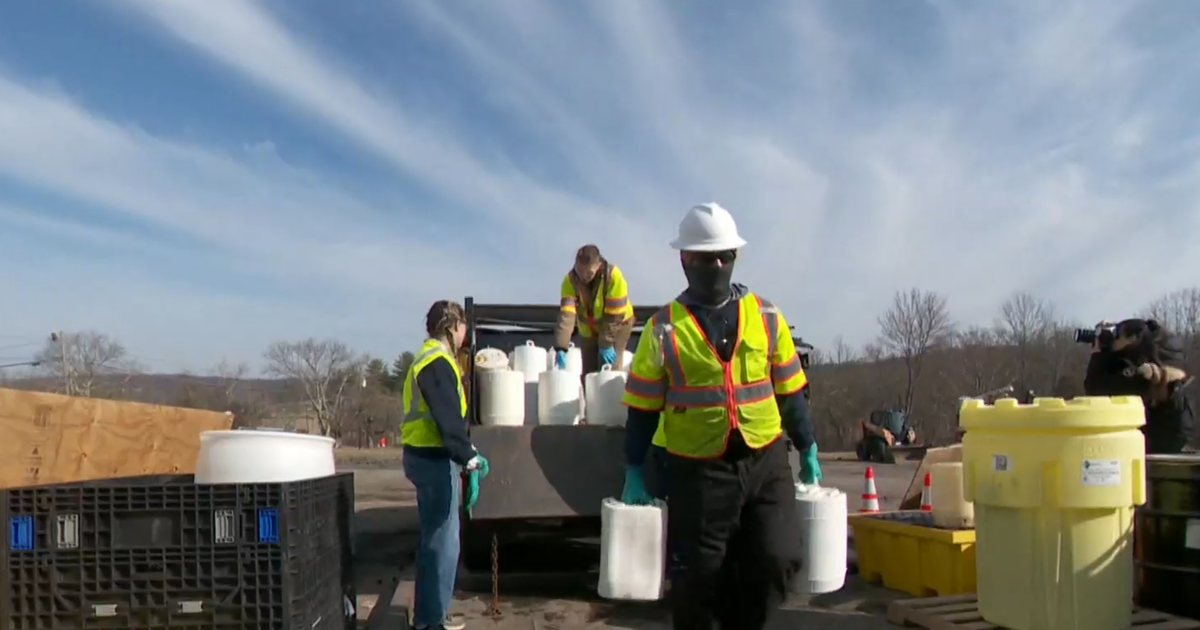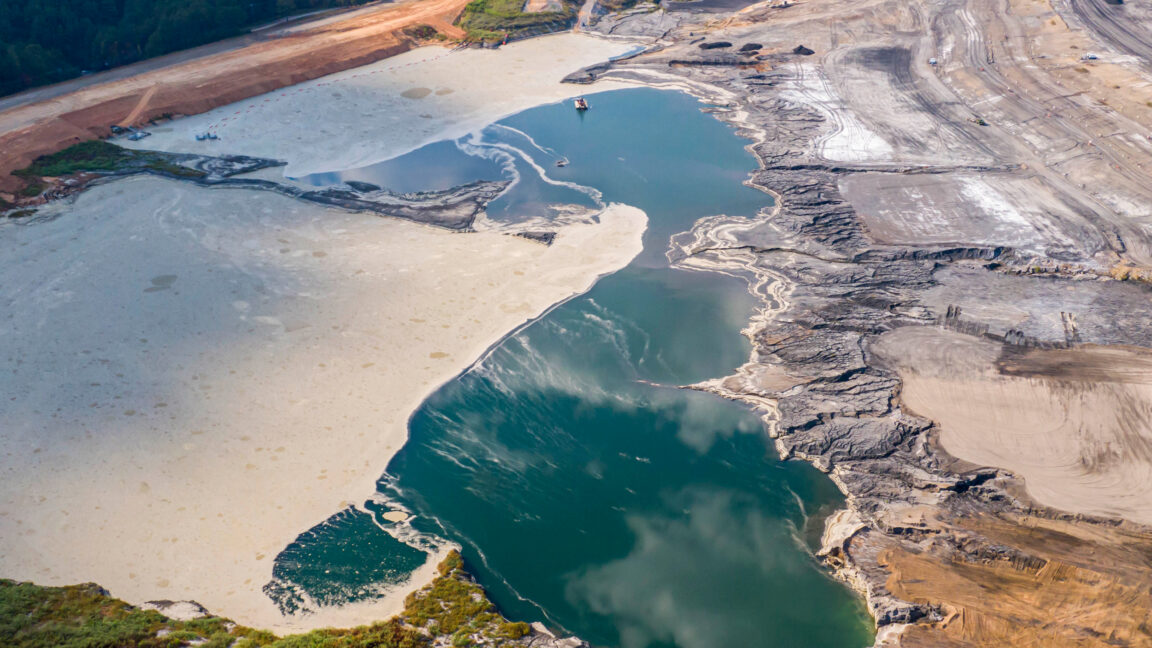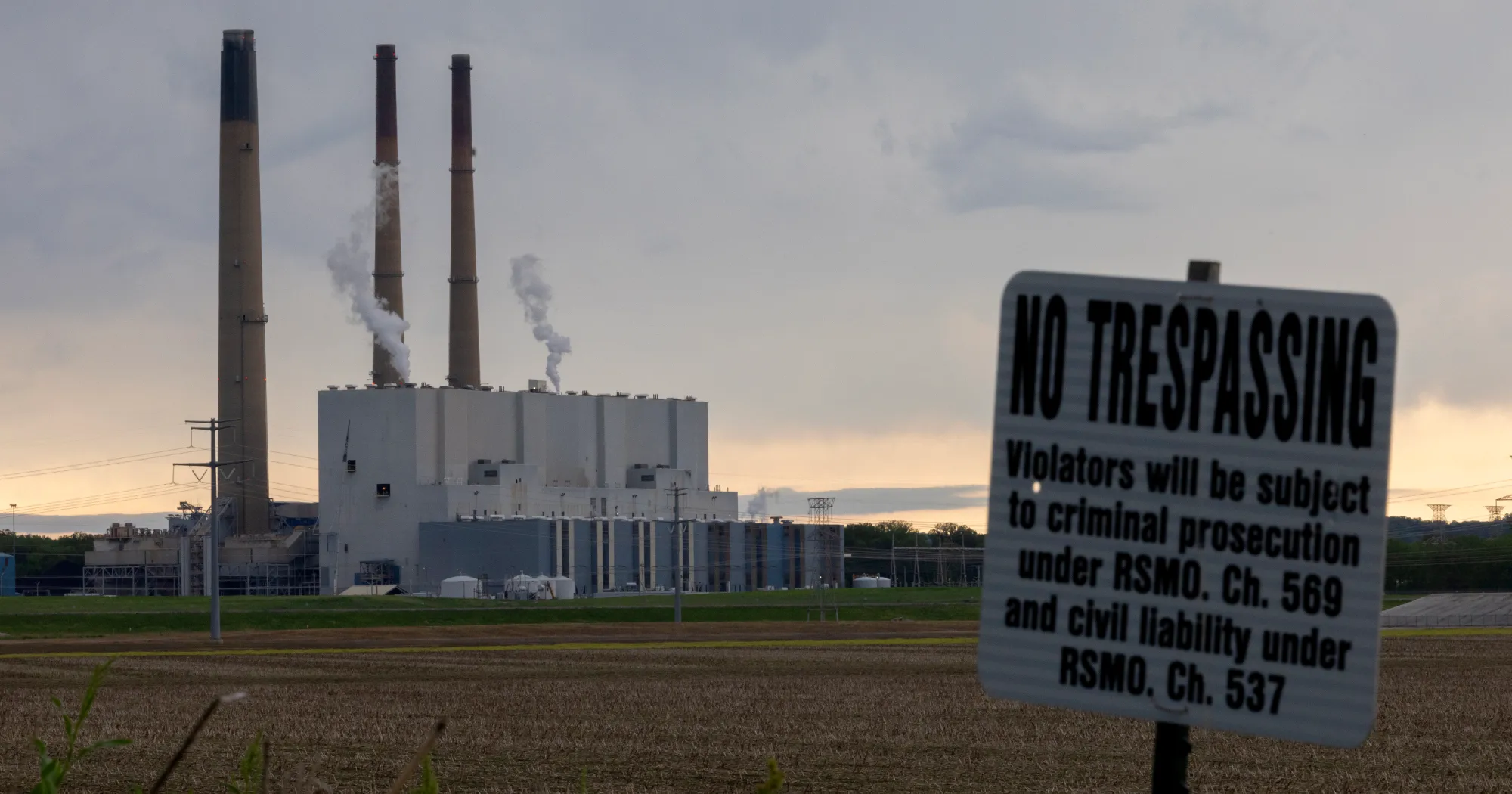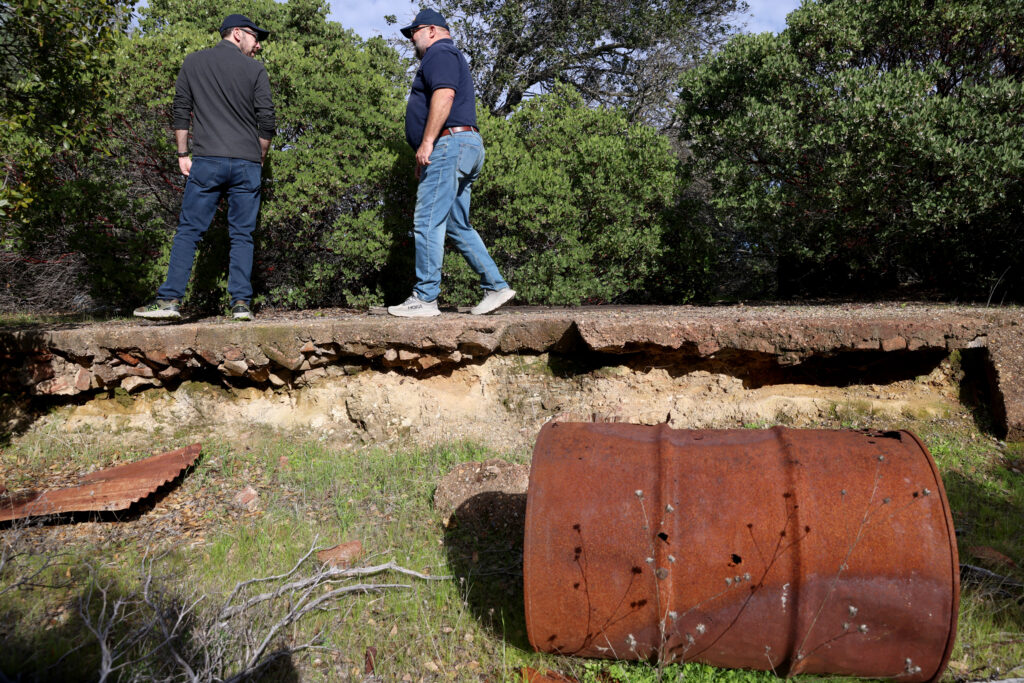
New Jersey is home to nearly 9 percent of the nation’s Superfund sites—more than any other state. They range from chemical plants with toxic byproducts leached into the soil, to oil-filled lagoons, open fields rife with septic waste and rivers polluted with toxic chemicals. Many have remained contaminated for decades.
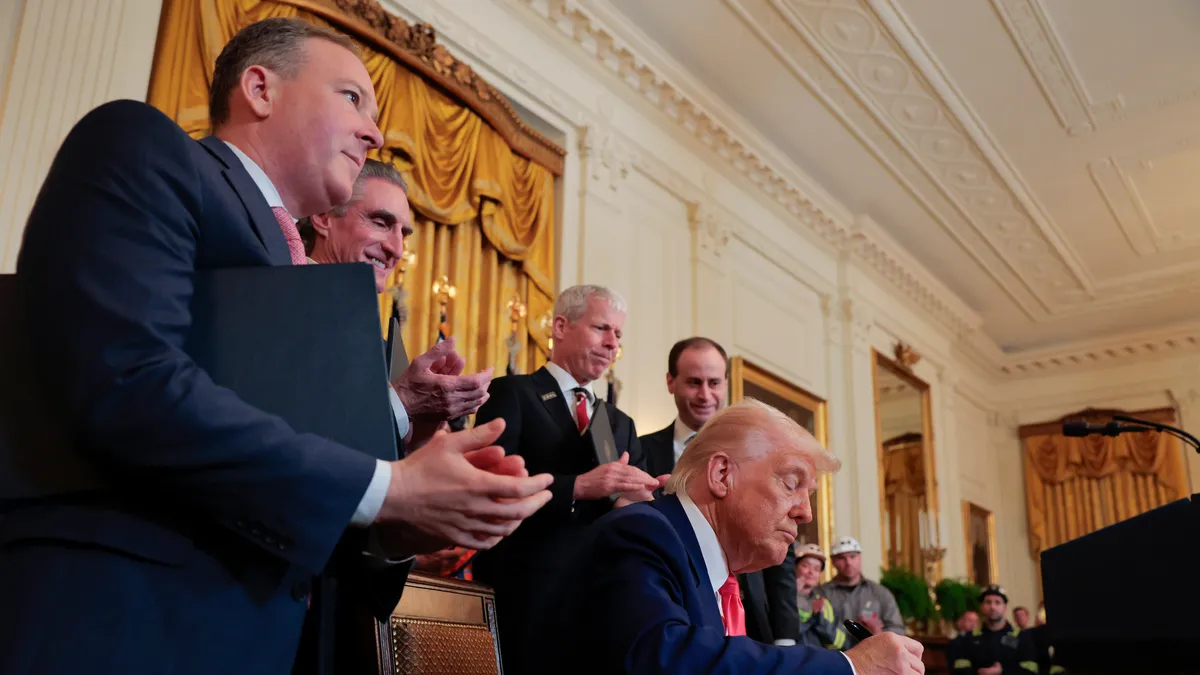
In January, President Donald Trump signed a bill allocating $8.8 billion for the Environmental Protection Agency for the 2026 fiscal year. Within that budget, congressional appropriations specifically for the Superfund Program were set at $282.75 million—a 47 percent reduction from the previous year.
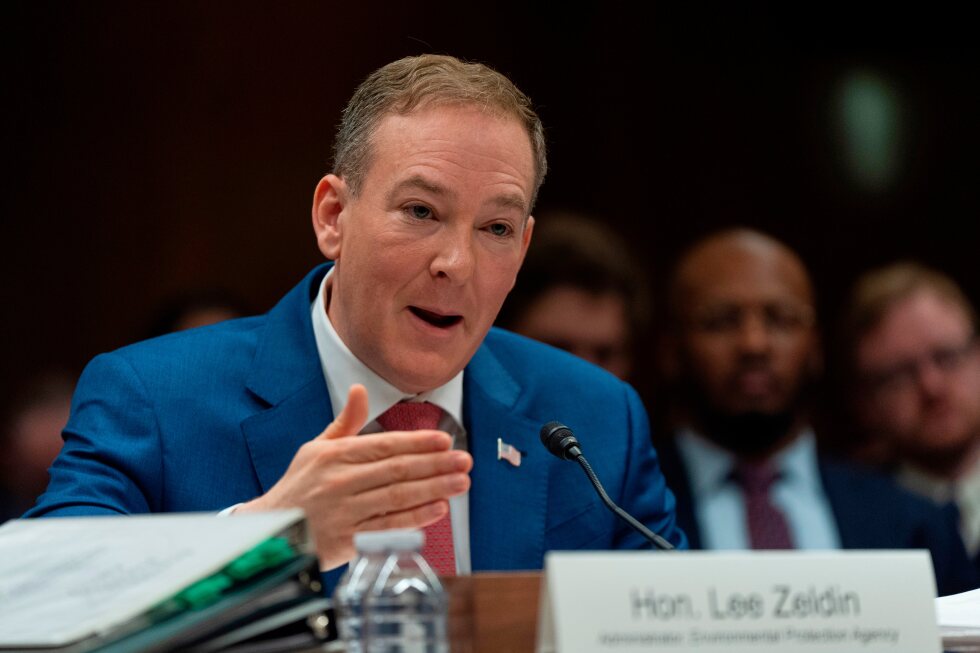
“It certainly warrants concern,” said Jim Woolford, former director for the EPA Superfund Remedial Cleanup Program. “This puts that program in competition with all the other parts of EPA. You’re dividing the pie, if you will, into smaller slices.”
In early April, Trump released his budget proposal for fiscal 2027, which begins Oct. 1, cutting EPA spending in half and slashing agency grants by $1 billion. Congress rejected similar spending cuts proposed by Trump last year.
An Inside Climate News analysis of federal workforce data released by the Office of Personnel Management shows that EPA lost more than 4,000 employees in 2025, the first year of Trump’s second term, reducing its workforce to 12,849, its lowest level since the Reagan and Bush administrations in the 1980s. The 24 percent reduction was more than double the rate of losses across the entire federal government in 2025.