This coverage is made possible through a partnership between Grist and The Salt Lake Tribune, a nonprofit newsroom in Utah.
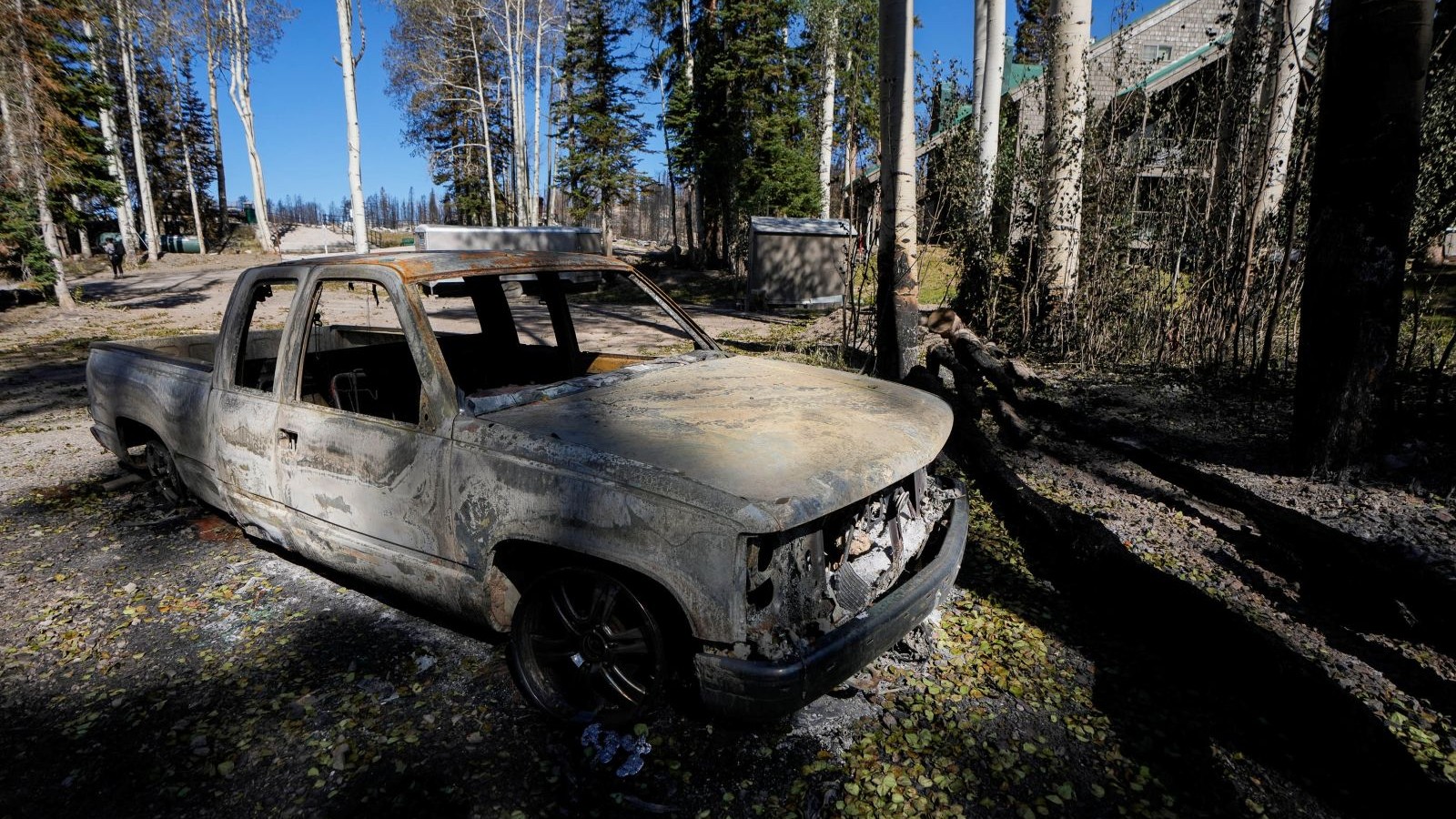
Officials from the Trump administration and members of Congress walked along the burn scar from Utah’s devastating Cottonwood Fire last week and saw the damage from the rain and flood that followed the flames.
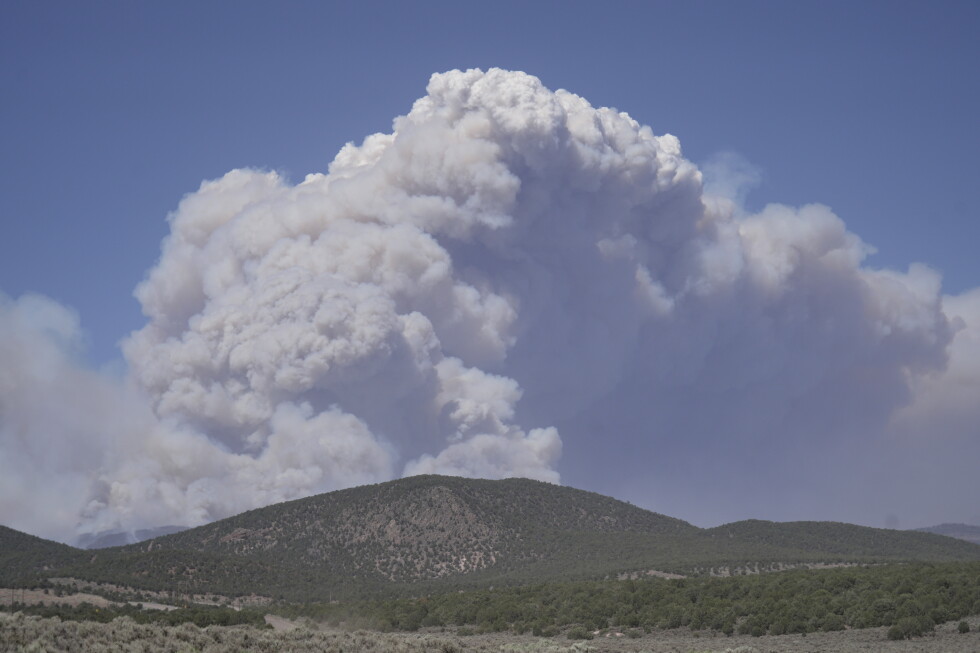
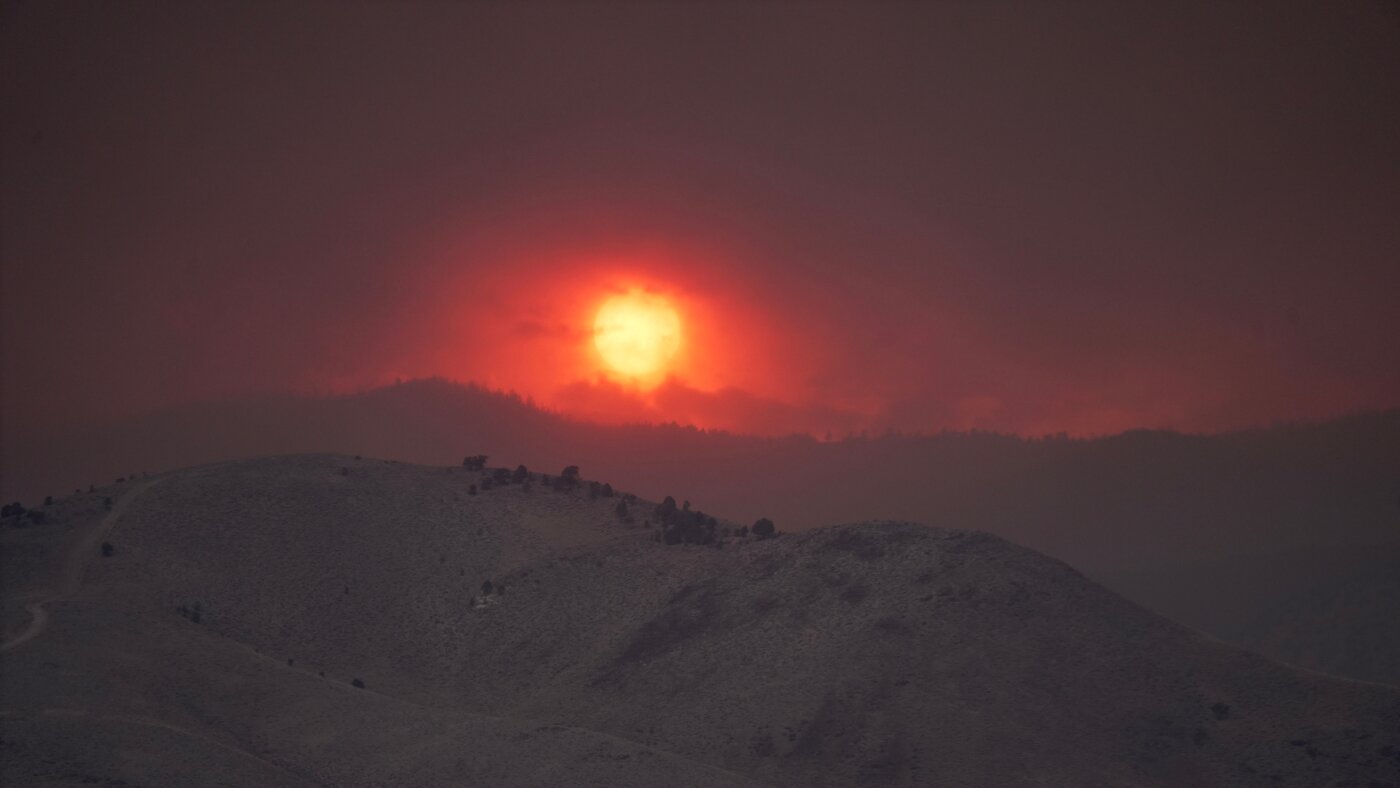
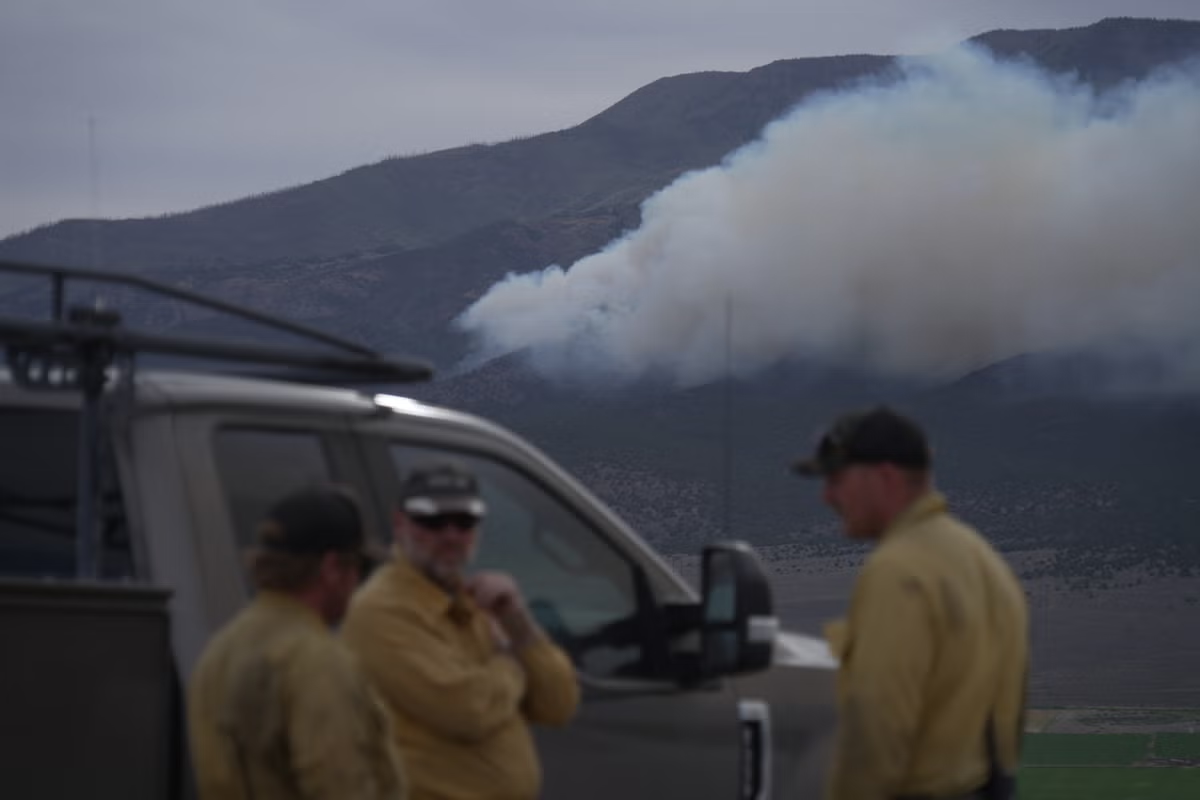
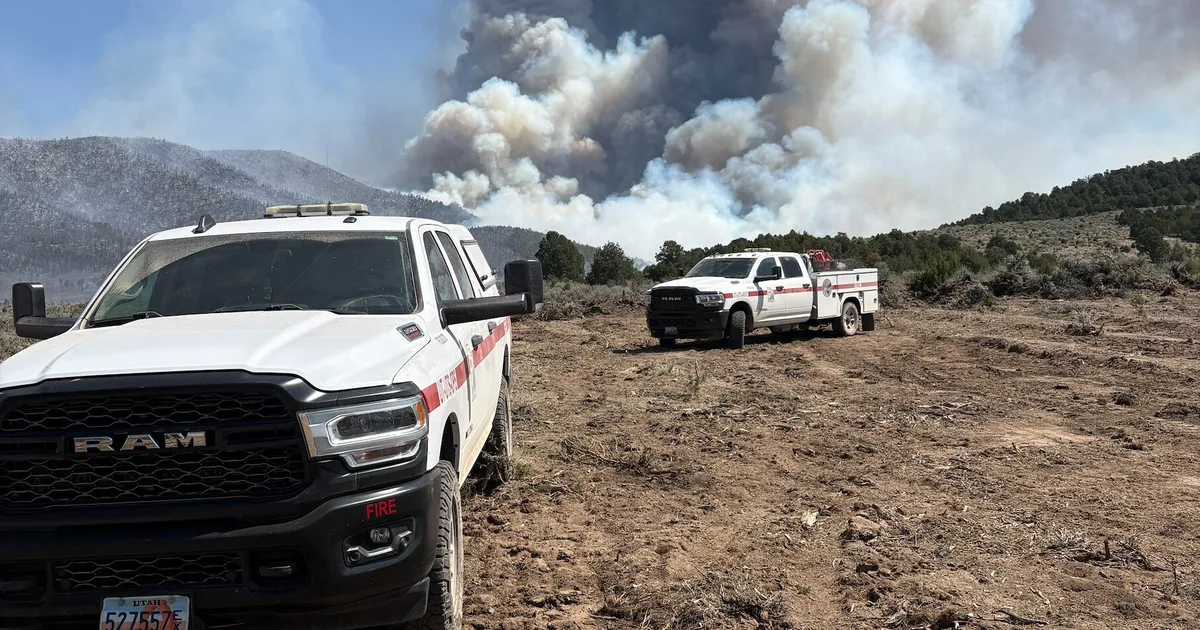
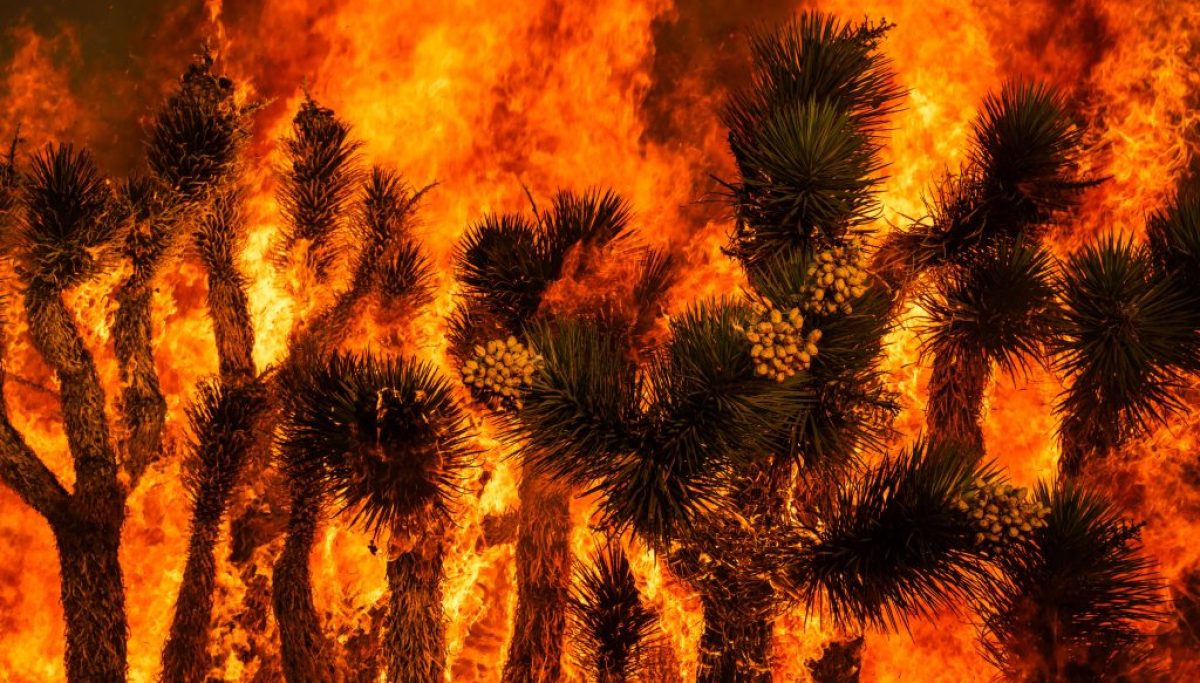
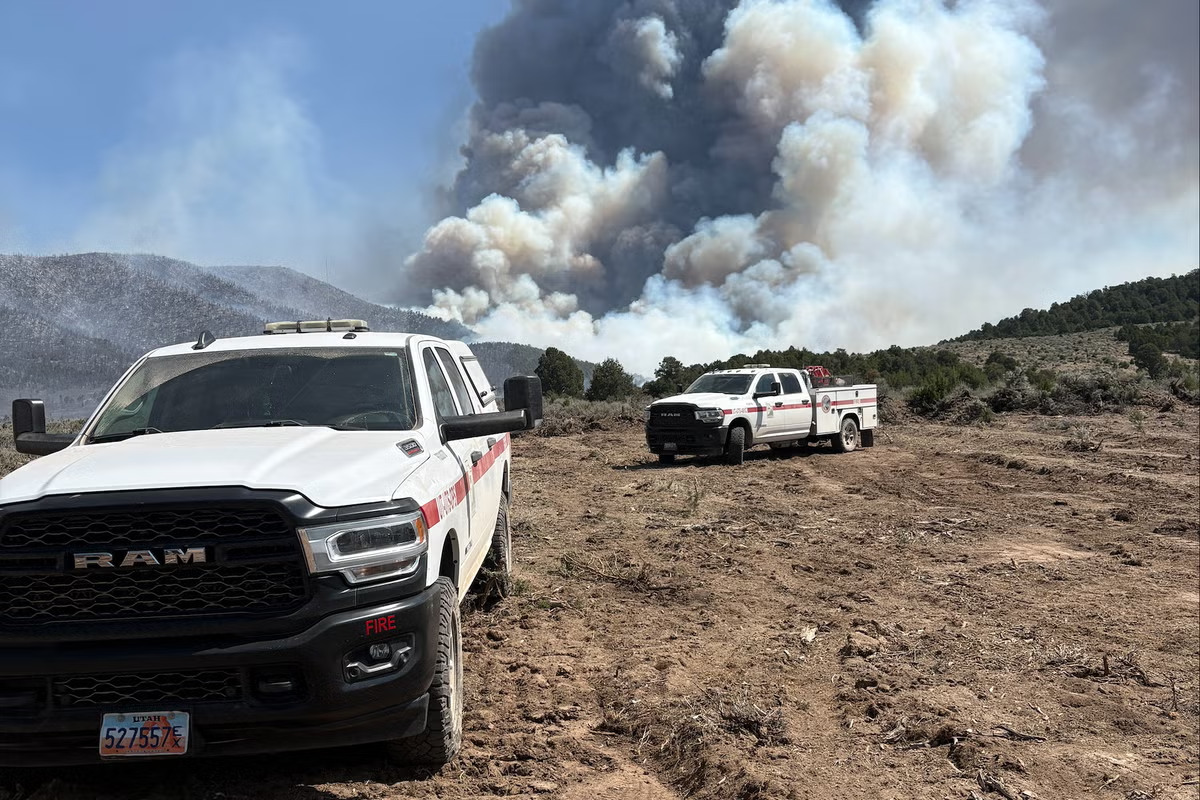
The wildfire is among the country’s largest, charring more than 97,000 acres. It started on June 22, and is only 95 percent contained as of late Thursday, according to Utah Fire Info.
After surveying the destruction, lawmakers laid blame on a lack of forestry management. If the forest had been thinned, with “a lot fewer trees per acre, and maybe even some controlled burns to take the underbrush out, there’s just not the fuel there when these fires start to make them catastrophic fires,” Representative Bruce Westerman, a Republican from Arkansas, told Salt Lake City’s FOX 13 News.
But these traditional fire prevention methods may no longer work, one researcher cautions, with a changing climate that makes hot, dry weather increasingly the norm.