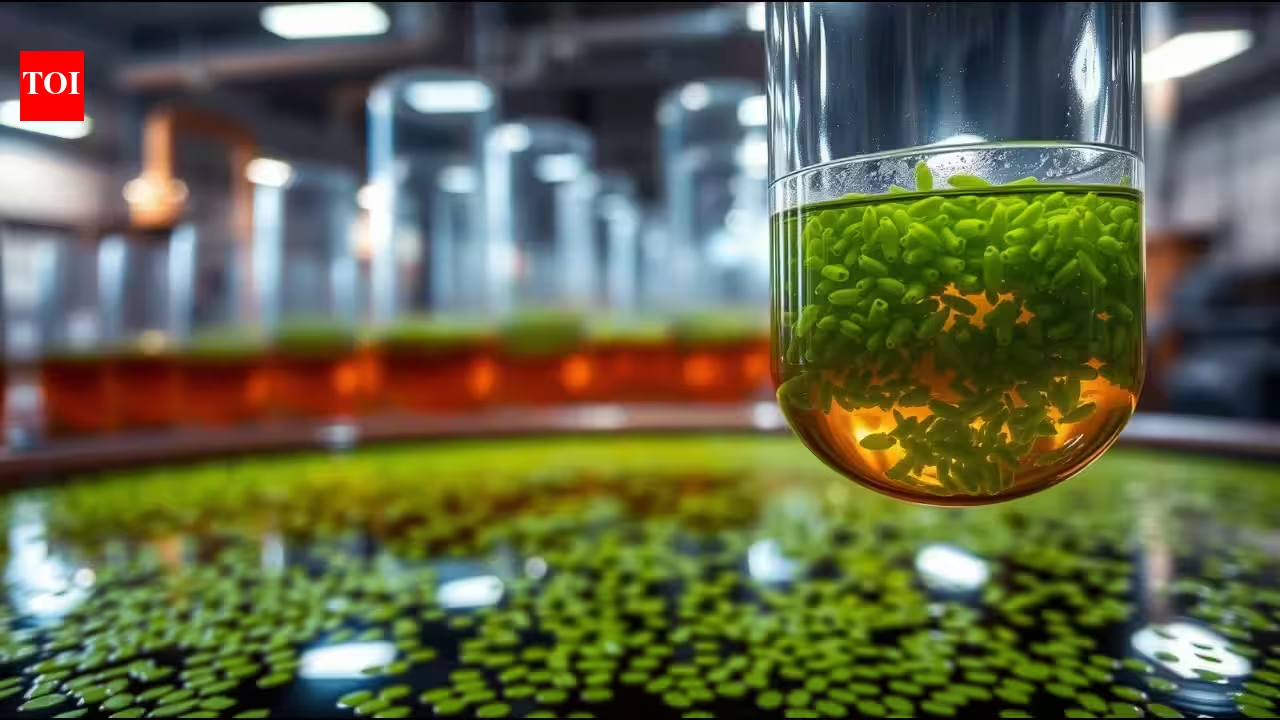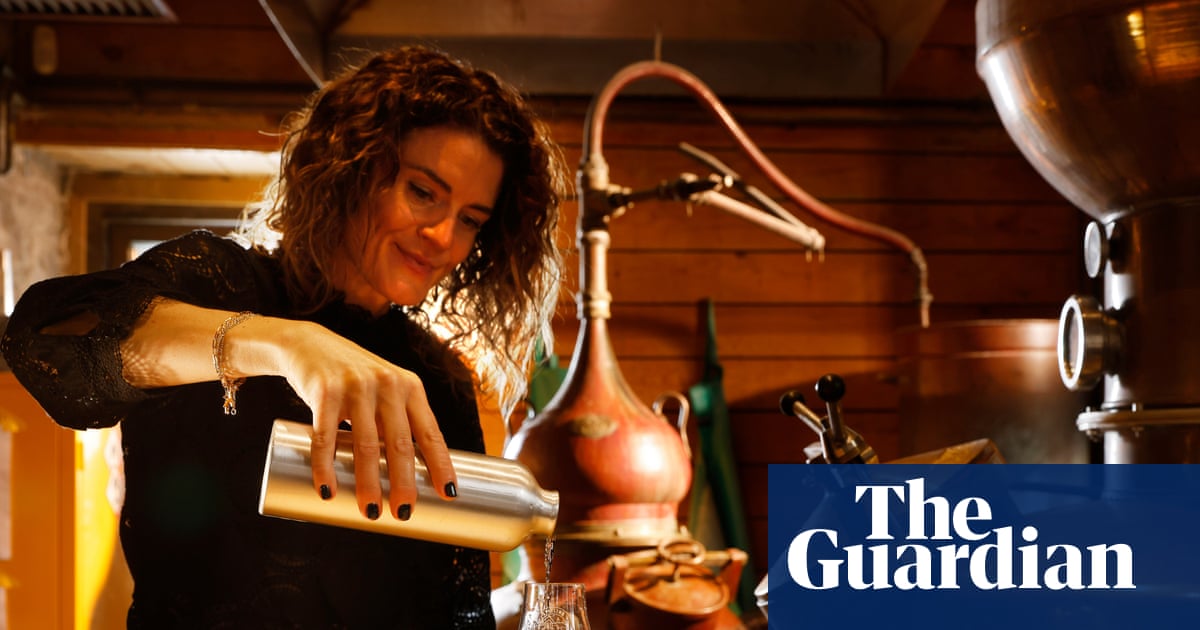
A Scottish biotech company is developing an alternative source of omega-3 fatty acids by growing microalgae using waste from Scotch whisky production, aiming to reduce the global dependence on wild-caught fish for omega-3 used in pet food, aquaculture feed and human supplements, as per a report by TOI.Edinburgh-based MiAlgae, founded in 2016, has developed a fermentation-based process to produce omega-3-rich microalgae without relying on fish stocks. The company is now expanding from a demonstration facility to commercial-scale production with support from the UK and Scottish governments.Also Read: FSSAI bans old monk: Why did regulator stop sale of three variants of the popular Rum?Fish do not produce omega-3, algae are the original sourceMiAlgae founder and CEO Douglas Martin said fish do not naturally produce omega-3 fatty acids. Instead, they obtain the nutrients by consuming microalgae, which are the original producers of these compounds.The traditional omega-3 supply chain relies heavily on wild-caught forage fish, which are used as feed for farmed fish to transfer omega-3 through the food chain before it reaches consumers. MiAlgae aims to remove this process by directly cultivating microalgae and extracting omega-3 from the source.According to the Scottish Government, the company's process could save around 30 tonnes of fish for every tonne of algae produced, highlighting the potential reduction in reliance on wild fish biomass.Whisky industry waste powers algae productionProducing algae at a large scale has traditionally been expensive because high-quality nutrients required for cultivation increase costs. MiAlgae developed a method that uses liquid byproducts from Scotch whisky production as a nutrient source.The company uses nutrient-rich liquid waste generated during whisky manufacturing, which is available in large quantities in Scotland's Central Belt, where MiAlgae operates.According to the company, after distillers extract alcohol from the liquid byproduct, the remaining nutrient-rich material is combined with other ingredients and fed into large stainless steel fermentation tanks. A small culture of algae cells is then grown and multiplied through a process similar to brewing.Company expands towards commercial productionMiAlgae moved from research and development to industrial testing with the launch of a demonstration facility at Heriot-Watt University in Edinburgh in 2023.Following the successful demonstration phase, the company secured government support for a commercial-scale manufacturing facility at Grangemouth. The UK and Scottish governments have jointly committed £3 million towards the project as part of efforts to develop low-carbon industries and green jobs in the region.The Scottish Government estimates the facility could support around 310 jobs over five years and contribute approximately £53 million to Scotland's economy during the same period. The new plant is expected to increase MiAlgae's production capacity more than tenfold.Omega-3 alternative currently targets pet food marketMiAlgae's current focus is primarily on the pet food industry, though the company is also working with aquaculture customers.The finished product is dried algae that is supplied to pet food and aquafeed manufacturers as a replacement for wild fish-based omega-3 ingredients. The company says manufacturers can use the product without making major changes to their existing production processes.However, CEO Douglas Martin acknowledged that the company's planned production remains small compared with global omega-3 demand, with wild fish oil still dominating the market.Also Read: 150 years ago, Britishers brought a South American tree to stop desertification in Thar, now it has become a thorny issue in IndiaAlternative aims to reduce pressure on wild fisheriesGrowing demand for omega-3 fatty acids, driven by their use in health supplements and animal nutrition products, has increased pressure on wild fish stocks.MiAlgae's approach attempts to create a supply chain that relies on an industrial waste stream rather than marine resources. The company represents part of a growing effort to develop alternatives to traditional fish-based omega-3 production.While questions remain over whether algae-based solutions can expand enough to significantly replace fish oil worldwide, MiAlgae's transition from a university-backed project to a government-supported commercial operation demonstrates how industrial waste can be repurposed for environmental solutions.
Whisky to omega-3: Scottish firm creates fish-free alternative that could save millions of them
A Scottish enterprise is innovatively growing microalgae by utilizing waste from whisky production, presenting a sustainable omega-3 alternative for multiple sectors. With government backing, the company is scaling up to full commercial production. This endeavor intends to lessen dependency on wild-caught fish for omega-3, while the new facility is projected to enhance production capabilities and generate employment opportunities.
640 words~3 min read