RIYADH: Turning food waste into a valuable industrial product may sound improbable, but scientists at King Abdullah University of Science and Technology are proving it is possible — using algae that has existed for millions of years.
Last month, researchers at the university unveiled a sustainable method that harnesses an ancient red microalga to reduce food waste in the Kingdom while producing a high-demand natural pigment.
The study was led by bioengineering student Mauricio Masson, with support from Michael Fox, assistant professor of marine science, alongside researchers from KAUST and the Arizona Center for Algae Technology and Innovation. The international team included Kyle Lauersen, KAUST associate professor and lead author of the study.
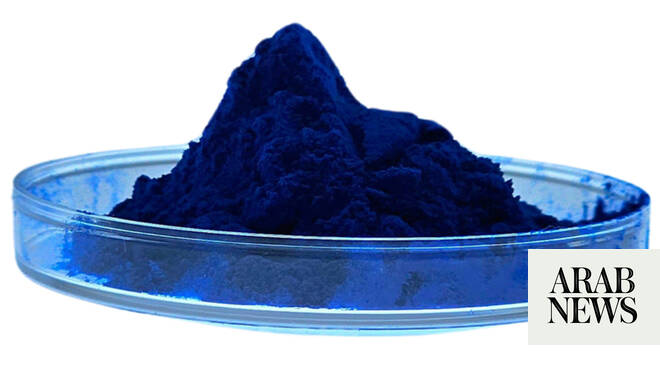
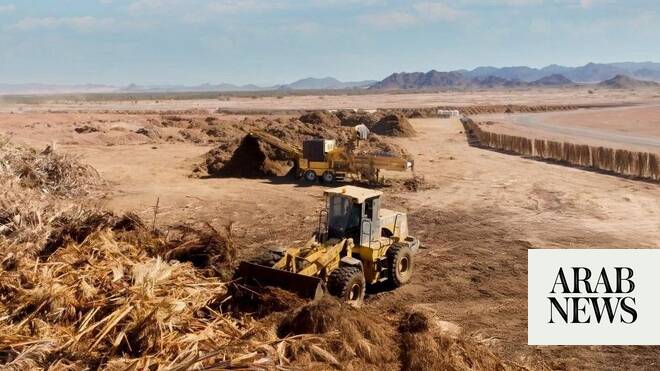
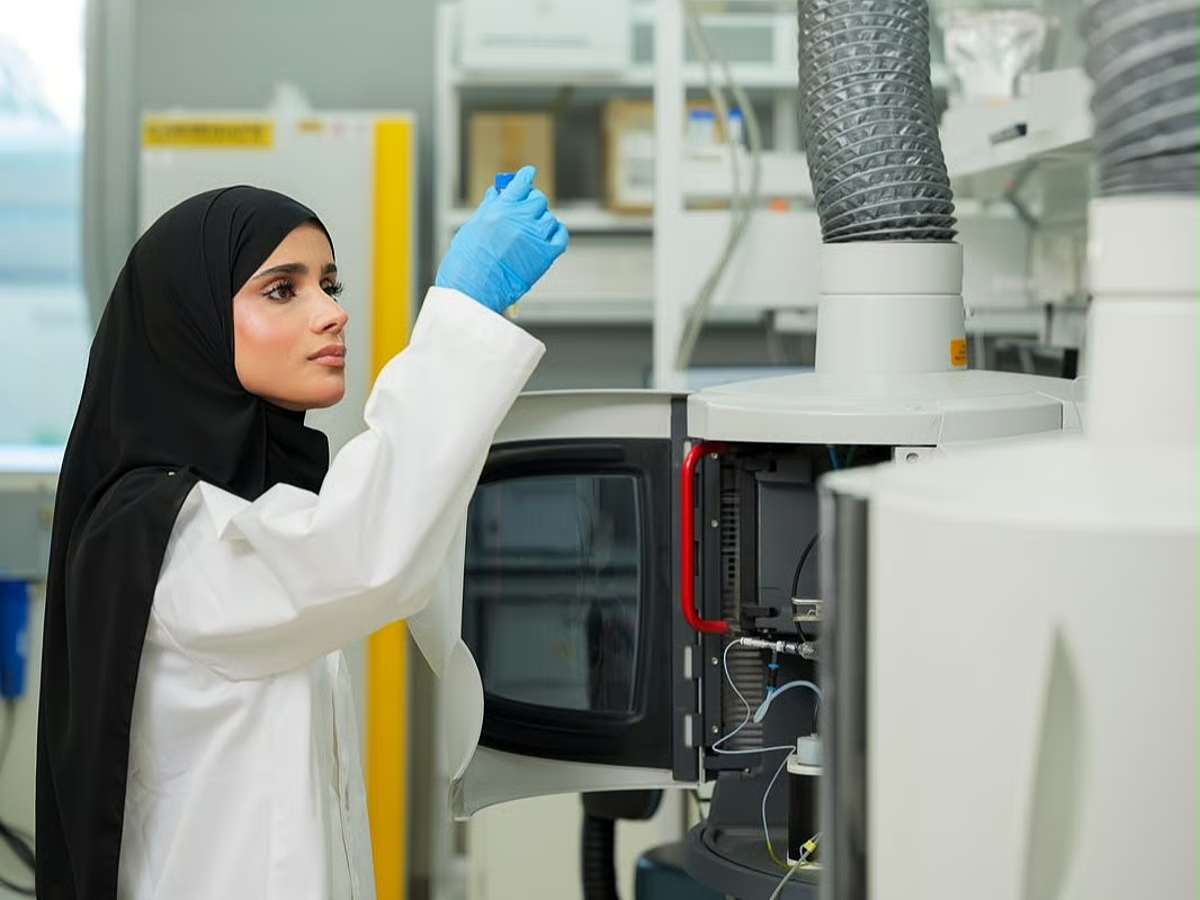
Scientists at King Abdullah University of Science and Technology (KAUST) developed a sustainable method to use an ancient type of algae while reducing food waste in the kingdom. (Supplied)
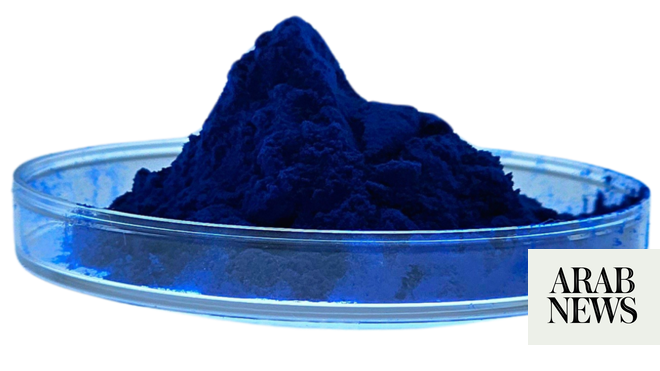
The research highlights a “sustainable bioprocessing” approach, demonstrating how an aquatic plant can convert chocolate factory waste into C-phycocyanin — a blue pigment with a global market expected to reach $275 million over the next four years.