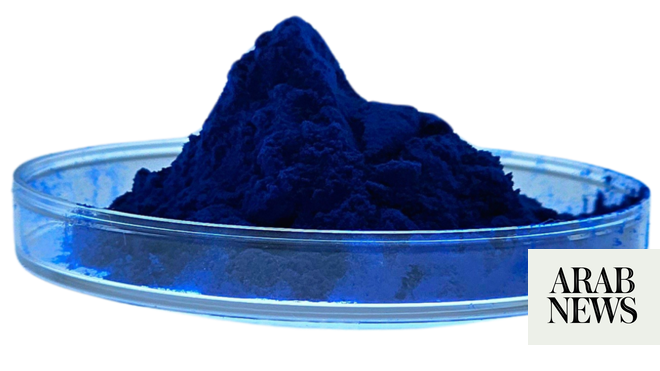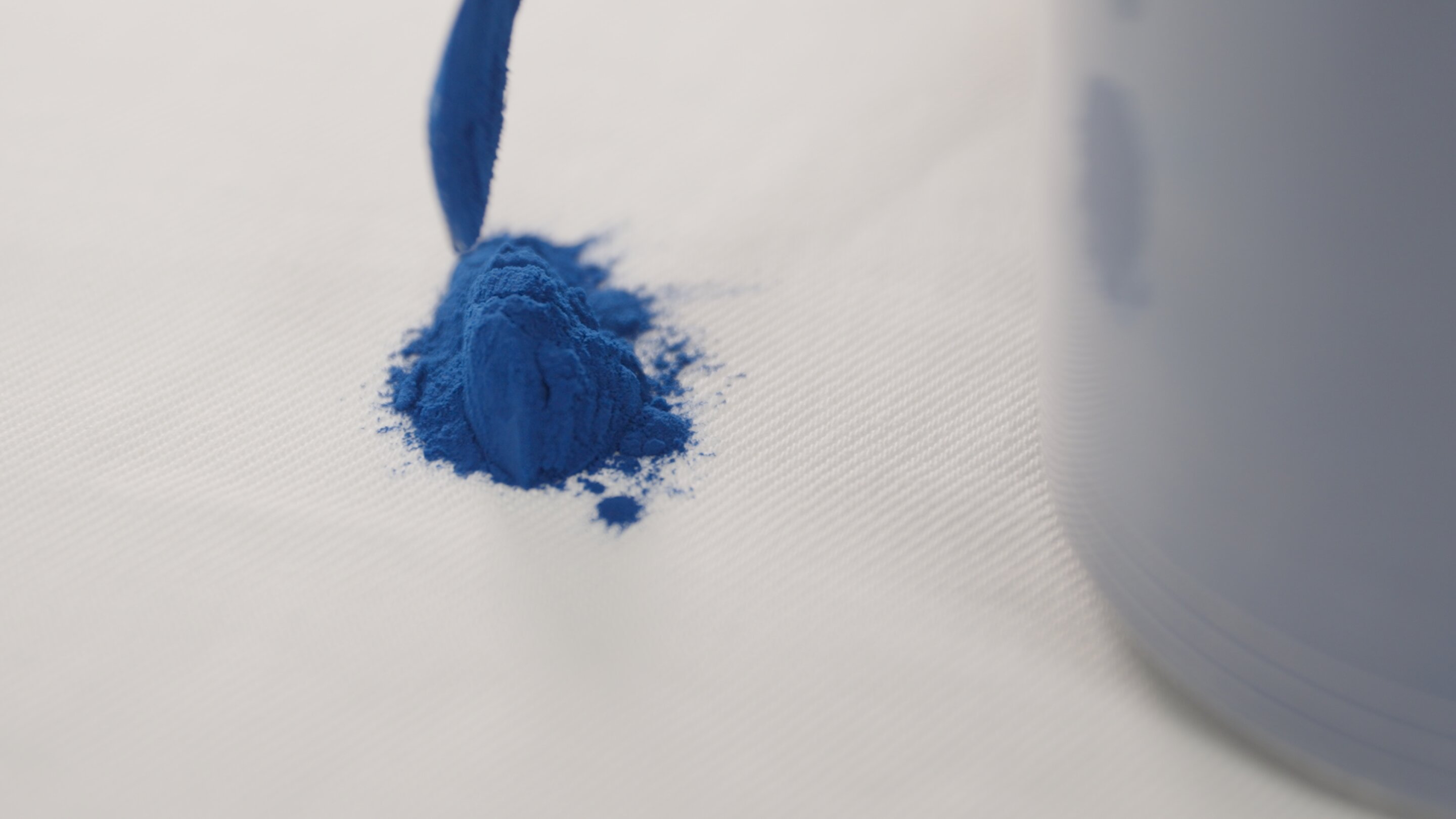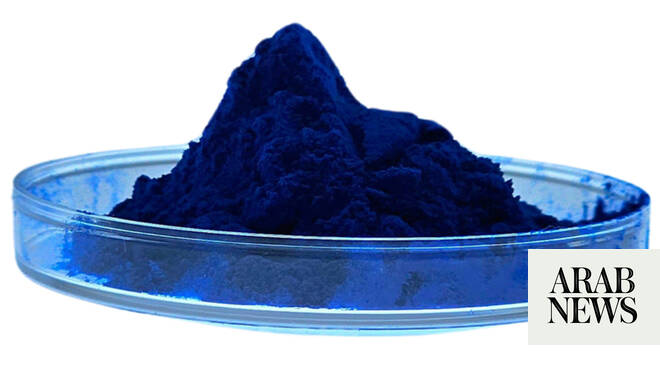
JEDDAH: Researchers at King Abdullah University of Science and Technology have discovered a new use for an ancient organism, converting chocolate factory waste into C-phycocyanin, a valuable blue pigment projected to have a global market value of over $275 million by 2030.
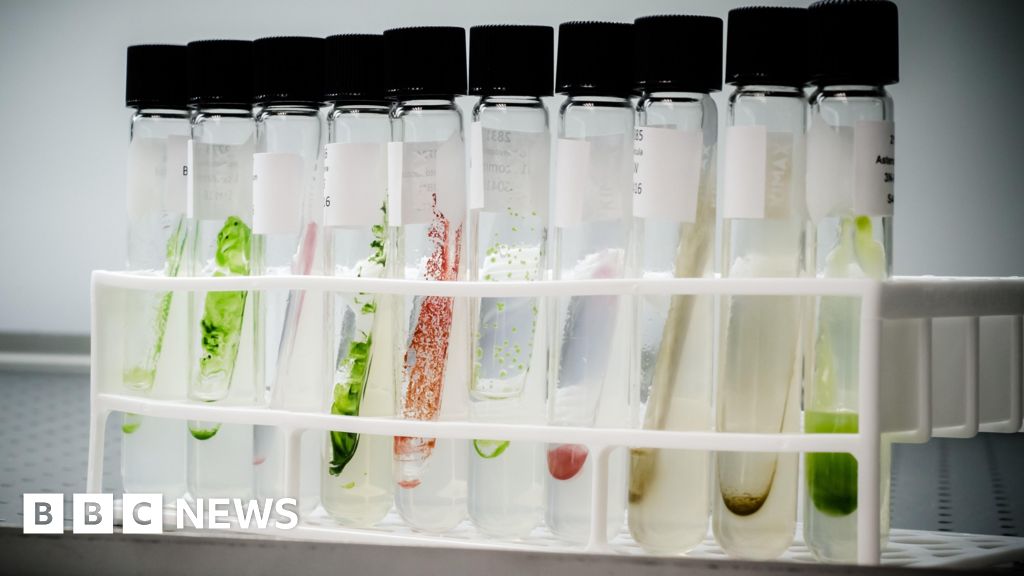
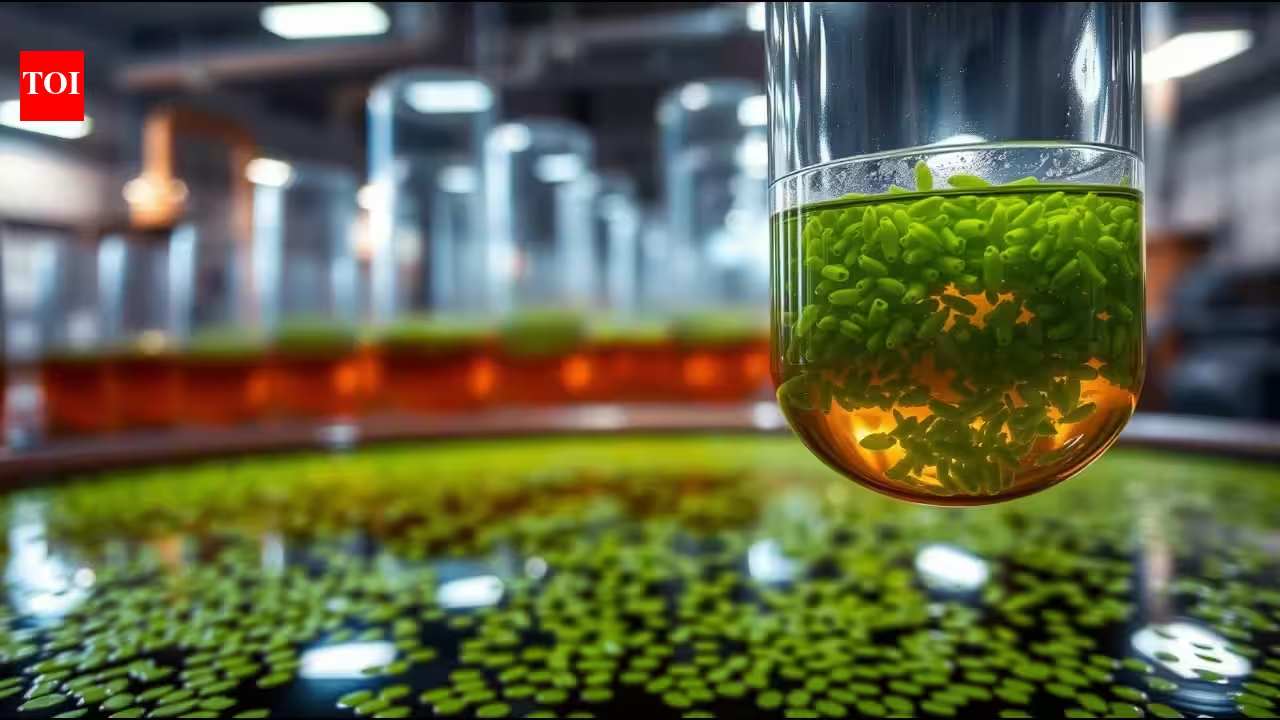
The study, published in “Trends in Biotechnology,” shows that Galdieria yellowstonensis, an ancient red algae strain, can consume sugars in chocolate-processing waste to grow into protein-rich biomass containing C-phycocyanin, which is used in food, cosmetics, and pharmaceuticals.
The researchers also found that high levels of carbon dioxide unexpectedly boost Galdieria growth, even though carbon dioxide is normally a waste byproduct of microbial sugar consumption.
Kyle Lauersen, an associate professor at KAUST and lead author of the study, said: “Our work studying the metabolism of algae is uncovering new ways to turn waste into valuable products sustainably. Chocolate production, for example, generates waste when process lines start and stop. We realized this waste could be a useful food for Galdieria.”
The release highlighted that phycocyanin from Galdieria, of which C-phycocyanin is one type, was recently deemed food-safe by the US Food and Drug Administration and is suitable for beverages and other food applications.