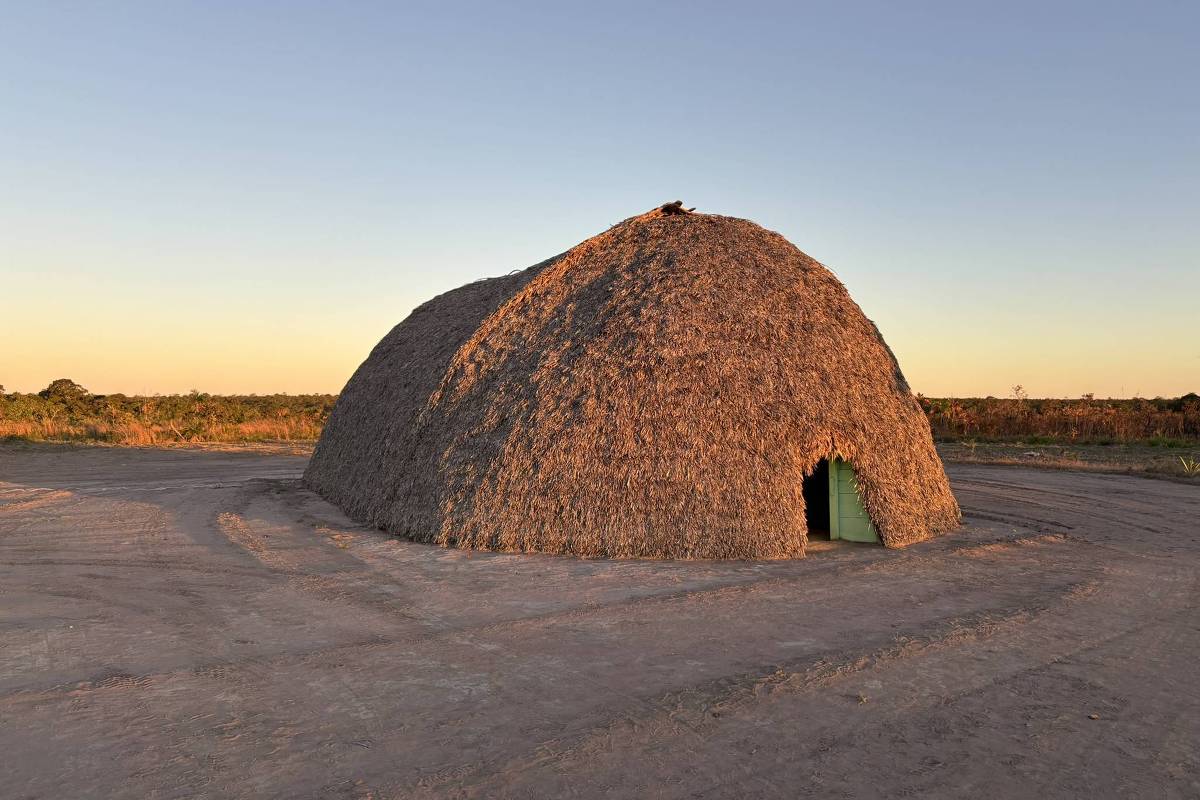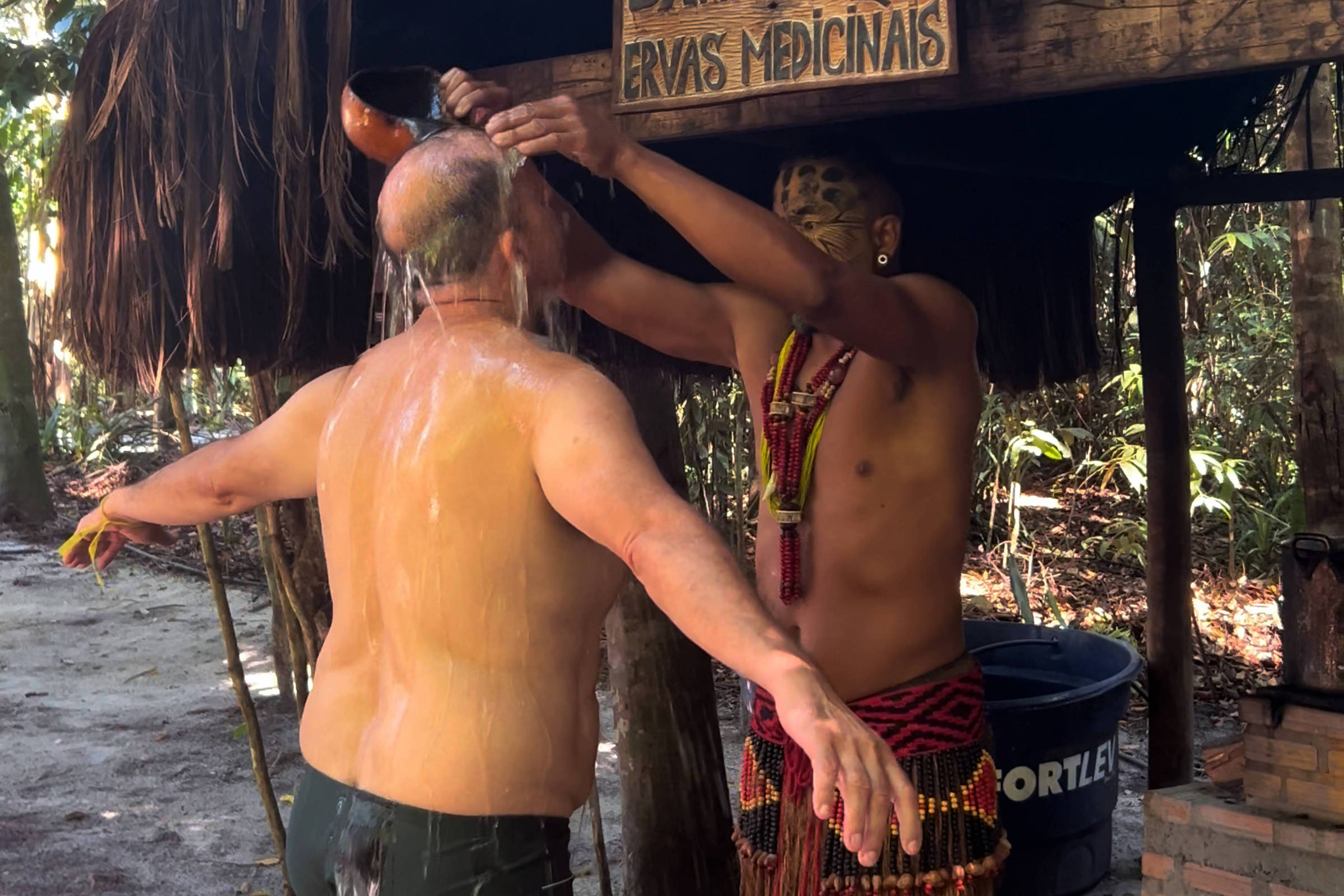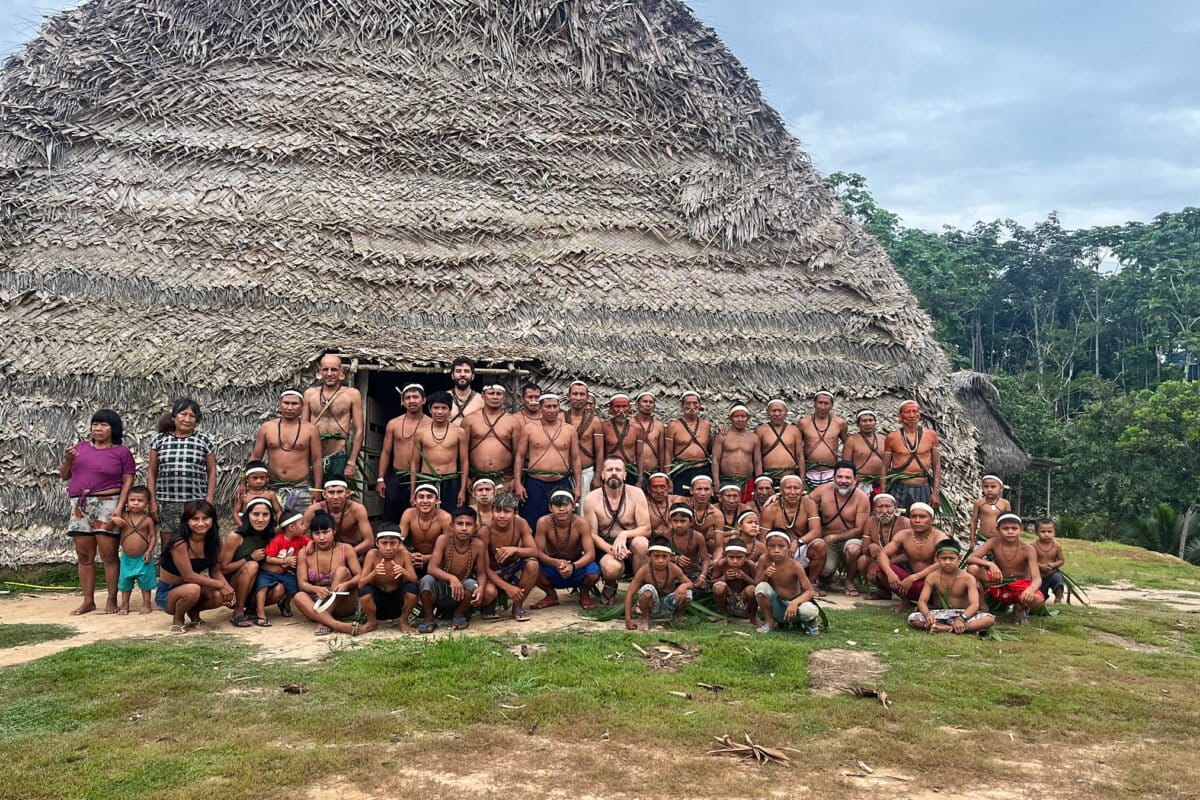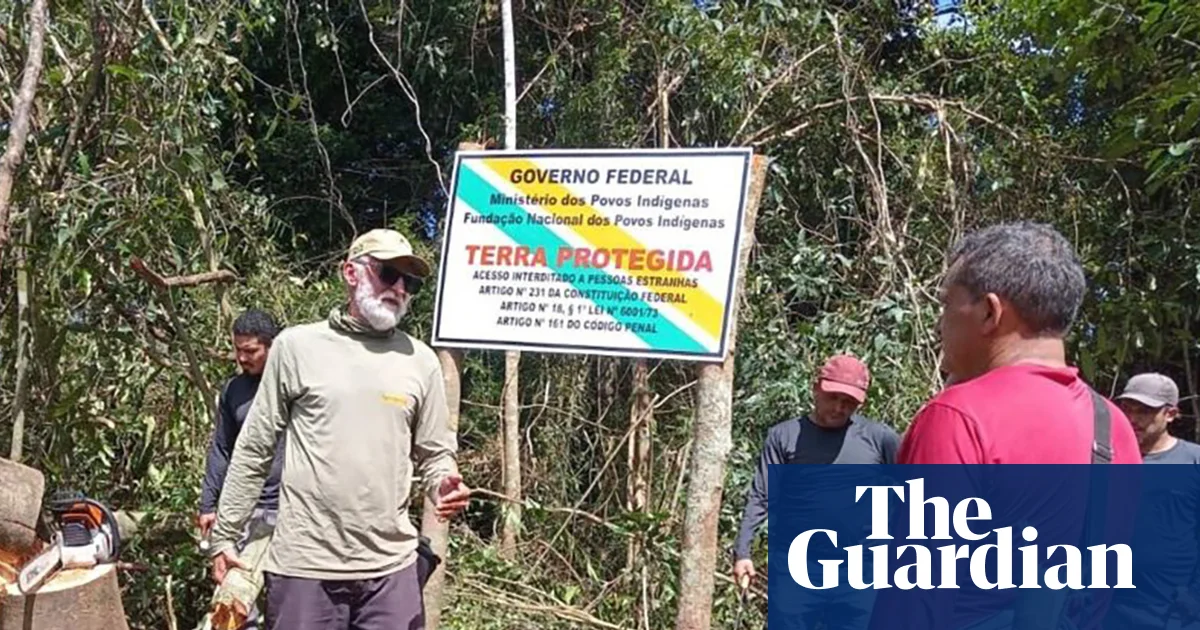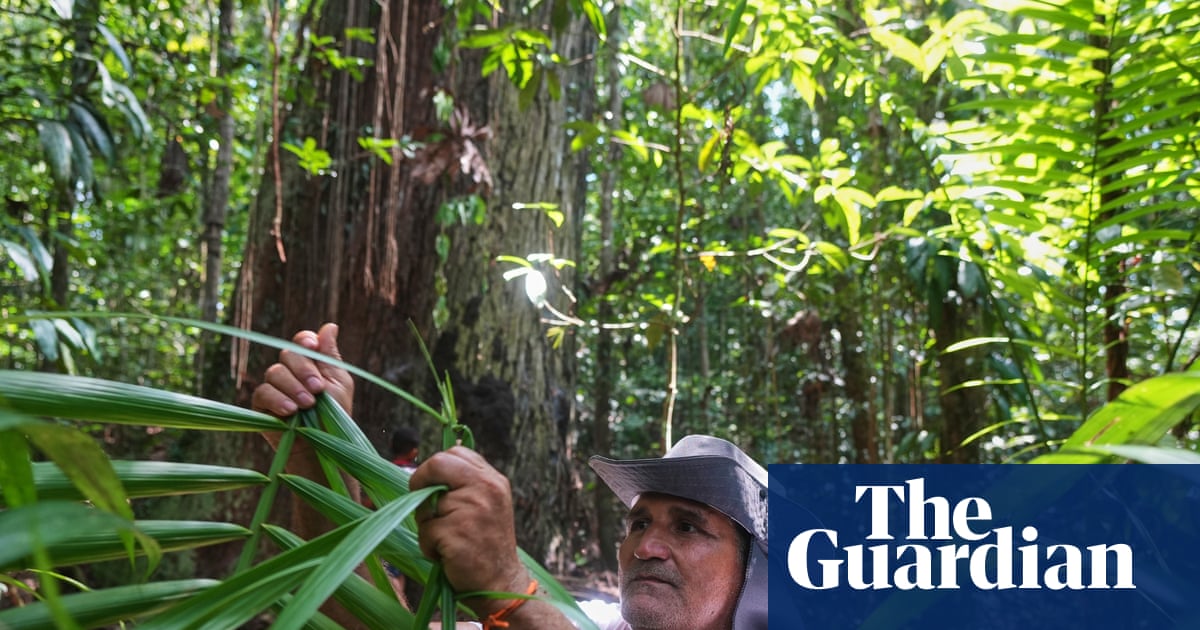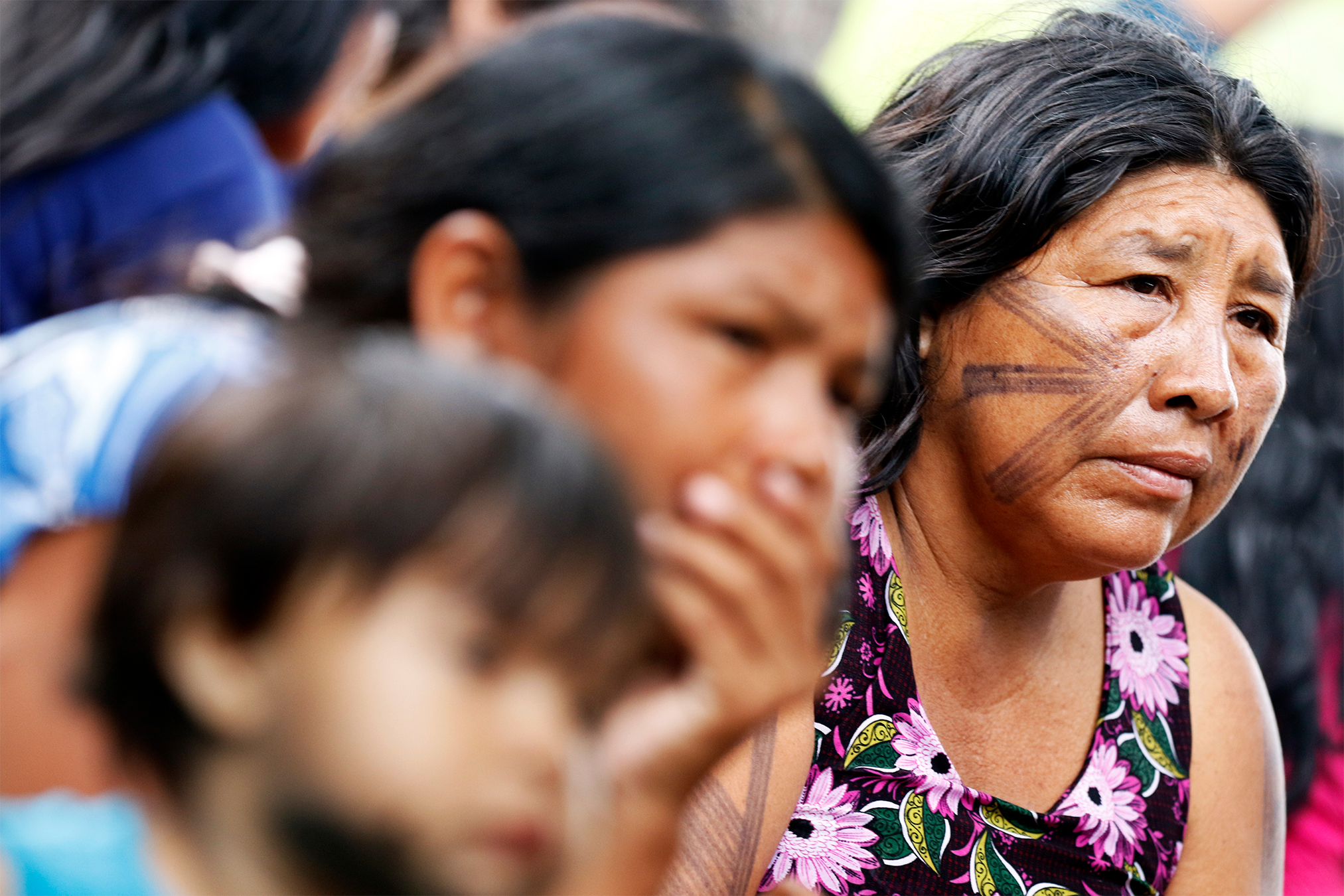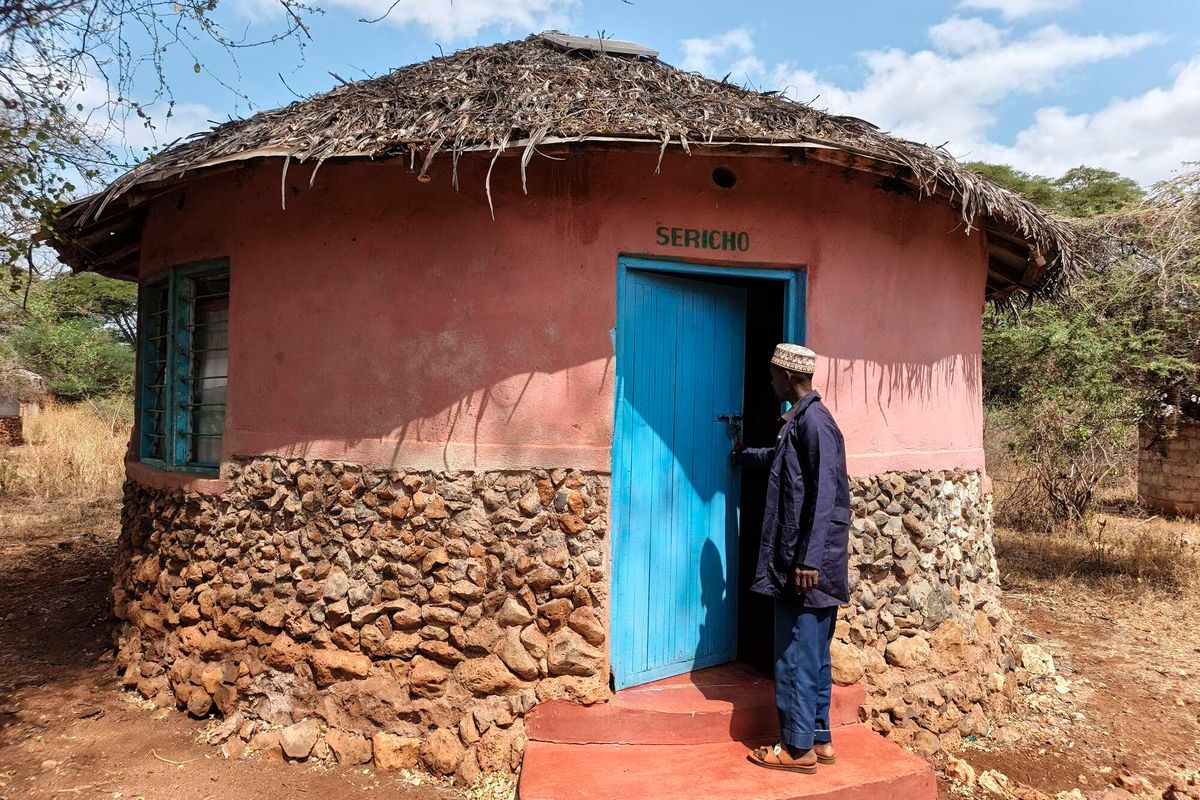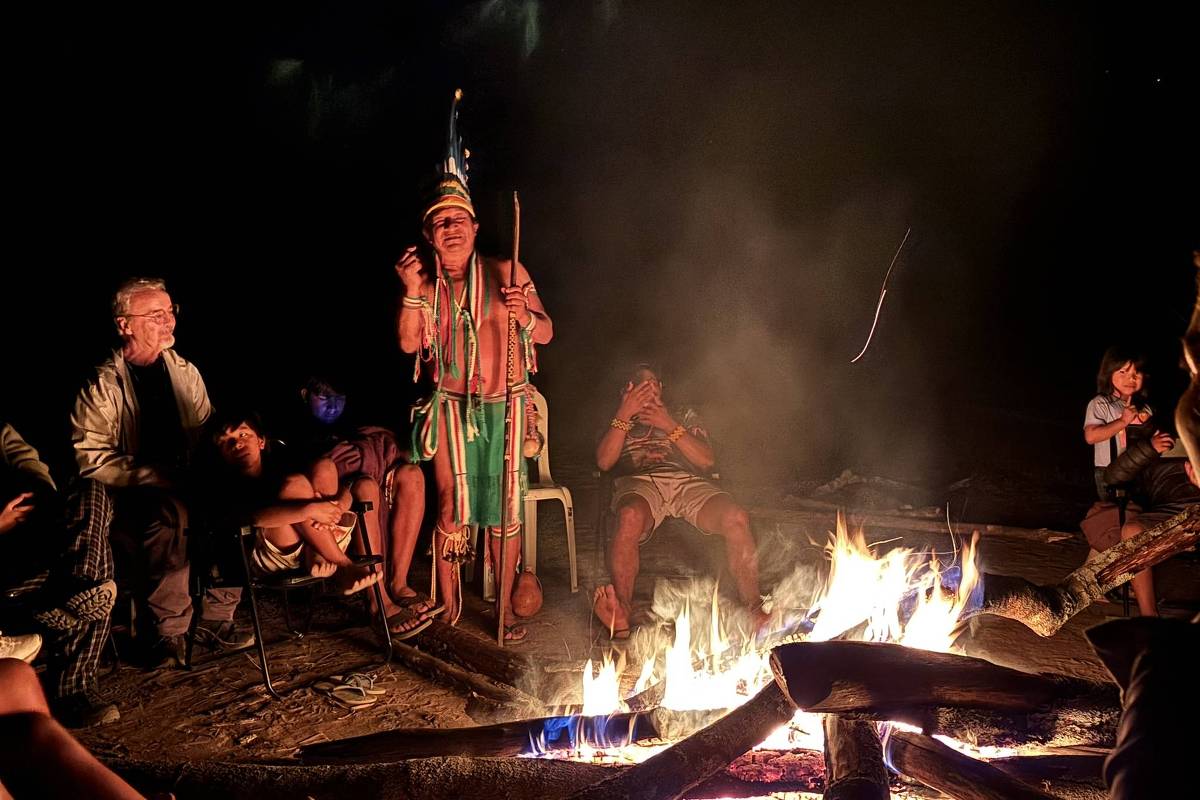
The Haliti Paresi Indigenous Territory in northern Mato Grosso has been preparing since the pandemic to receive tourists through a regulated visitation program included in the territory's management plan and approved by Brazil's Indigenous affairs agency, Funai. Katyalarekwa village, one of five villages open to visitors, has been adapted with the support of Vivalá, a sustainable tourism company, to accommodate both hosts and tourists.One of the hatis—the Paresi people's traditional dwellings—has been fitted with fully equipped tents to accommodate visitors, and two bathrooms have been built. Showers are cold because electricity remains limited. The village is located 360 kilometers (224 miles) from Cuiabá and 110 kilometers (68 miles) from Tangará da Serra. Visitors can join organized tours through Vivalá, with all-inclusive packages costing 3,980 reais per person, or book directly through the Indigenous agency Menane Haliti, which offers two-day visits for 800 reais per person.
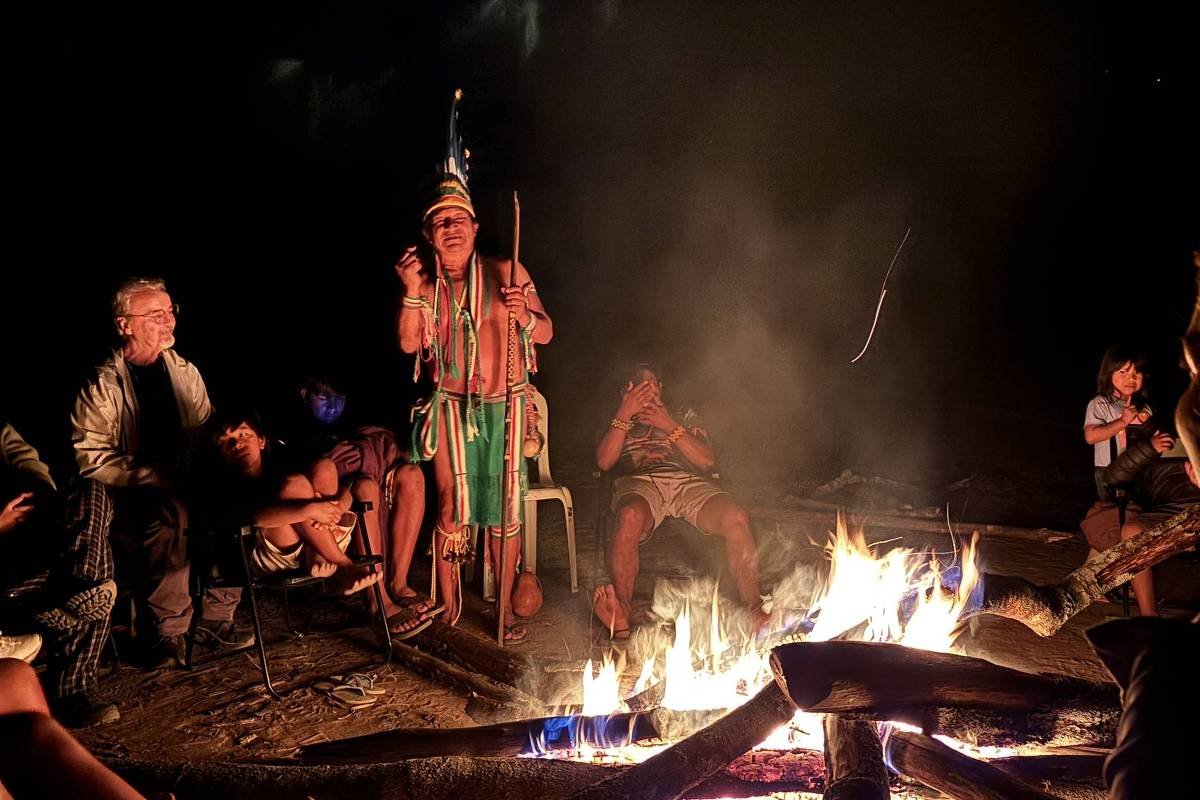
Guests are welcomed with traditional dances before taking part in an introductory gathering. At night, they sit around a campfire to hear Paresi stories, including the origin myth of the ancestral hero Wazáre. They also learn about the sacred flutes, which are played only by men, and attend Paresi language lessons—an Arawak language—taught by instructor Salomão Nezokemazokai. "Explaining these traditions to tourists also helps us teach our children," said Pedro Kezowe, secretary of the Arara Azul Indigenous Association.