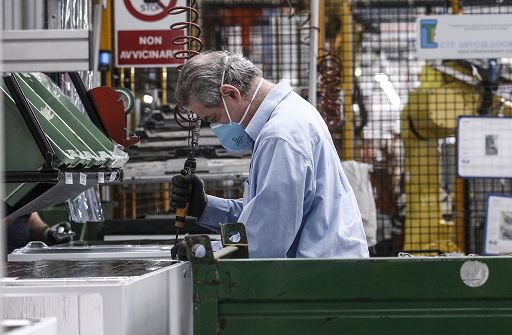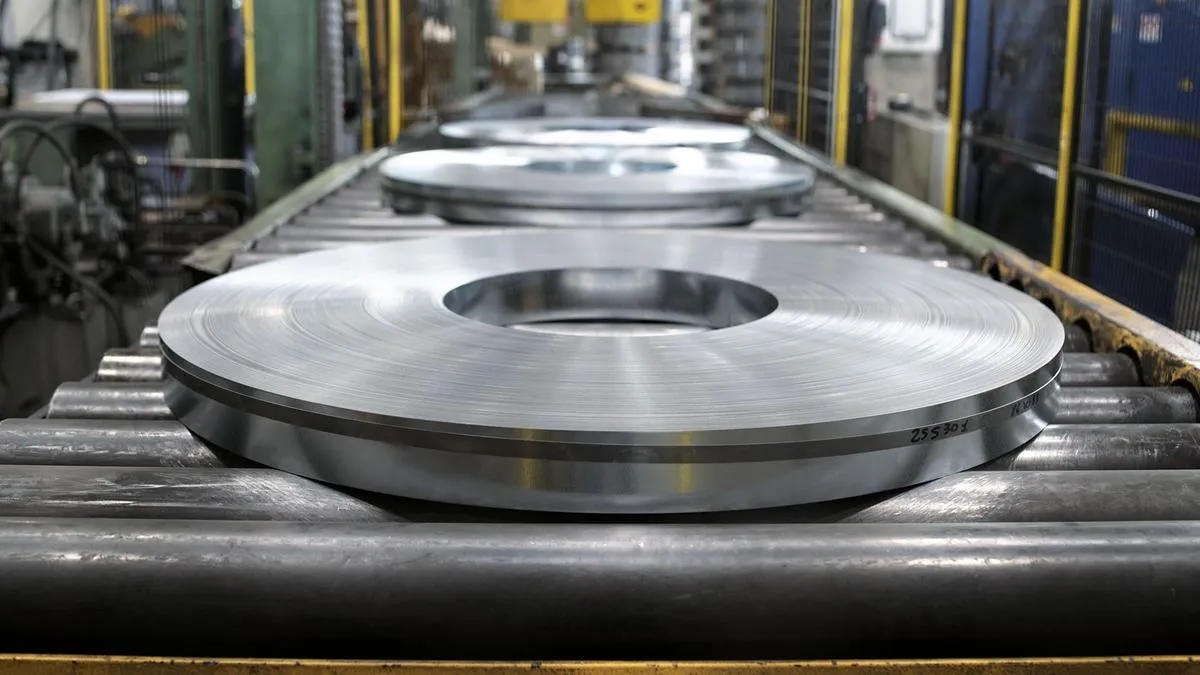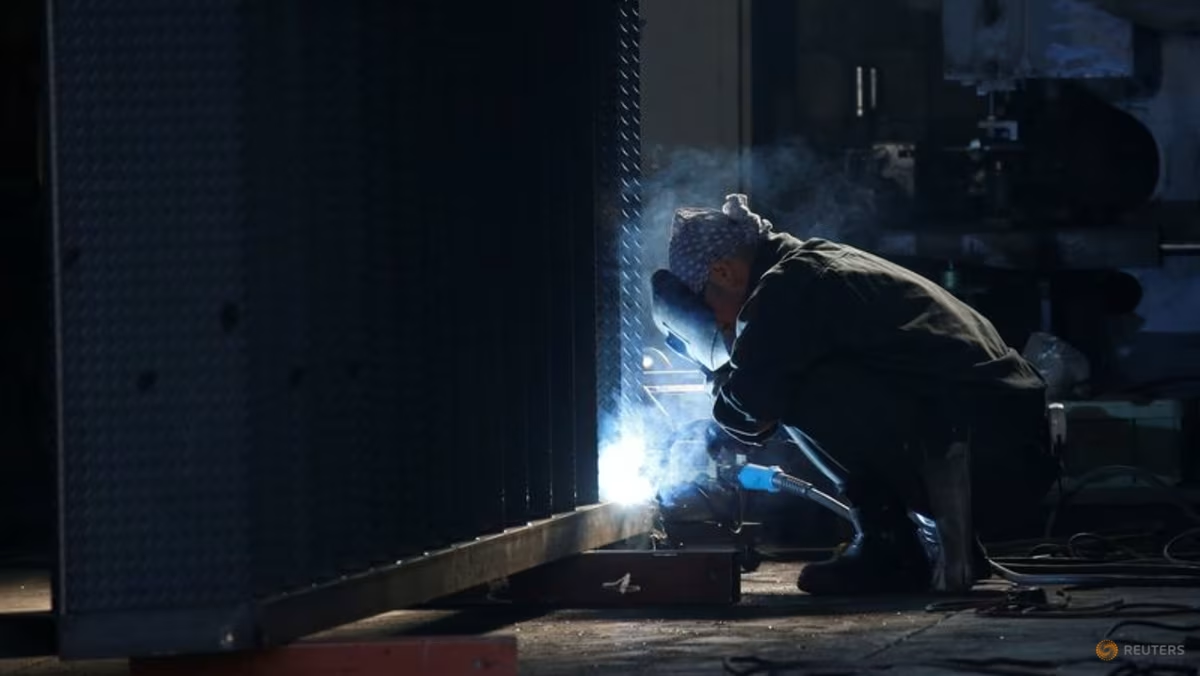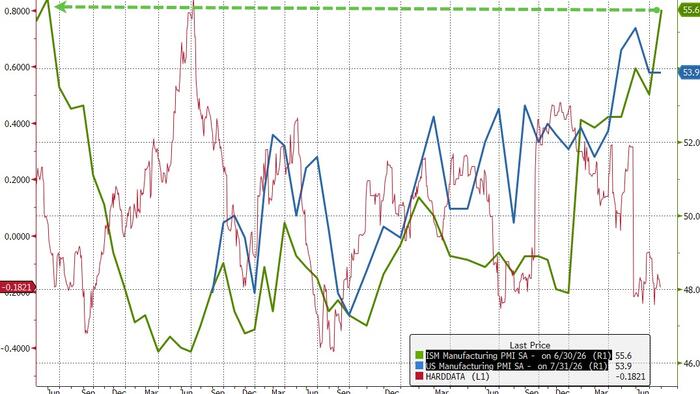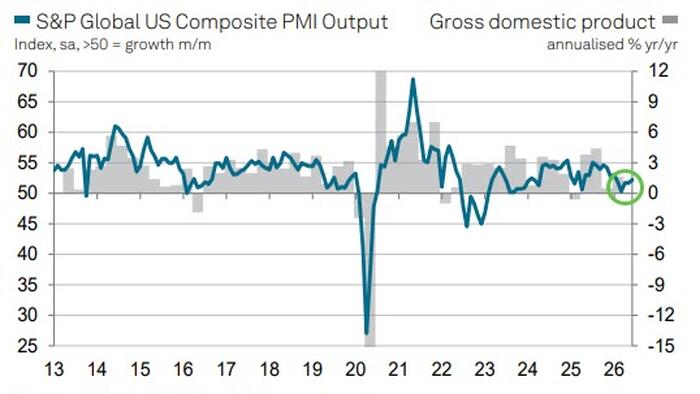
Euro zone manufacturing had a moment in July. The S&P Global/HCOB Manufacturing PMI hit 52.0 in preliminary data released July 24, its sixth consecutive month in expansion territory and the strongest headline reading since April 2026. The output index climbed even higher, reaching 53.0, a level not seen since March 2022.
Here’s the thing, though. The factories weren’t busy because customers were banging down the door. They were busy burning through a backlog of old orders. That distinction matters more than it might sound.
What the numbers actually say
A PMI above 50 means expansion. A PMI below 50 means contraction. So 52.0 reads as good news on the surface, and it cleared expectations, which had penciled in a reading of 51.5 against a prior 51.4. Finalized data released August 3 settled the figure at approximately 51.9, a slight revision but still solidly in growth territory.
But peel back one layer and the picture gets murkier. New orders posted only a marginal increase. Export orders, which matter a great deal for a region that depends heavily on selling goods abroad, declined further. Backlogs of work were depleted at their fastest pace since January 2026, which explains the output surge but also signals that this particular tailwind won’t last forever.