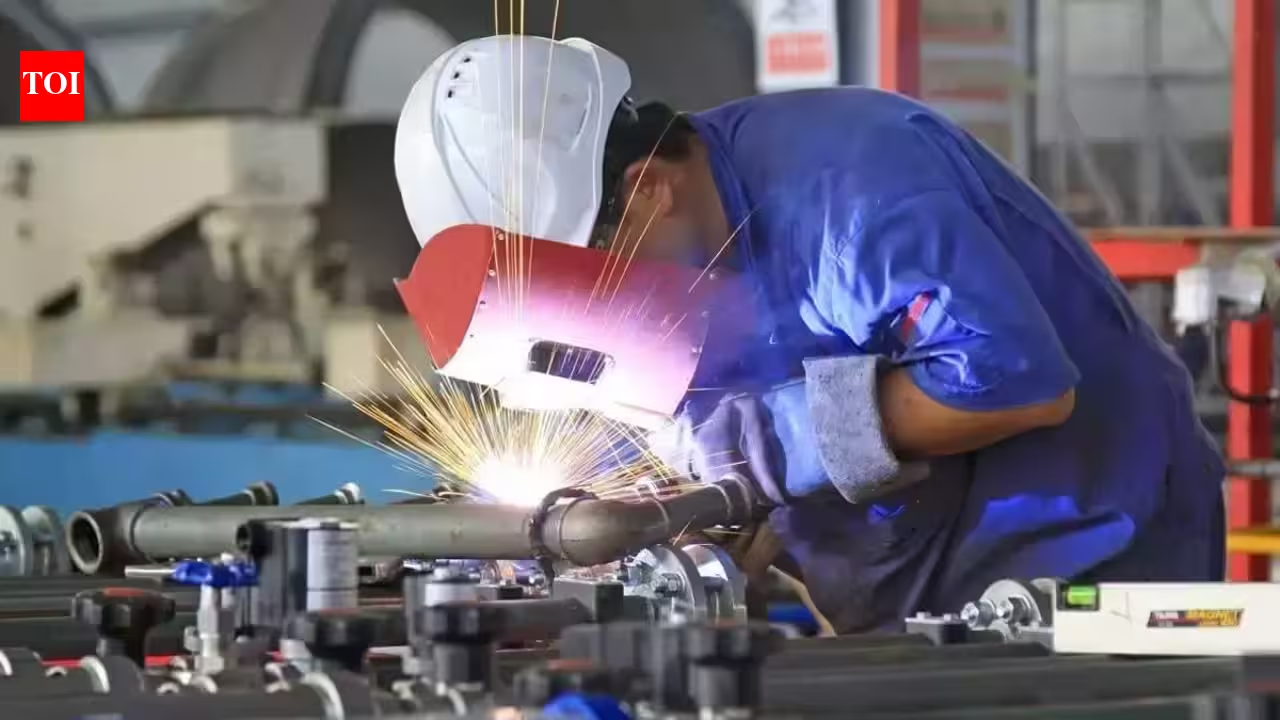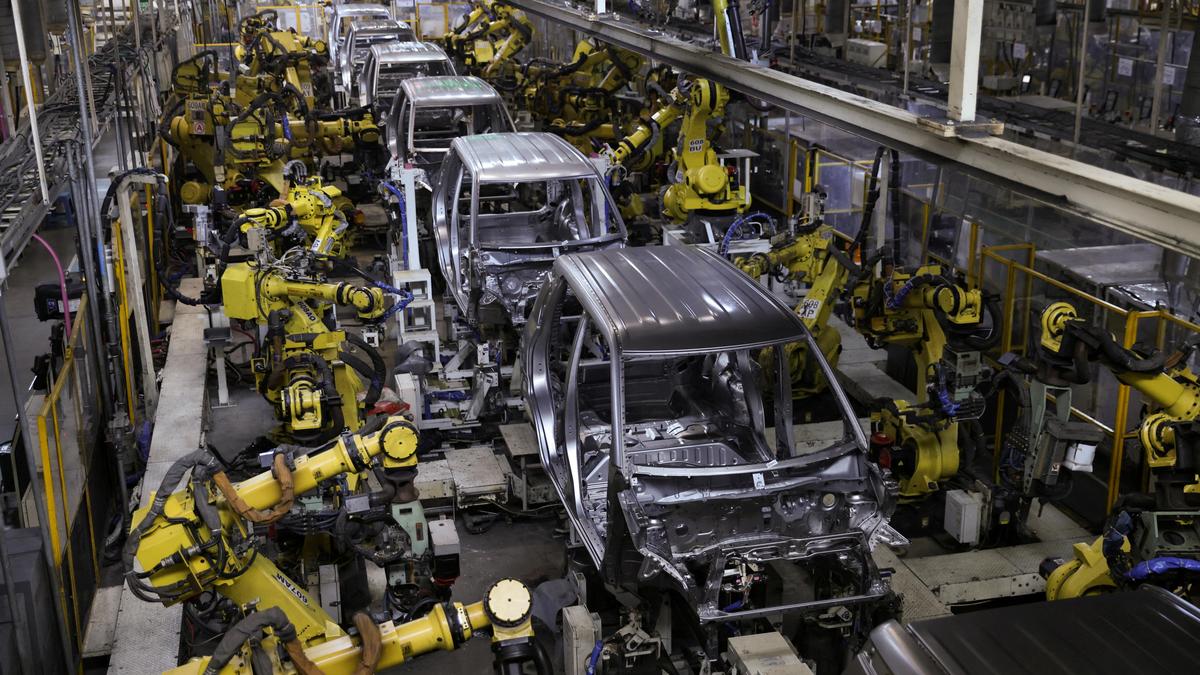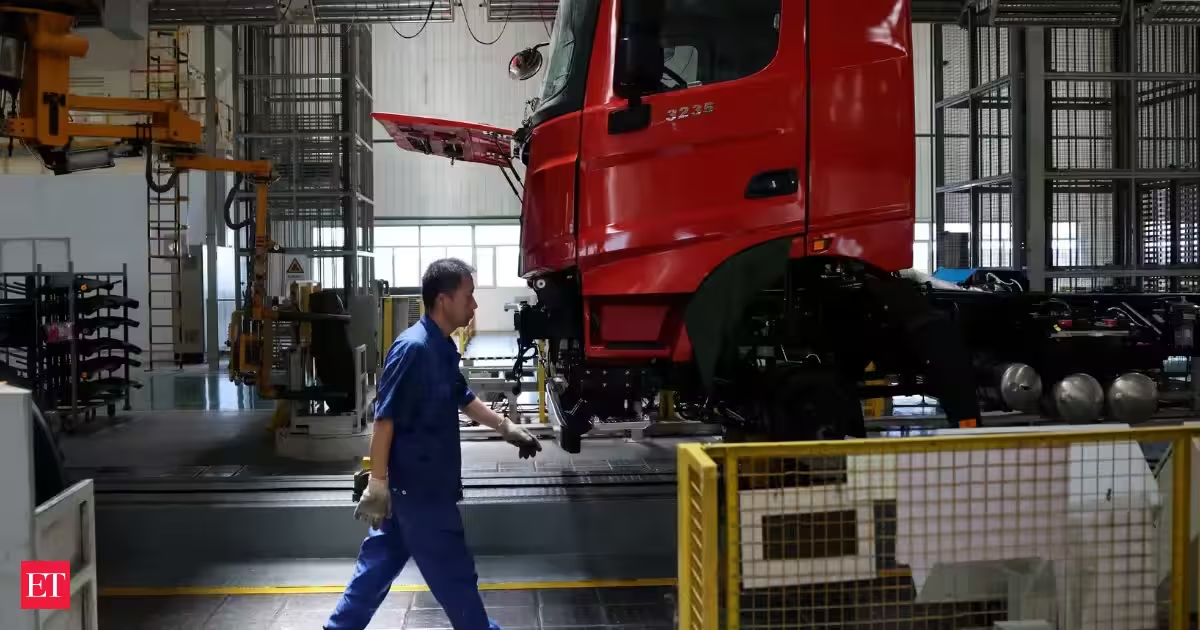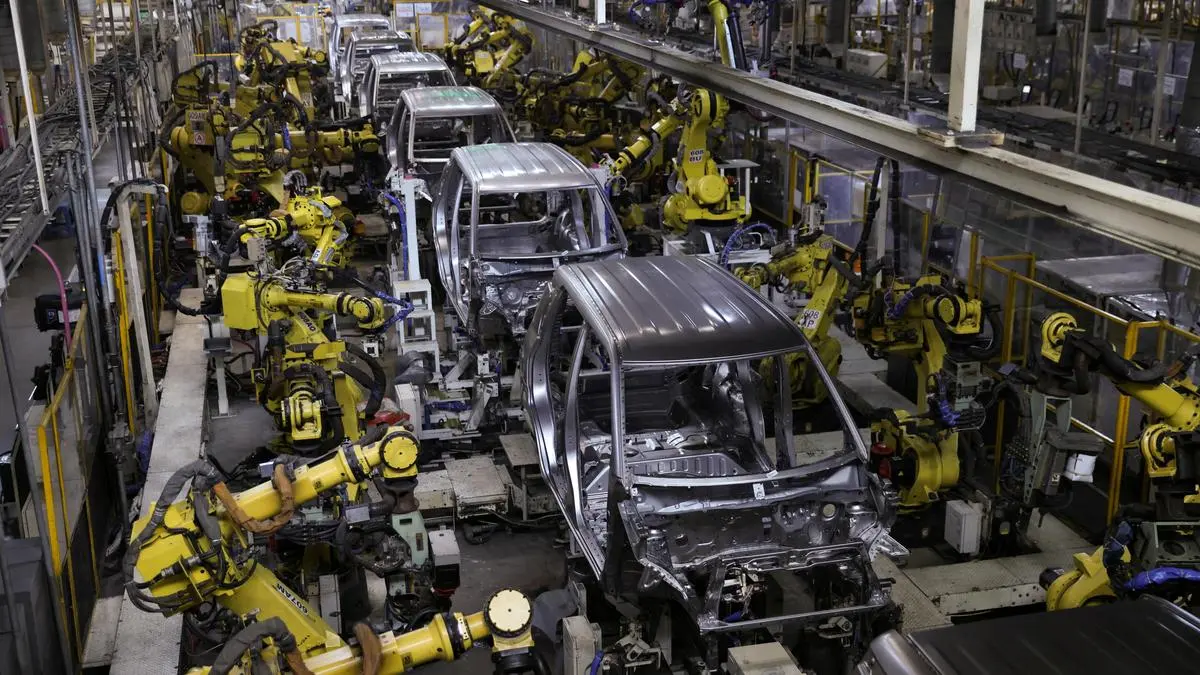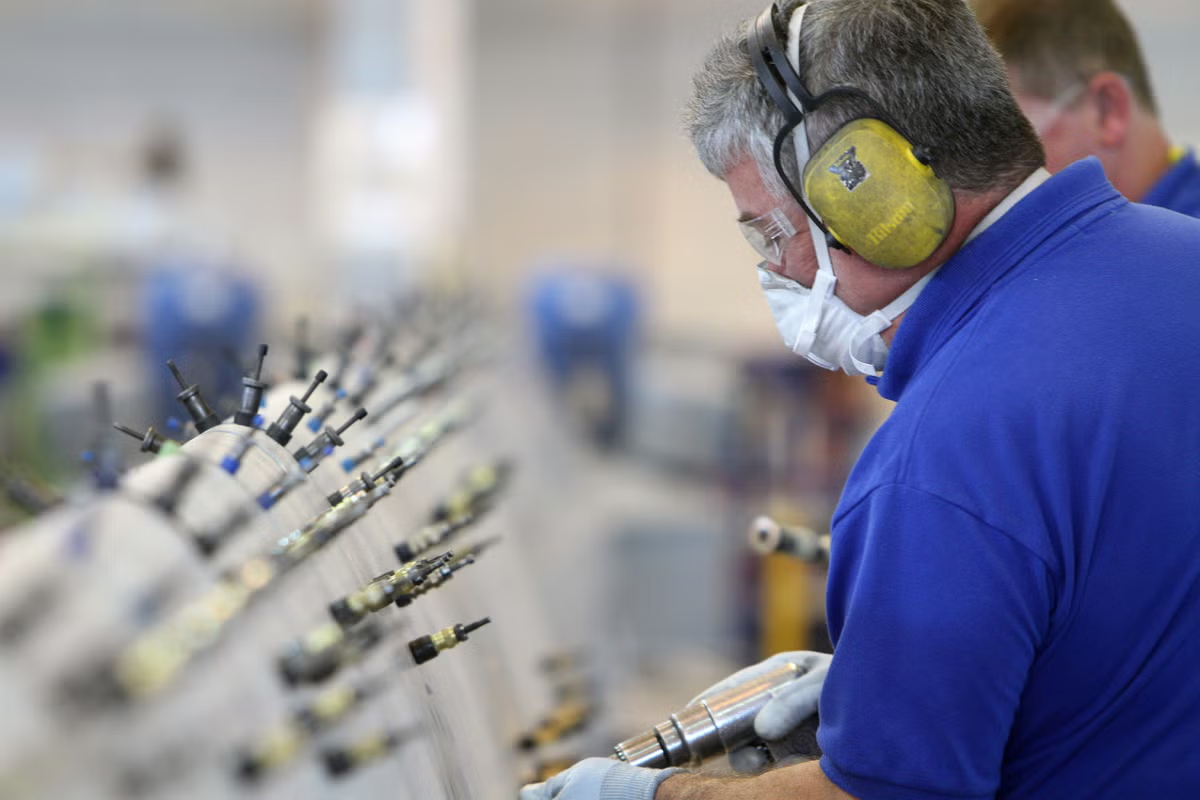
New Delhi: India's manufacturing activity slowed to its weakest pace in nearly five years in July as growth in new orders, input purchases and hiring slackened, although demand remained resilient, particularly from overseas markets, according to a private survey released on Monday.The HSBC Purchasing Managers' Index, compiled by S&P Global, fell to 53.5 in July from 54.2 in June and 59.1 a year earlier. A reading above 50 indicates expansion, while one below signals contraction. The latest reading was also below the series' long-run average of 54.2.The pace of growth in new orders was the second slowest in more than four years. Survey respondents said advertising efforts and resilient demand continued to support sales, although increasingly challenging market conditions and weaker client interest in key products weighed on overall expansion.Export demand, however, remained robust in July. New overseas orders increased during the month, with firms reporting business gains from Canada, Egypt, Indonesia, Kenya, Nepal, South Africa, Thailand and the UAE."Output and new export orders strengthened, pointing to resilient demand, particularly from overseas markets," said Pranjul Bhandari, chief India economist at HSBC.Consumer goods manufacturers reported the weakest performance, amid tepid increases in output and new orders, while producers of intermediate and capital goods recorded stronger expansion.Business confidence improved from June's recent low, with firms expressing optimism about demand, infrastructure projects and new client enquiries. Some respondents also said they expected market conditions to improve and that their marketing initiatives would support future growth.Supply-chain conditions continued to improve in July. "The suppliers' delivery times index rose in July, an encouraging sign that supply chain delays are continuing to unwind," said Bhandari.Manufacturers increased inventories of inputs and finished goods. Stocks of purchases swelled further, while post-production inventories recovered after declining in June.However, renewed tensions in West Asia have raised fresh doubts about how durable these improvements would be, Bhandari said.In response, she added, manufacturers appear to be rebuilding buffers: inventories of both inputs and finished goods increased alongside an increase in purchasing volume.
Manufacturing activity hits 5-year low as growth of new orders slows
The HSBC Purchasing Managers' Index, compiled by S&P Global, fell to 53.5 in July from 54.2 in June and 59.1 a year earlier. A reading above 50 indicates expansion, while one below signals contraction. The latest reading was also below the series' long-run average of 54.2. The pace of growth in new orders was the second slowest in more than four years. Survey respondents said advertising efforts and resilient demand continued to support sales, although increasingly challenging market conditions and weaker client interest in key products weighed on overall expansion.
330 words~2 min read