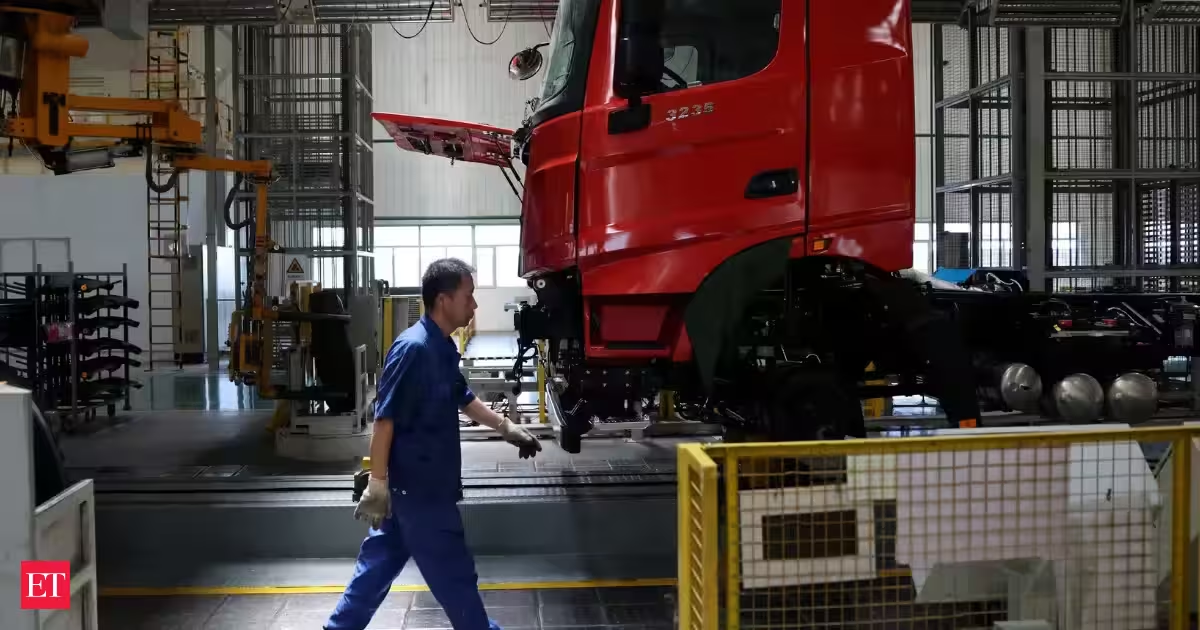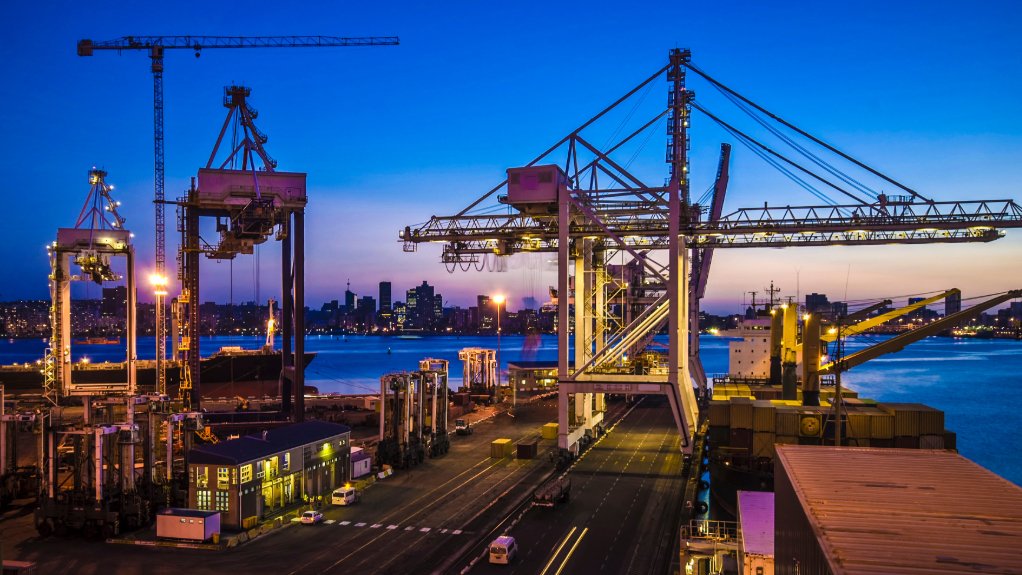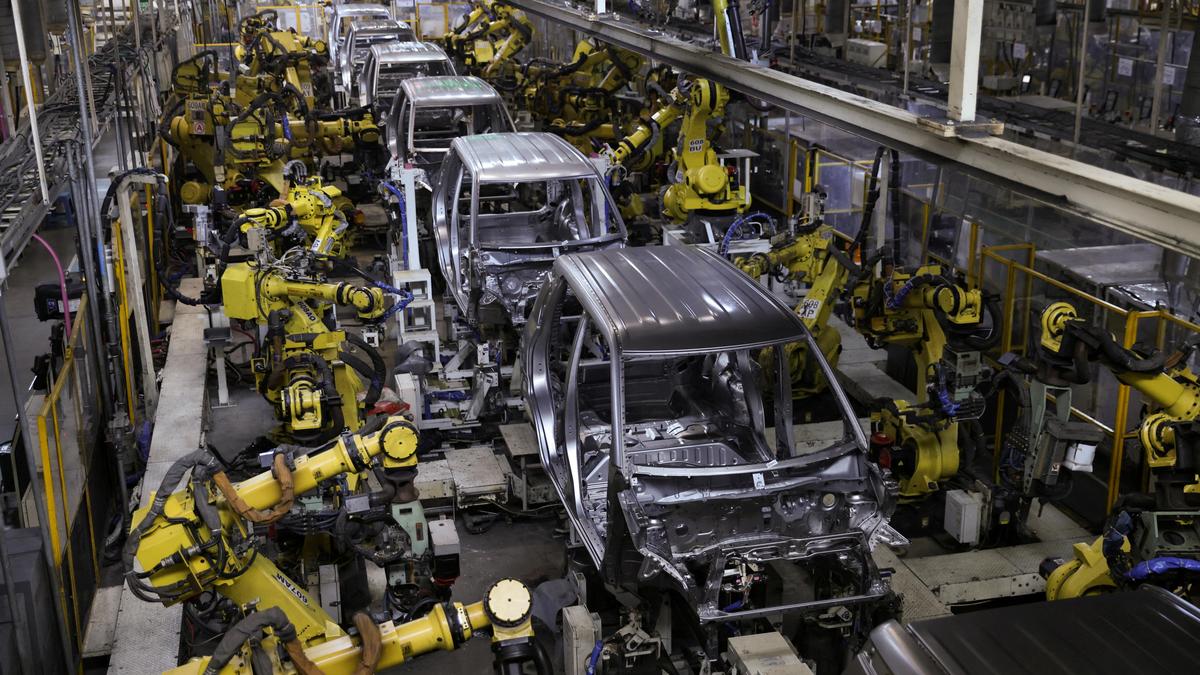
Factory activity was at its lowest in seven months in July, with confidence still subdued and export demand weak, while continued inventory drawdowns suggested manufacturers are cautious about the sustainability of a recovery in domestic demand and easing cost pressures.The Absa purchasing managers’ index (PMI) — a measure of economic activity based on a survey conducted by the Bureau for Economic Research — declined further to 46.8 points in July from 47.3 in June, reaching its weakest level since December 2025.“At first glance, this suggests a weak start to the third quarter. However, the headline decline arguably overstates the weakness in underlying manufacturing conditions. Most notably, domestic demand improved and lifted new sales orders,” Absa said.The decline in supplier deliveries weighed on the headline PMI, but this could be seen as a positive development. Because the index is inverted — so that faster deliveries mean a lower index — a decline could signal some improvement in supply chains, it said. “Indeed, recent data suggests activity in the Durban port is picking up — though Cape Town harbour is still underperforming.“Overall, the July survey paints a somewhat more encouraging picture than the headline PMI suggests. However, subdued confidence, weak export demand and continued inventory drawdowns suggest manufacturers remain cautious about the sustainability of the recovery.”The sector’s weak export performance was in focus at last month’s annual manufacturing indaba, where deputy trade, industry and competition minister John Steenhuisen said regional and continental markets represent one of the best opportunities for industrial growth, making it imperative to ensure South Africa’s ports and rail infrastructure are fit for purpose.The manufacturing sector has been in decline for years, with its contribution to GDP shrinking from about 23% in the mid 1990s to about 13% now, weighed down by a combination of weak local demand, ageing infrastructure and poor energy, logistics and transport services.The latest data from Stats SA showed production decreased 4.3% on an annual basis in May, its biggest contraction in just more than a year, pointing to the sector being a drag once more on GDP in the second quarter after doing so in the first three months of the year.In the Absa July manufacturing activity report, the index tracking expected business conditions in six months’ time declined to 49.3 from 56.6, with the renewed escalation of tensions in the Middle East, together with higher oil prices after June’s lows, contributing to the deterioration in sentiment. The sharp drop also suggests that manufacturers remain sceptical about the durability of the recent improvement in activity.The purchasing price index eased in July, implying that the worst of the recent oil price shock has probably passed, barring any further upsurge in global energy costs.“Even so, input cost pressures remain elevated relative to the pre-war period. However, the increase in diesel prices later this week will put renewed pressure on costs. If recent rand weakness is sustained, that would also put upward pressure on imported goods costs,” Absa said.South Africa is a net importer of oil and petroleum products, and the government adjusts the retail prices of petrol and the wholesale price of diesel each month based on movements in global oil prices and the rand exchange rate from the previous month. The cost of petrol has jumped nearly 29% in the economic hub of Gauteng since March — as the war between the US and Iran strained global oil supply — while the wholesale price of diesel has leapt about 34%, though it has retreated from a peak of R31.18/l reached in May.On Monday the department of mineral and petroleum resources said 95-grade petrol will cost 52c/l less from Wednesday, but the wholesale price of diesel will climb by up to R1.38/l.Business Day
Manufacturing index hits 7-month low as caution persists
Factory purchasing managers wary of cost pressures despite easing oil shock
617 words~3 min read