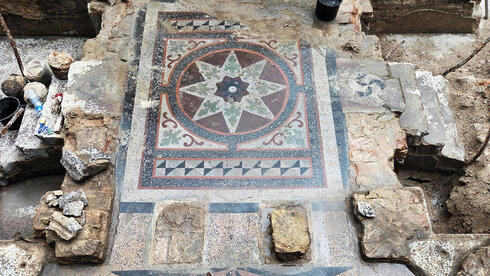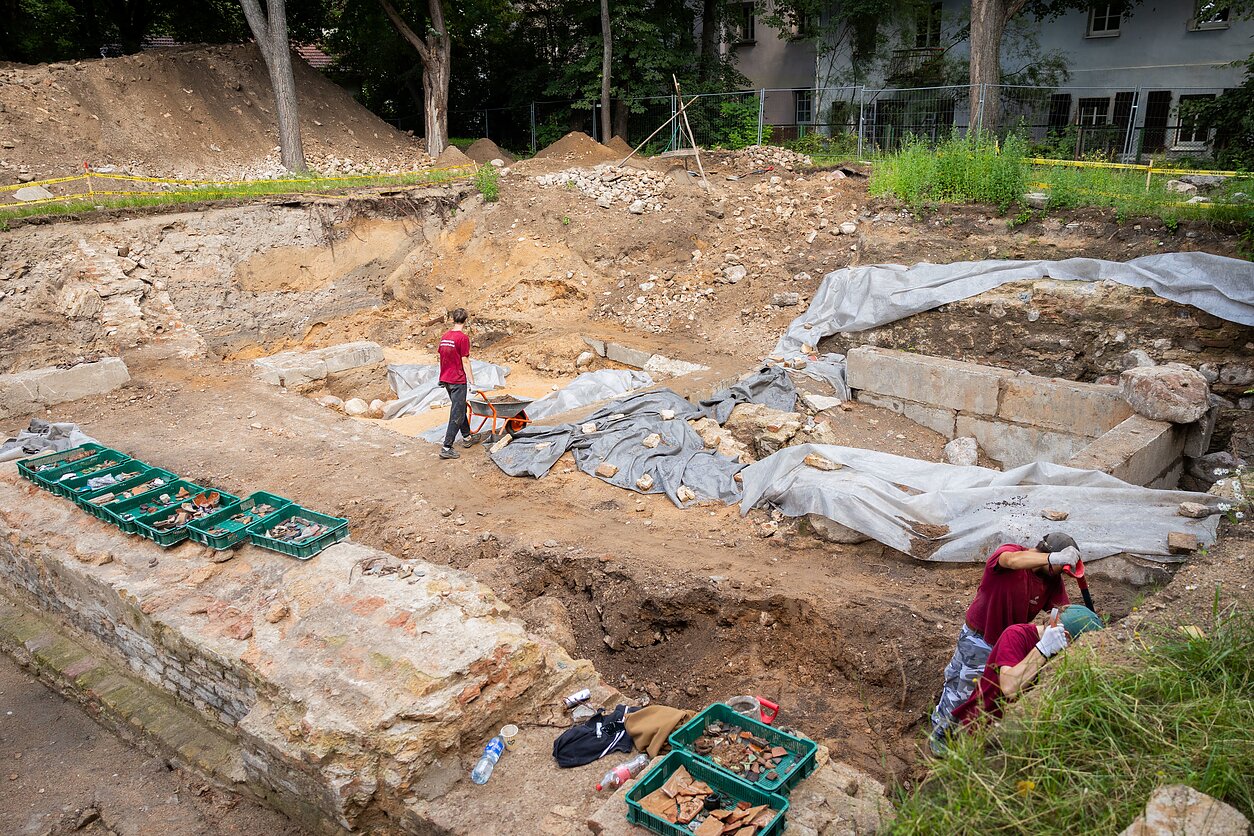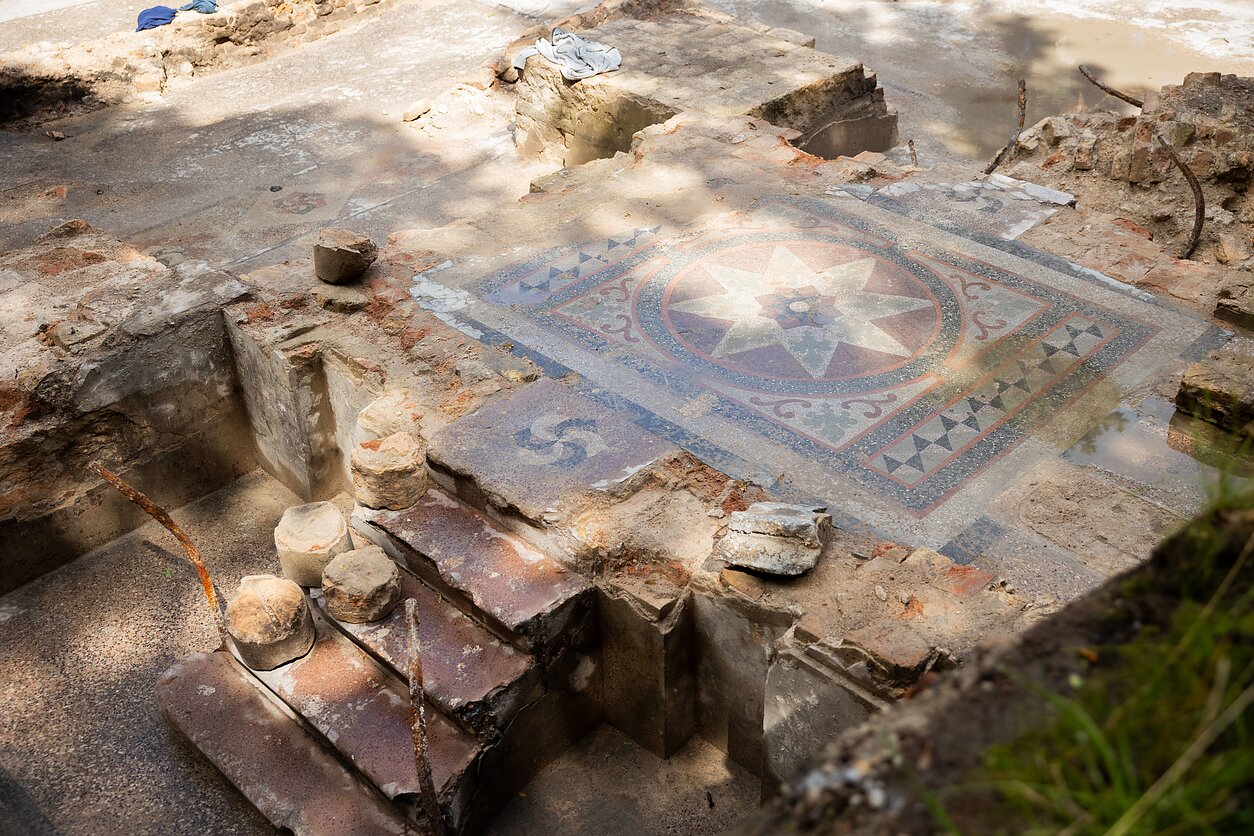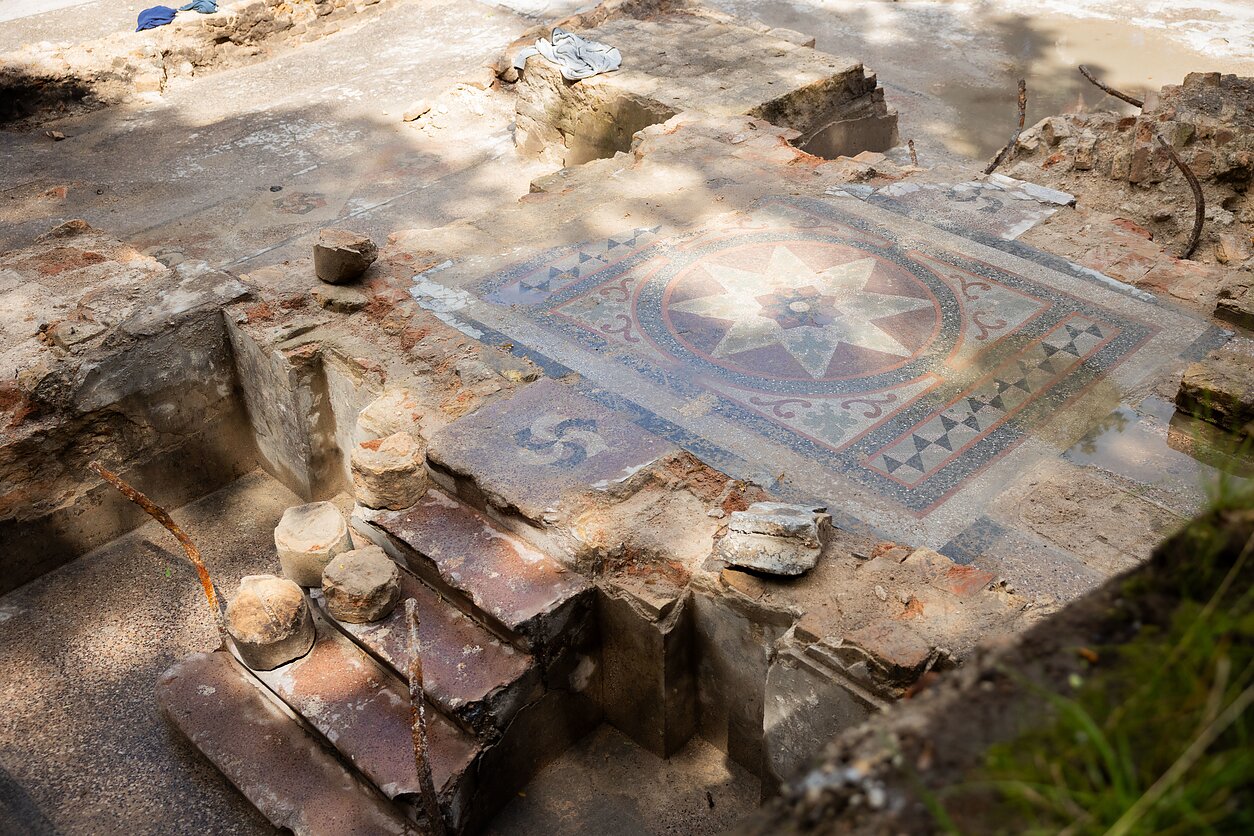
Archaeologist Jon Seligman peers into a deep excavation pit where fragments of the main prayer hall of Vilnius’ Great Synagogue are slowly emerging from beneath layers of sand and dust.
For the Israeli archaeologist, the dig is more than an academic exercise. Although he has travelled to Lithuania six times to take part in excavations, this is the first time he has led the largest archaeological investigation ever undertaken at the site of one of Eastern Europe’s most important Jewish landmarks.
It is also deeply personal.
“My family comes from Lithuania,” Seligman said in an interview. “I had relatives who lived in Vilnius and in other towns, some of whom remained here until 1960. In a way, this is coming home.”
The synagogue, built between the 17th and 18th centuries, stood for centuries as the spiritual heart of Jewish life in Vilnius, once known as the “Jerusalem of the North”. It was burned during World War Two and later demolished. A kindergarten and school were built on top of the ruins.