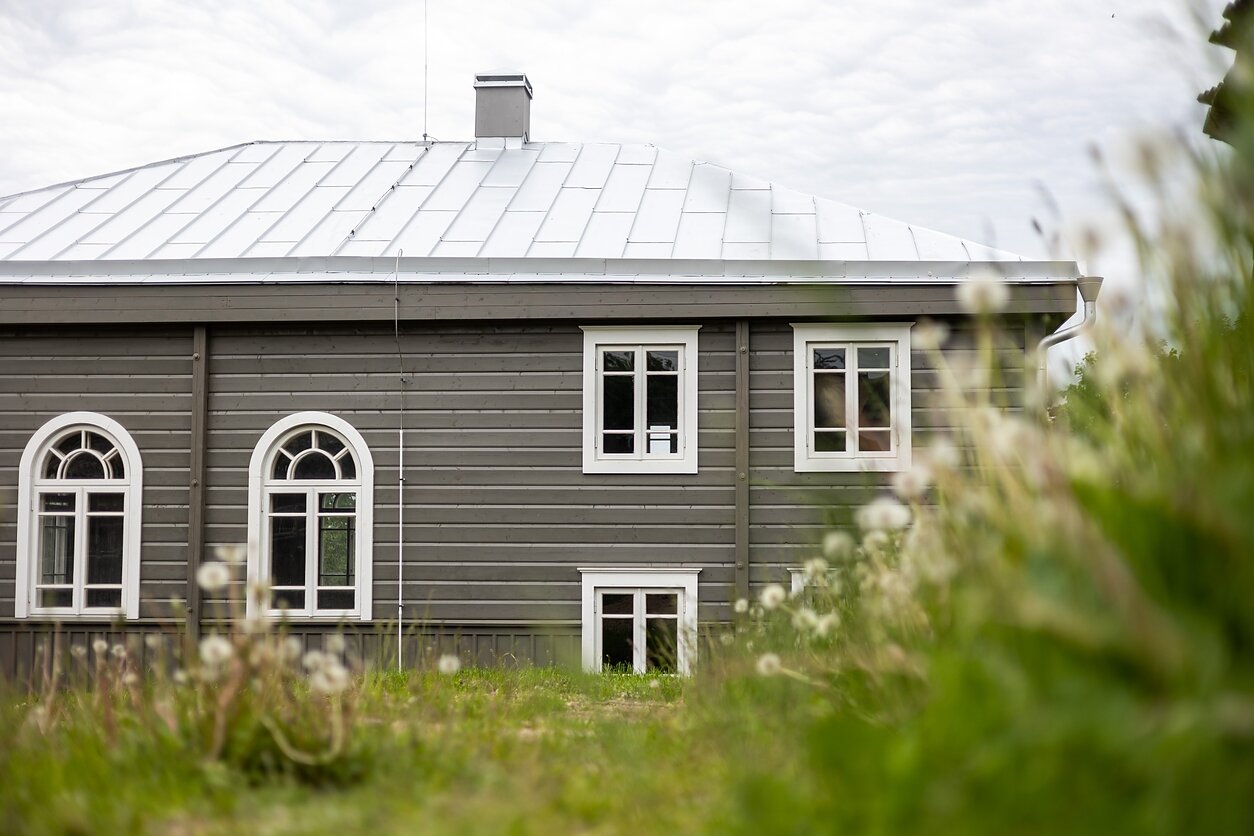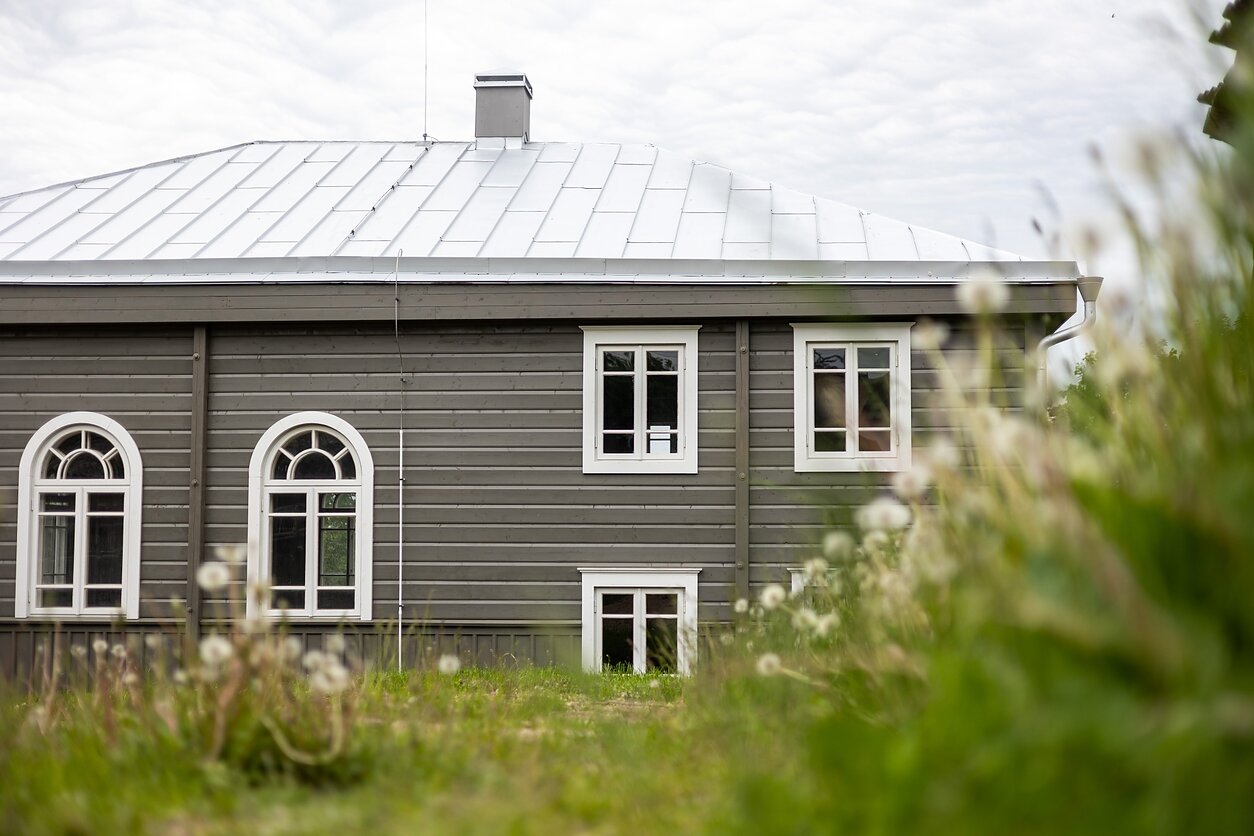
A restored 19th-century wooden synagogue in the eastern Lithuanian town of Alanta has reopened to visitors after decades of abandonment, becoming a new venue for cultural events and exhibitions.
Built around 1860 by Alanta’s Jewish community, which then numbered about 200 people, the Romantic-style wooden synagogue served worshippers until 1941. After World War Two, its windows were boarded up and the building was used primarily as a grain warehouse.
Although authorities planned to demolish the synagogue twice, the building survived.
Adomas Davalga, chief curator of the Alanta Synagogue at the Molėtai Regional Museum, said the synagogue was preserved largely thanks to a local resident, Algirdas Jakutonis, who opposed demolition plans.
“According to him, the local collective farm management proposed demolishing the synagogue on two occasions, but he objected, arguing that tearing it down would create unnecessary problems,” Davalga said. “As long as the building stood, he believed it should be left standing.”