A world-class museum pays a poignant tribute to Lithuania’s erstwhile Jewish community. Ludo Segers shares his impressions.
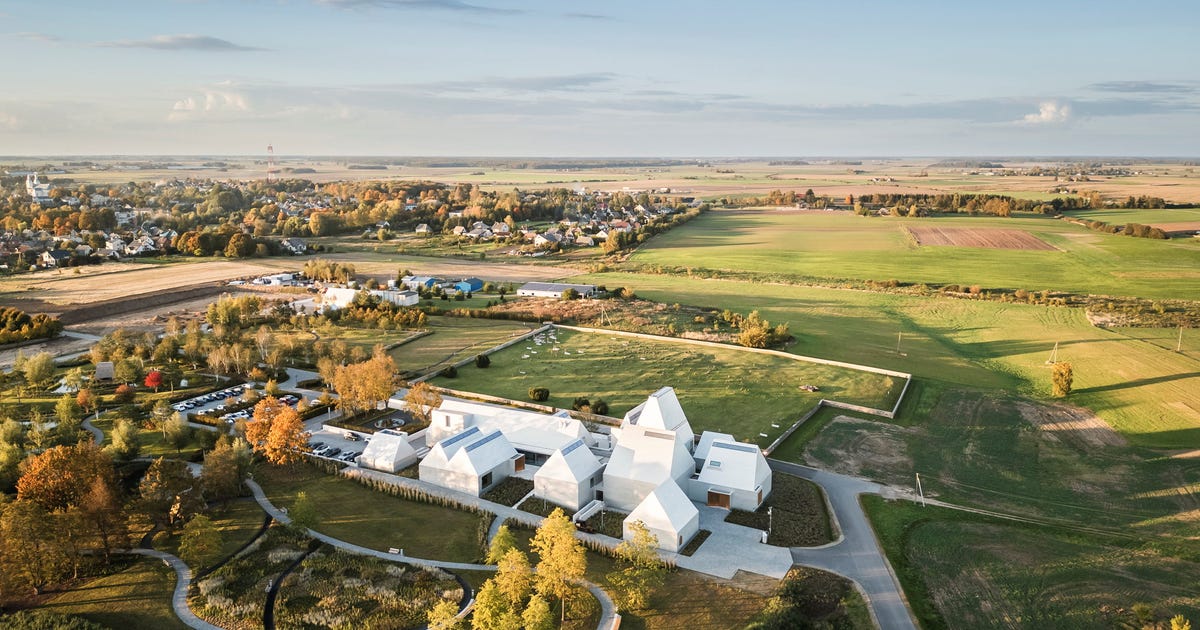
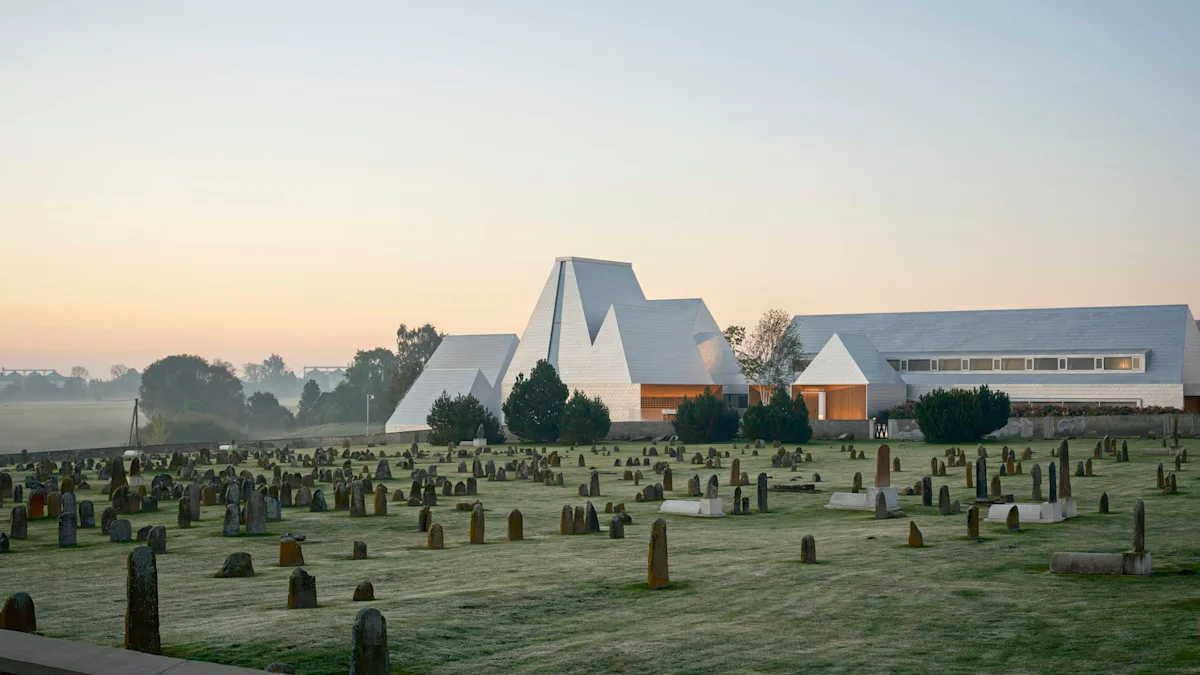
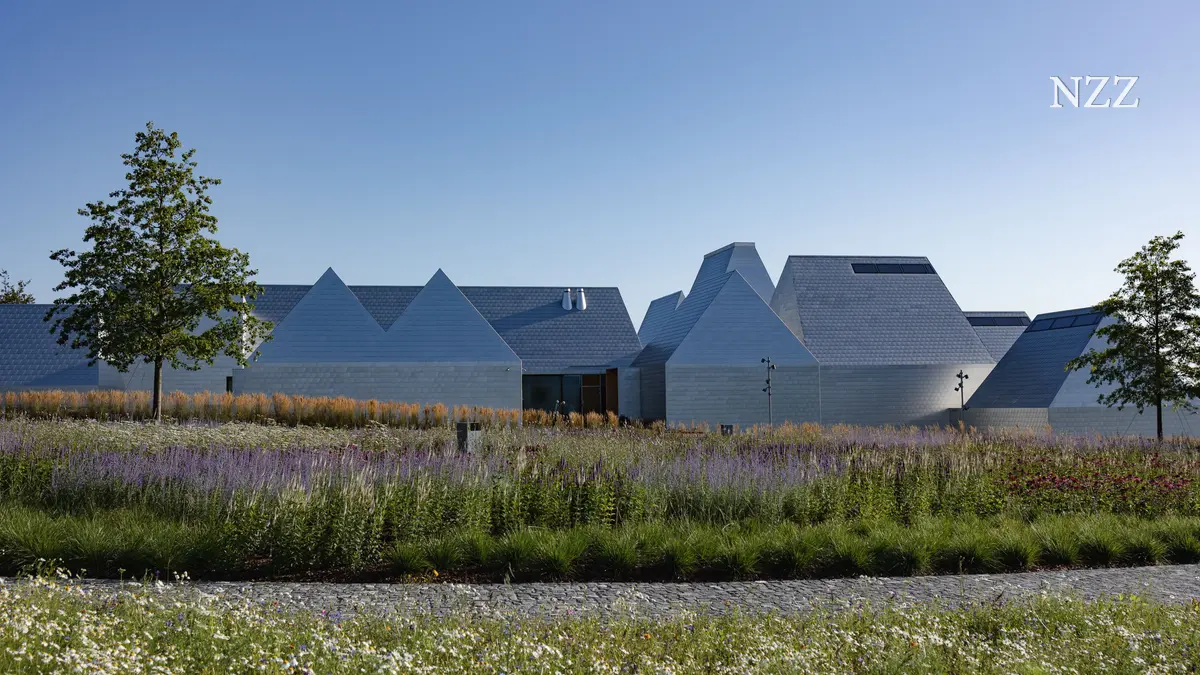
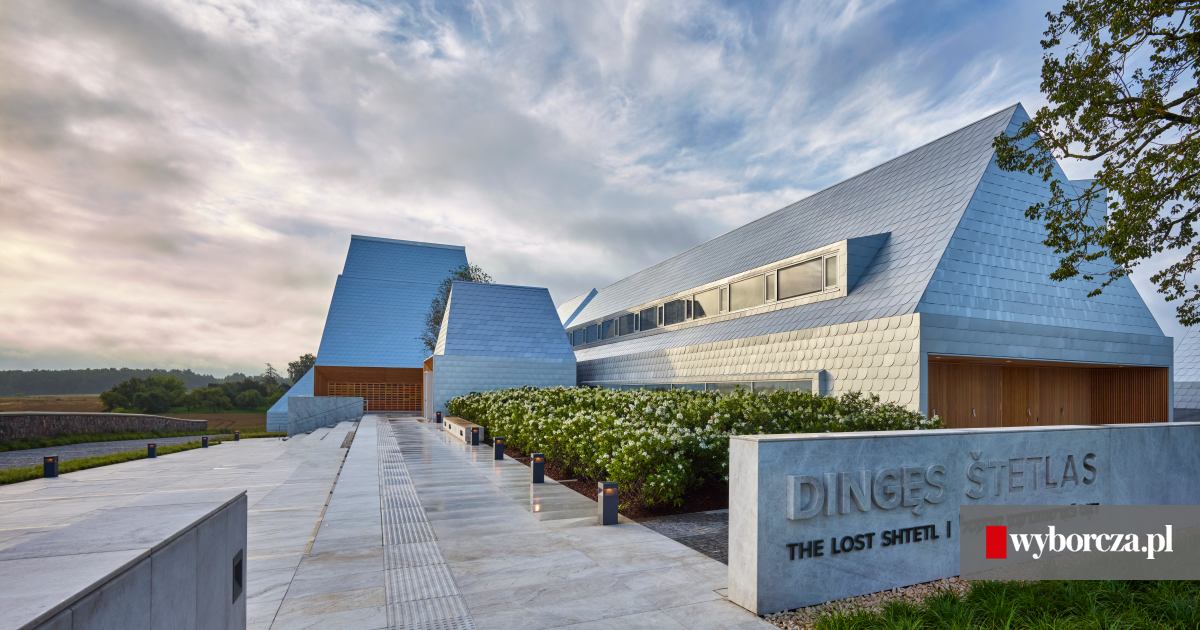
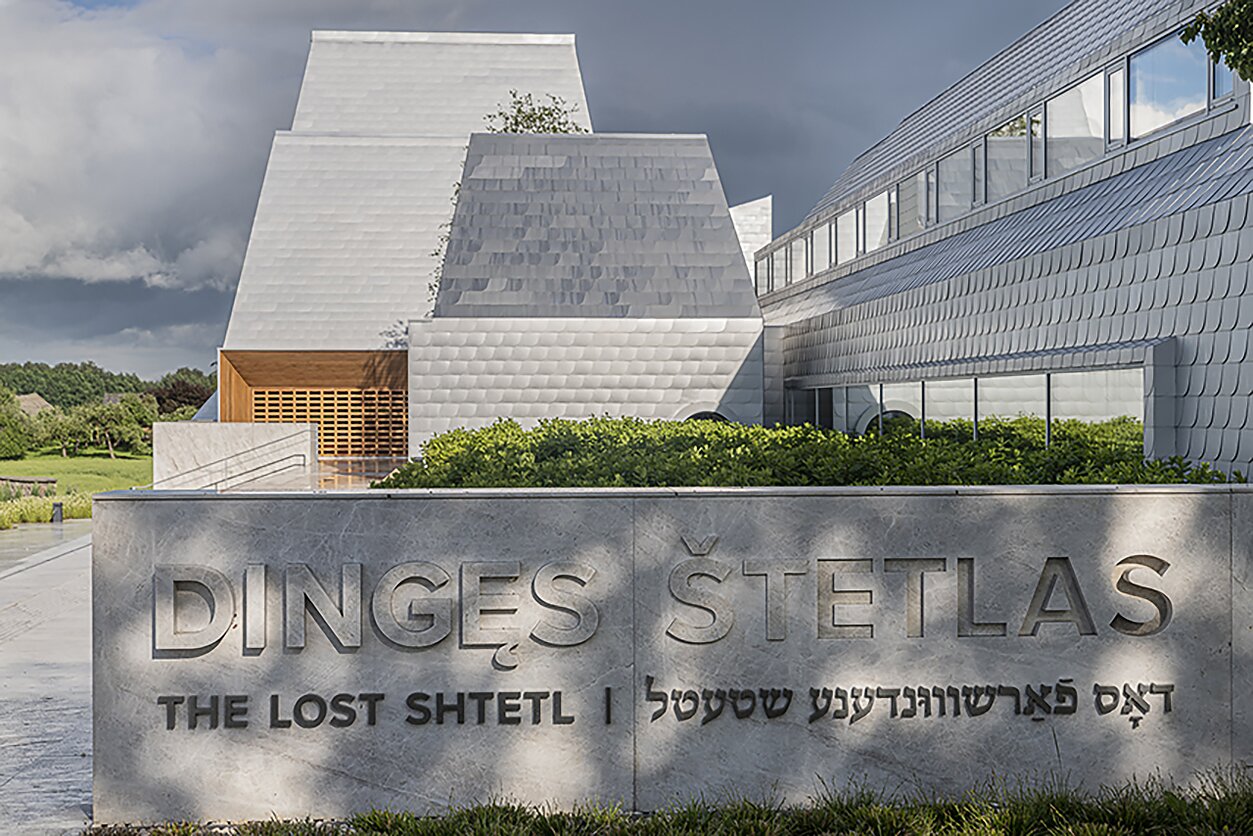
Driving through the quiet, agricultural landscape of northern Lithuania, where rolling fields are dotted with small farms and sleepy communities, one does not immediately expect to encounter a monument of world-class architectural and cultural significance. Yet, upon arriving in the small town of Šeduva, a striking structure emerges from the landscape, standing directly across from a meticulously restored Jewish cemetery. The building looks almost otherworldly. This is The Lost Shtetl Museum.
Among the first impressions upon arrival are the profound sense of scale and complete sensitivity. It is a museum that is in class of its own and rivals the best anywhere in the world. And it was built entirely through private philanthropy via the Switzerland-based YouthAid Foundation, spearheaded by an anonymous descendant of those who mostly vanished. This institution is an extraordinary gift to international cultural preservation.
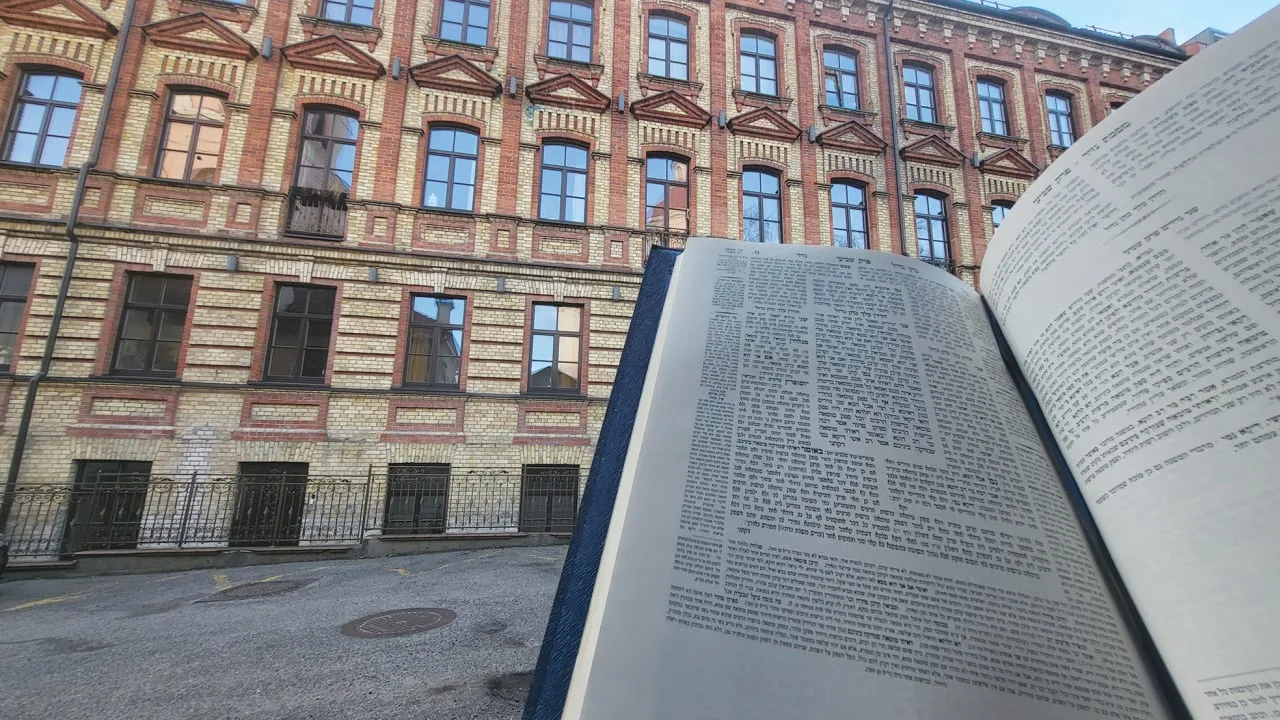
The project does not merely document a historical footnote; it seeks to honour, preserve, and revive the historical and cultural memory of Šeduva’s Jews under a single roof. In doing so, it serves as a gateway to a rich tapestry of a vanished Jewish civilization that once thrived across the territory of the Grand Duchy of Lithuania, shaping the country’s cultural, economic, and political life.