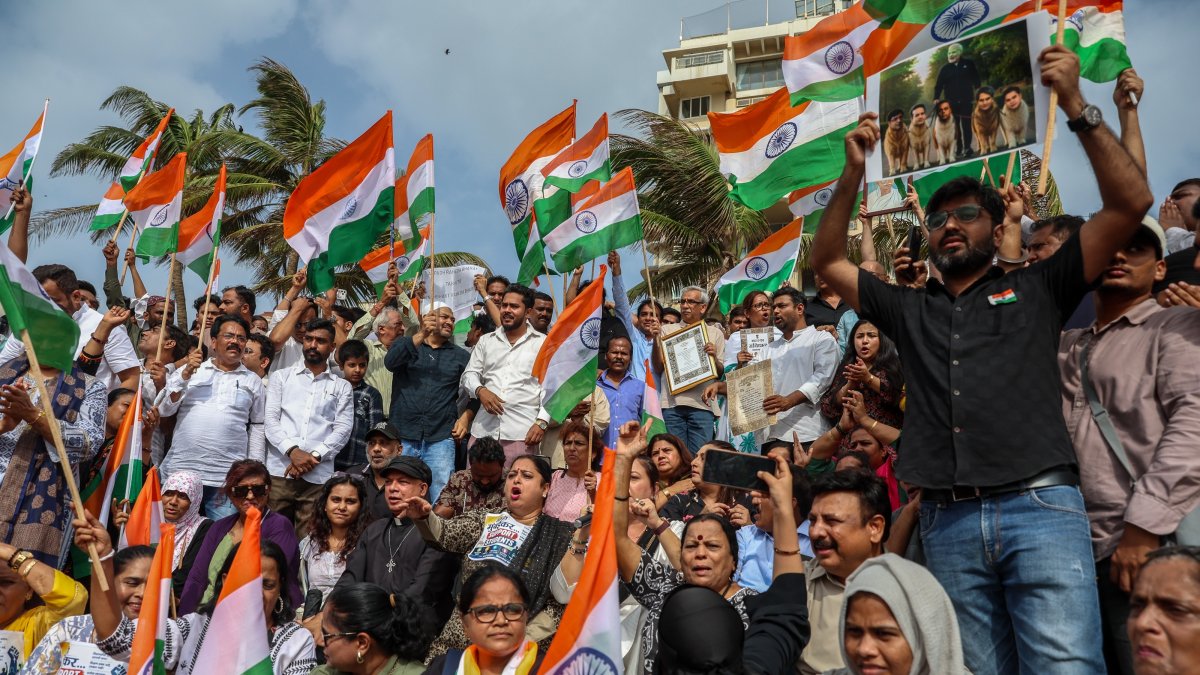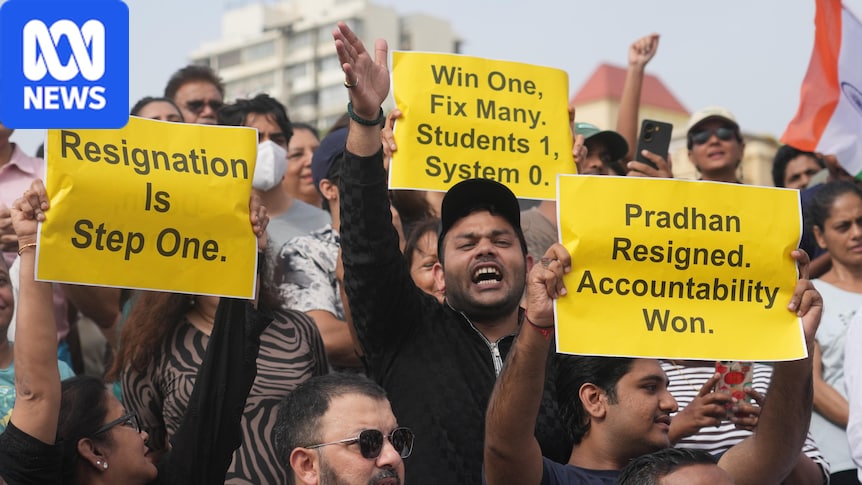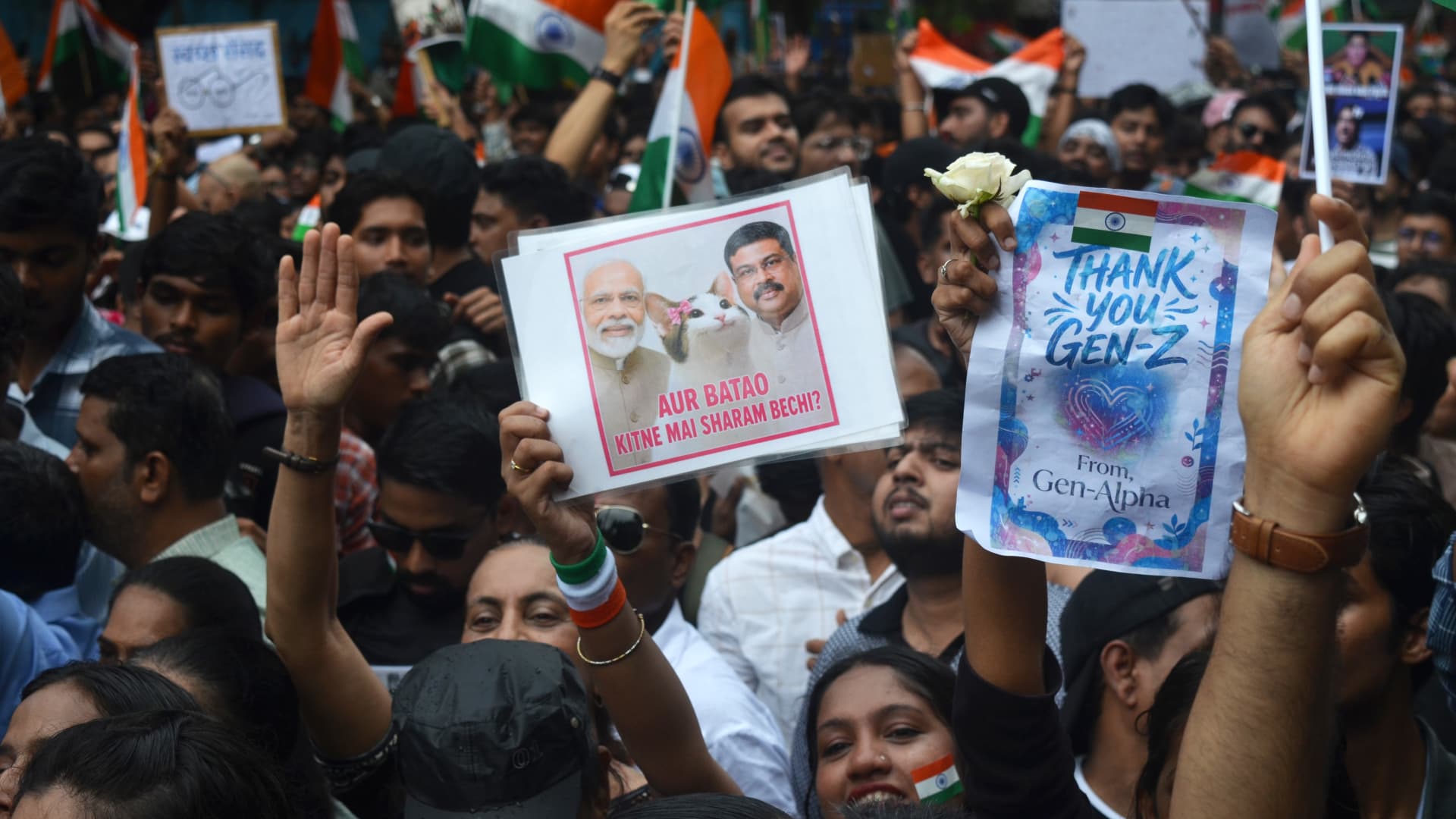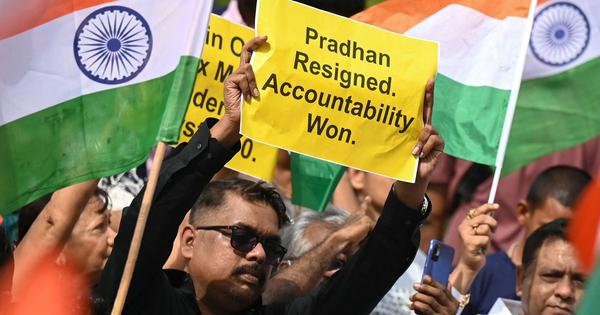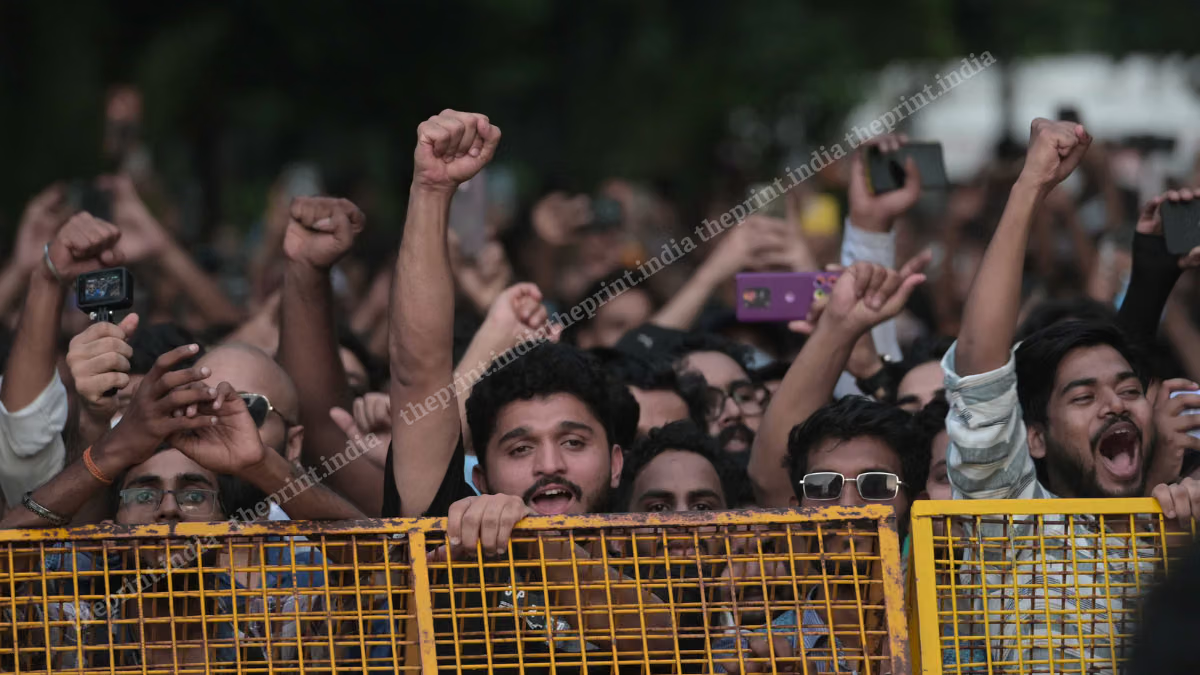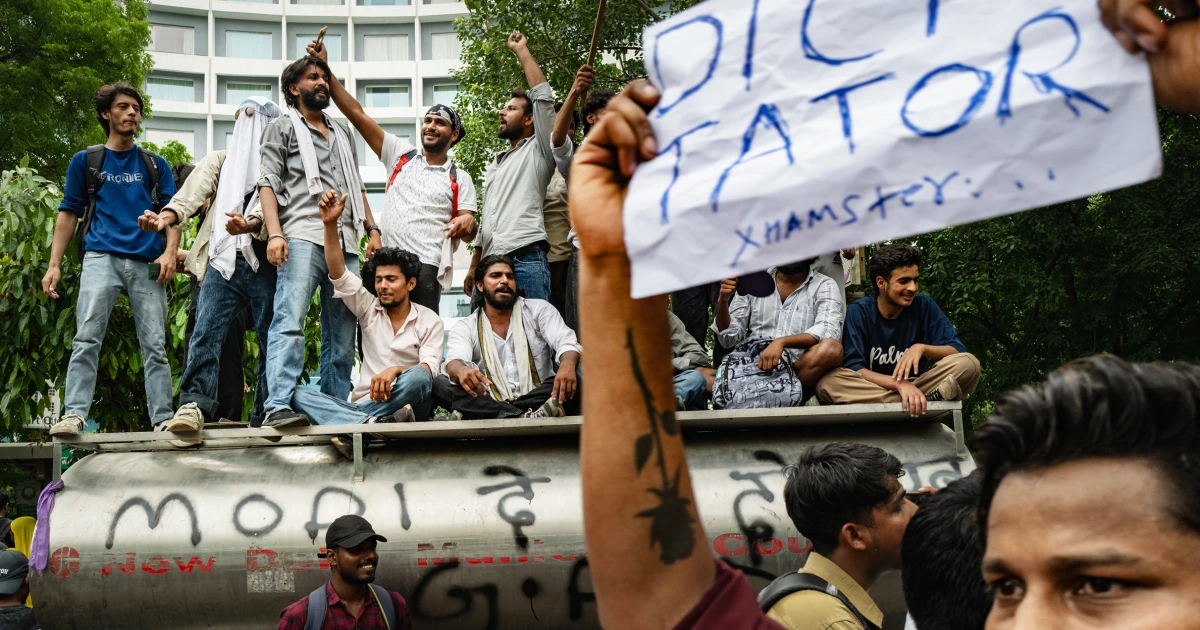
The resignation of India’s Education Minister Dharmendra Pradhan on July 25 was the first real concession Prime Minister Narendra Modi’s government has made to street protesters in several years.
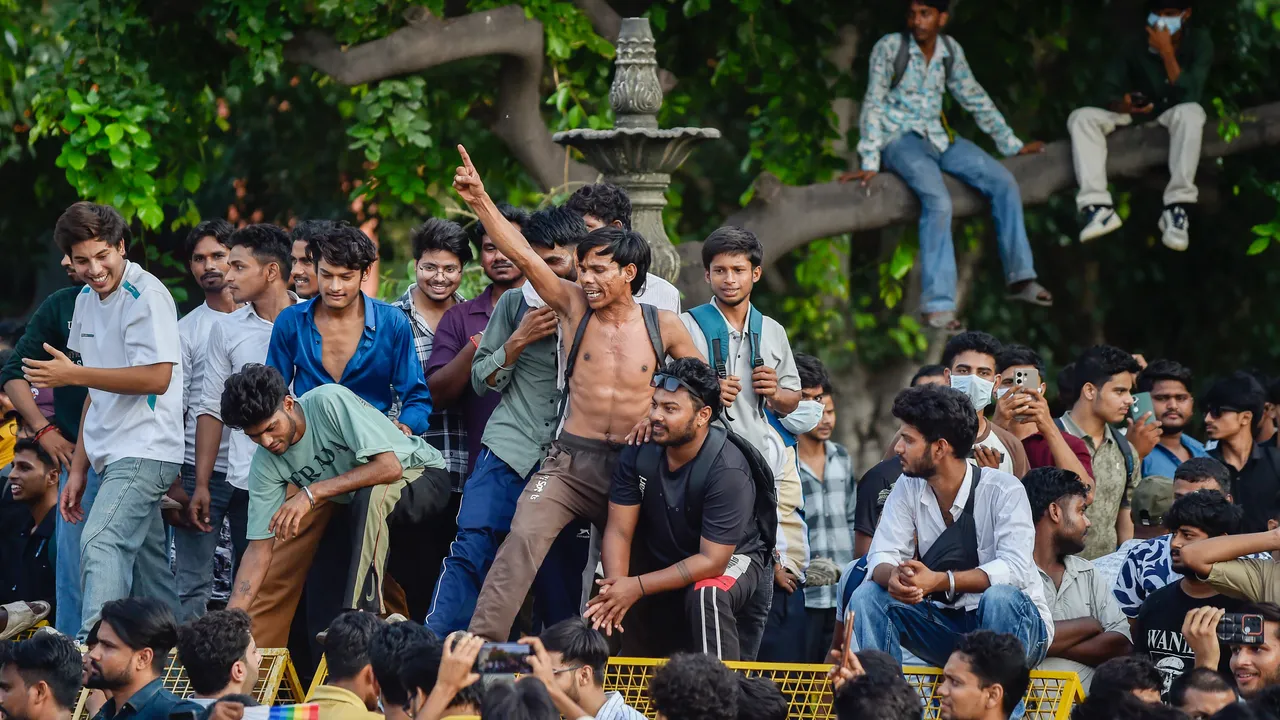
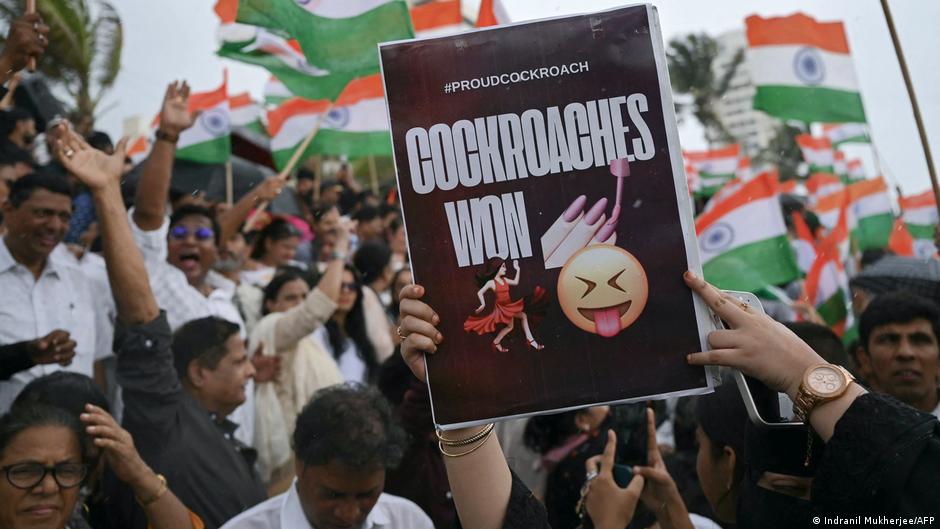
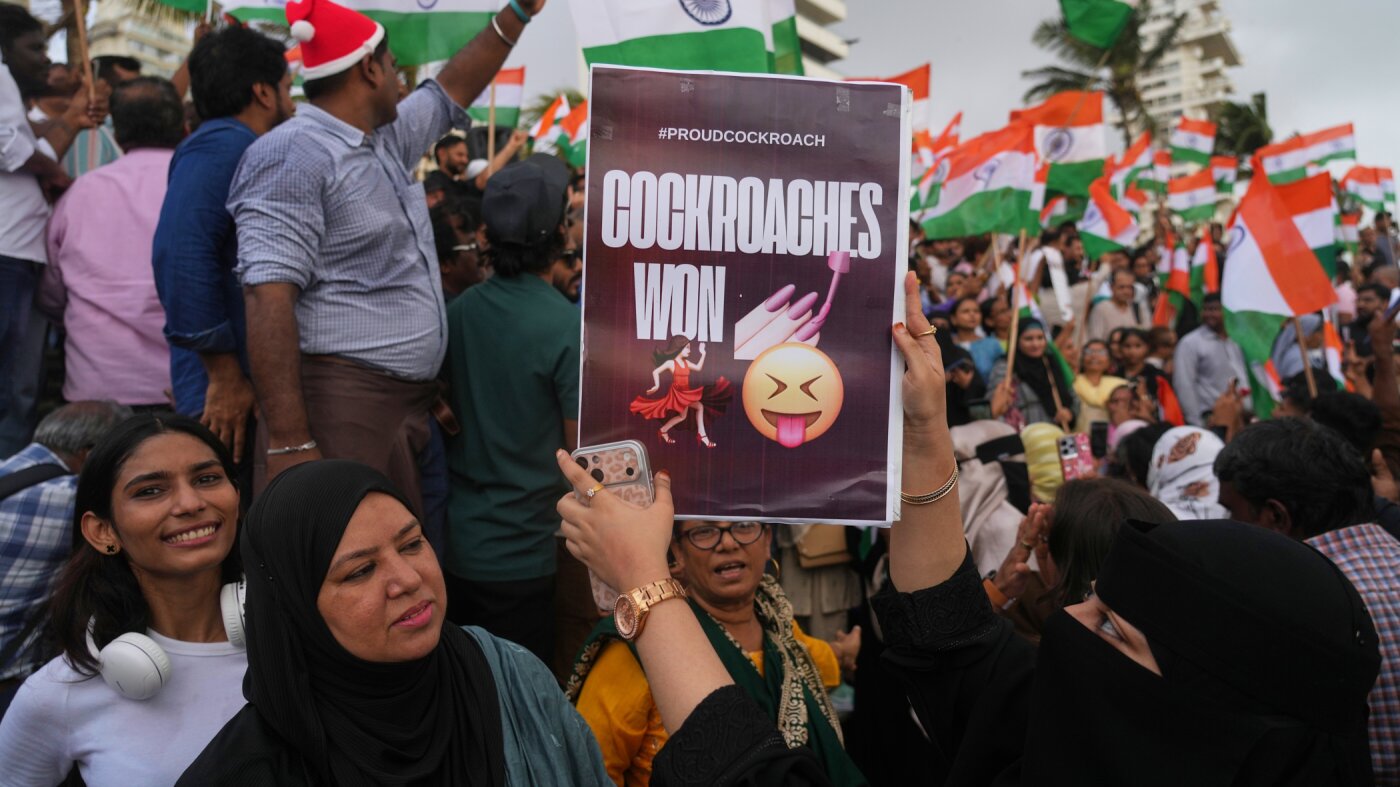
The protests were spearheaded by the Cockroach Janta Party (CJP), an online satirical initiative of Abhijeet Dipke. It was a response to a comment by Chief Justice Surya Kant, who described unemployed youth who “attack everyone” online as cockroaches. The CJP attracted a million sign-ups online and went on to draw youth to Jantar Mantar. But the movement it spurred was not about Dipke.
What galvanized the sit-in was the corruption that manifested in leaked question papers for the NEET medical exam, youth frustration over the sense of a rigged system, and joblessness. Police brutality, which India’s Gen Z put on display in reels and videos, catalyzed the mass rage with the Modi government.
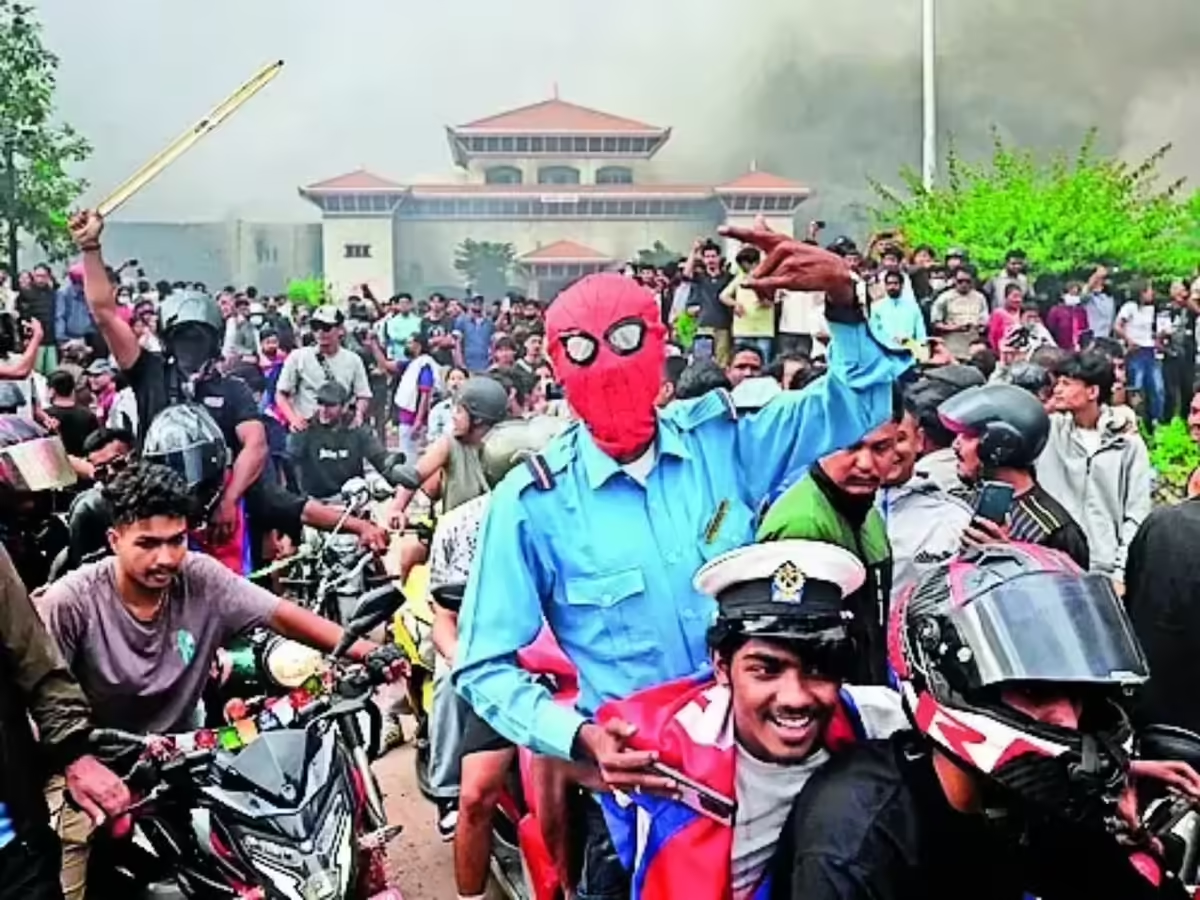
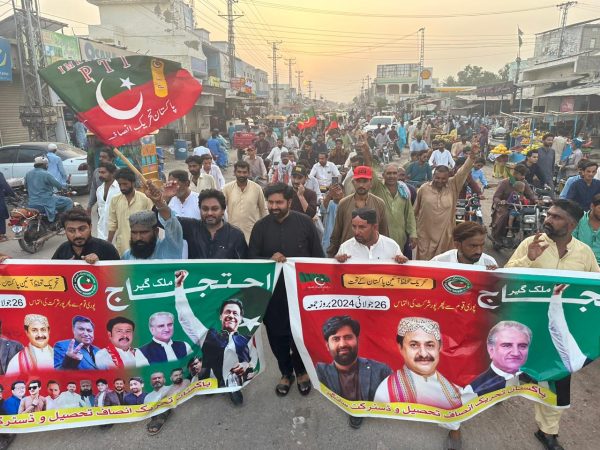
These reels reached Karachi and Lahore within the hour. And then came the inevitable question: after Sri Lanka, Bangladesh, Nepal, and now India, where is Pakistan’s Gen Z revolt?
The question deserves to be taken seriously. Many may argue that the missing ingredient in Pakistan is anger, or nerve, or a leader whom young people can rally behind. Pakistan has all three in surplus.