Get the latest news and updates from Dawn
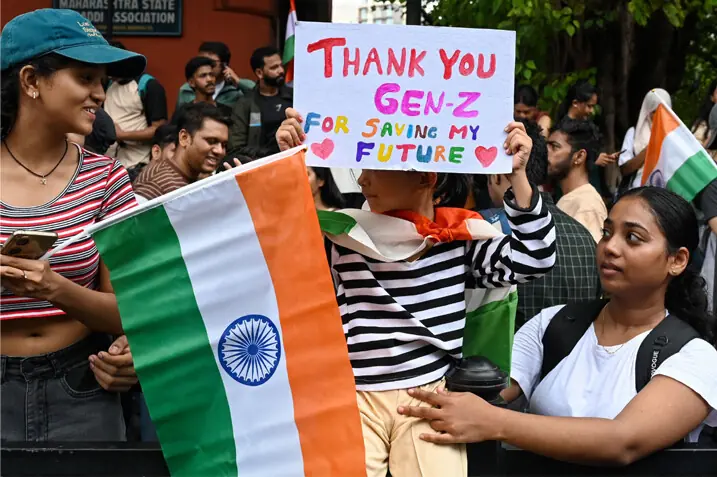
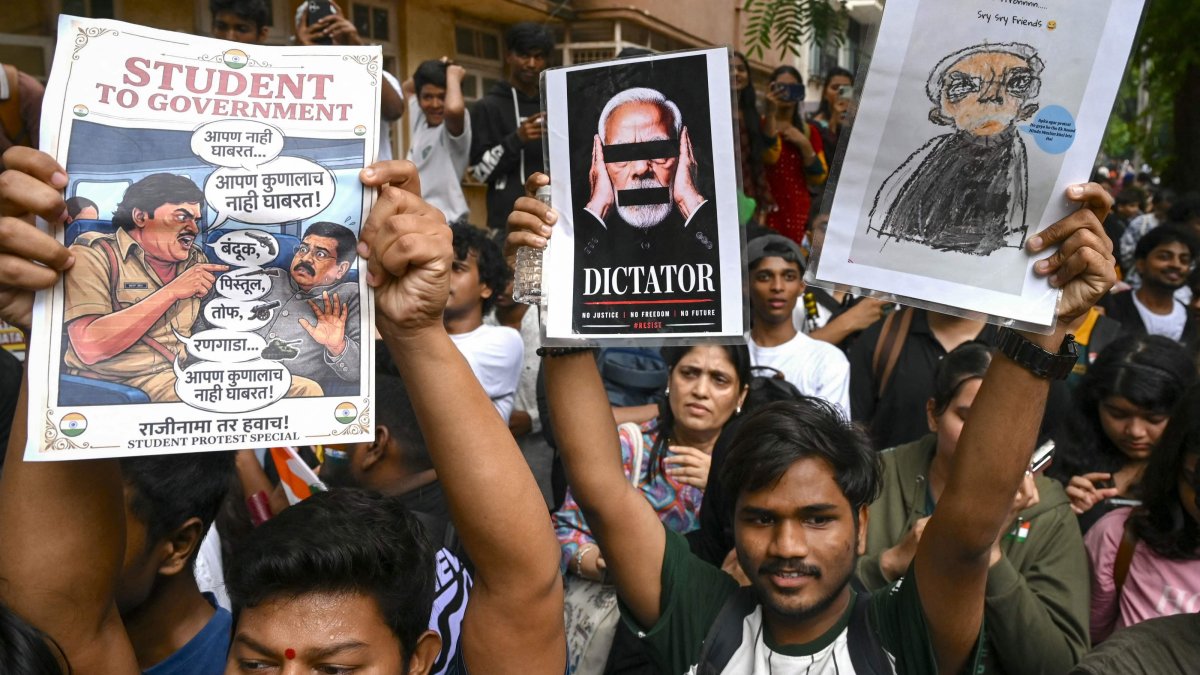
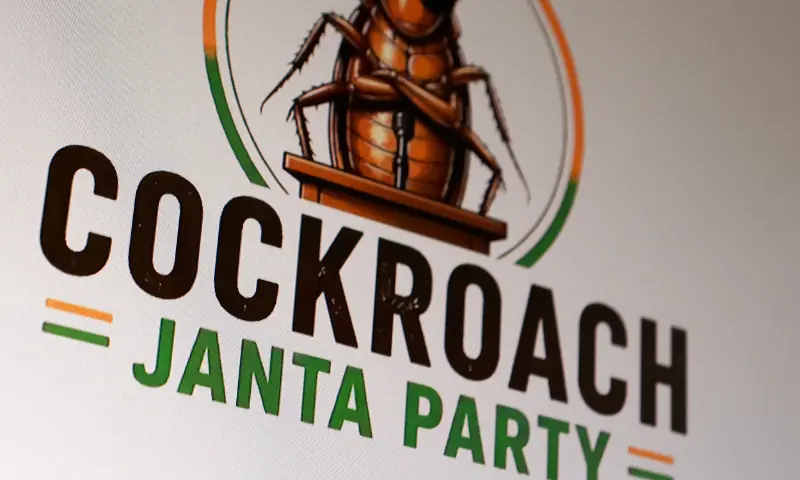
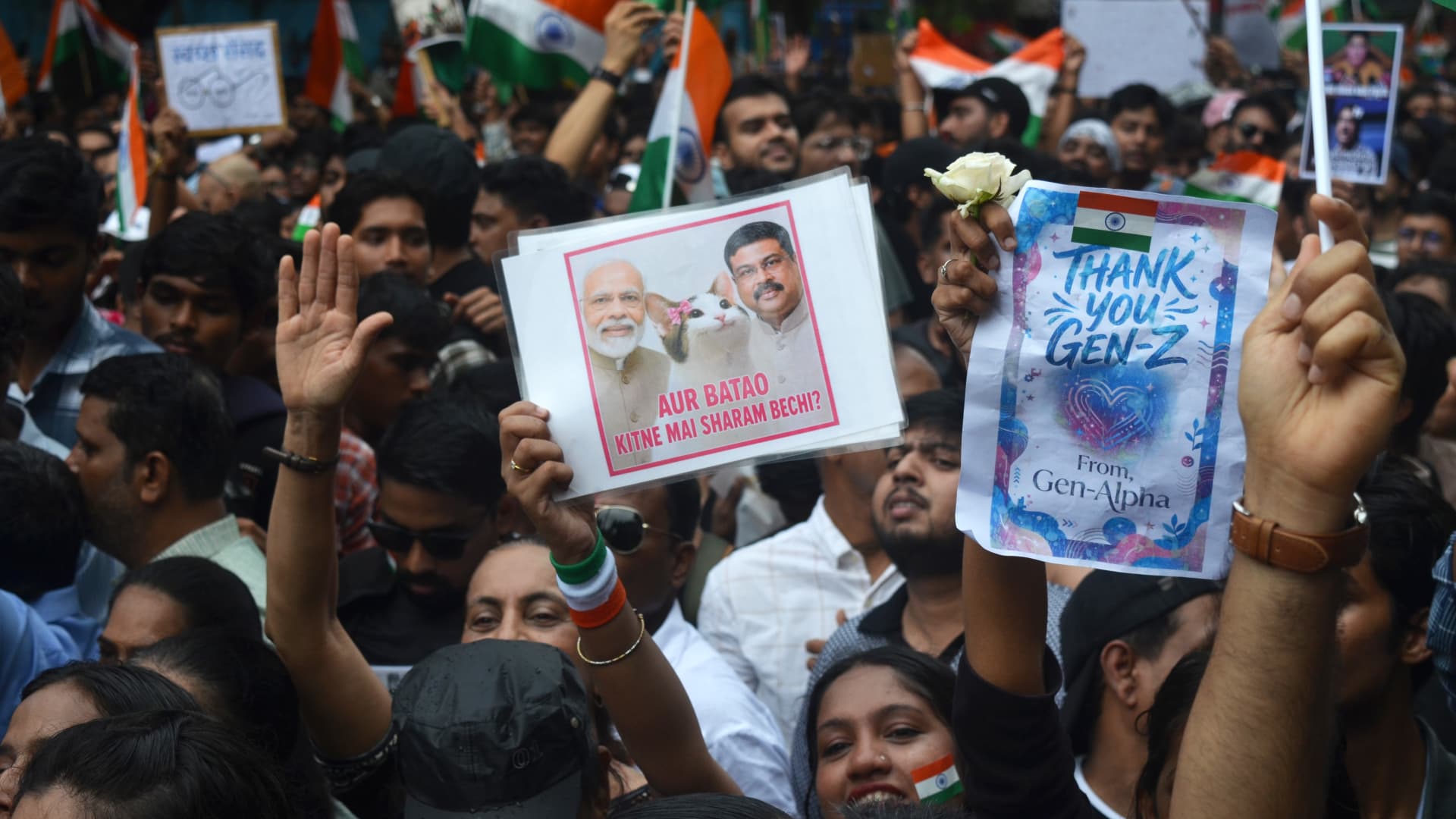
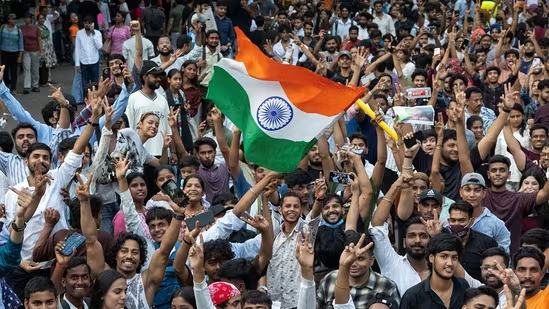
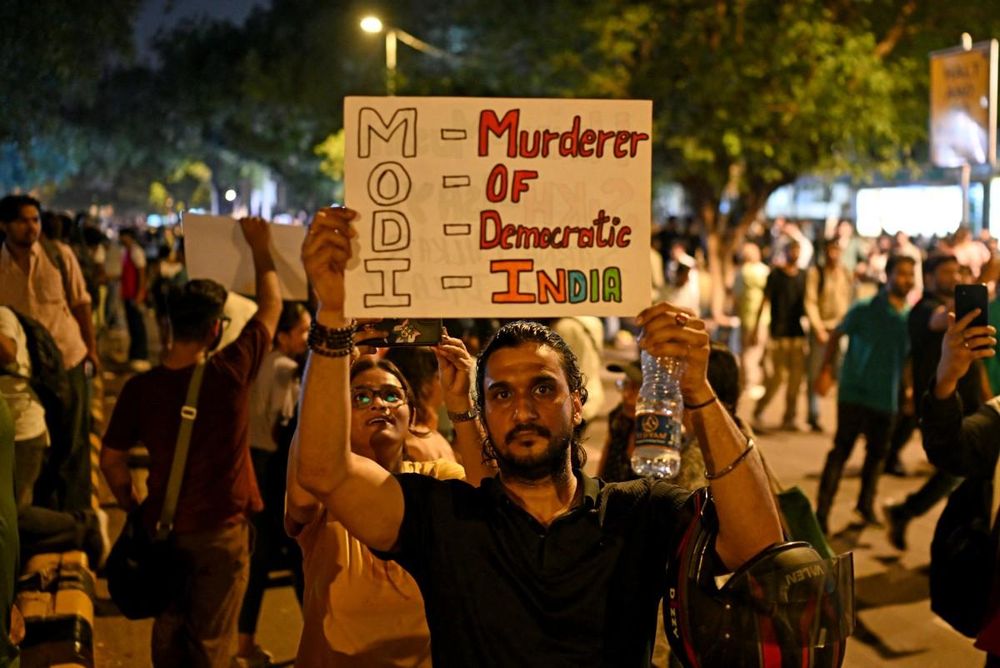
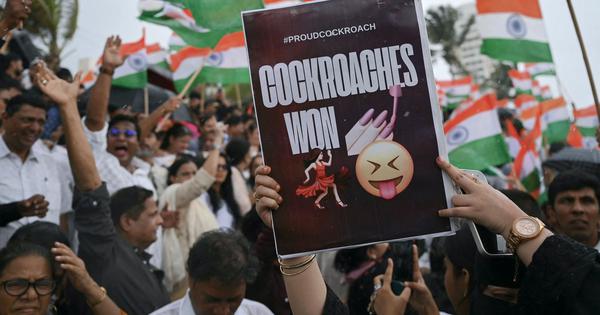
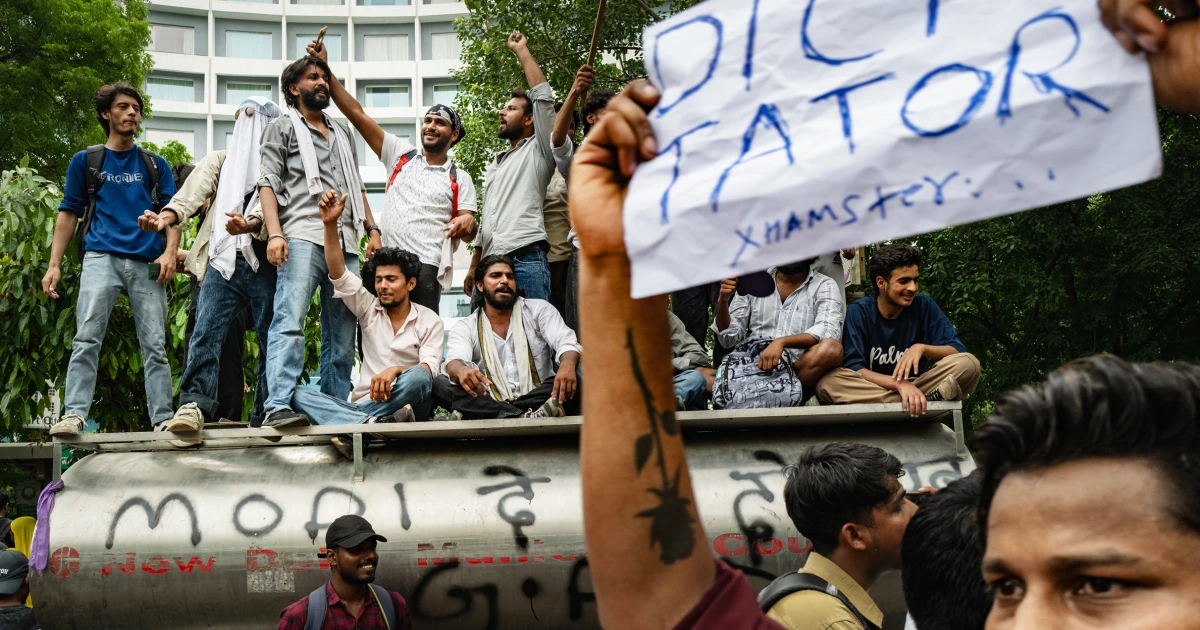
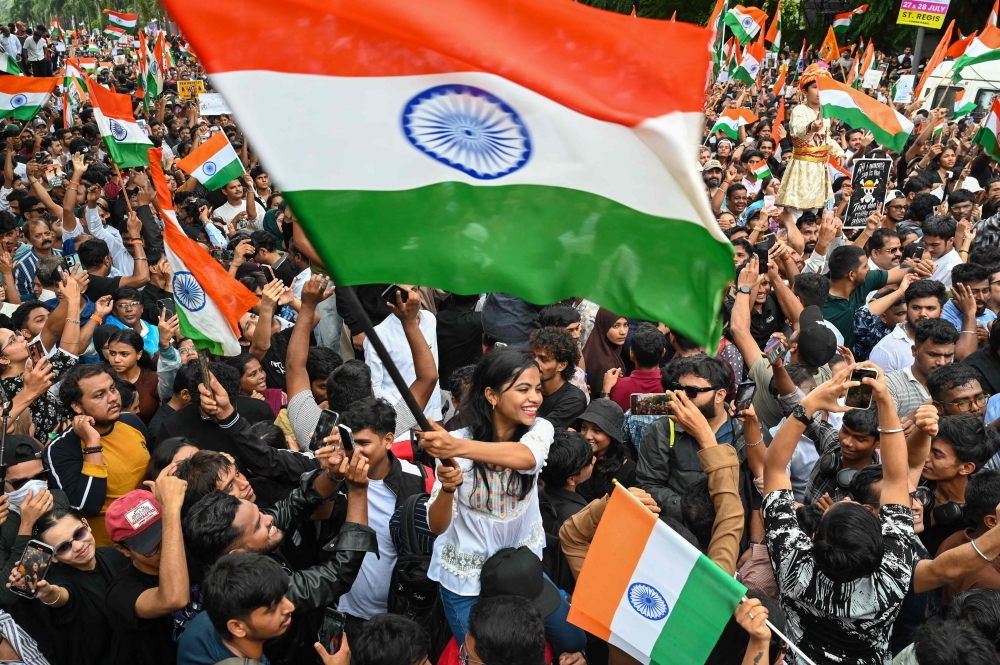
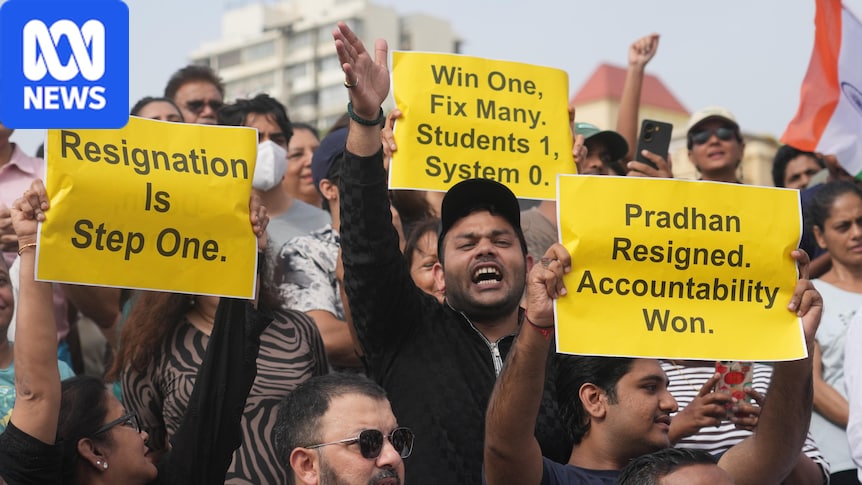
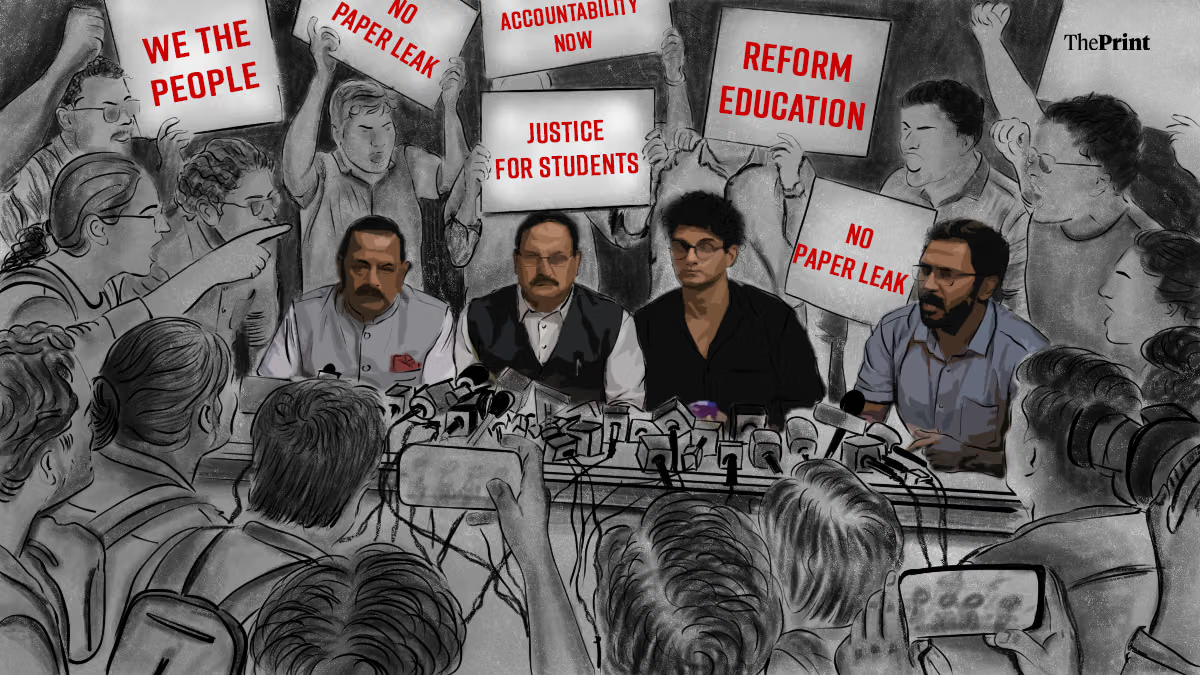
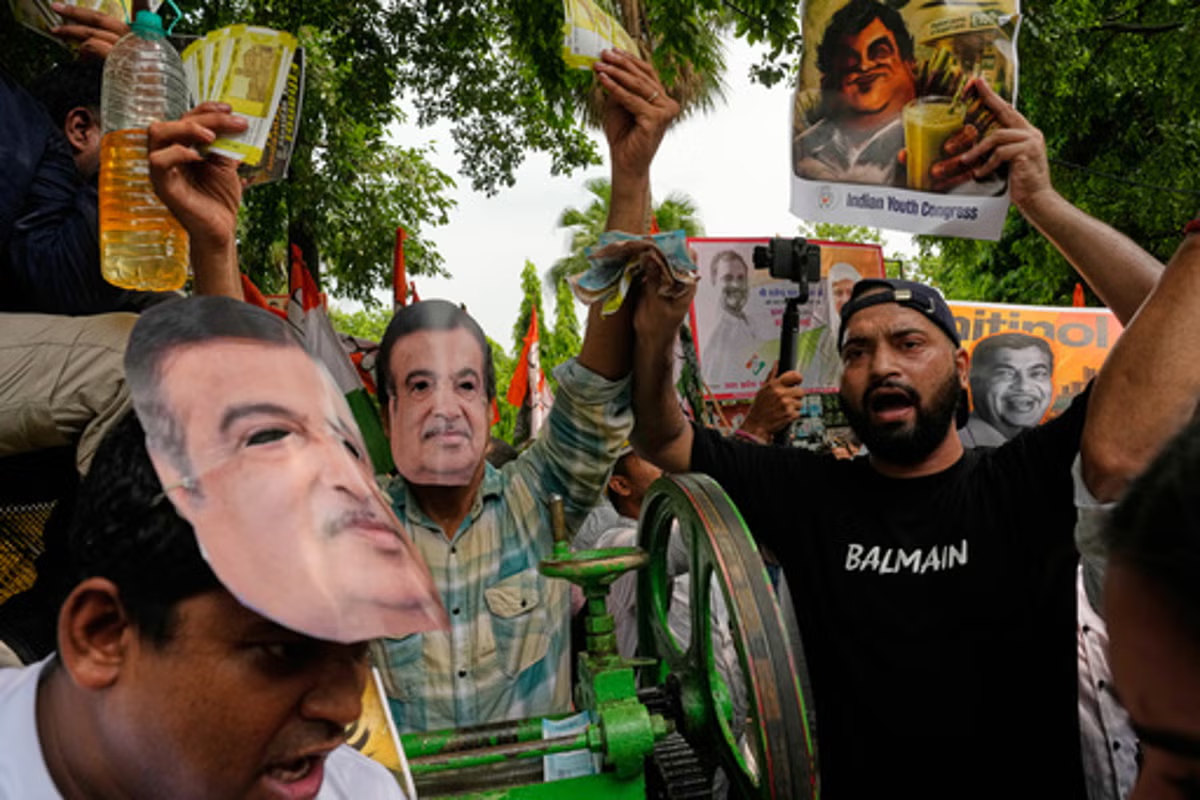
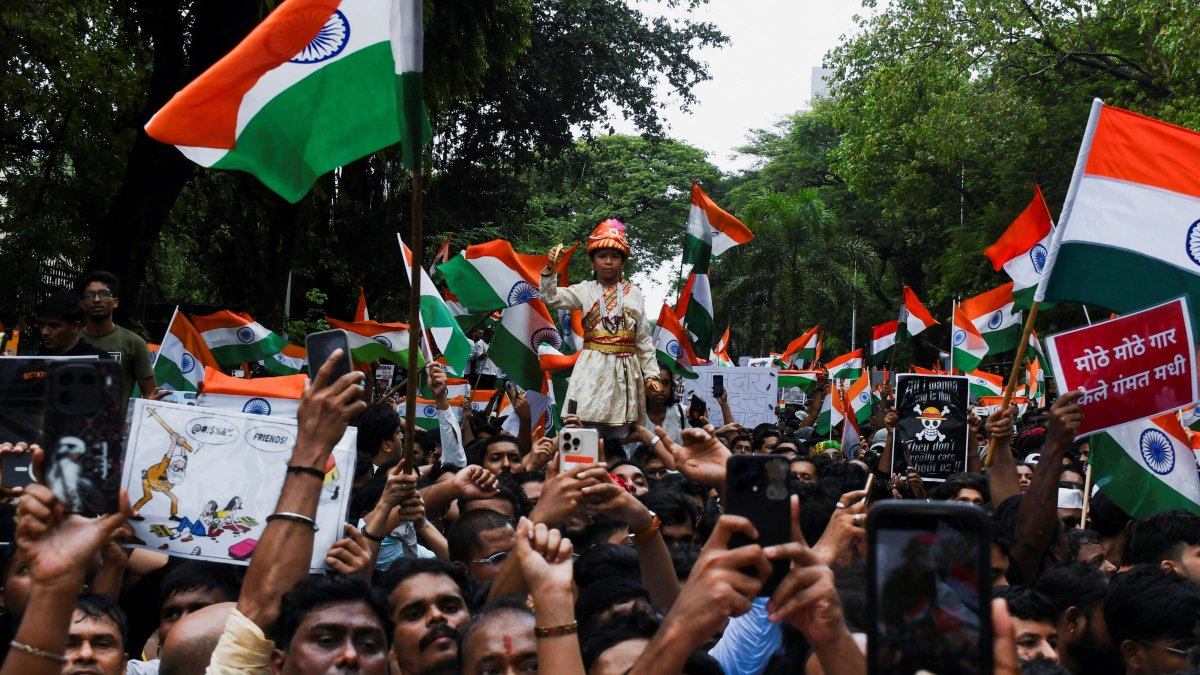
Indian Prime Minister Narendra Modi will not fall, but he clearly wears a shell-shocked expression these days, as widespread anti-Modi protests by the Cockroach Janta Party (CJP) appear to have unnerved him.
The CJP operates outside conventional politics as a movement driven primarily by young Indians. Naturally, following regional trends, where commentators labelled recent anti-government uprisings in Sri Lanka, Nepal and Bangladesh as Gen-Z uprisings, the Indian movement is receiving the same description.
In truth, this term is intellectually lazy. Global student protests against governments in the late 1960s were never termed Boomer uprisings, nor were violent anti-corporate demonstrations in the 1990s described as Gen-X uprisings. Revolutions in places such as Ukraine and erstwhile Czechoslovakia received colour-coded names such as the Orange Revolution, Velvet Revolution etc. Western media delights in such terminology. This silly practice ultimately collapsed alongside the disastrous unravelling of the so-called Arab Spring, which no one labelled a Millennial uprising.
How did the term ‘Gen Z revolution’ originate? Back in 2017, as the Black Lives Matter (BLM) movement peaked in the United States, Pepsi attempted to capitalise on the momentum. A television commercial featured a well-known female model walking into a fictionalised BLM protest carrying a can of Pepsi, which she offered as a peace offering to the cops and the young protesters.