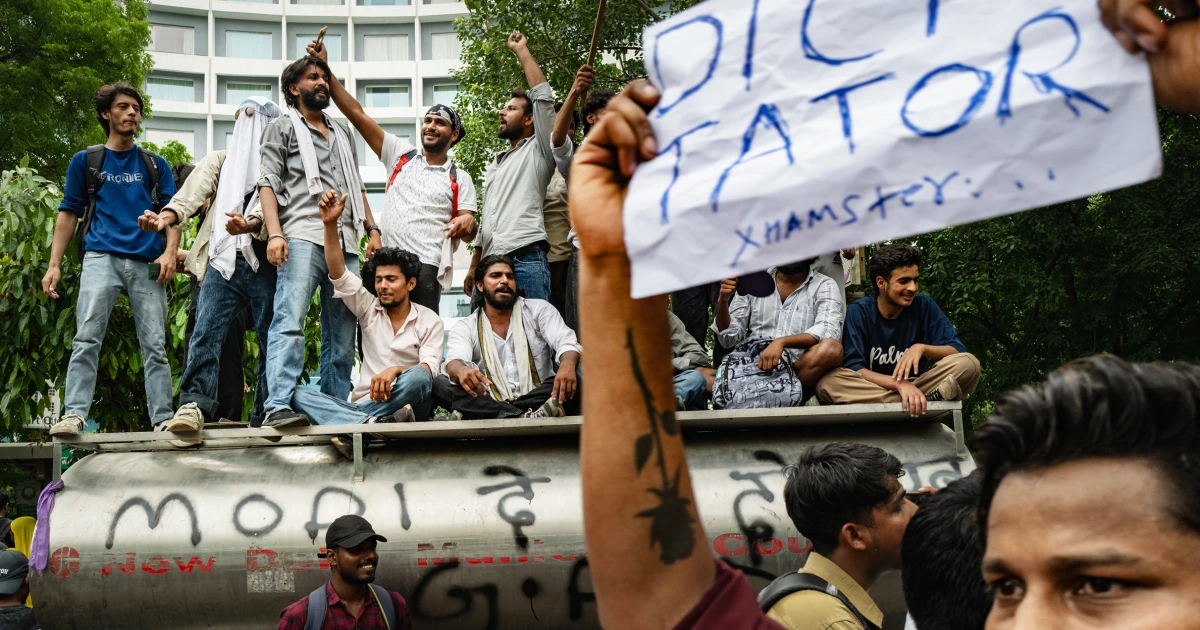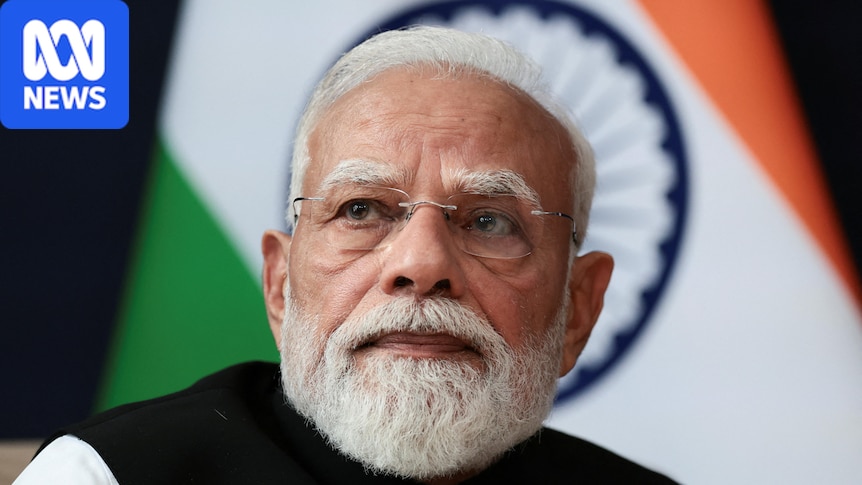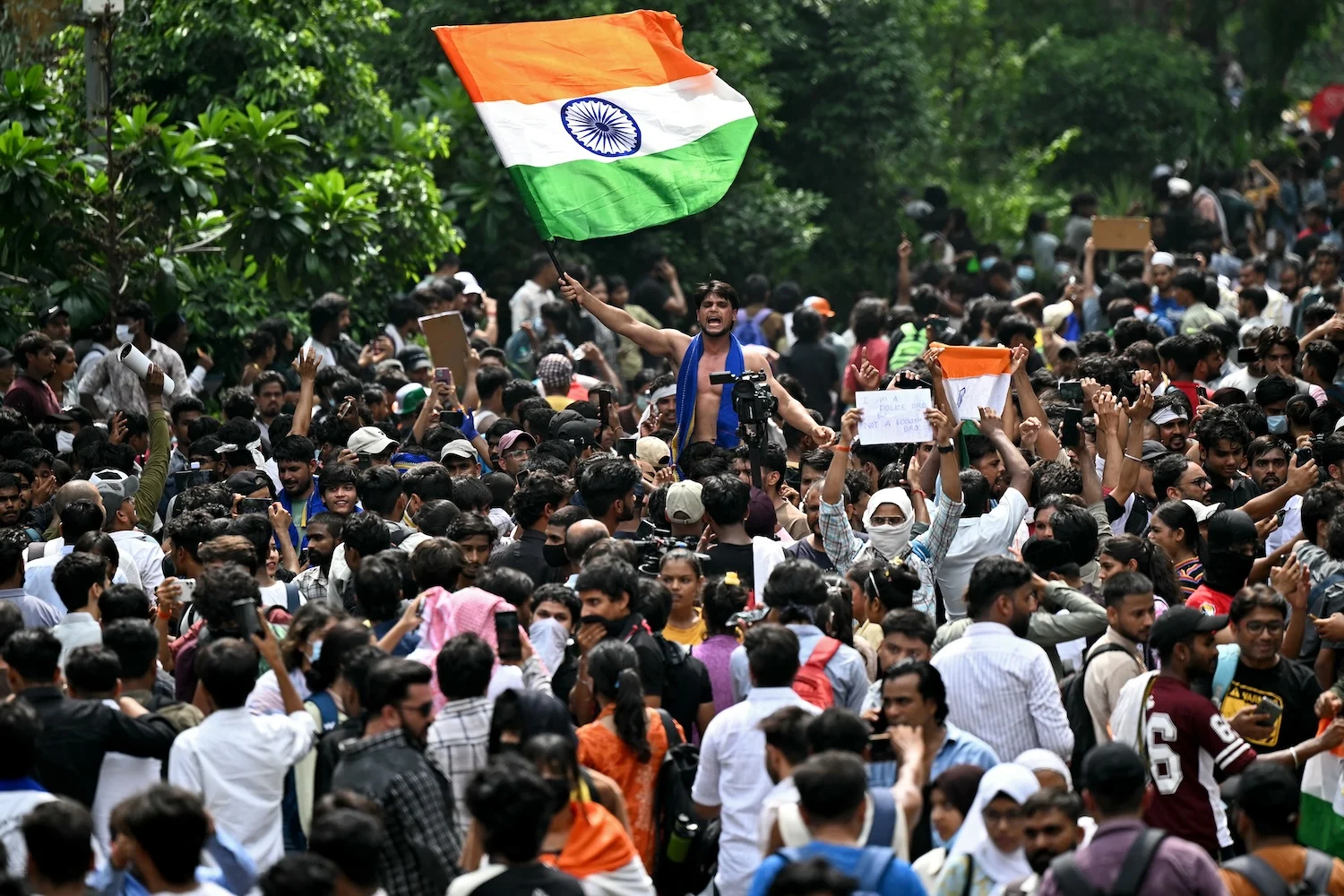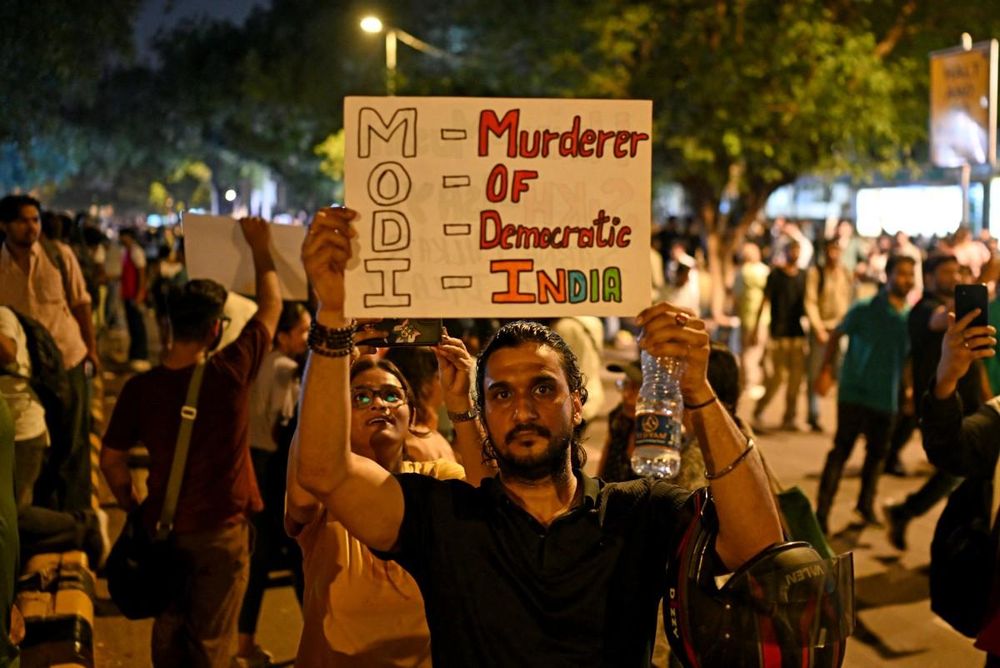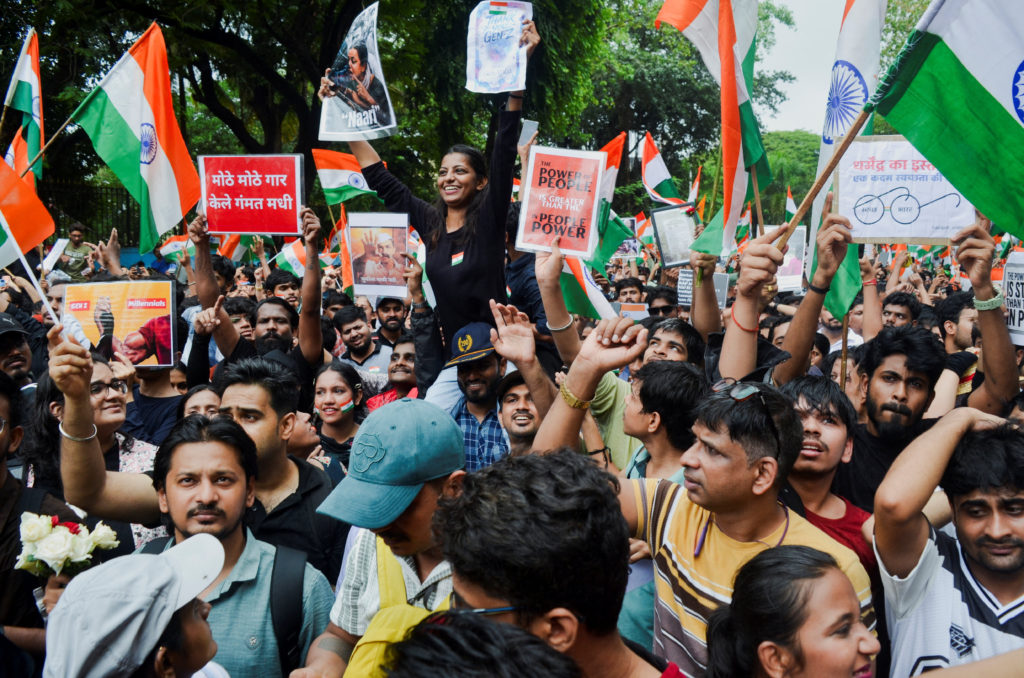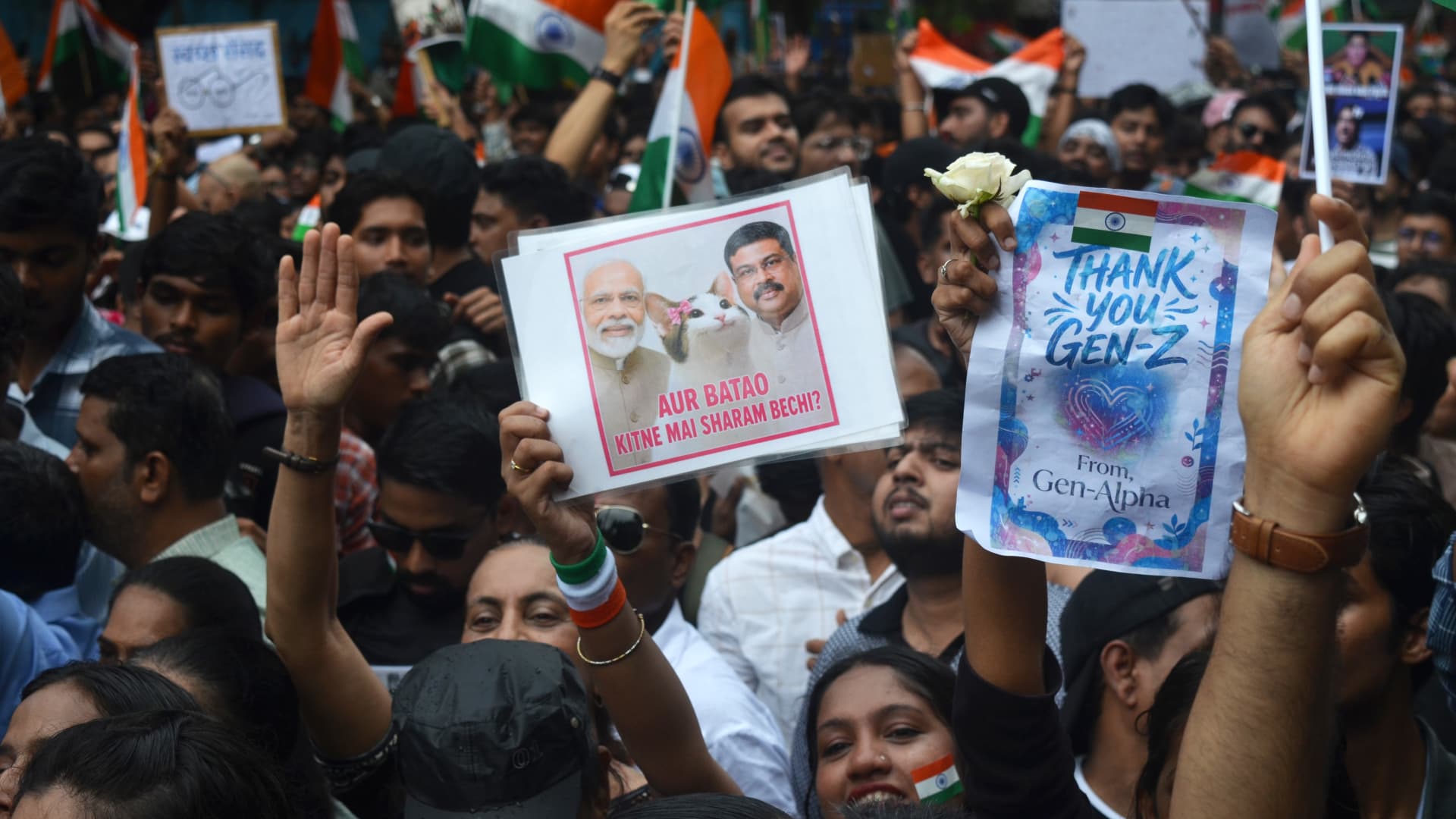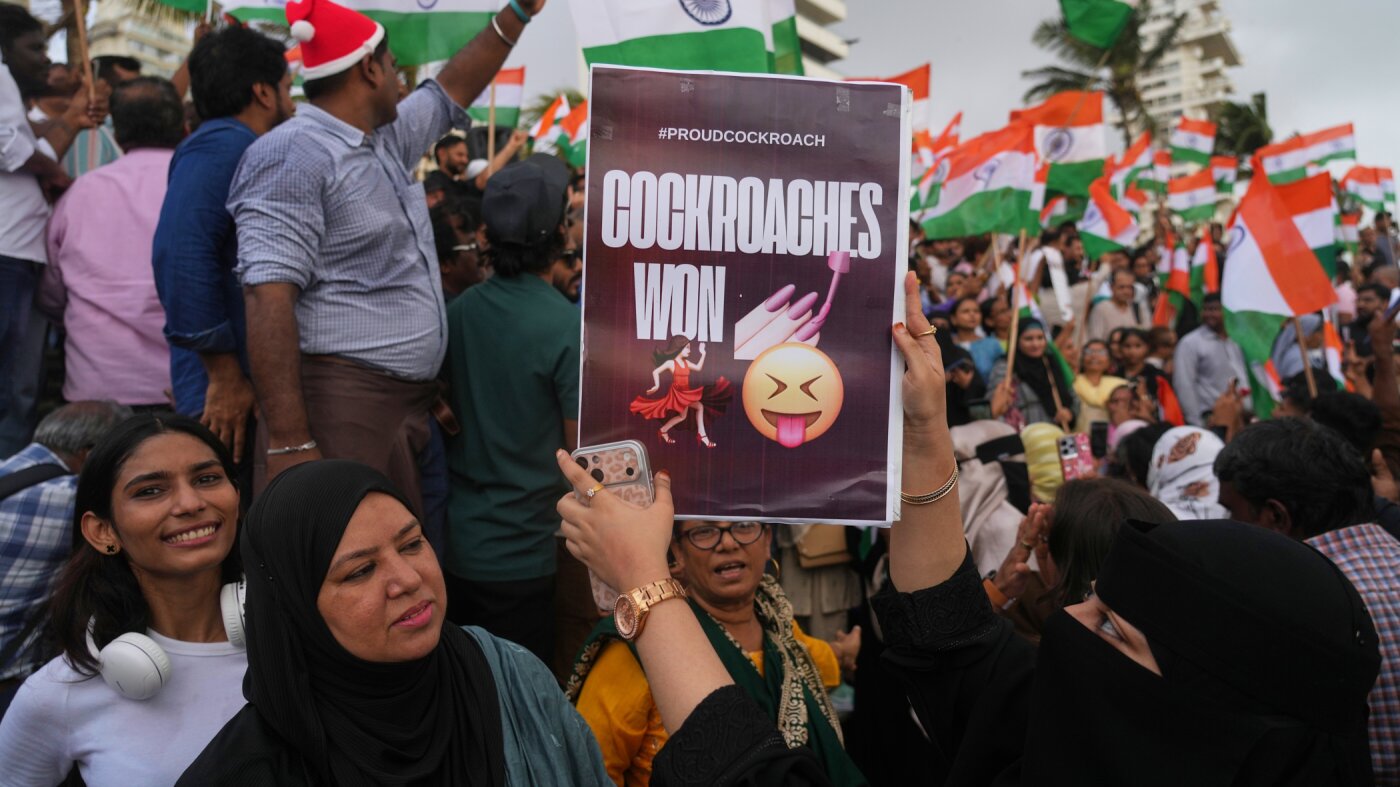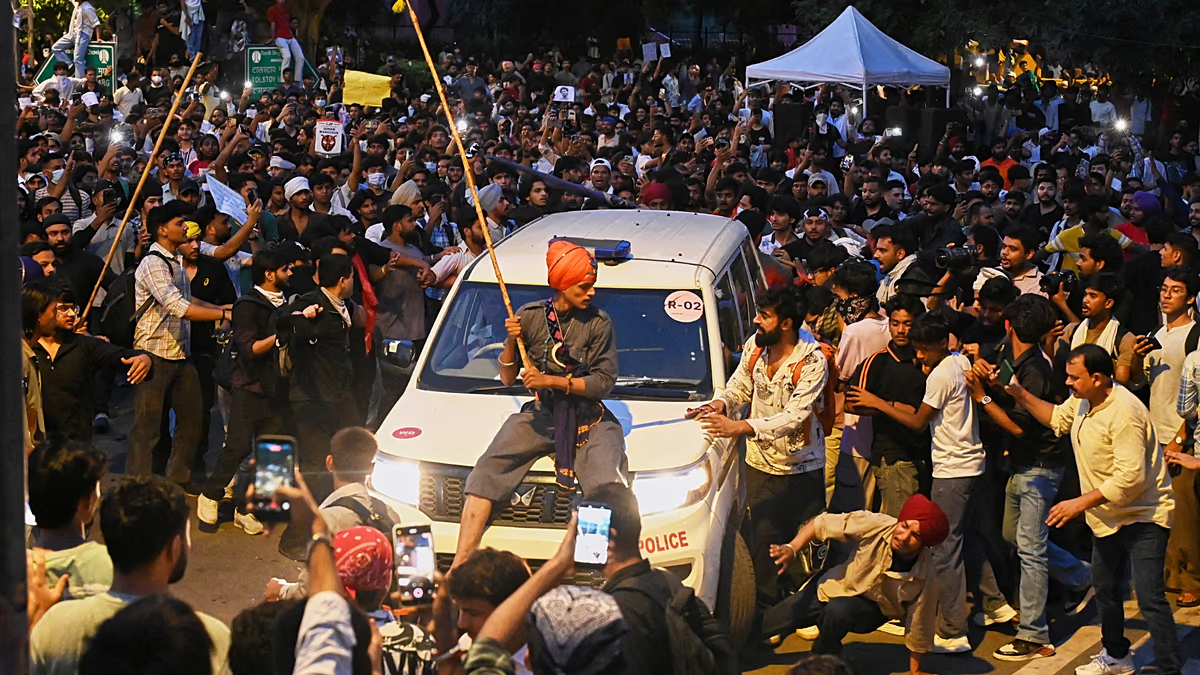
Prime Minister Narendra Modi, who has held public office for nearly a quarter of a century, has been humbled by a band of protesters, most of whom have not even spent that much time on the planet yet. For the first time in almost eight years, public pressure has forced a powerful minister in his cabinet to step down.The development assumes greater significance because the social group that managed to pull this off has never possessed bargaining power of this sort in Indian history. A ragtag coalition of young Indians – under the banner of the “Cockroach Janta Party” – that somehow stuck together and stayed on the streets of Delhi for five weeks through the scorching summer heat to demand accountability for corruption in India’s public examination system has made Modi blink.Few would have seen this coming back in May, when Modi’s Bharatiya Janata Party won a sweeping victory during elections in the key state of West Bengal. For a brief moment, it looked as if the party was set to achieve total domination of politics in the country of over 1.4 billion people.That is because Indian politics has long been dominated by considerations of caste and religion – a game that the BJP has become nearly perfect at under Modi. To make matters worse, of late there have been serious allegations that the ruling party uses its control over institutions to steal those elections that it cannot win.So, not many had thought that a satirical Instagram page created on May 16 by a 30-year-old recently graduated master’s student from Boston University would eventually pierce through the prime minister’s image and demolish his hugely successful communication model. Not even Abhijeet Dipke, founder of the Cockroach Janta Party, himself.What if all cockroaches come together?— Abhijeet Dipke (@abhijeet_dipke) May 16, 2026
Cockroach protests show Modi’s deep disconnect with India’s impatient youth
Young Indians have made clear they don’t revere the prime minister as previous generations have – and that could be good for democracy.
1,384 words~6 min read