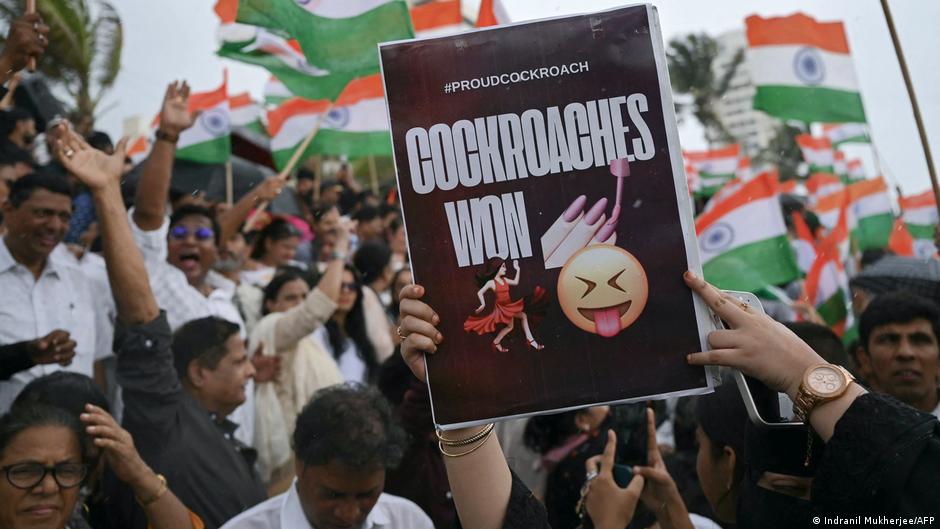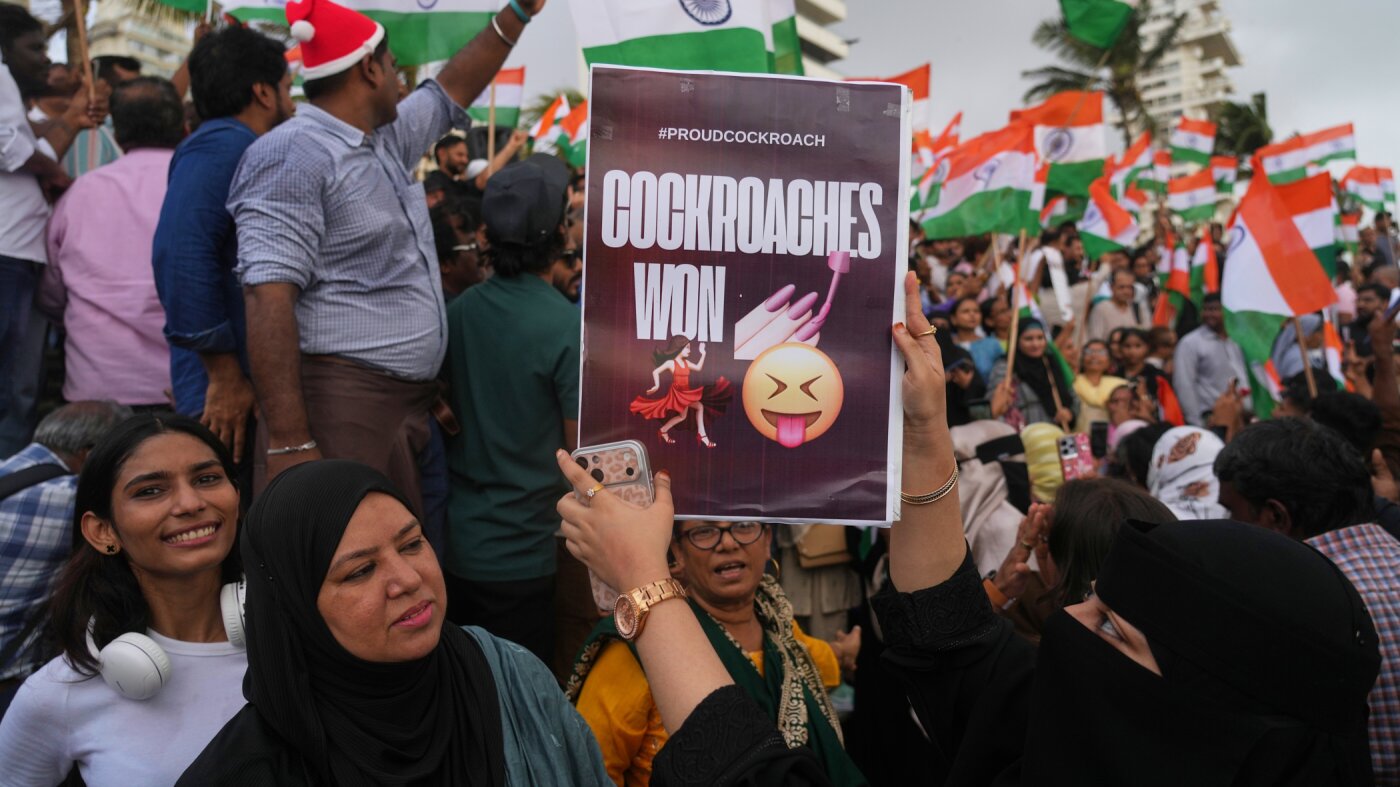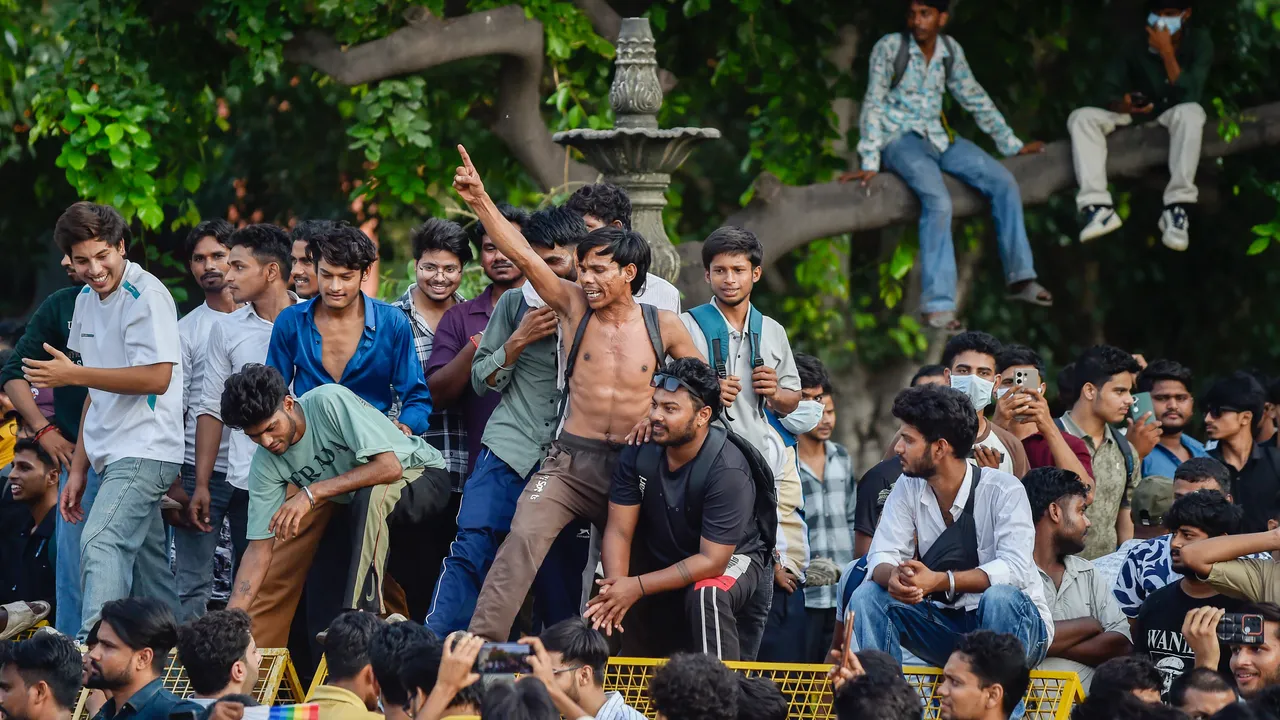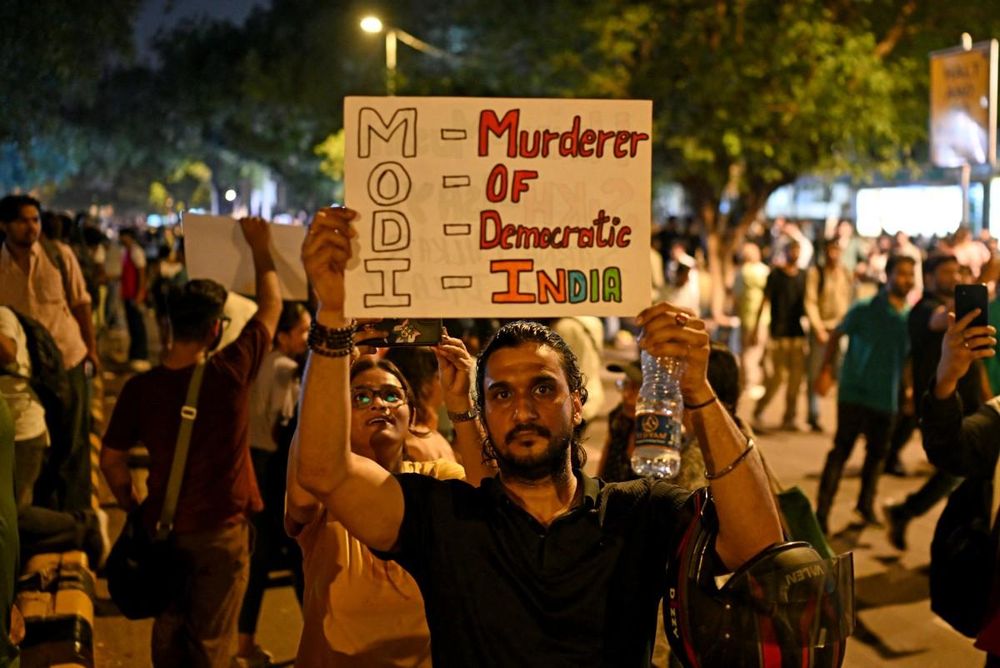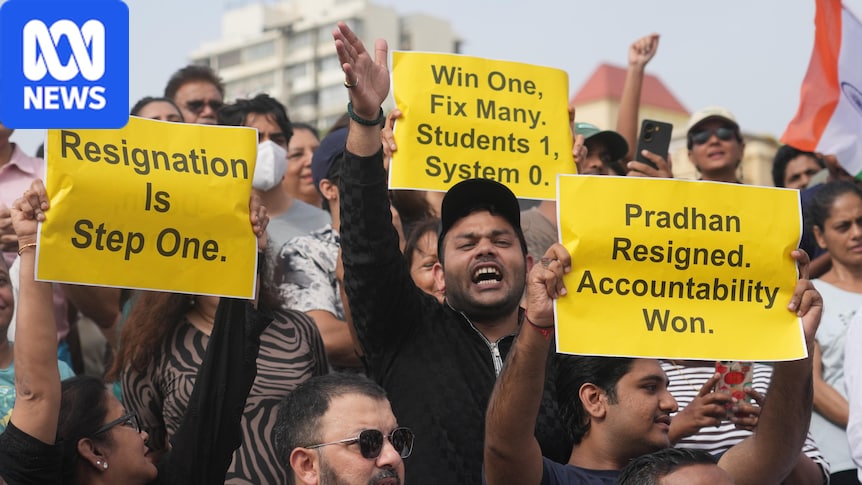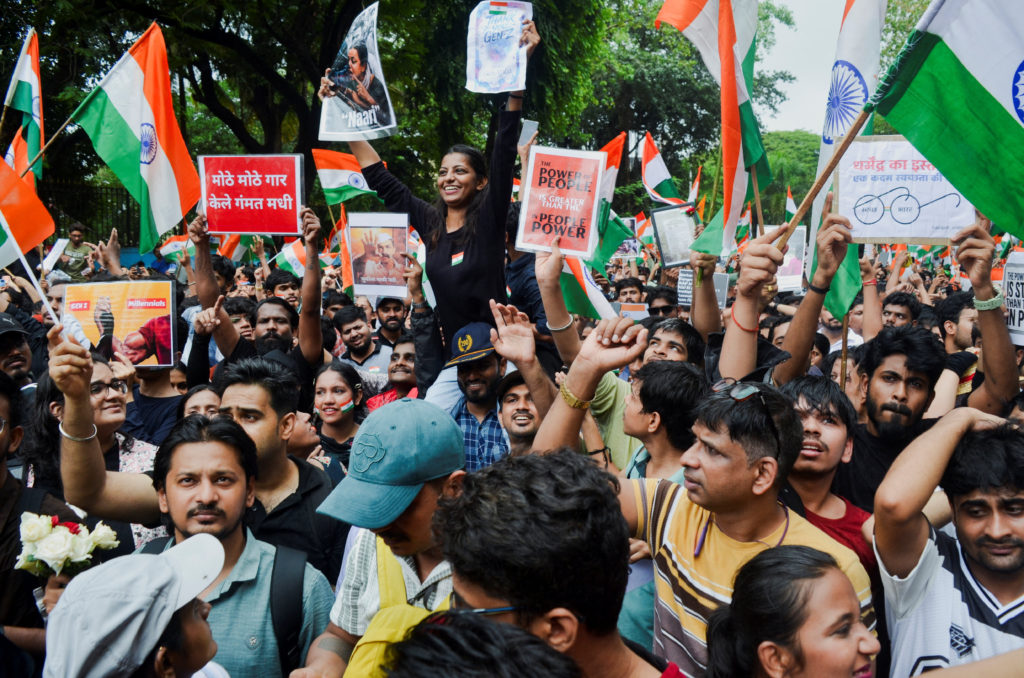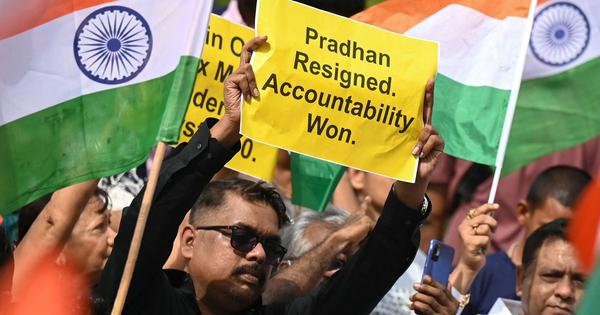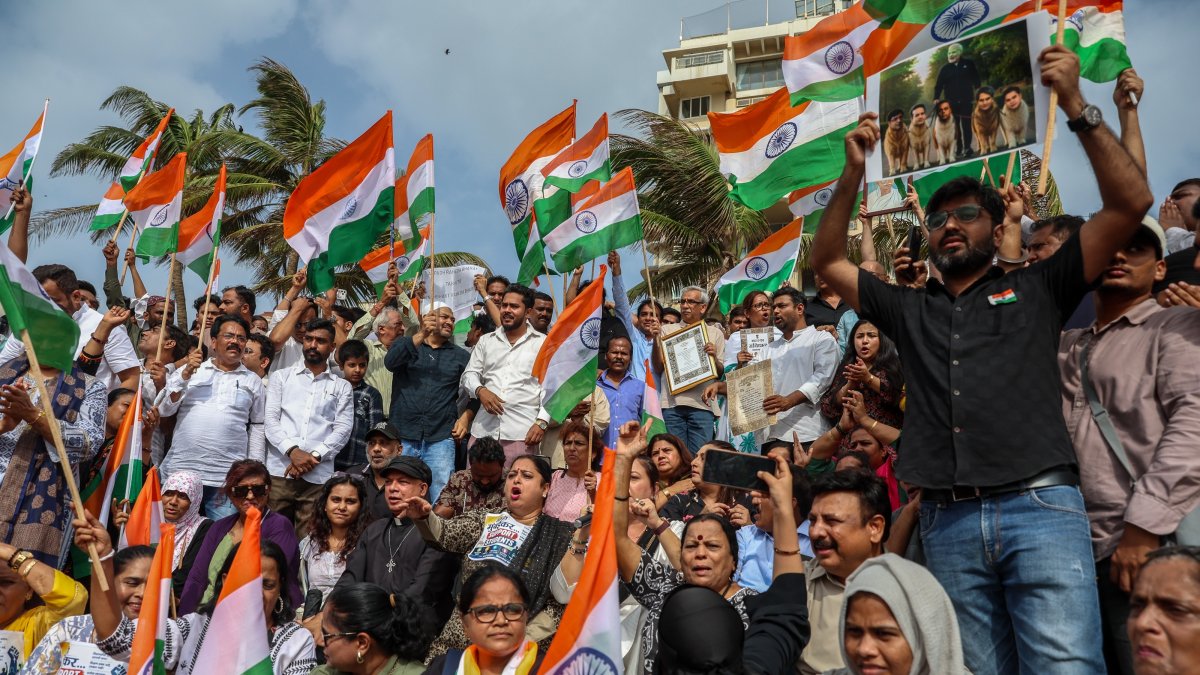
India's education crisis has taken a major political turn with the resignation of Union Education Minister Dharmendra Pradhan. After weeks of nationwide protests over the NEET-UG paper leak, the government has accepted key demands of the protesters and agreed to withdraw criminal cases against the demonstrators, as the Cockroach Janta Party (CJP) – a name derived from an insult aimed at India’s youth – called off its monthslong sit-in in New Delhi. This marks the first ministerial exit under Prime Minister Narendra Modi's government in more than a decade.
Even after the early demonstrations ended, the debate is far from over. The government said Pradhan’s resignation was accepted to prevent the issue from being exploited by anti-national elements and to allow students to focus on their future. However, the crisis has evolved far beyond an examination scandal. It has raised serious questions about fairness, accountability and trust in India's education system, while showing that organised youth protests can push a strong government to respond.
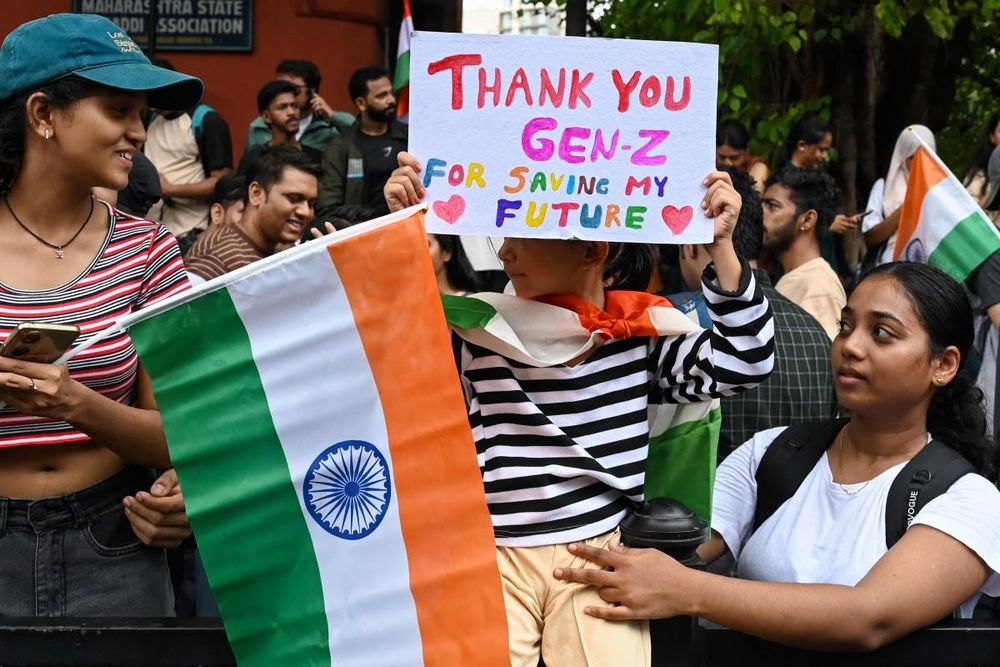
Gen-Z rewriting politics
South Asia has seen a remarkable rise in youth-led politics over the past few years. From Bangladesh to Nepal and now India, all these movements emerged from classrooms, university campuses and social media, rather than being planned or led by the established political parties. Gen-Z has demonstrated how seemingly small grievances can quickly evolve into a serious political challenge for the governments. Despite different immediate triggers, they reflect common structural frustrations regarding limited economic opportunities and distrust of public institutions.