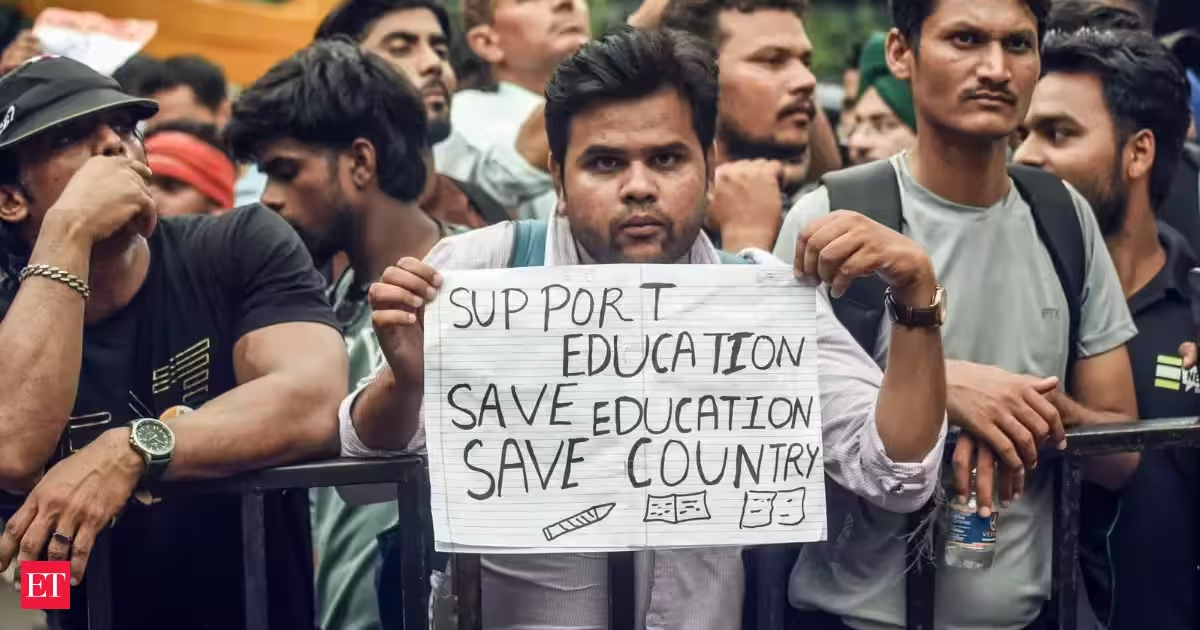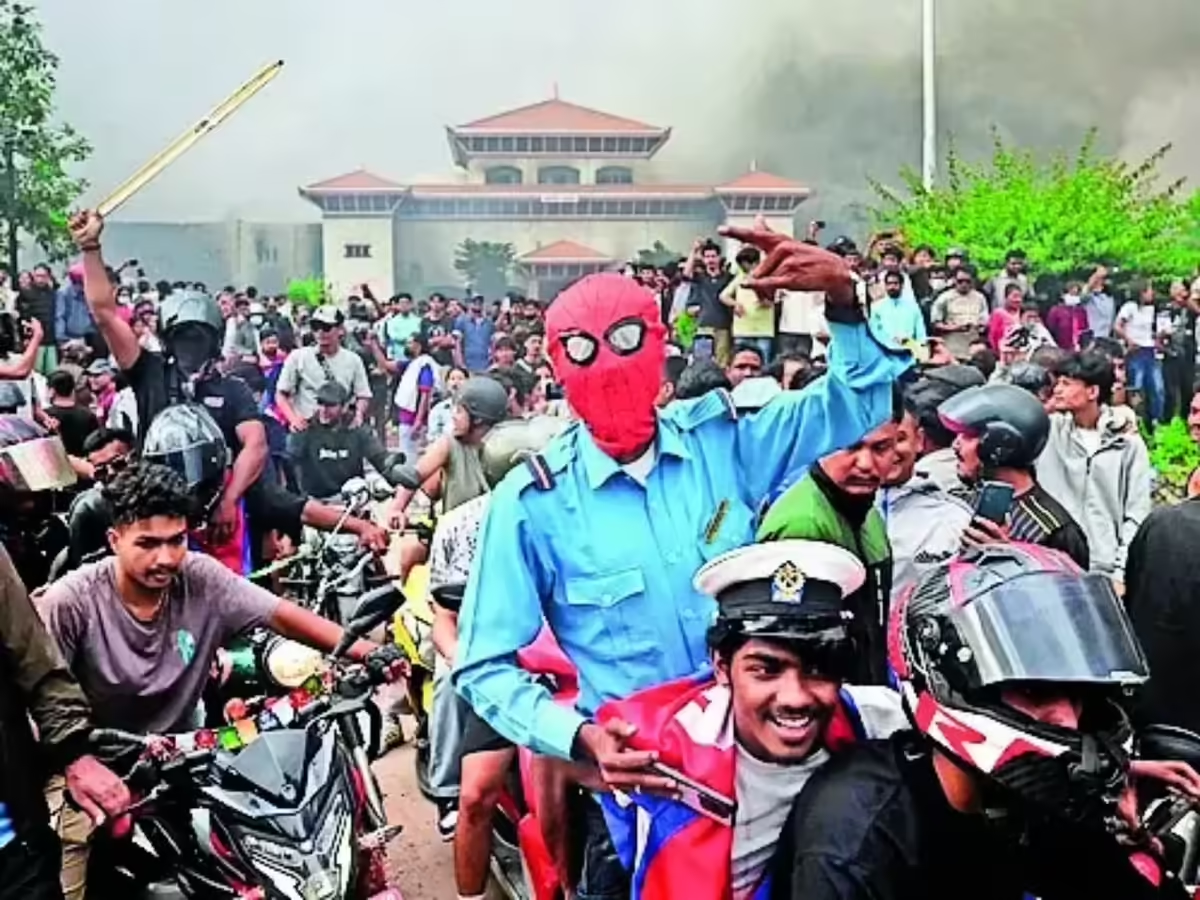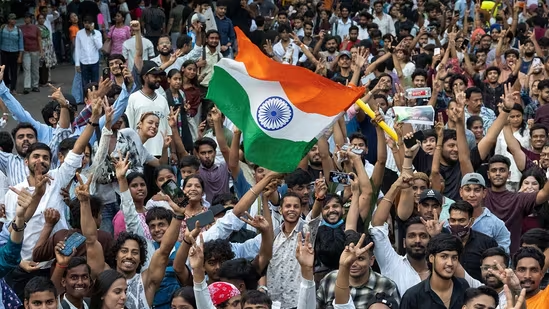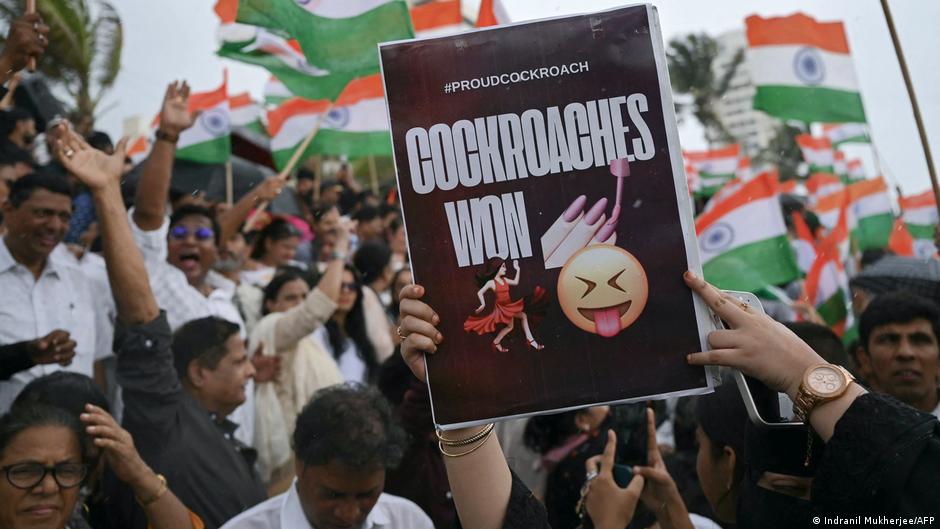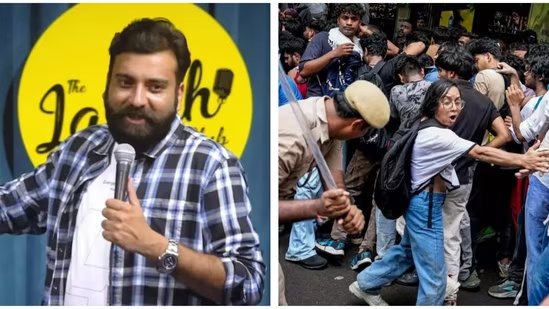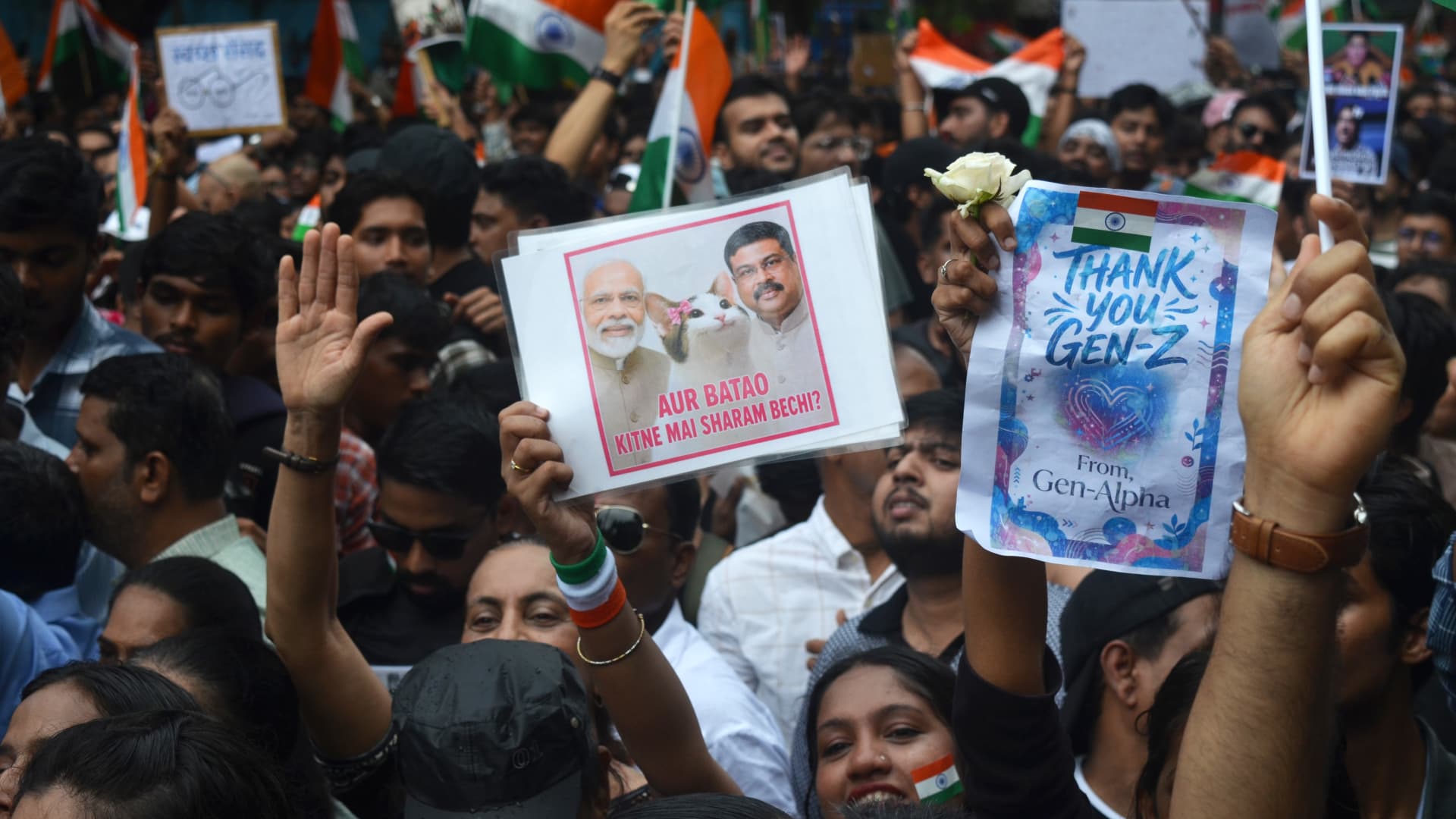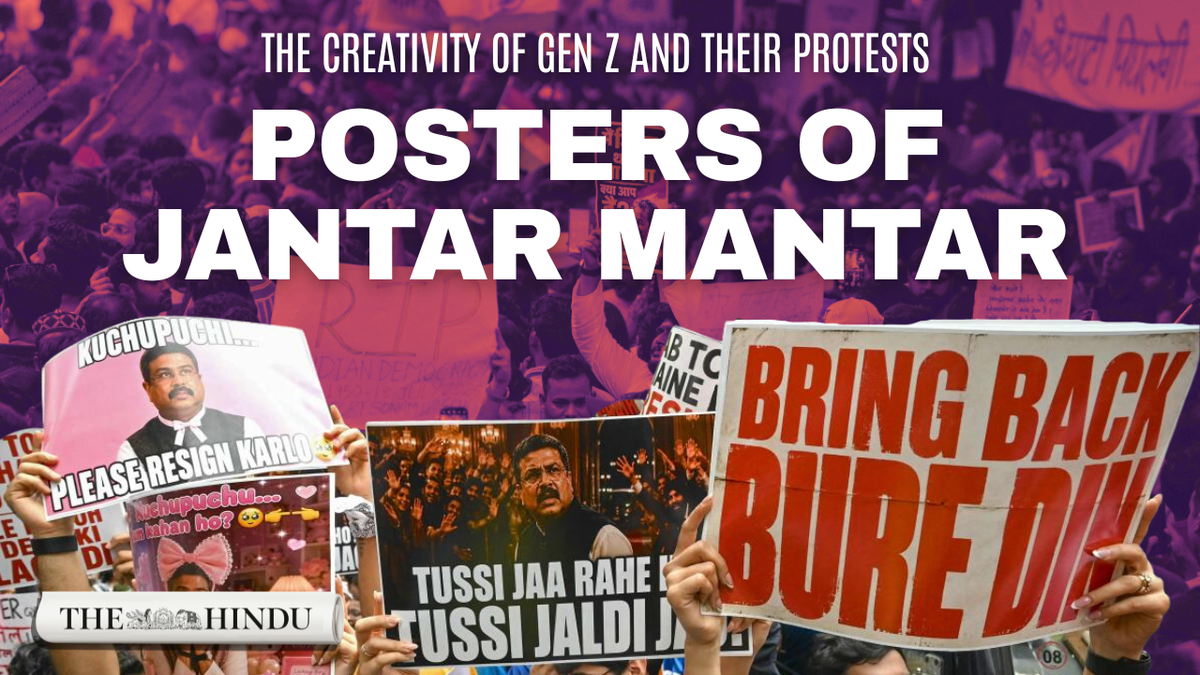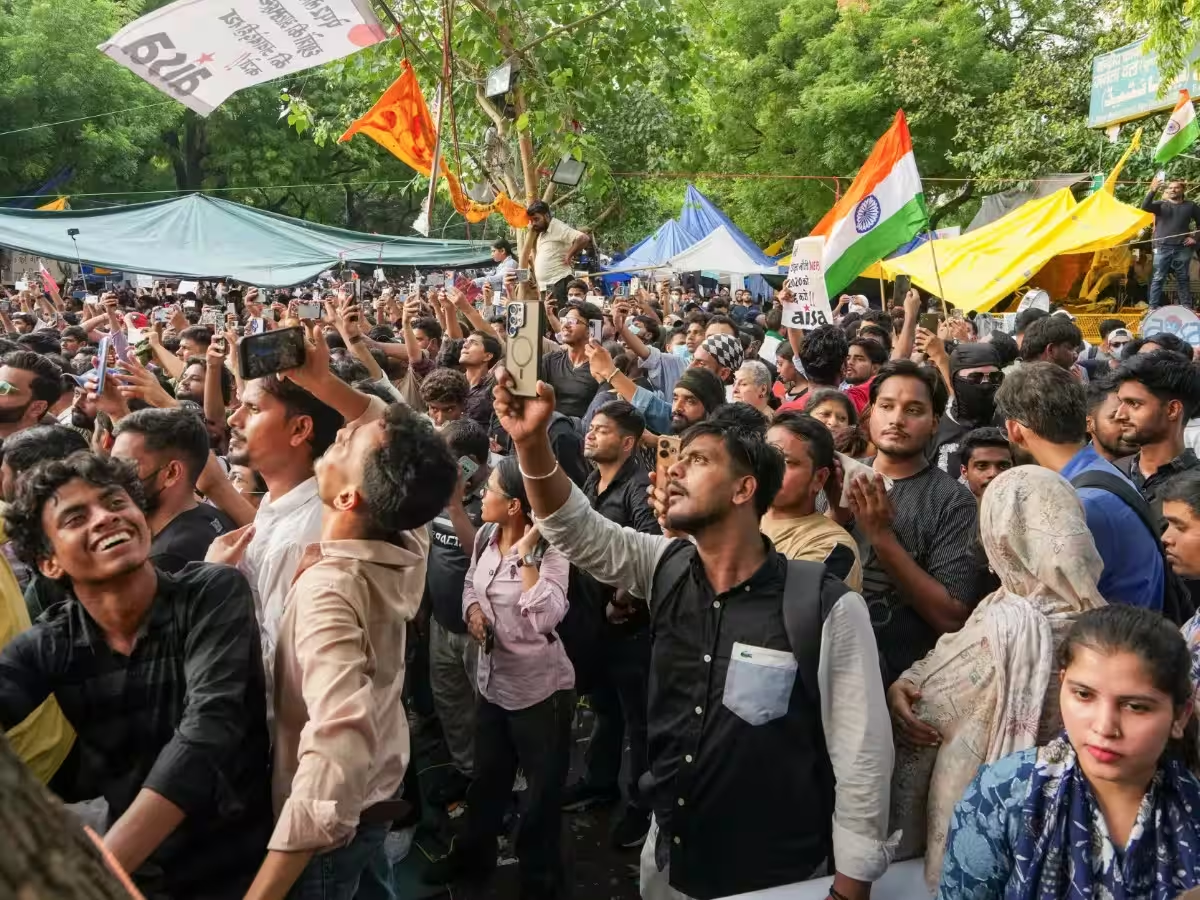
New Delhi: Gen Z is celebrating its political coming of age. After weeks of sustained protests, the movement at Jantar Mantar and on social media culminated in the resignation of a Union minister and acceptance of key demands. The movement also awakened a generation to realities it had long ignored: the power of dissent and the value of peaceful protests.
Amid the celebrations, though, social media has rushed to frame this as a victory of Gen Z over millennials. History, however, is rarely this neat. Movements are not born overnight, nor do they belong to a single generation. They are dissent in motion—shaped by successive generations before erupting into moments that history remembers.The CJP protests, which were later taken over by the youth, were part Gen Z and part millennial. It was the energy, creativity, and digital fluency of one generation and mobilisation, political awakening, and dissent culture nurtured by another. It was the fusion that led to the first–ever resignation in the Narendra Modi government.
The protest saw all three generations—Gen Z, millennials, and Gen X—standing shoulder to shoulder in demanding reforms in India’s education system.India’s protest culture didn’t begin with Instagram