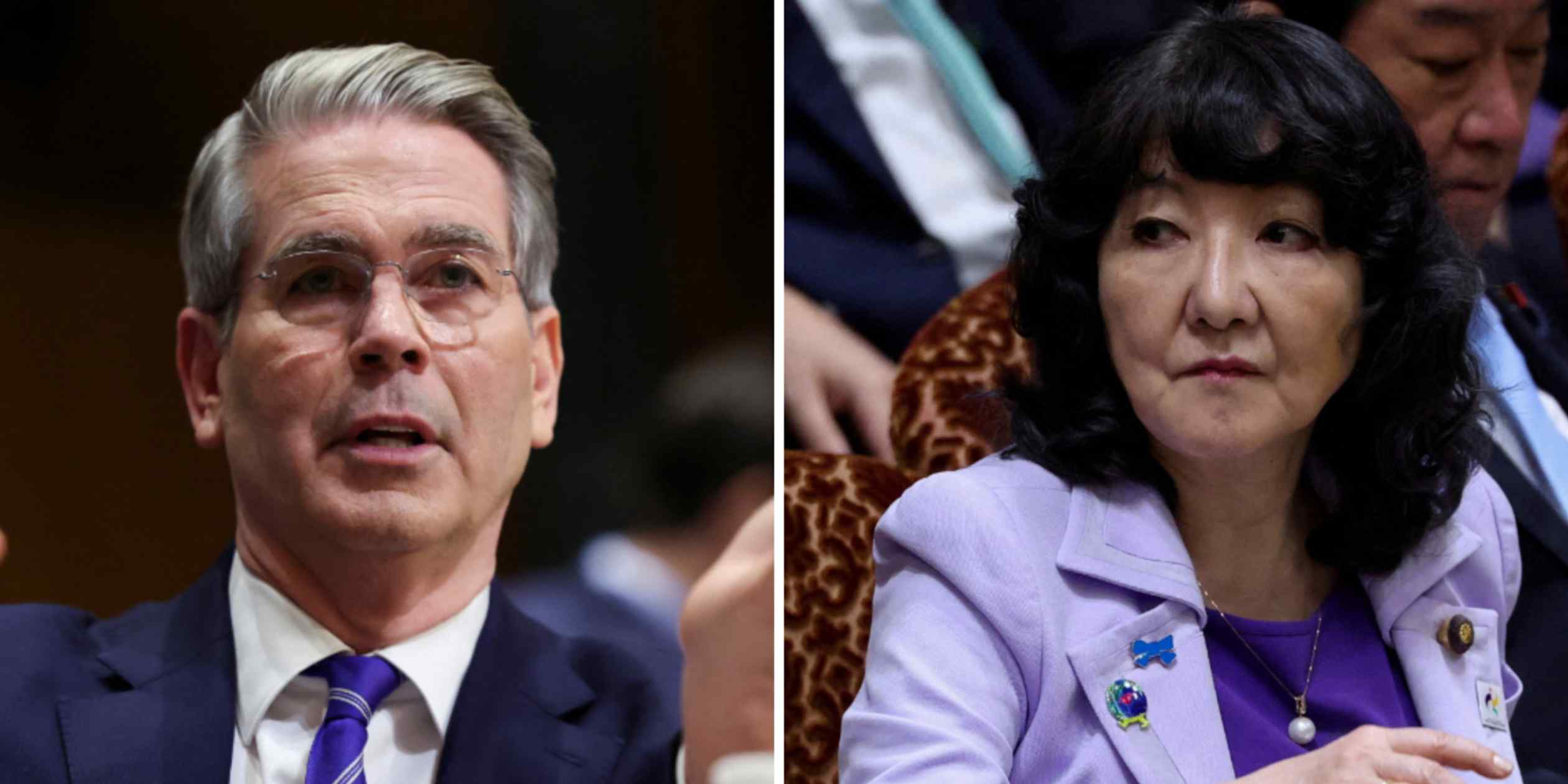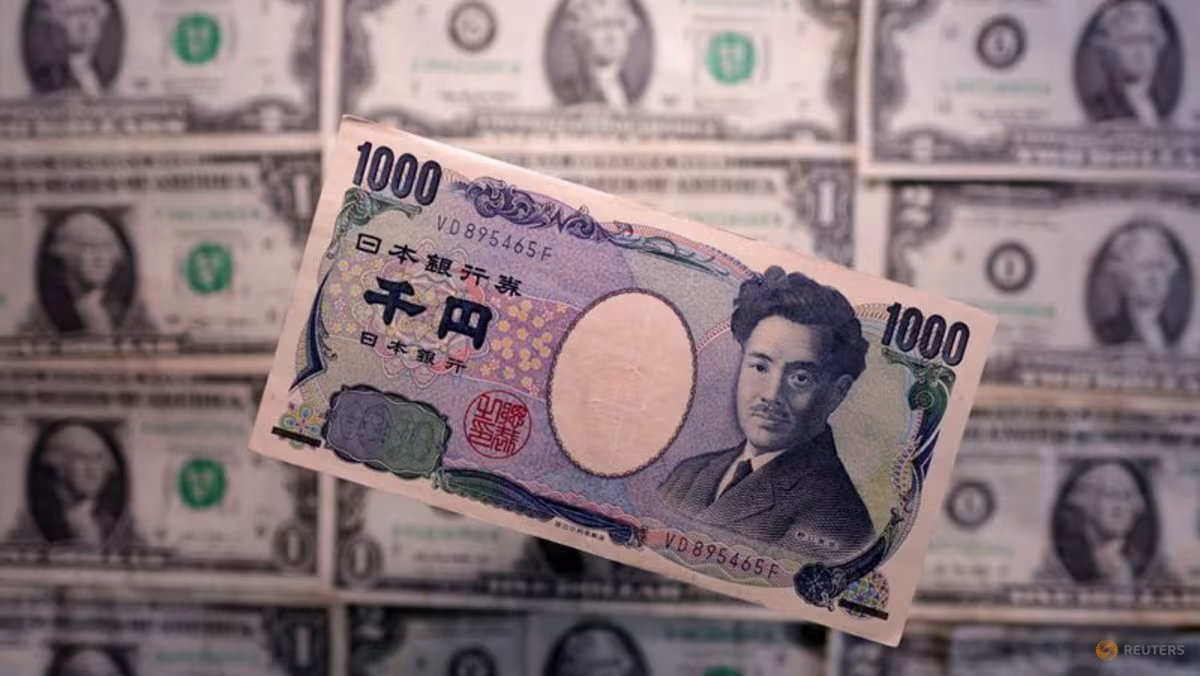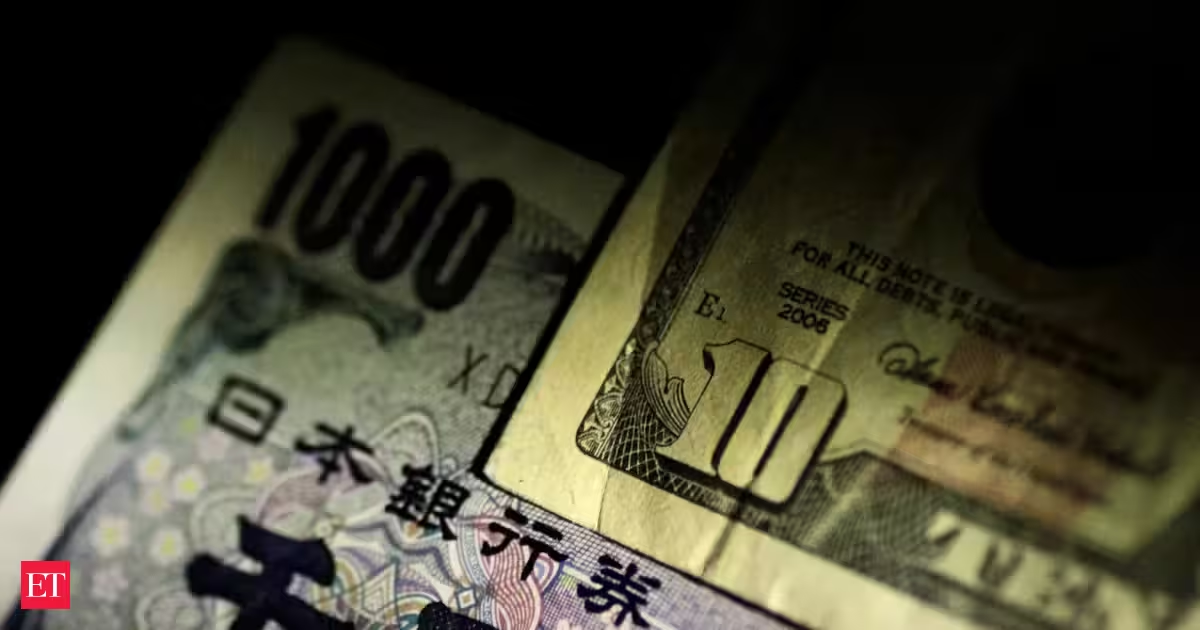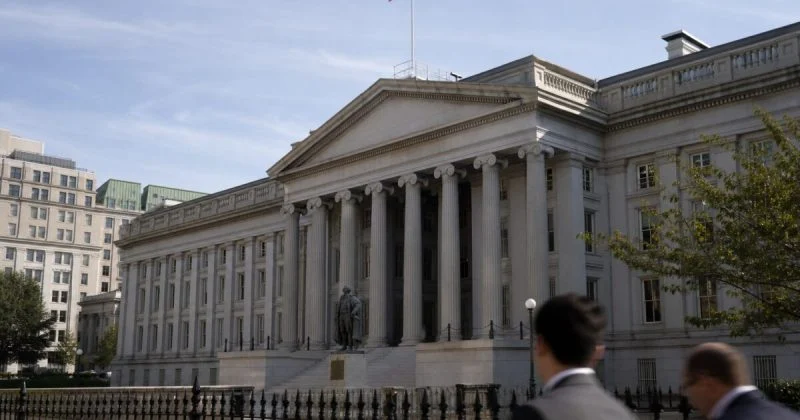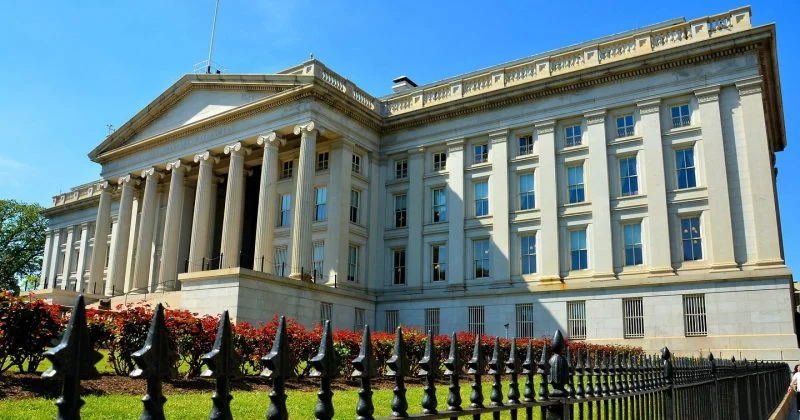
The US Treasury just pulled off something it hasn’t done in more than ten years: a coordinated currency intervention with Japan. Instead of selling dollars to buy yen, which is the conventional playbook, Treasury Secretary Scott Bessent opted to sell euros. The goal was straightforward: shore up Japan’s battered currency without weakening the greenback in the process.
What actually happened
The operation took place over July 31 and August 1, 2026, with the Federal Reserve Bank of New York executing the trades. Goldman Sachs and Morgan Stanley handled the execution, selling euros to purchase Japanese yen on behalf of the US government.
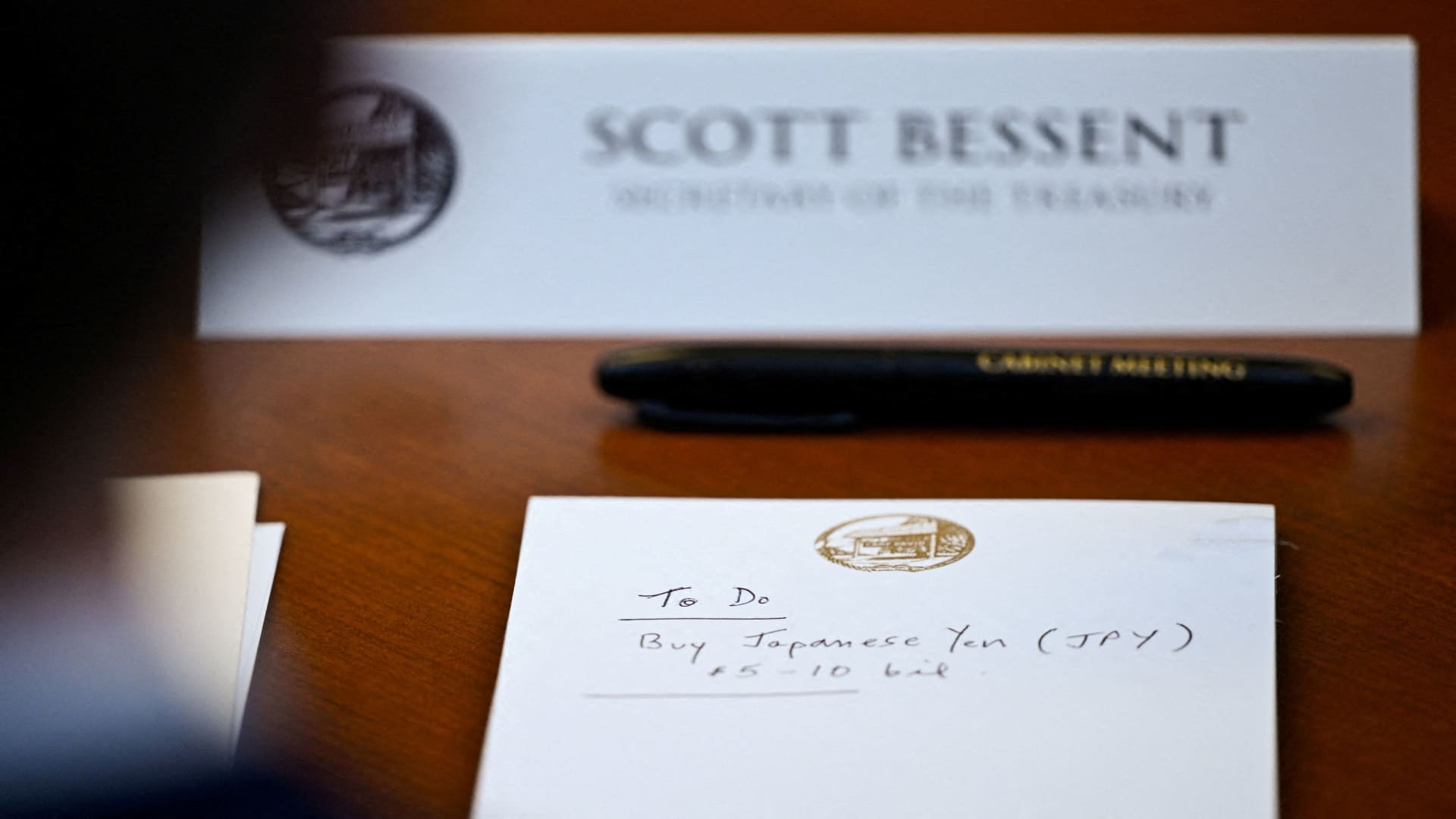
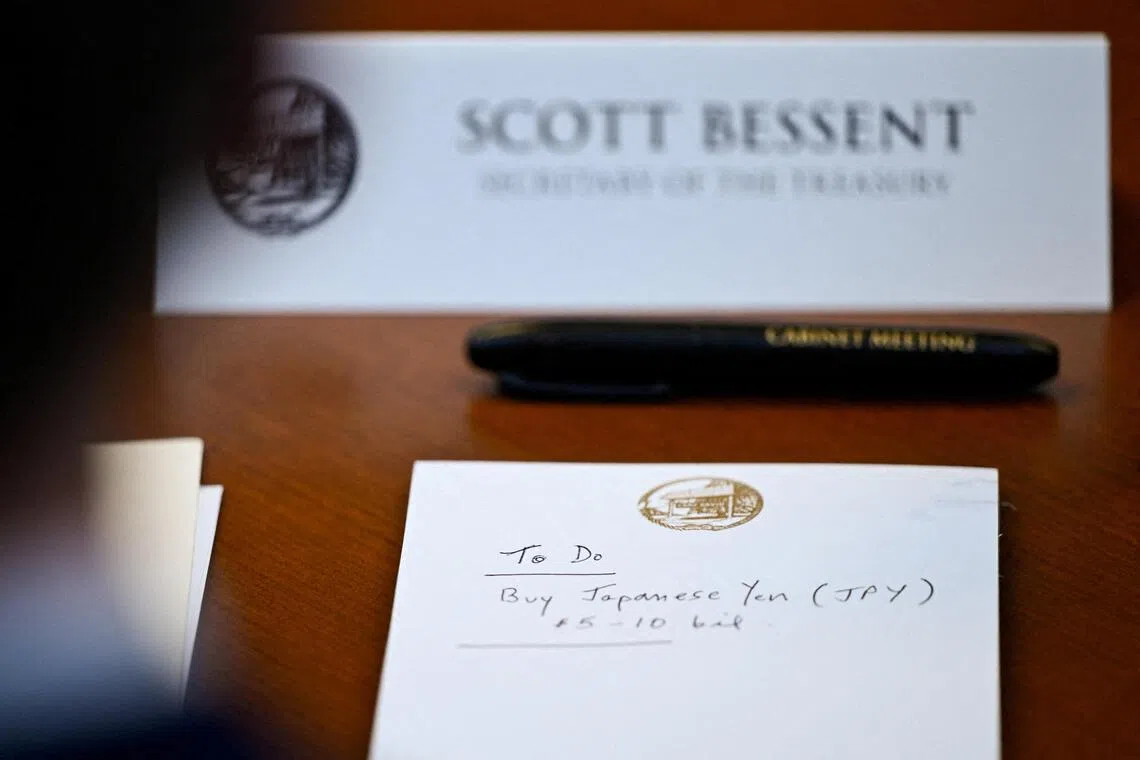
A handwritten note from Bessent’s Camp David notepad, which surfaced in reporting on the intervention, revealed the planned scale: between $5 billion and $10 billion worth of yen purchases.
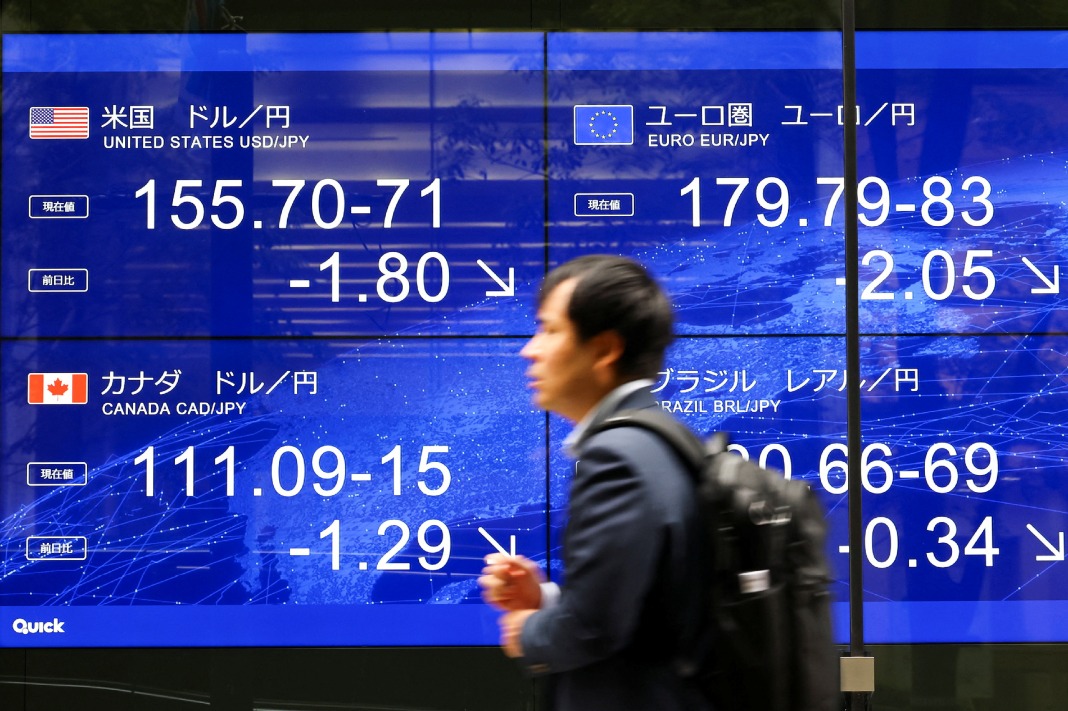
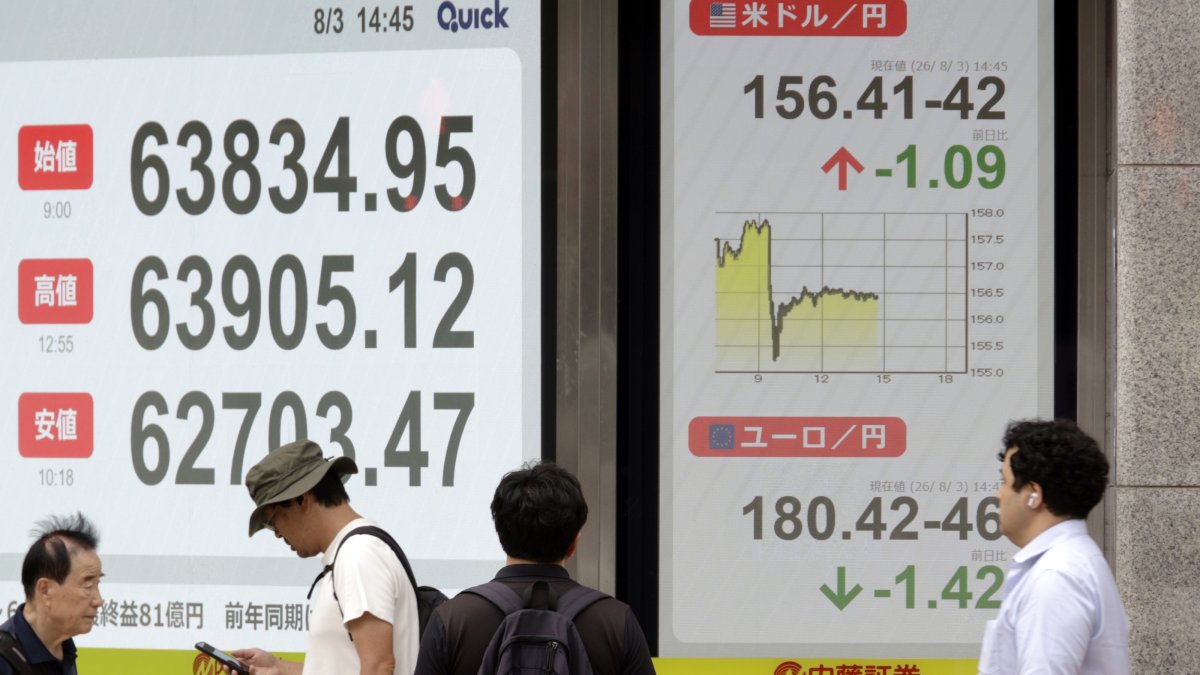
The results were immediate. The yen strengthened by more than 1% against both the US dollar and the euro on the day of the coordinated action.