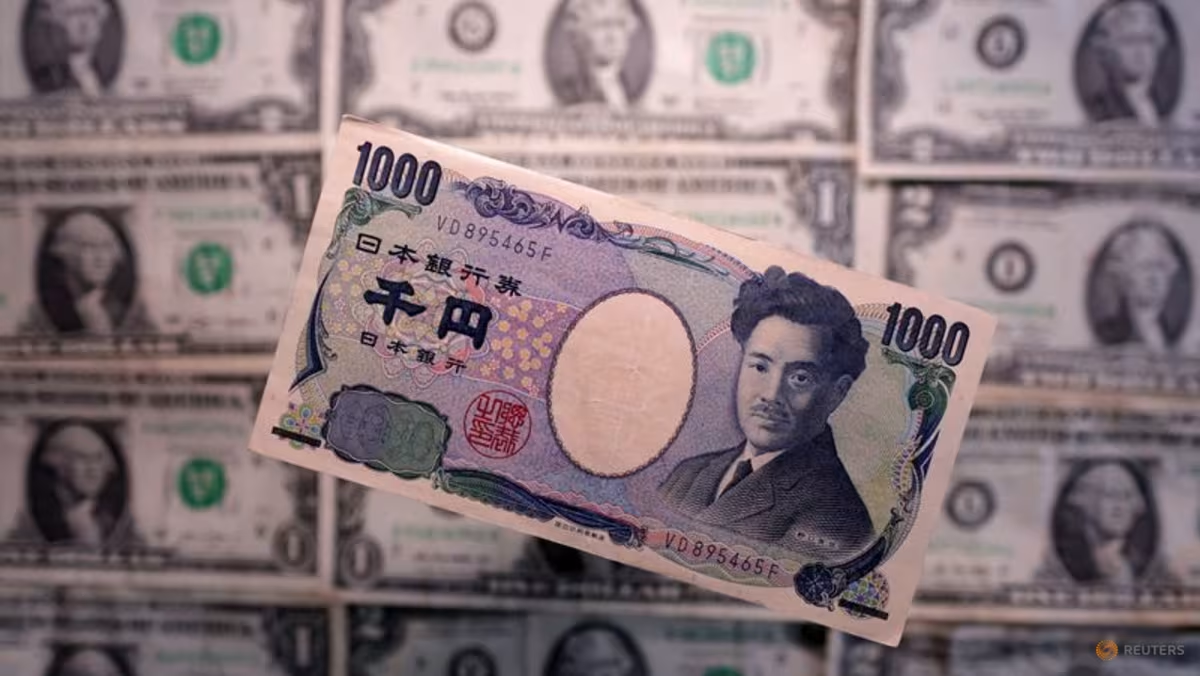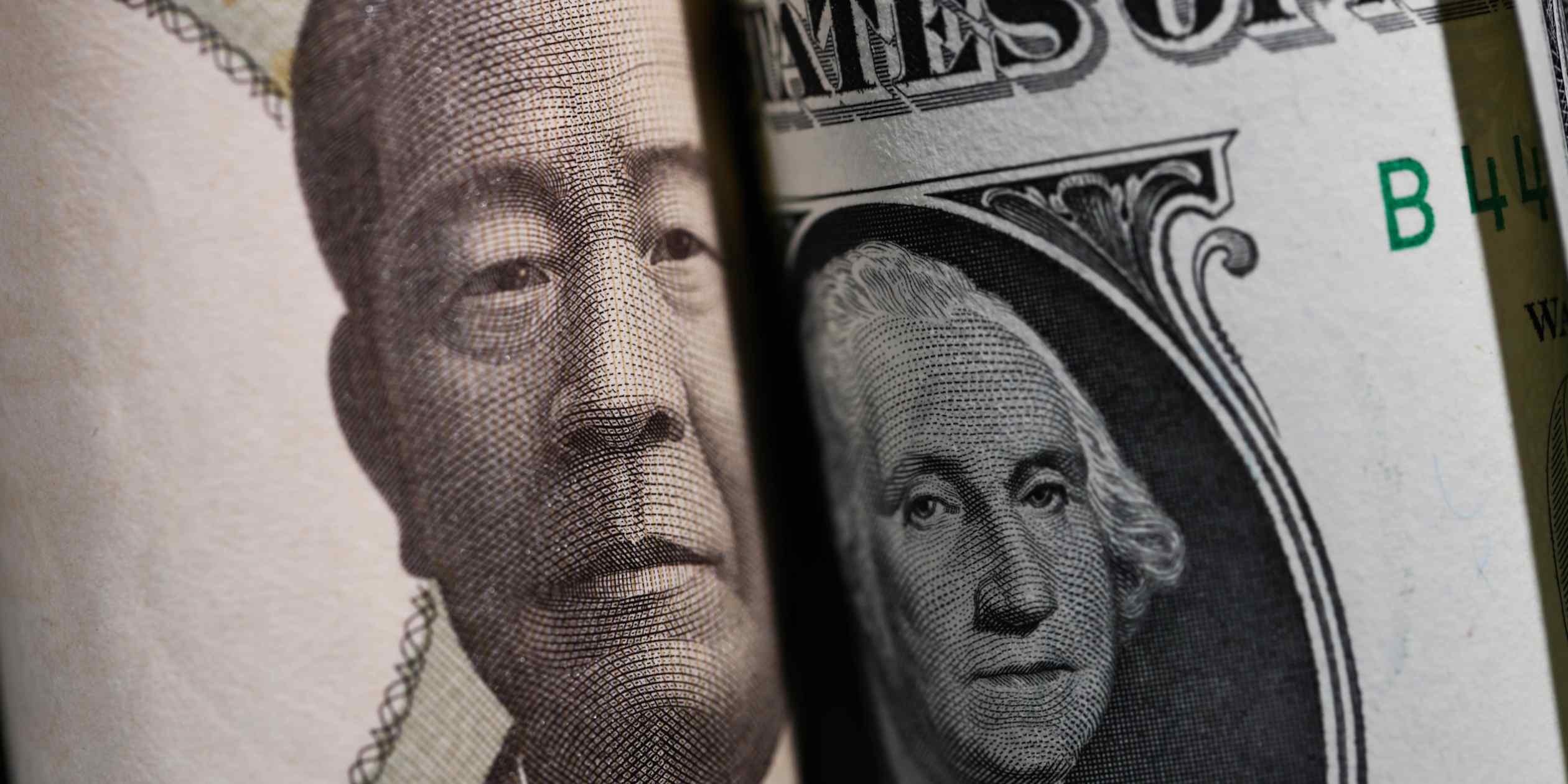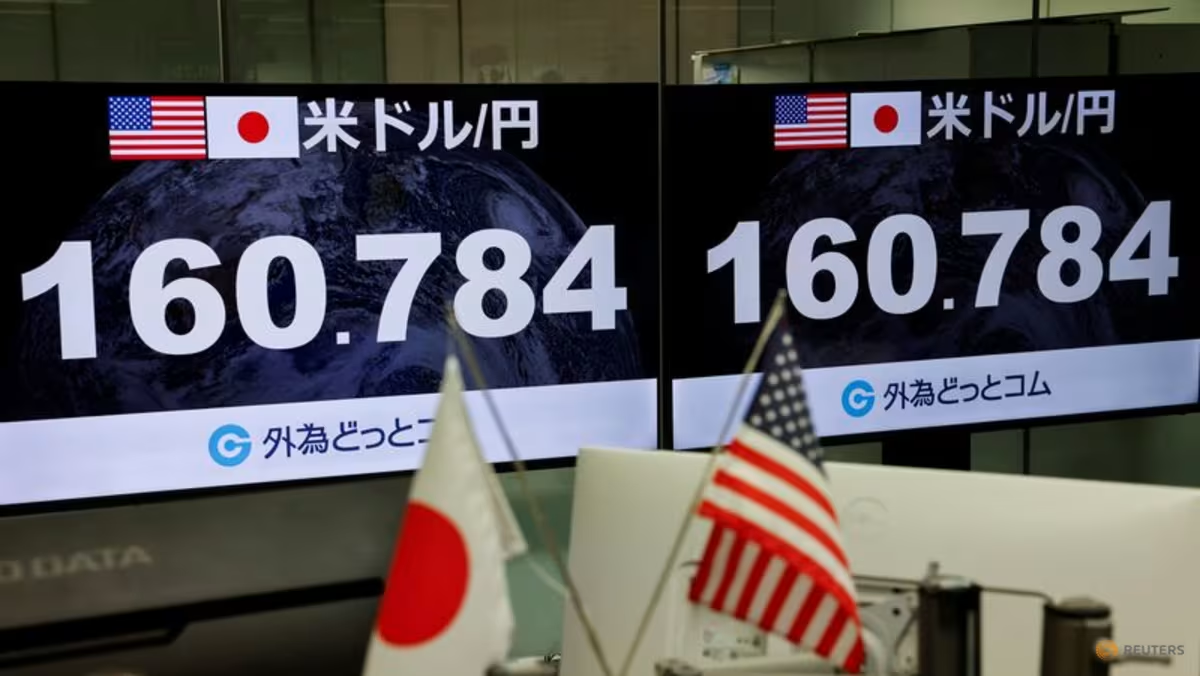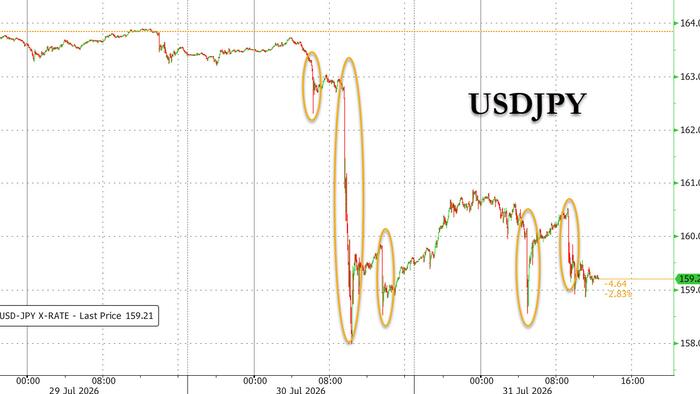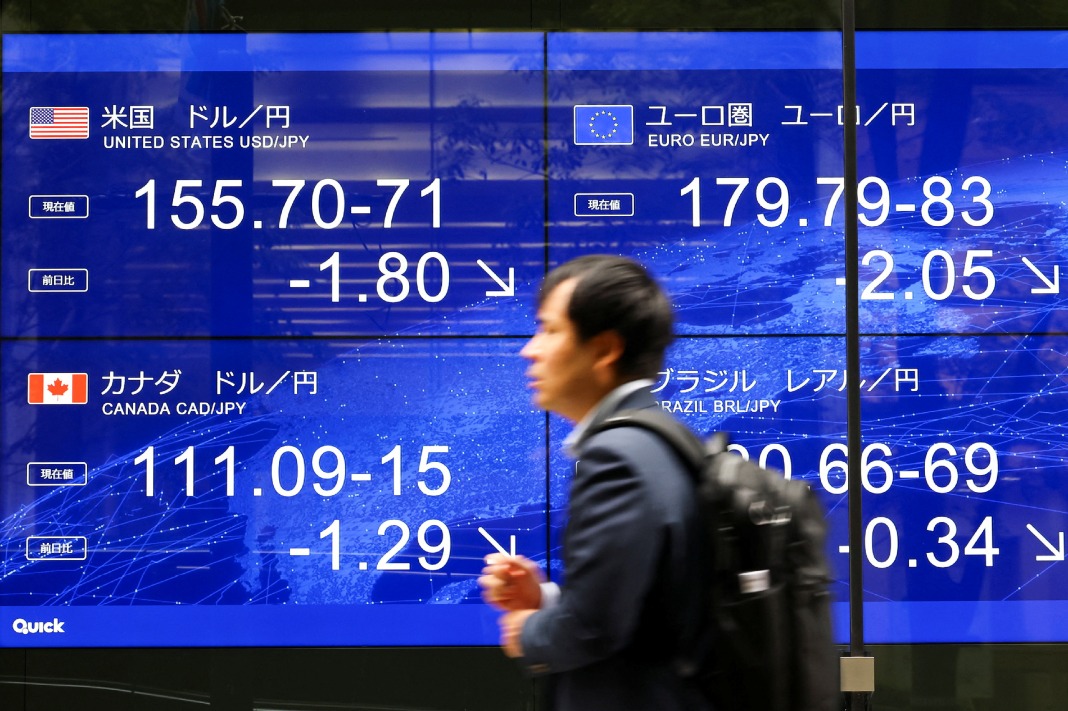
The US Treasury just did something it hasn’t done in more than a decade: it bought yen. The intervention, executed around August 1 through the Federal Reserve Bank of New York, was designed to prop up Japan’s battered currency. And according to JPMorgan, the Treasury’s ability to keep doing this is more limited than markets might assume.
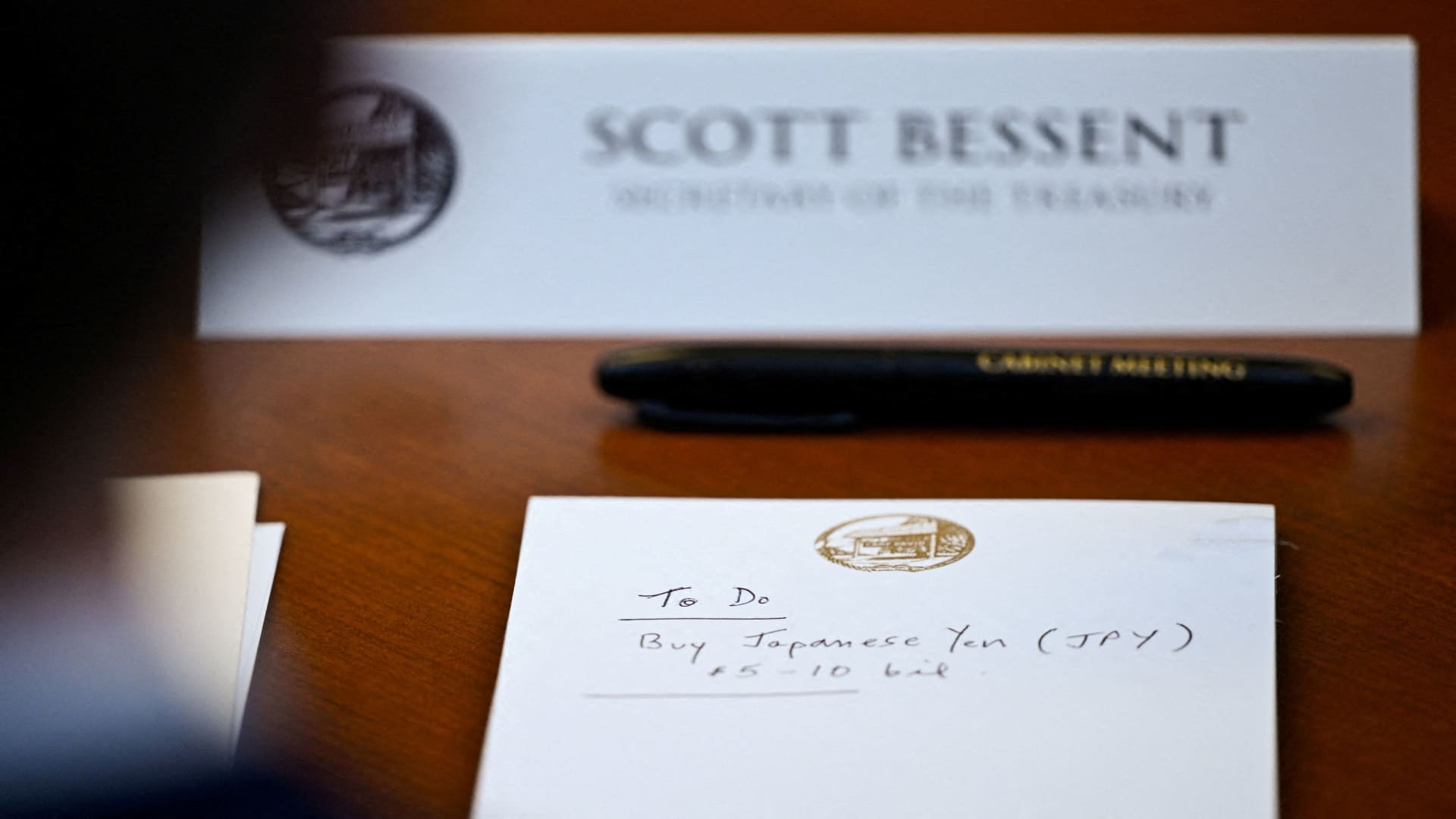
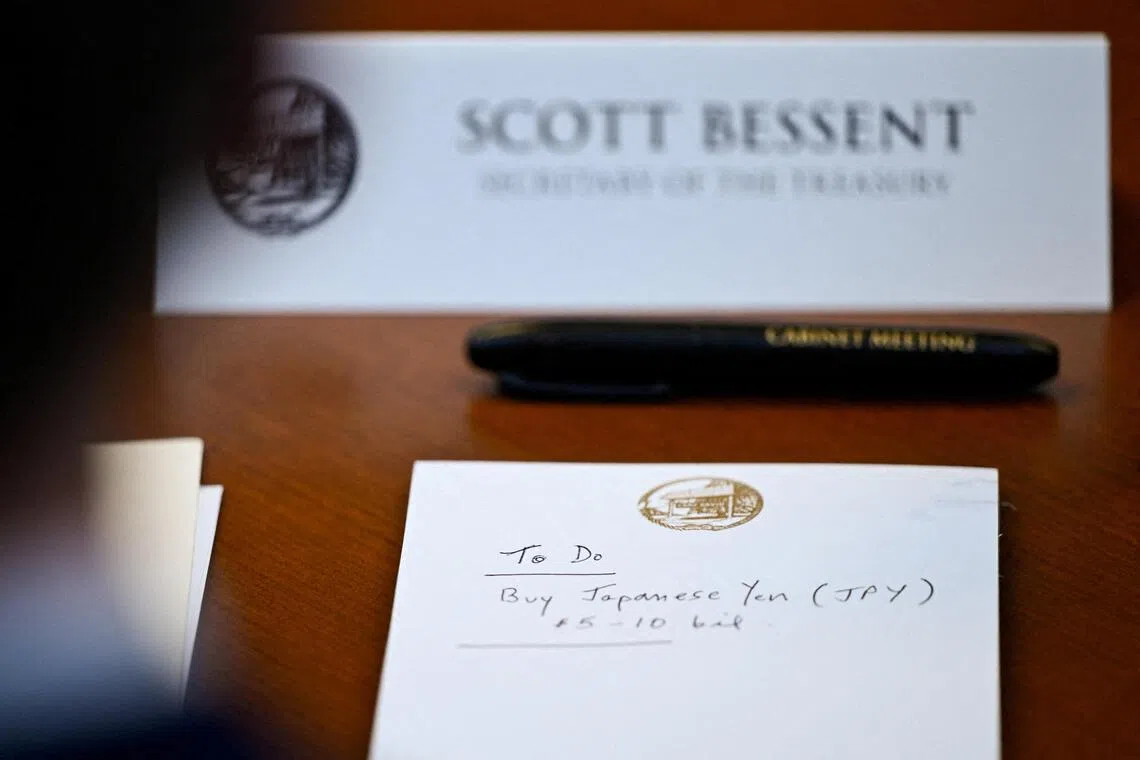
Treasury Secretary Scott Bessent had telegraphed the move, with a July 31 meeting agenda that included purchasing between $5 billion and $10 billion worth of Japanese yen. Goldman Sachs and Morgan Stanley facilitated the transaction.
The intervention playbook and its limits
JPMorgan’s analysis highlights a fundamental problem: the US Treasury’s foreign exchange reserves are finite. Currency intervention isn’t like monetary policy, where the Fed can theoretically expand its balance sheet. The Treasury works with a fixed pool of resources, and burning through them on yen purchases means less ammunition for future operations.
JPMorgan suggests that if further intervention becomes necessary, the Treasury would need to turn to “extraordinary measures” to expand its capacity.