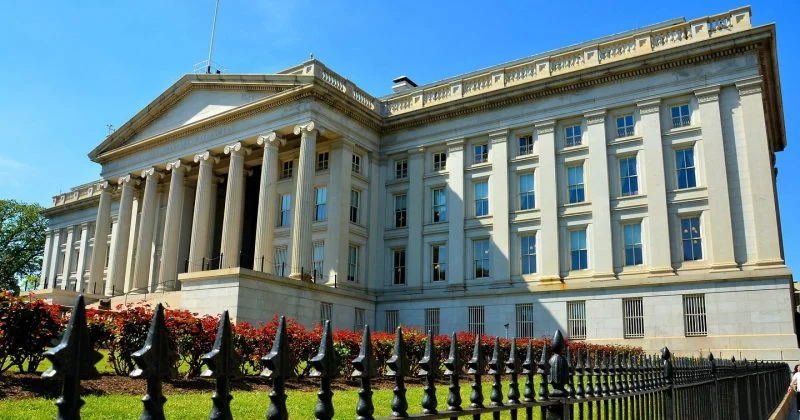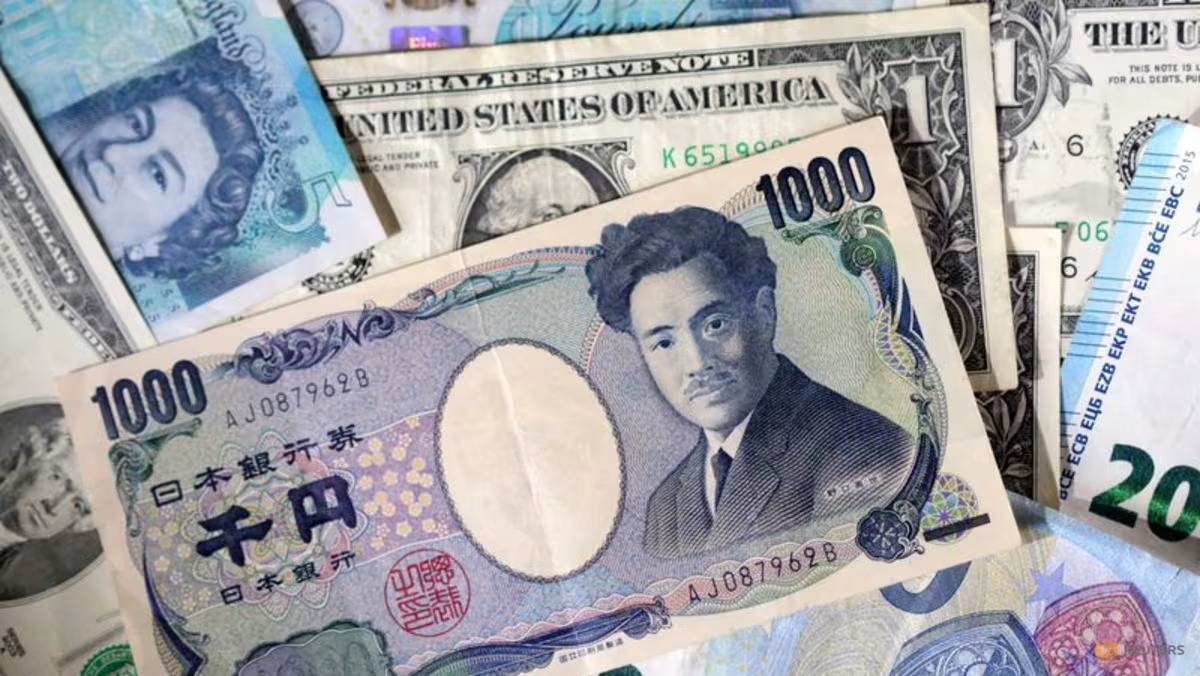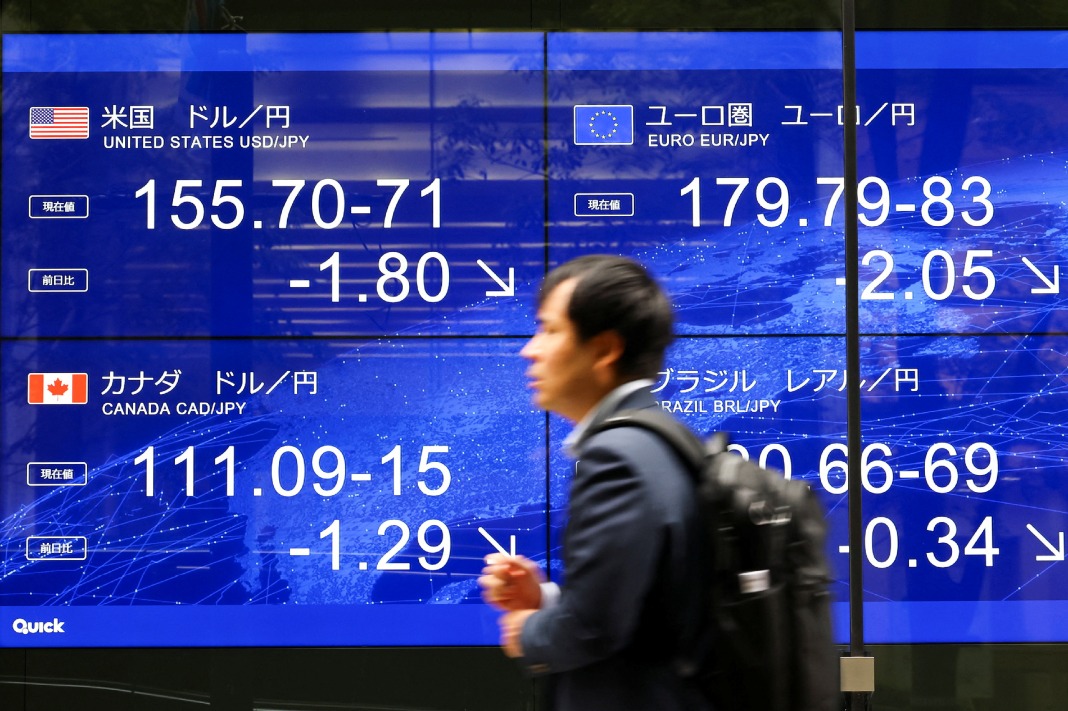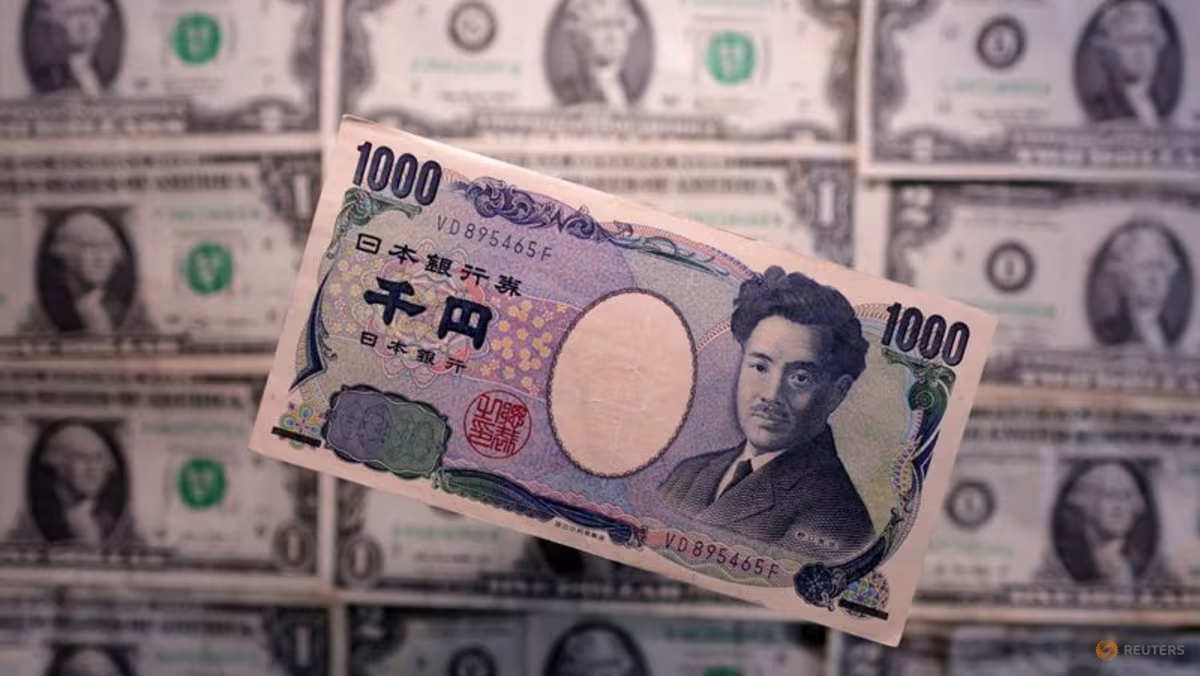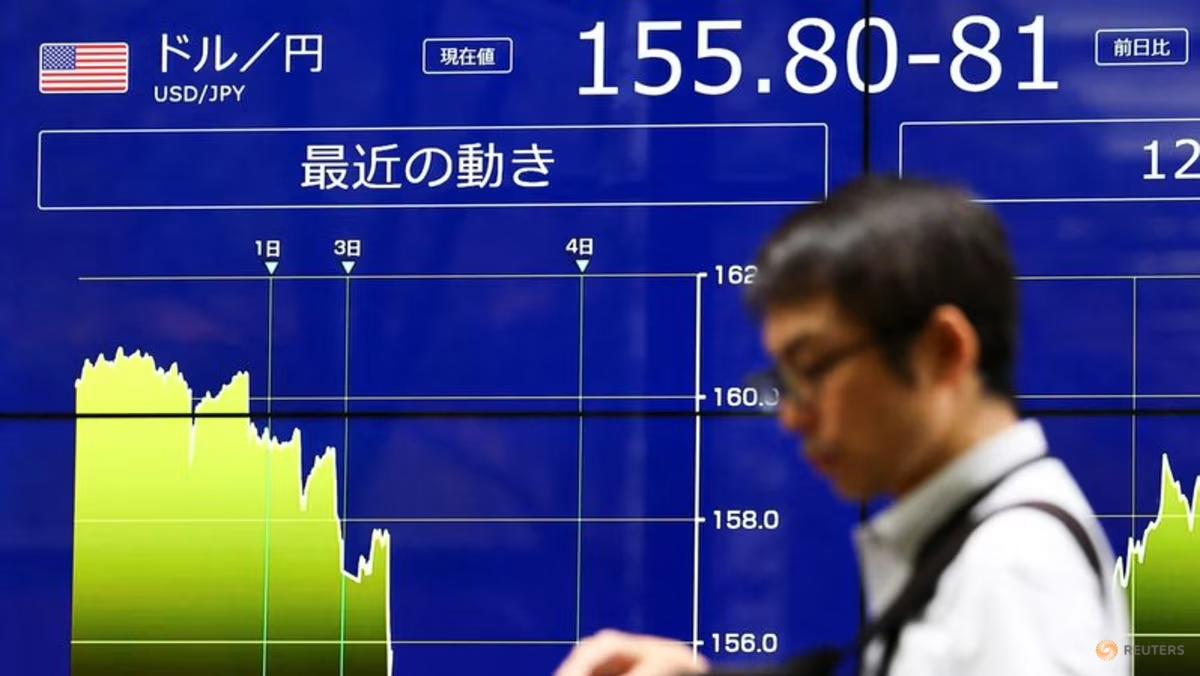
The US Treasury just did something it hasn’t done in about 15 years: it teamed up with Japan to buy yen in the open market. Instead of selling dollars to fund the purchase, the Federal Reserve Bank of New York sold euros, a move that caught currency traders off guard and sent the yen rallying more than 1% against both the dollar and the euro.
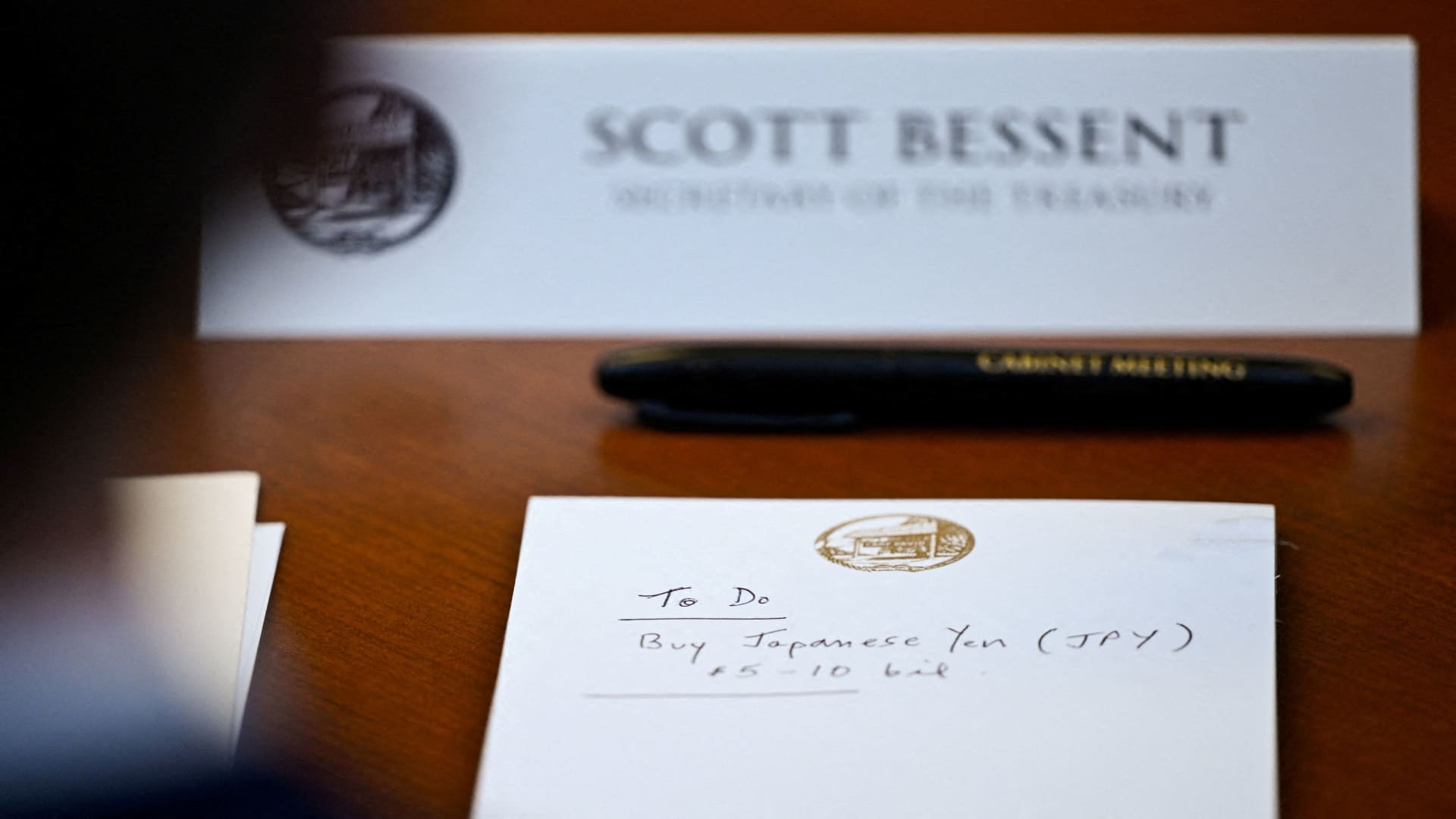
The coordinated intervention took place on August 1, with the yen trading near 40-year lows around 163.99 to 164 against the dollar. Treasury Secretary Scott Bessent had previously indicated the purchase could land somewhere between $5 billion and $10 billion, though the final transaction size hasn’t been officially disclosed.
Why euros and not dollars
By offloading euros rather than dollars, the Treasury avoided directly weakening its own currency, strengthening the yen while also applying downward pressure on the euro, all without touching the dollar’s position in global markets.
The NY Fed executed the trades through Goldman Sachs and Morgan Stanley, routing the intervention through major dealer banks. Selling euros out of Treasury reserves reduces the euro-denominated portion of America’s foreign exchange holdings, which could matter if the dollar-euro relationship shifts meaningfully in the months ahead.