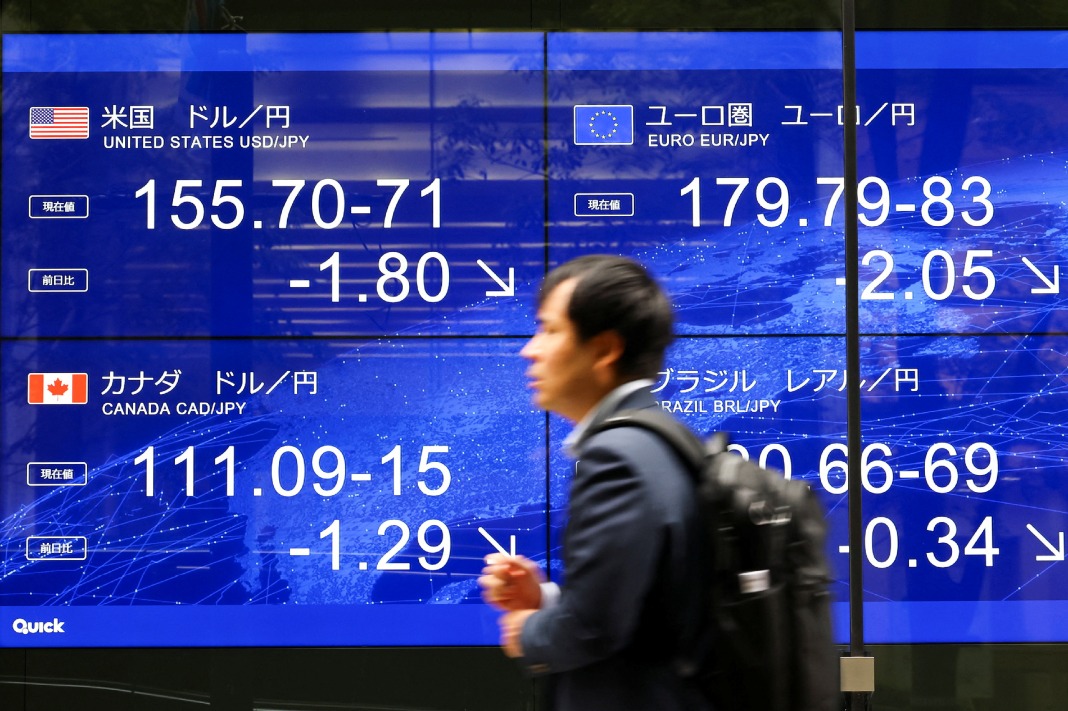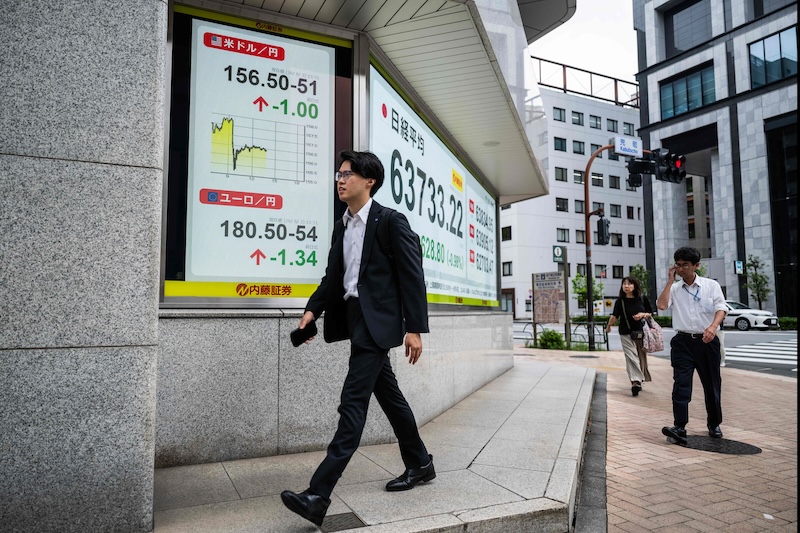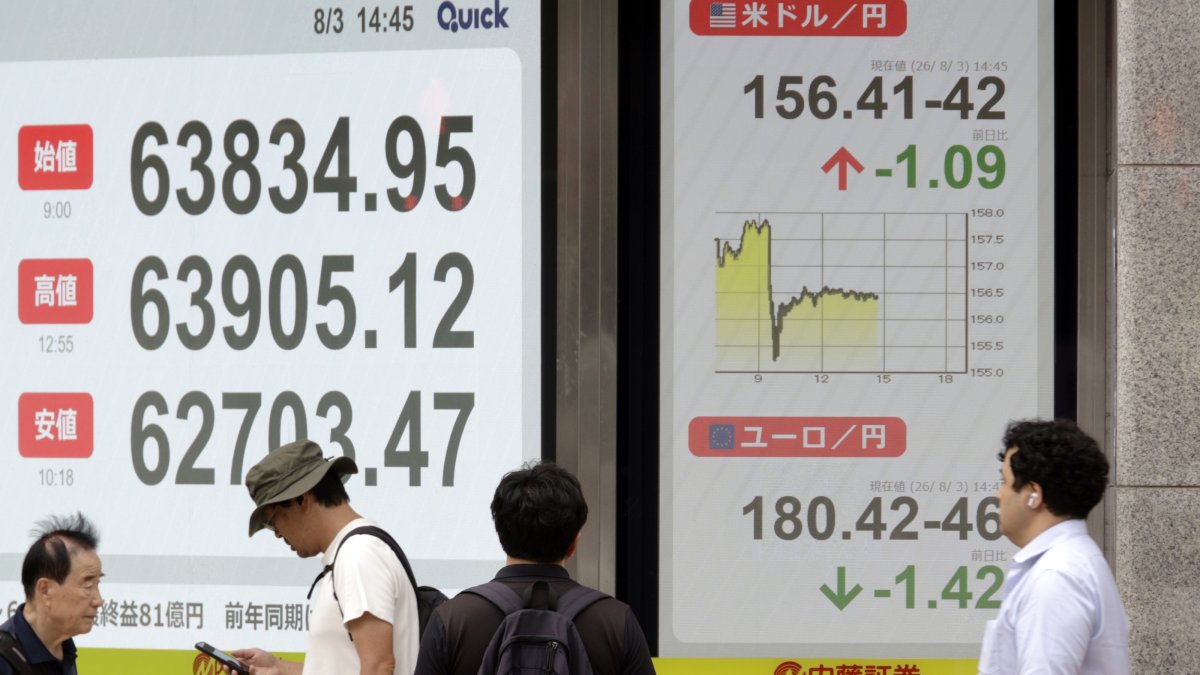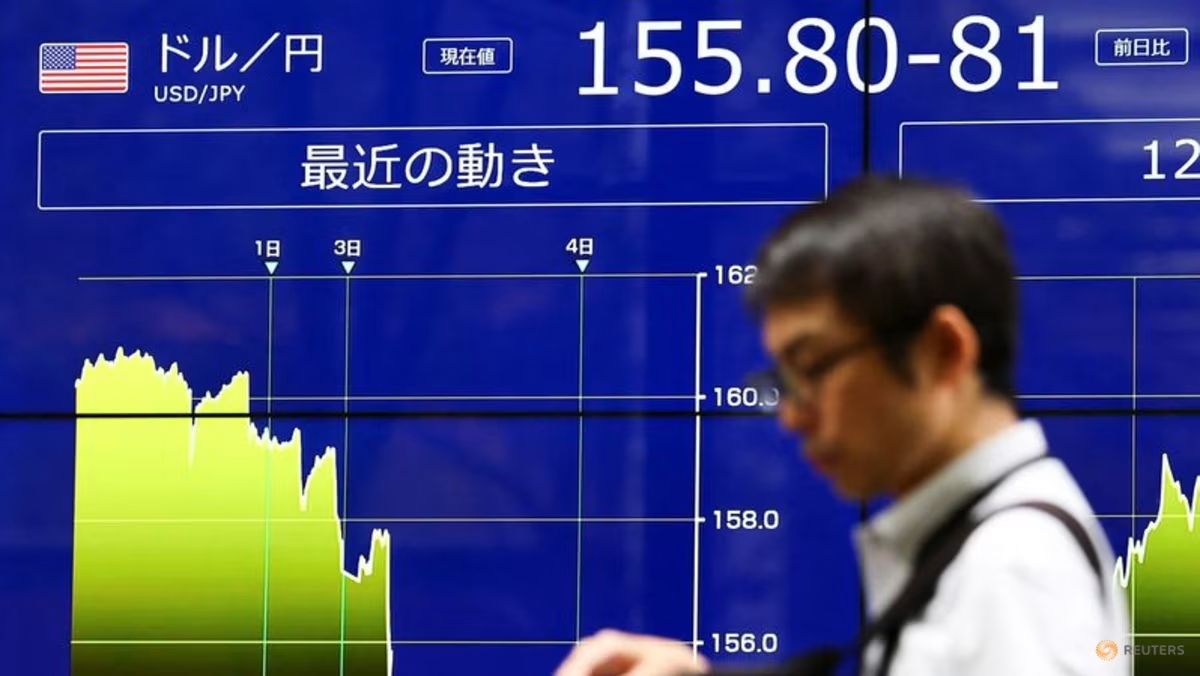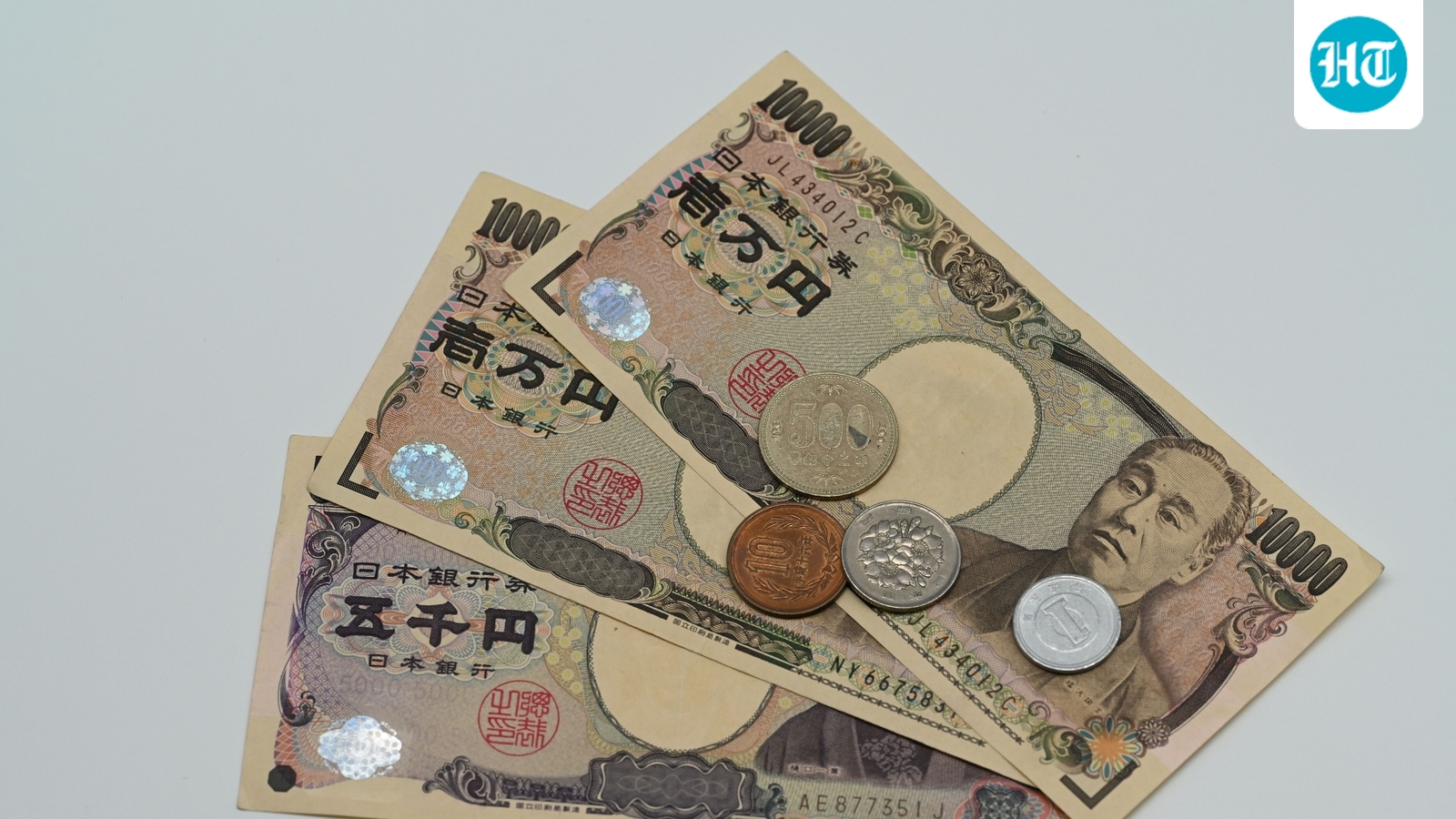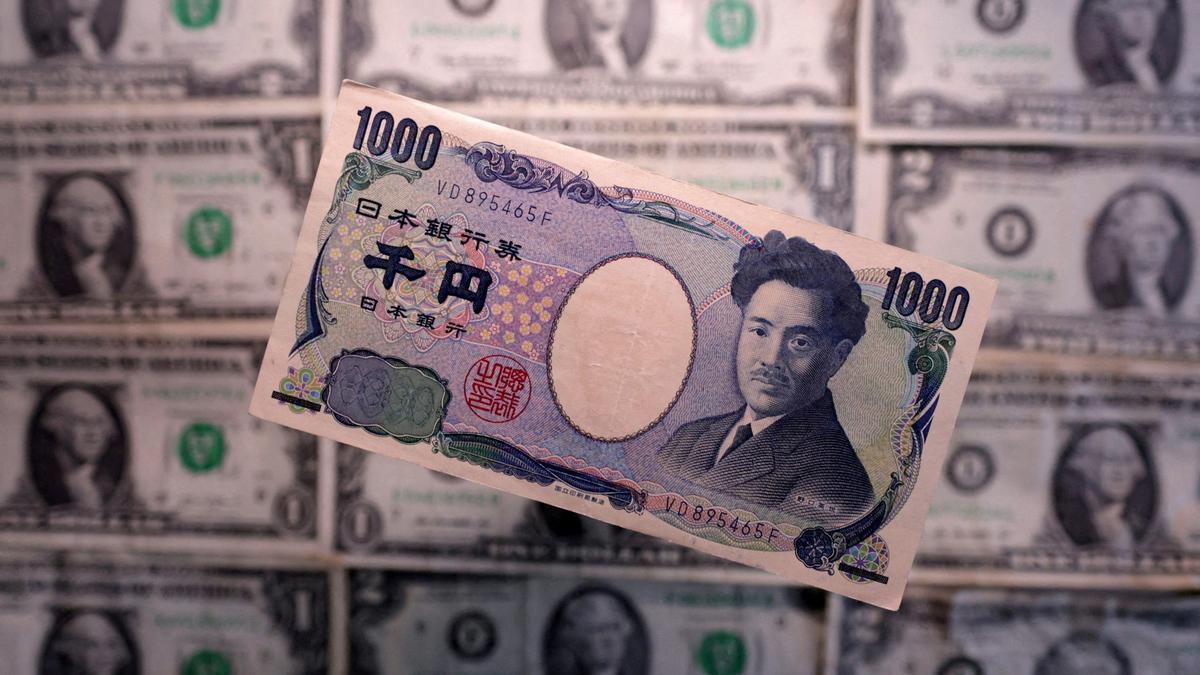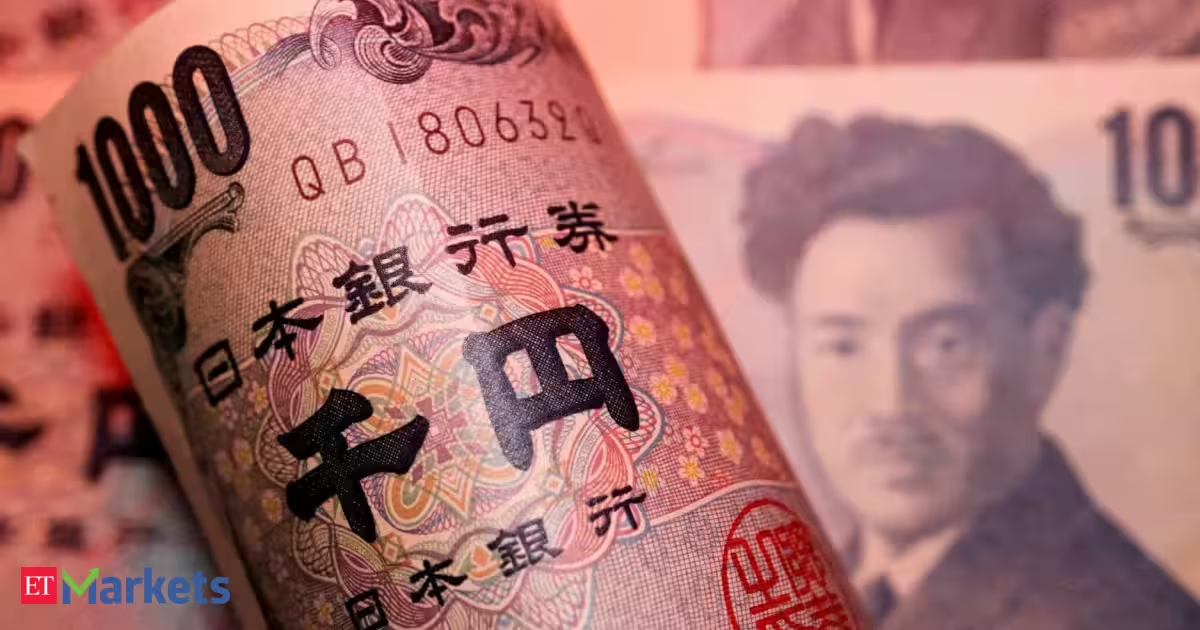
The US Treasury and Japanese authorities conducted a joint yen-buying intervention on July 31 and August 1, marking the first coordinated currency operation between the two nations since 2011. The move came after the yen plummeted to 163.99 per dollar on July 23, a level not seen in roughly four decades.
What actually happened
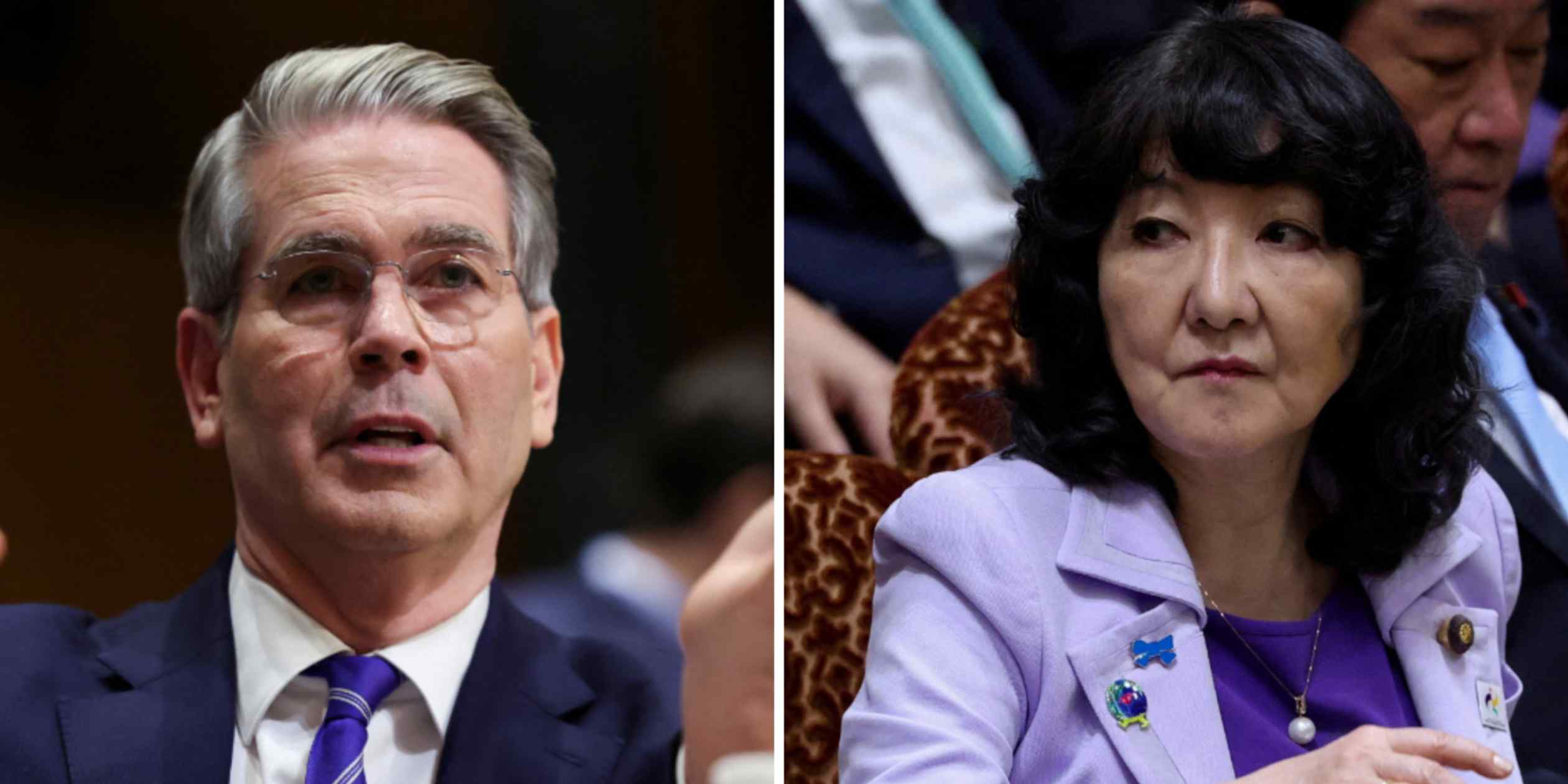
US Treasury Secretary Scott Bessent characterized the intervention as a response to “disorderly yen movements” that threatened to destabilize broader financial markets. The New York Fed sold euros to purchase yen, routing trades through major banks including Goldman Sachs and Morgan Stanley.
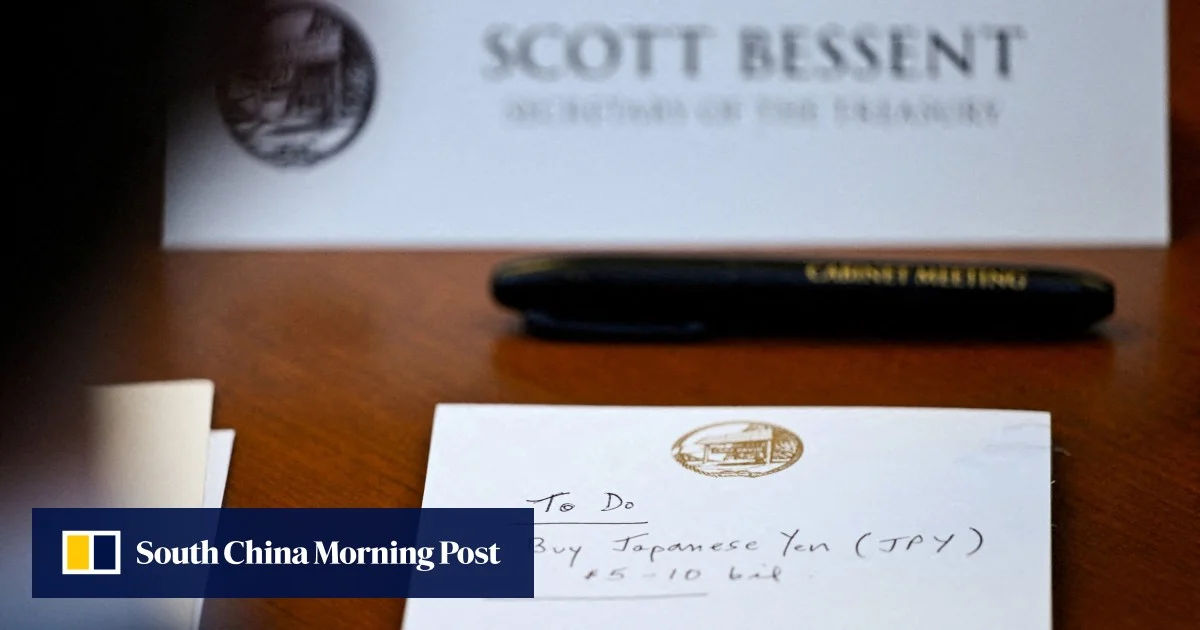
Japanese authorities reportedly deployed approximately 8.45 trillion yen, roughly $53 billion, to defend their currency. The US contribution was estimated at $5 to $10 billion, a figure reportedly visible on Bessent’s notepad during discussions.
President Donald Trump publicly endorsed the operation, framing it as a stabilizing force for global markets. Bessent went further, stating the US “will not hesitate” to engage in additional joint interventions if necessary. He also characterized the yen as undervalued.