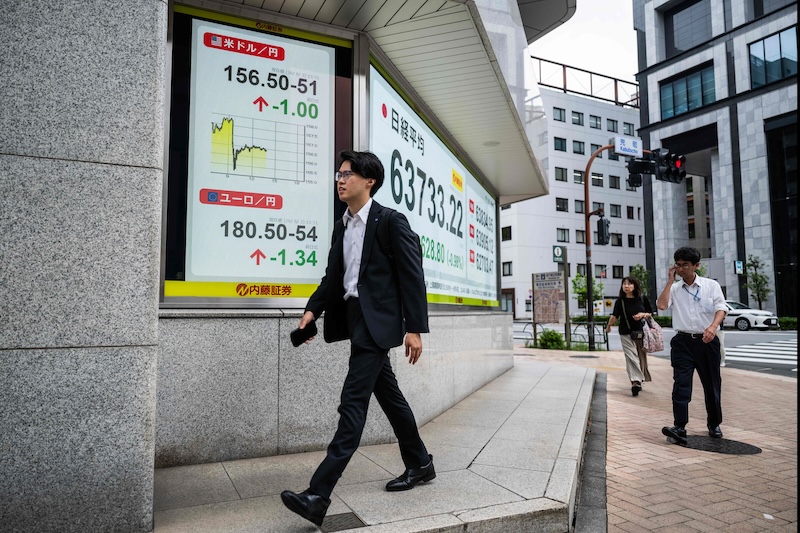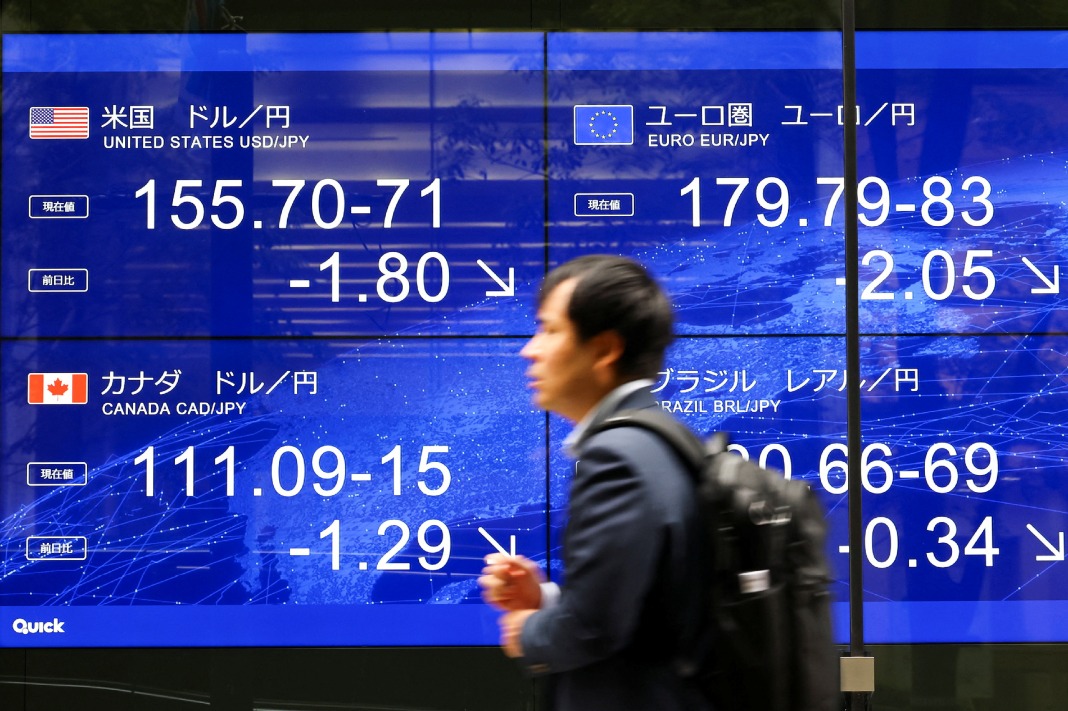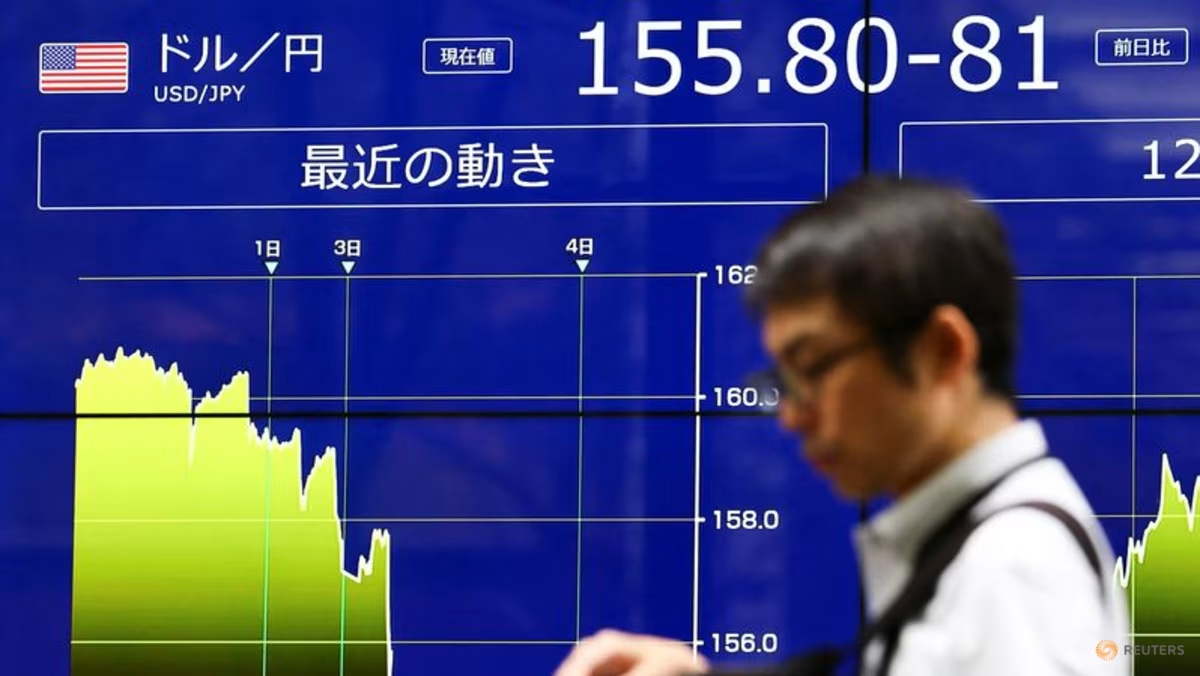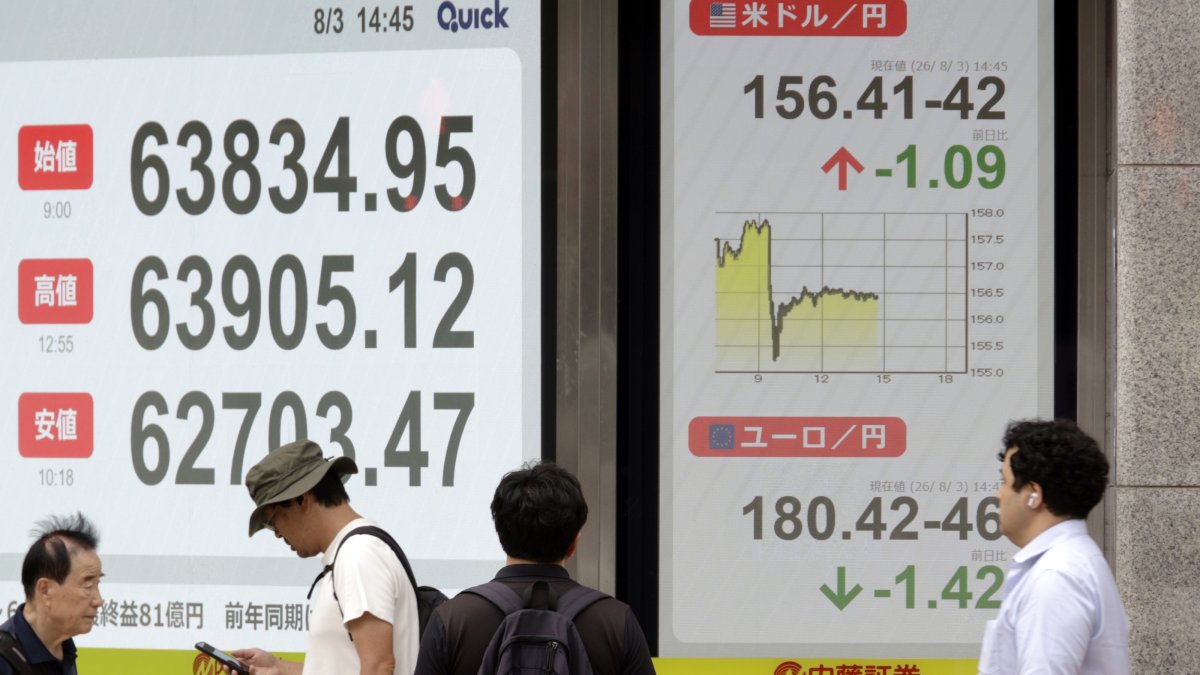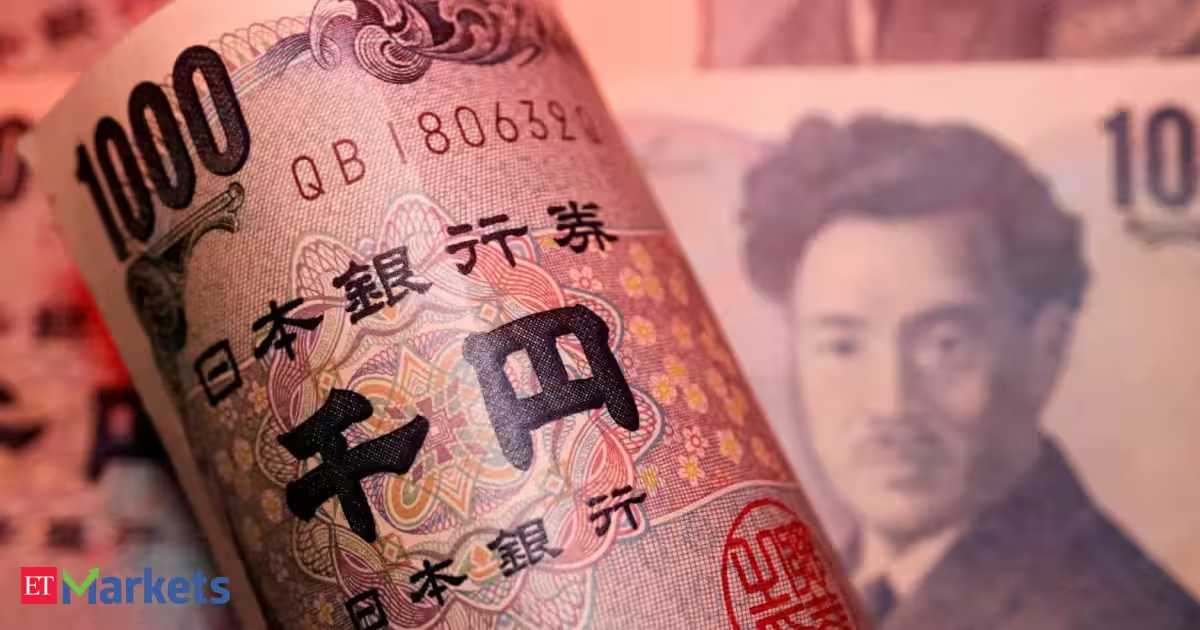
SynopsisJapan's finance ministry confirmed that Tokyo and Washington jointly intervened in currency markets to support the yen for the first time since 2011. The coordinated move underscores both governments' resolve to curb excessive currency volatility, though analysts remain cautious about its long-term impact.Listen to this article in summarized formatReutersJapan and the US jointly intervened to support the yen for the first time since 2011.Japan's finance ministry on Monday confirmed that Tokyo and Washington had carried out coordinated intervention in the currency market to support the yen, marking the first joint action of its kind since 2011, Reuters reported.The ministry said the joint yen-buying operation, conducted with the U.S. Treasury Department on Friday, was aimed at countering excessive volatility and disorderly movements in the Japanese currency after months of sustained weakness. It also signalled that both countries remain in close contact and are prepared to undertake further coordinated intervention if necessary.The confirmation highlights the determination of both governments to prevent sharp declines in the yen and Japanese government bonds from creating broader financial market disruptions, including additional upward pressure on U.S. Treasury yields, analysts told Reuters.Earlier on Sunday, U.S. President Donald Trump said the United States was assisting Japan in supporting the yen as a gesture of friendship and to help maintain global economic stability.Following the official confirmation from both governments, the dollar reversed earlier gains against the yen. The U.S. currency fell about 0.6% to an intraday low of 156.50 during Asian trading.Japan's top currency diplomat, Atsushi Mimura, said the coordinated intervention reflected close cooperation between Tokyo and Washington. He added that the government would continue aligning its currency policy with the Bank of Japan's monetary policy framework.U.S. Treasury Secretary Scott Bessent also confirmed Washington's participation in the intervention and indicated that the United States would remain ready to join future coordinated operations if required. Reuters reported that Bessent also reiterated his view that further interest-rate increases by the Bank of Japan would help address the yen's undervaluation.The developments have shifted attention to the Bank of Japan, which kept interest rates unchanged at its latest policy meeting last week while indicating that another rate hike could be considered as early as September.Japan has struggled for months to halt the yen's decline, which has increased import costs and fueled inflation, weighing on household spending and the political standing of Prime Minister Sanae Takaichi.Previous unilateral interventions by Tokyo between late April and early May provided only temporary relief for the currency. Likewise, the Bank of Japan's June interest-rate increase to its highest level in 31 years failed to generate sustained support for the yen.Before Friday's confirmed joint intervention, Bank of Japan data suggested Japan may have spent as much as $58.97 billion purchasing yen during intervention in New York markets on Thursday.Despite the coordinated move, analysts remain cautious about the intervention's long-term effectiveness. They point to structural factors, including elevated energy costs linked to tensions in the Middle East and the still-wide interest-rate gap between Japan and the United States, as continuing to weigh on the Japanese currency.Reuters also reported that Bessent said the United States would consider expanding the size of the Federal Reserve's repurchase facility in the coming months. The facility provides temporary dollar liquidity and serves as a financial backstop.The comments followed a statement from Japan's finance ministry over the weekend highlighting that Tokyo has multiple tools available to address market liquidity needs, including access to the Federal Reserve's repurchase facility.Introduced in 2020 during the COVID-19 pandemic, the Fed facility allows countries such as Japan to obtain temporary dollar funding without selling U.S. Treasury holdings, helping ease liquidity pressures during periods of market intervention.Read More News on(What's moving Sensex and Nifty Track latest market news, stock tips, Budget 2025, Share Market on Budget 2025 and expert advice, on ETMarkets. Also, ETMarkets.com is now on Telegram. For fastest news alerts on financial markets, investment strategies and stocks alerts, subscribe to our Telegram feeds .) Subscribe to ET Prime and read the Economic Times ePaper Online.and Sensex Today. Top Trending Stocks: SBI Share Price, Axis Bank Share Price, HDFC Bank Share Price, Infosys Share Price, Wipro Share Price, NTPC Share Price...moreless(You can now subscribe to our ETMarkets WhatsApp channel)Read More News on(What's moving Sensex and Nifty Track latest market news, stock tips, Budget 2025, Share Market on Budget 2025 and expert advice, on ETMarkets. Also, ETMarkets.com is now on Telegram. For fastest news alerts on financial markets, investment strategies and stocks alerts, subscribe to our Telegram feeds .) Subscribe to ET Prime and read the Economic Times ePaper Online.and Sensex Today. Top Trending Stocks: SBI Share Price, Axis Bank Share Price, HDFC Bank Share Price, Infosys Share Price, Wipro Share Price, NTPC Share Price...moreless
Global Market: Japan, US confirm coordinated yen intervention to stem currency slide
Japan's finance ministry confirmed that Tokyo and Washington jointly intervened in currency markets to support the yen for the first time since 2011. The coordinated move underscores both governments' resolve to curb excessive currency volatility, though analysts remain cautious about its long-term impact.
783 words~4 min read