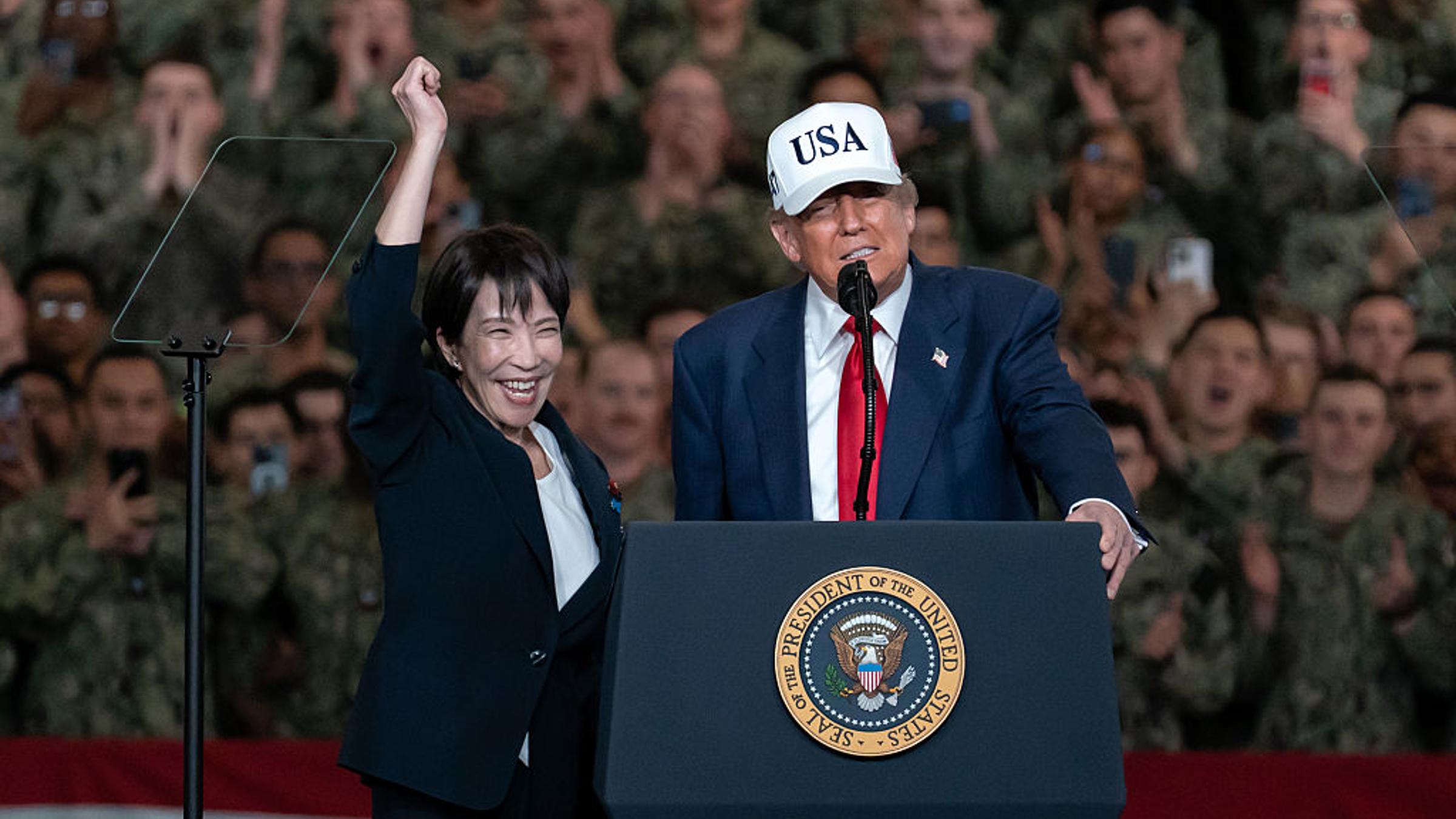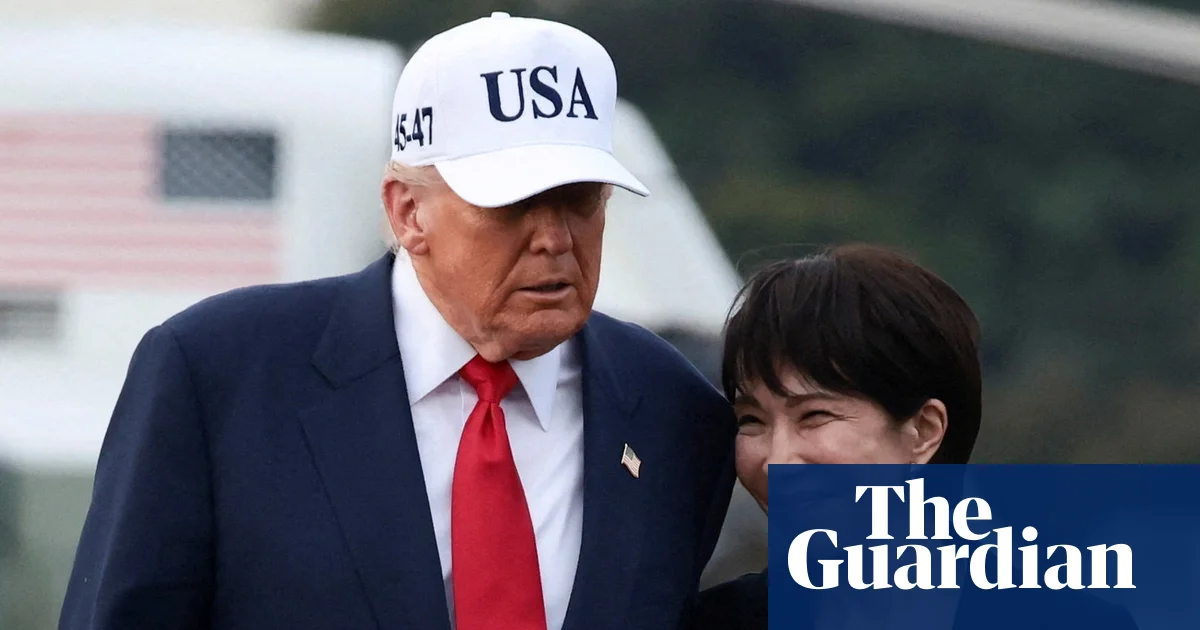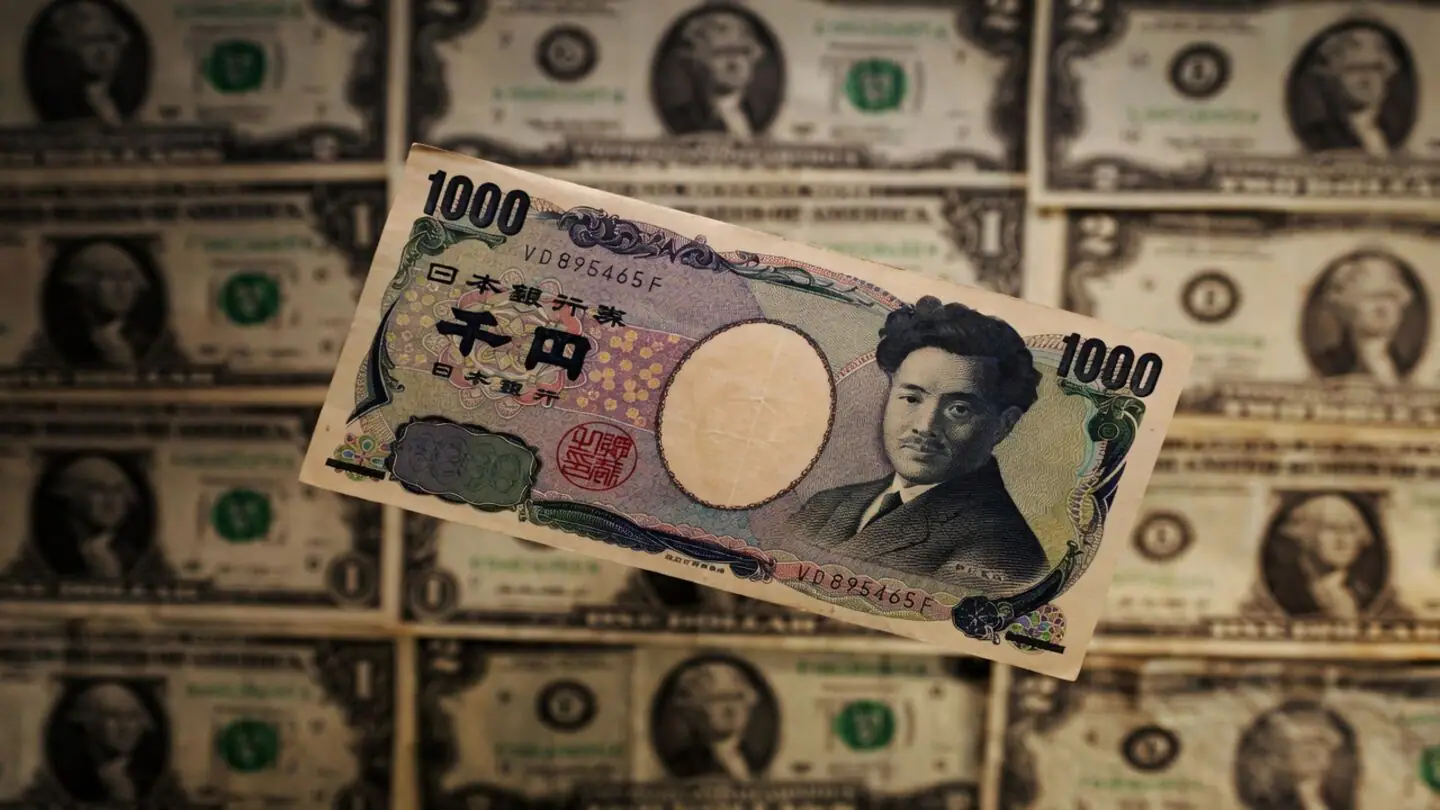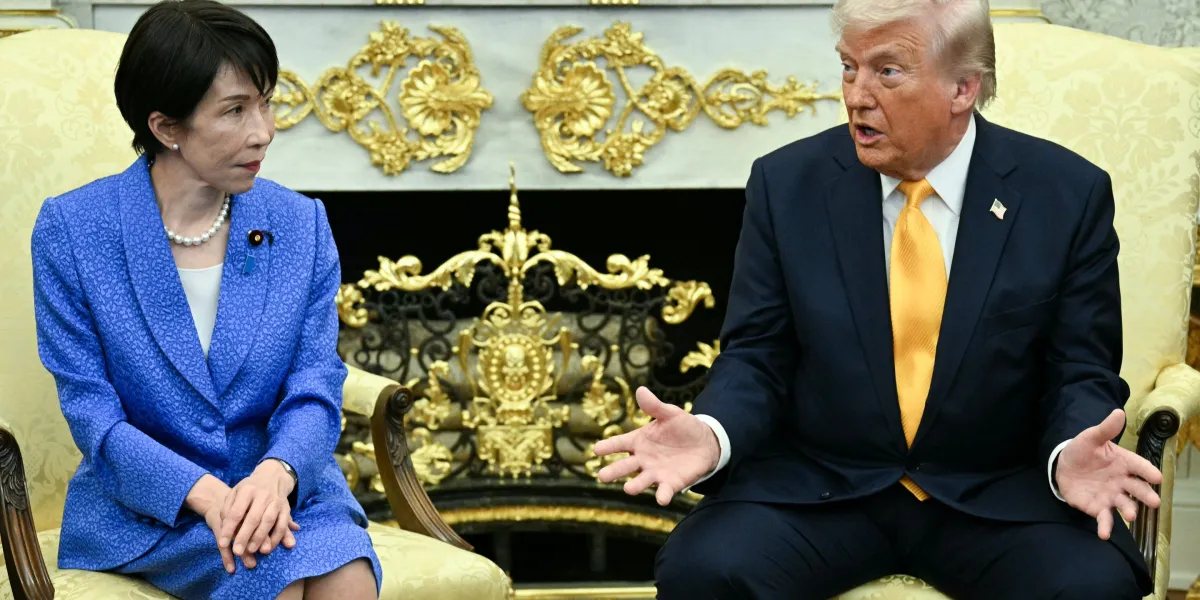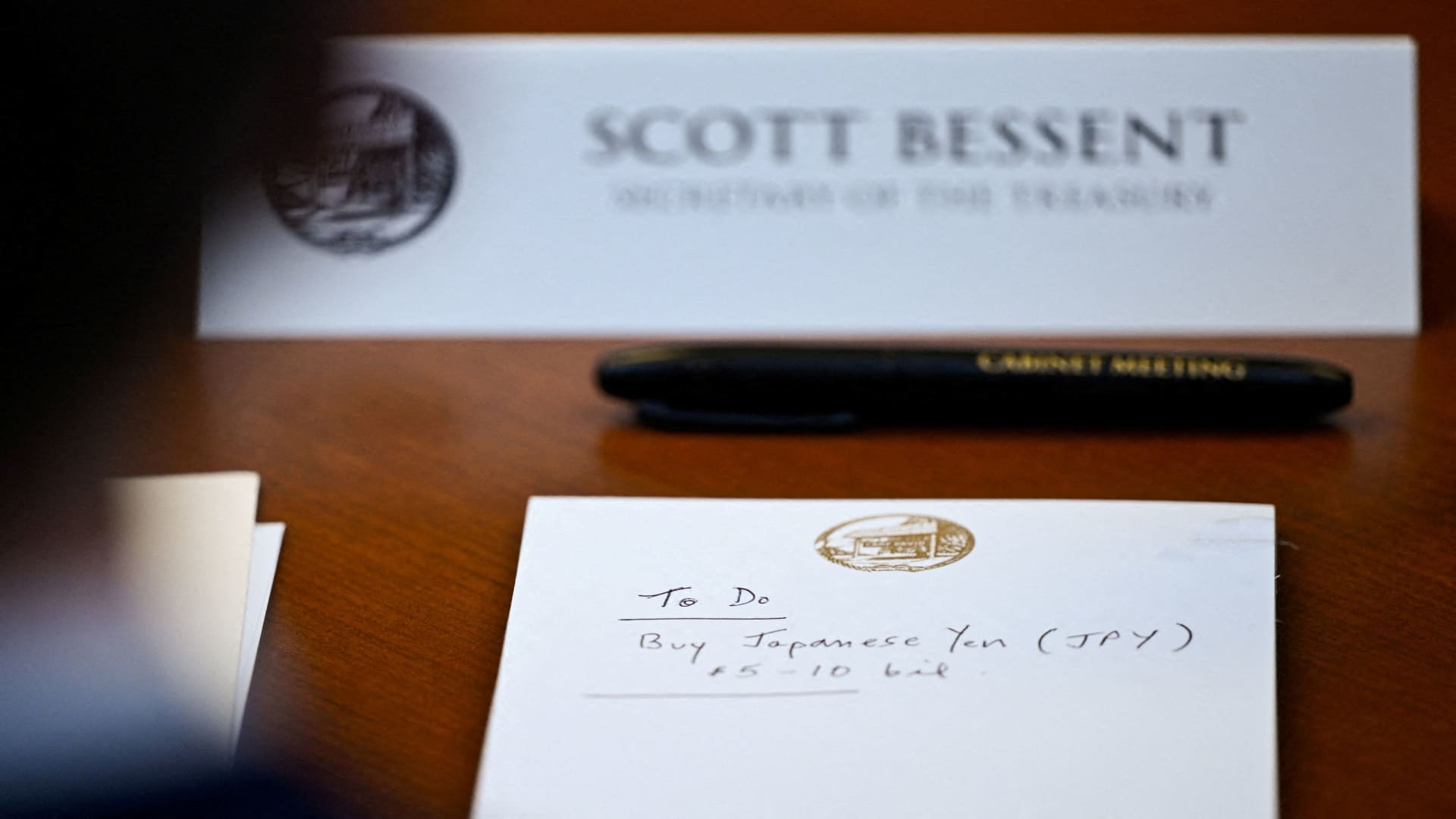
The coordinated intervention was the first U.S.-Japan joint operation to buy yen since 1998.Manuel Augusto Moreno | Moment | Getty ImagesStock Chart IconStock chart iconJapan yen performance year-to-dateIndustry veterans told CNBC that one of Washington's biggest concerns was avoiding a scenario where Japan would need to dump large quantities of Treasuries to finance unilateral intervention, given how the North Asian nation is the largest foreign holder of U.S. government debt.Louise Loo, head of Asia economics at Oxford Economics, said that that was "possibly one of the key reasons" behind U.S. participation."There is a self-preservation element here. Volatile markets driven by potentially fiscally-aggressive policies from Japan could extend to the U.S. Treasury markets, destabilizing the dollar."Tokyo's and Washington's emphasis on the Federal Reserve's standing FIMA repo facility — which allows foreign central banks to obtain dollar liquidity without selling Treasuries outright — "was a clue that they'd like to avoid forced-selling as much as possible," she said. Japan's finance ministry said Monday it plans to use the FIMA repo facility for future interventions. Masahiko Loo, senior macro strategist at State Street, said the signal "may be bigger than the intervention itself."Washington's concerns likely extend beyond the yen, he added. A persistently weak yen could trigger further selling in Japanese government bonds, with higher yields spilling over into global bond markets at a time when both Japan and the U.S. are grappling with rising long-term borrowing costs."Highlighting access to the Fed's FIMA repo tells markets Japan can raise dollar liquidity without selling Treasuries ... addressing concerns that MOF intervention could pressure U.S. funding markets through short-end UST sales," he said. "It's an attempt to maximize the signaling effect and get the biggest bang for the buck with the tools already available."Yields of the U.S. 10-year Treasury have gained almost 57 points since the start of the year.A 'new phase' of U.S.-Japan relationshipPresident Donald Trump said that the U.S. had participated in last week's coordinated intervention to support the yen as a gesture of support for Japan and in the interest of global economic stability.Beyond protecting U.S. bond markets, the intervention also reflected Washington's broader economic and geopolitical priorities. Loo noted the U.S. has repeatedly argued the yen is "substantially undervalued," providing it an incentive in correcting what it sees as an unfair trade advantage as it makes Japanese exports more competitive. Loo added that if Washington believes Japan's fiscal policies are feeding into higher JGB yields and a weaker currency, coordinated intervention could buy time for the BOJ until it is in a position to resume raising interest rates later this year. A stronger yen ultimately requires tighter Japanese monetary policy rather than repeated intervention, she said.Jesper Koll, expert director at Monex said the operation reflected a broader shift in the U.S.-Japan relationship under U.S. President Donald Trump and Japanese Prime Minister Sanae Takaichi."U.S.-Japan cooperation and partnership has entered a new phase," he said, adding that coordinated intervention showed "when Japan asks for help America will answer Japan's call." He also argued the move sends a geopolitical message to Beijing as "China's leadership cares about actions, not words."Vishnu Varathan, head of macro research for Asia ex-Japan at Mizuho Securities, said coordinated intervention is inherently more powerful because of U.S. participation."The disproportionately heightened efficacy of FX intervention" comes from the involvement of the U.S. Treasury and Federal Reserve, giving markets greater reason to believe authorities are prepared to act again if necessary, he said. Together with both governments warning they "will not hesitate" to intervene again, it "ups the ante on deterrence" against speculative bets pressuring the yen.He also argued that U.S. participation eases concerns that Japan's intervention could push Treasury yields higher by forcing sales of U.S. government debt, while helping stabilize Japanese bond markets.Still, analysts warned that the coordinated action may prove no more durable than previous interventions unless Japan addresses the structural forces driving yen weakness.A 'counterproductive' move?Reports that the U.S. sold euros rather than dollars to buy yen surprised markets because coordinated intervention has traditionally been funded with dollar assets.Robin Brooks, senior fellow at the Brookings Institution, questioned the mechanics of the U.S. operation, highlighting that it is "confusing markets and will prove counterproductive.""On the surface, that may give the impression that this intervention will be more impactful than past efforts, but U.S. participation raises more questions than answers, especially the very odd news that the US sold Euros to buy Yen.""This kind of twist in my opinion undercuts the efficacy of U.S. participation, because it invariably will have markets wondering why the U.S. didn't just fund Yen buying out of Dollars."Brooks argued intervention ultimately cannot reverse depreciation driven by Japan's bond market."As long as Japan's government bond yields are artificially capped," he said, "the yen is overvalued and needs to fall." The BOJ ended formal yield curve control in March 2024, but it has continued to buy large amounts of Japanese government bonds. Brooks argued those purchases continue to keep borrowing costs below where they would otherwise settle in a free market.State Street's Loo likewise highlighted that intervention can buy time, but not change the long-term trajectory. "Intervention may shape the next few months. BOJ normalization and hedging flows will shape the next few years."
Why the U.S. stepped in after decades to prop up Japan's yen — and what's at stake
Washington's decision to join Japan in supporting the battered yen has prompted questions over what motivated the rare coordinated intervention.
867 words~4 min read