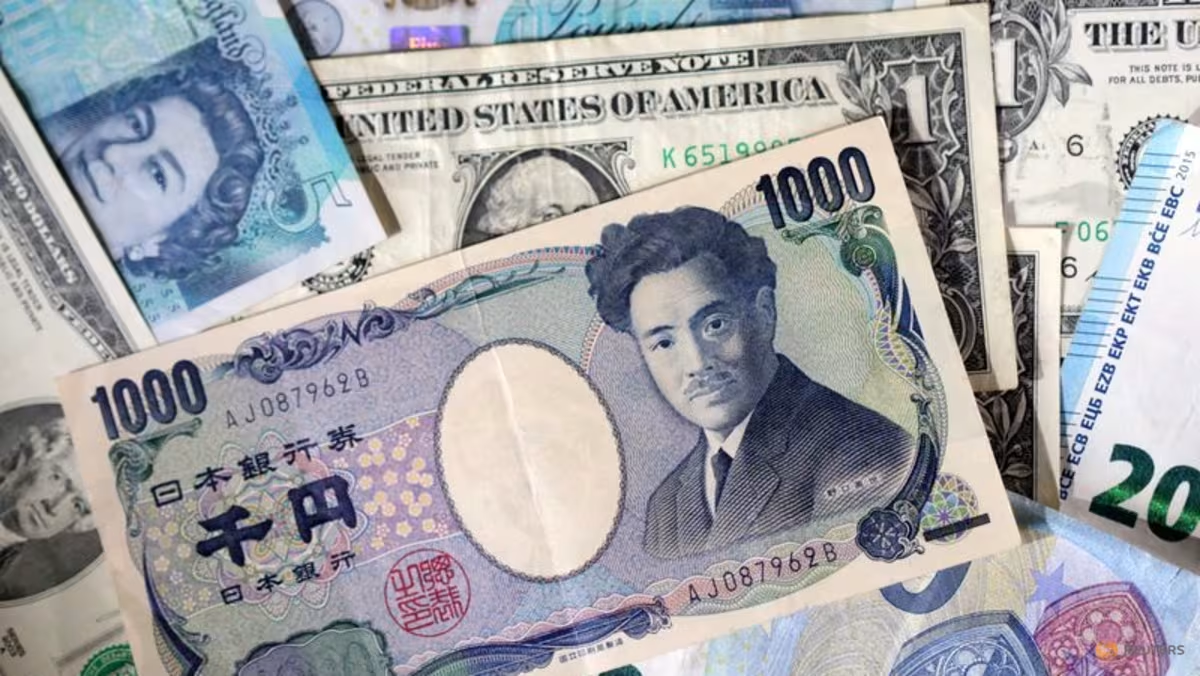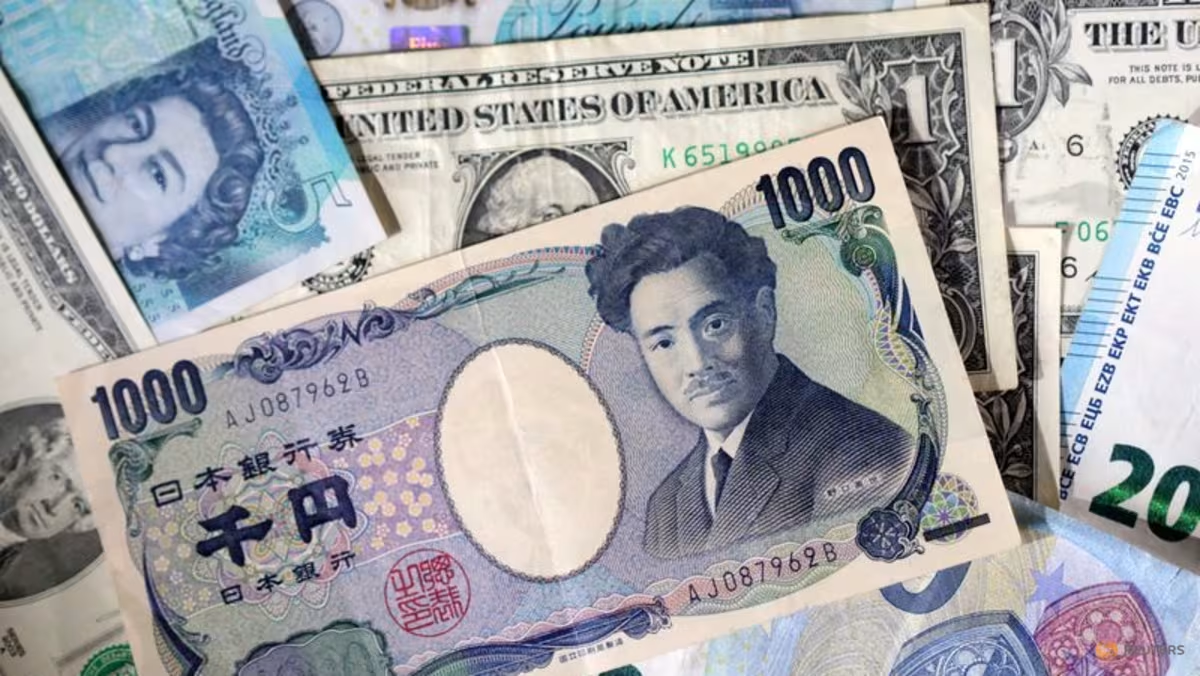
The U.S. is stepping in to help boost Japan’s yen for the first time in nearly three decades after the currency hit a 40-year low, but the intervention has an unusual feature: instead of selling dollars to buy yen, the New York Fed reportedly sold euros to fund the purchase.
The coordinated move on Friday lifted the yen to 157 to the dollar and marked the first time the U.S. and Japan jointly bought the currency since 1998 during the Asian financial crisis. In 2011, the U.S., alongside the G7, weakened the yen after the Fukushima disaster caused the yen to be too strong, threatening Japan’s export-reliant economy.
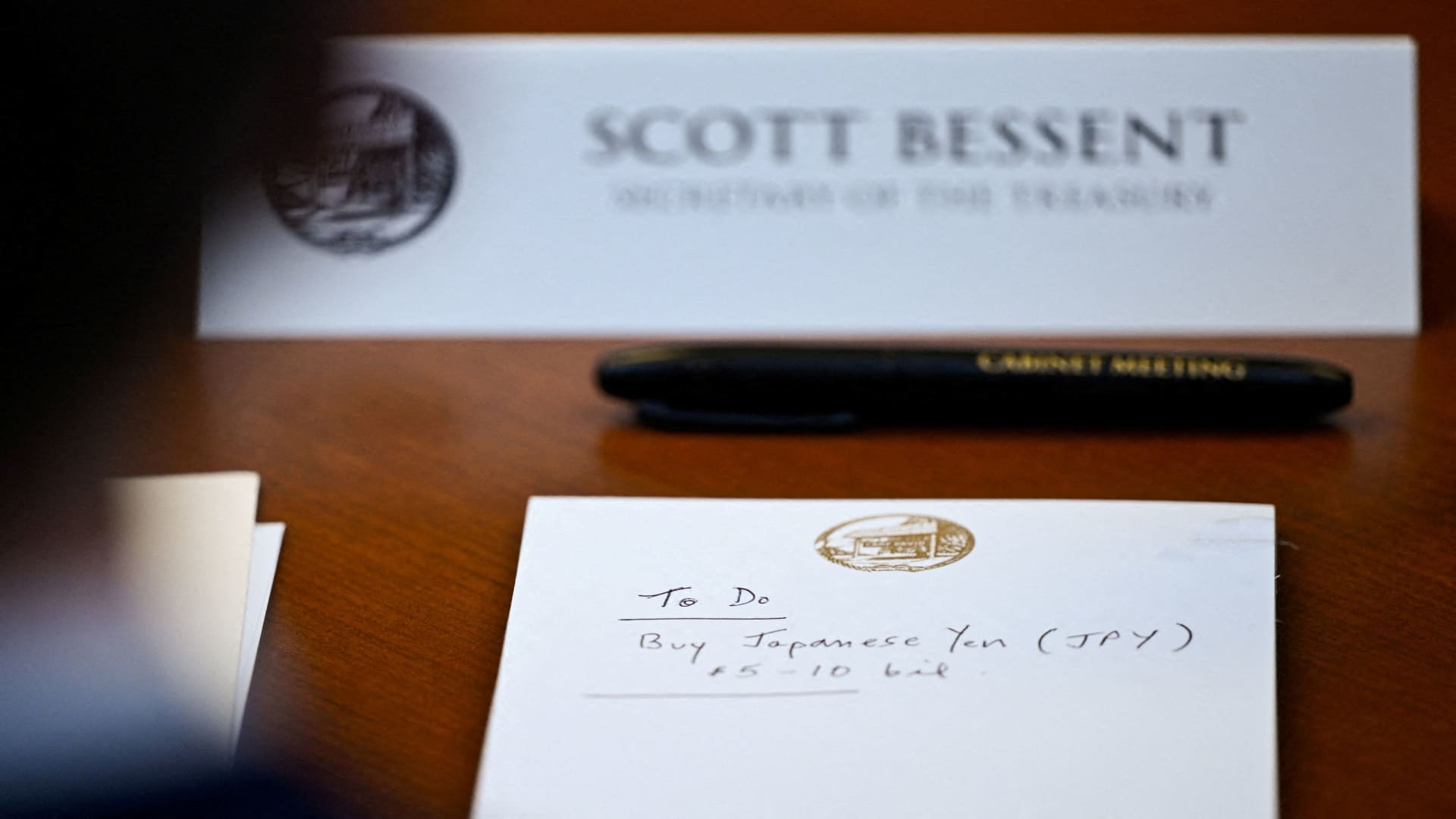
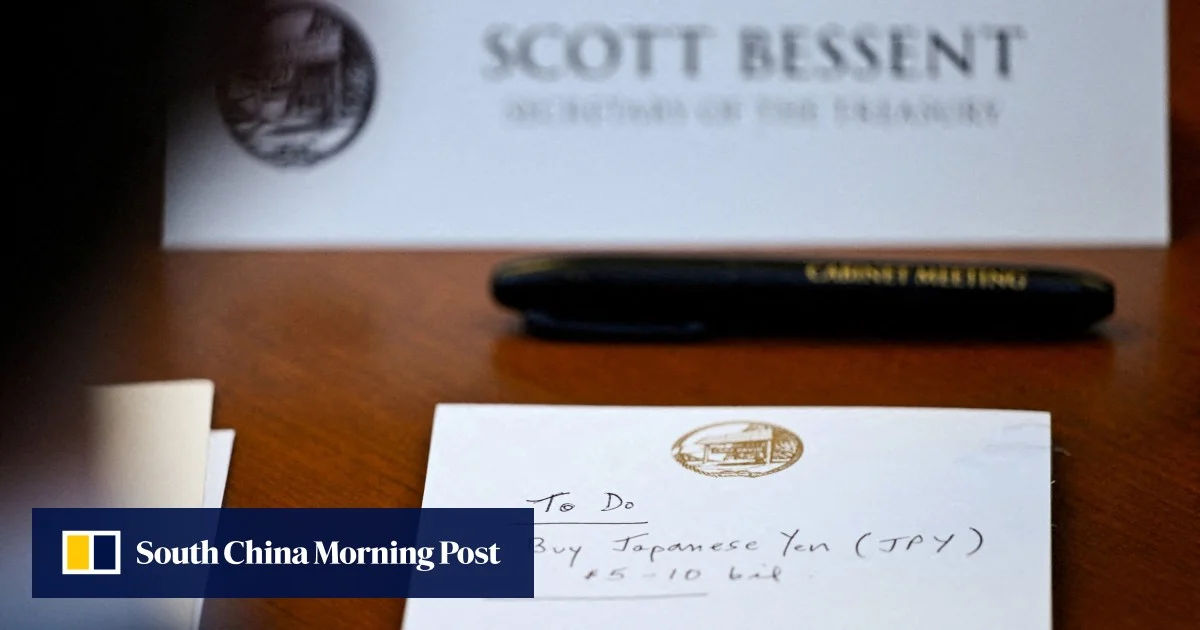
Japan is estimated to have spent $52.8 billion. The exact amount from the U.S. is unknown, though a photo of Treasury Secretary Scott Bessent’s notepad suggests a range between $5 billion to $10 billion.
But experts say the decision to use euros instead of dollars could backfire if fundamental issues with the yen aren’t fixed. In fact, the yen has been sliding against the dollar since 2012.
Mark Sobel, who served in the Treasury for four decades and is the U.S. chair of the Official Monetary and Financial Institutions Forum, attributed the yen’s weakness to Japan’s “overly accommodative” monetary policy, debt concerns and more recently Prime Minister Sanae Takaichi’s fiscal policy.