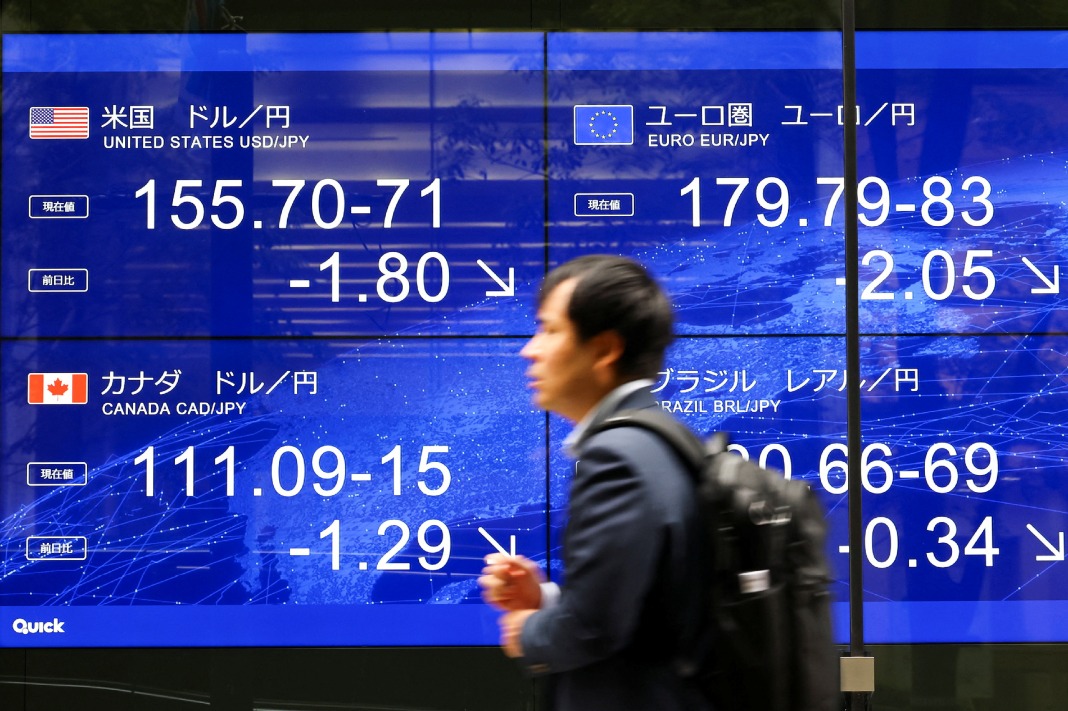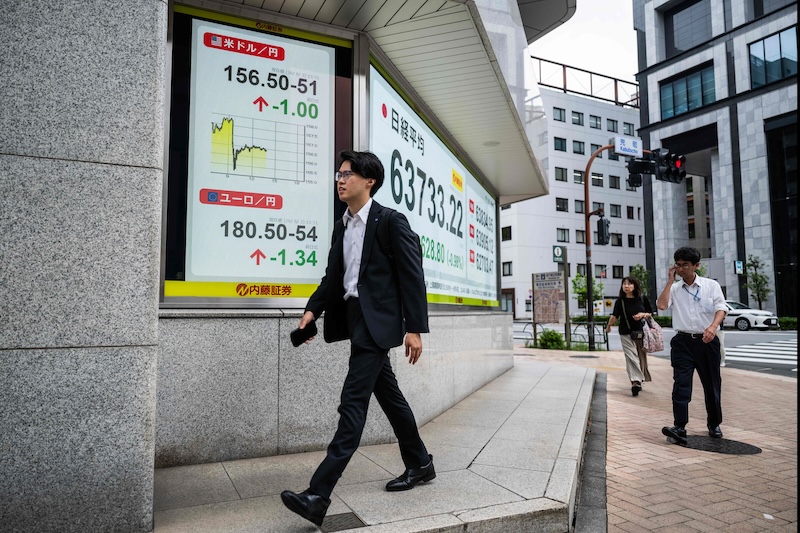
The United States and Japan coordinated to prop up the latter’s yen currency after it fell to a 40-year low against the dollar.In a statement Monday morning, Japan’s Finance Minister Satsuki Katayama said the action was taken “pursuant to the U.S.-Japan Finance Ministers' Joint Statement issued in September 2025 and countered excessive volatility and disorderly movements in the Japanese yen in recent months.”The two countries “will not hesitate to conduct further joint intervention,” she emphasized, reflecting on the action carried out Friday.The yen is historically weak largely due to Japan having notably lower central bank interest rates than other major economies.According to Bloomberg analysis of central bank data, Japan most likely used around $34 billion intervening in the currency market to support the yen. TIME has been unable to independently verify these figures.“Economic security is national security. And the U.S.-Japan alliance is built on both,” said U.S. Treasury Secretary Scott Bessent on Sunday. Bessent also indicated the U.S. may consider increasing the size of the Federal Reserve's repurchase facility providing temporary dollar liquidity. “The FIMA Repo Facility is an important backstop. We would encourage it to be upsized in the coming months,” he said.When asked why the United States intervened to support the Japanese currency, U.S. President Donald Trump told reporters aboard Air Force One over the weekend that the U.S. is “always there” for Japan."They have a weakening yen, and they wanted a little bit of help,” he said. When questioned over what the U.S. is “getting out of that arrangement,” Trump replied “financial benefit,” but emphasized it’s also “good for the world economy.” The intervention follows an agreement reached in September 2025, when the finance ministers of both countries said joint action should be reserved for periods of “excess volatility and disorderly movements.”Japan had already expressed “serious concern” over the yen's rapid depreciation in March and conducted unilateral intervention between April 28 and May 27.Despite those efforts, the currency continued to weaken, with the yen sliding to 163.73 per dollar on Thursday before rebounding to 157.57 on Friday.One reason a stronger yen matters is Japan's dependence on imported energy. According to the International Energy Agency, Japan remains heavily reliant on imported oil and gas, particularly from the Middle East.A summary of opinions at the Bank of Japan's Monetary Policy Meeting in January warned that while the yen's “depreciation pushes up the profits and wages of large firms, it pushes down those of small and medium-sized firms—coupled with the yen's depreciation pushing up prices, this could lead to wider inequality.”As for how the yen depreciated, Japan's comparatively low interest rates have remained a key factor weighing on the currency. The Bank of Japan’s 1% rate remains below the Federal Reserve’s 3.5% to 3.75% target rate, the International Monetary Fund has previously said the yen-dollar exchange rate has been driven by shifts in these interest rates differentials. An Oxford Economics report shared with TIME determined that the U.S.-Japan coordinated intervention will likely have a longer-lasting effect compared to Japan’s previous unilateral interventions, but predicted it will still not be enough to reverse the trend of yen weakness. “The coordinated intervention will likely temporarily halt the yen’s depreciation, but it won’t cure all that ails it,” researchers argued. “Intervention over the past several years has led to movements in the yen in the short run but has failed to durably reverse the underlying depreciation trend and a similar pattern is likely to play out this time.”This is not the first time that the Trump Administration has intervened in another country’s currency.In October 2025, Bessent announced U.S. financial support for Argentina, which included a $20 billion currency swap framework with Argentina’s central bank.
Why the U.S. Stepped In to Prop Up Japan’s Yen Currency
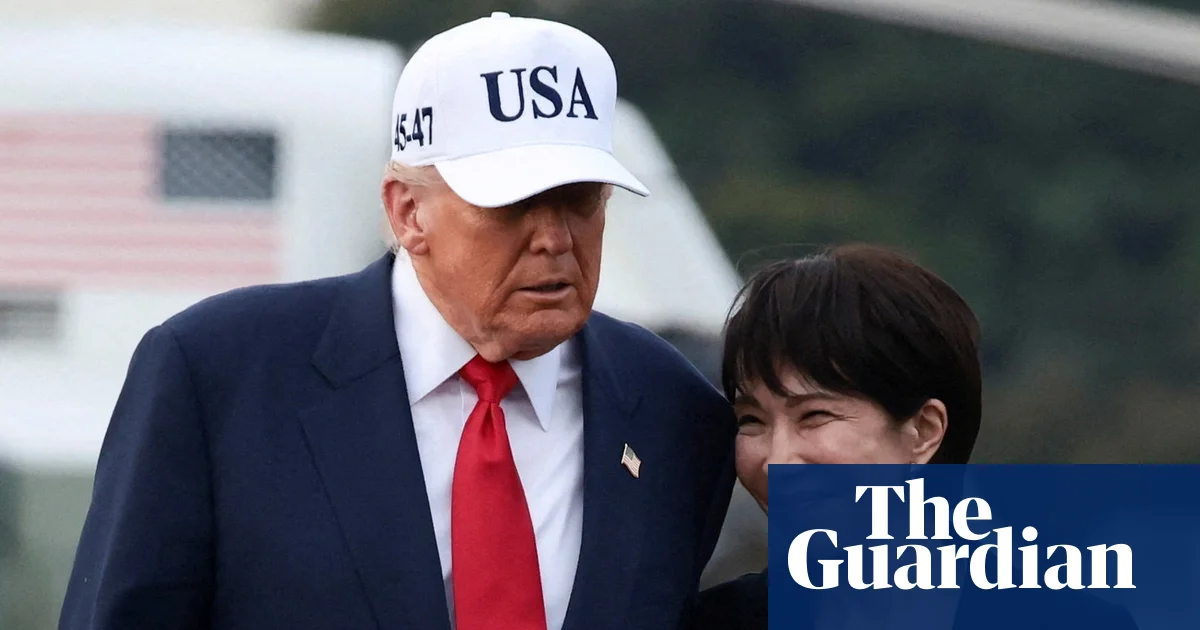
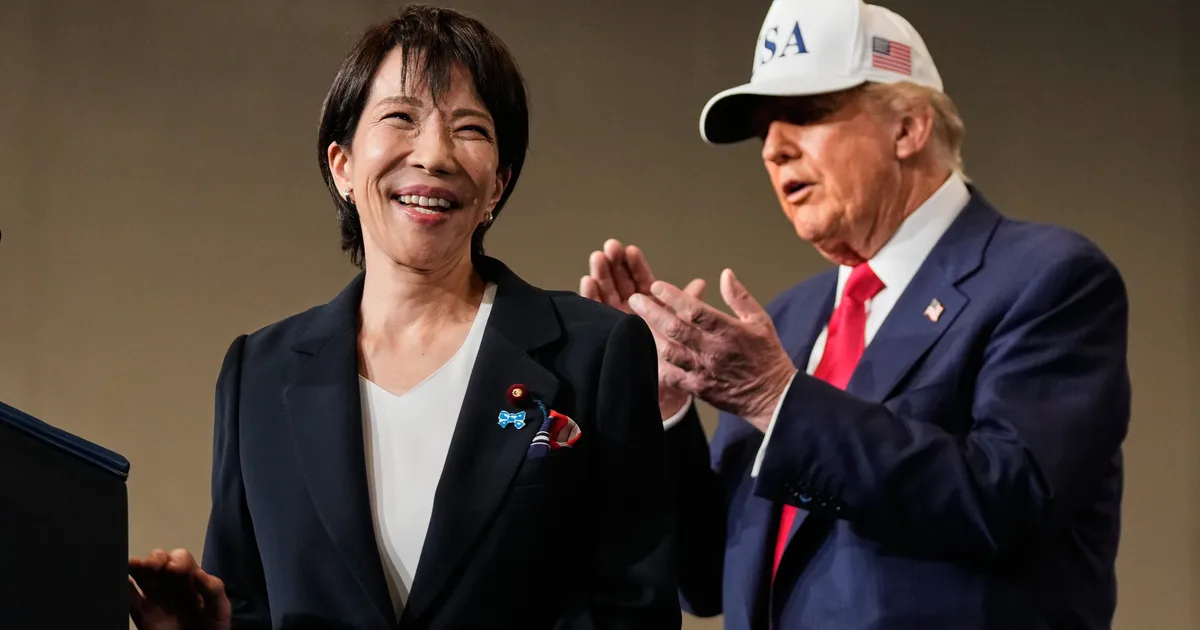
The two countries “will not hesitate to conduct further joint intervention," vowed Japan's Finance Minister Satsuki Katayama.
611 words~3 min read