Story audio is generated using AI
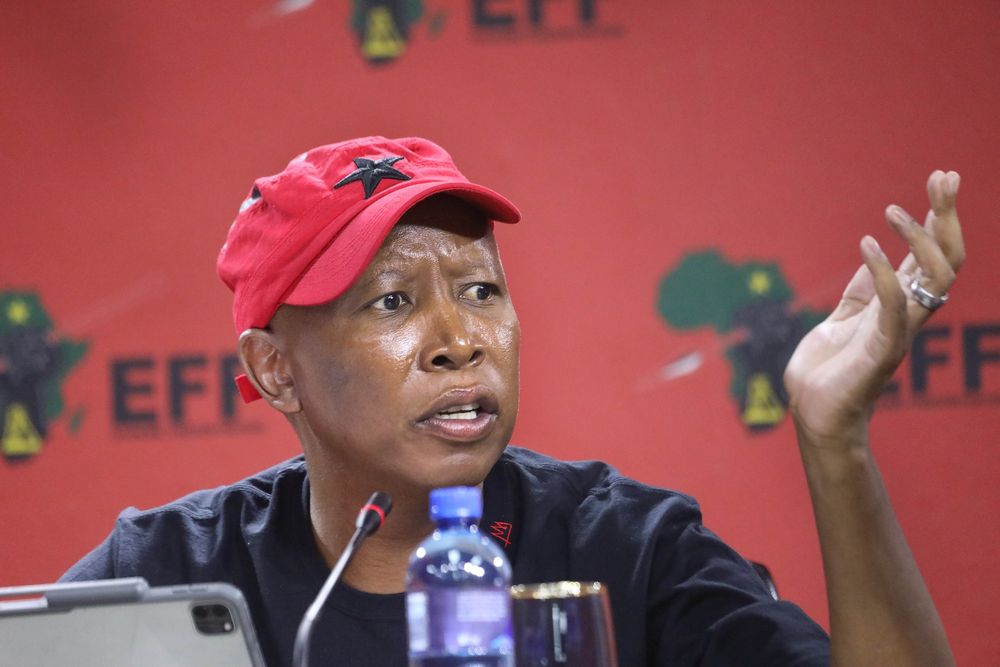
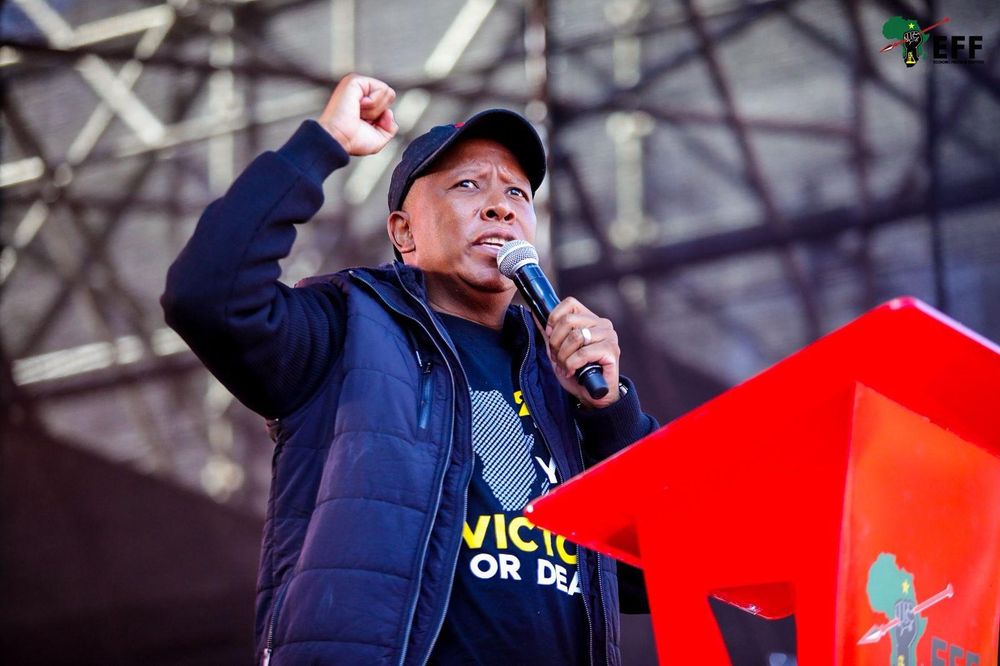
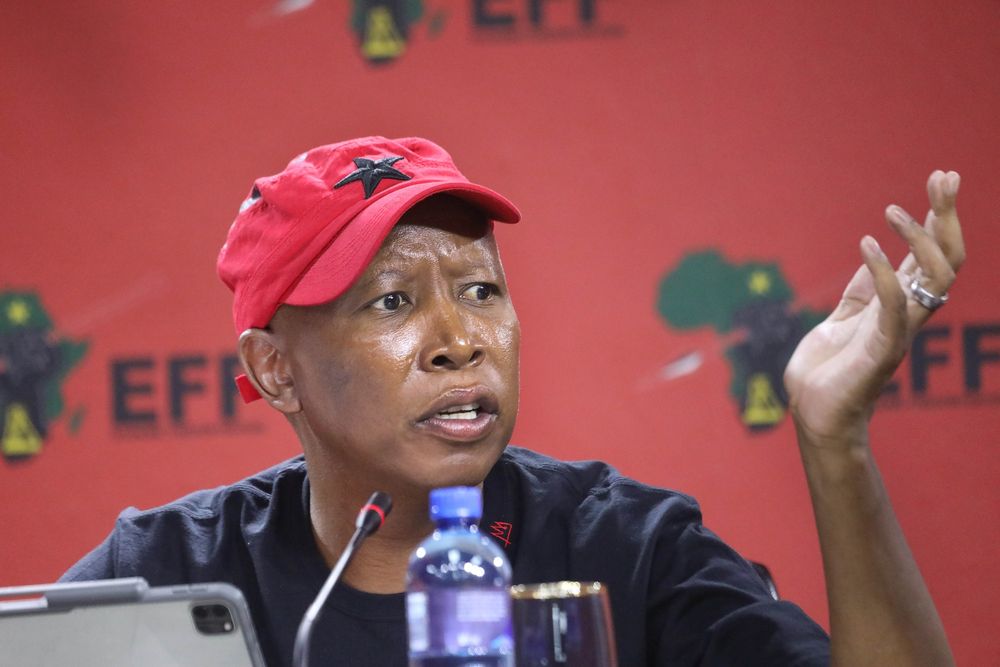
The constitution has no provision empowering the National Assembly (NA) speaker to initiate a process to recall EFF leader Julius Malema as a member of the Judicial Service Commission (JSC), despite him having verbally attacked judges for years, speaker Thoko Didiza argues in court papers. Didiza has opposed a legal challenge by the Helen Suzman Foundation (HSF) seeking a court order for the NA to consider Malema’s suitability as a member of the JSC, which interviews and recommends judges for appointment If found not suitable, the foundation wants the NA to take steps to remove Malema from the JSC as it argues he is guilty of misconduct in light of his repeated public attacks on and criticism of the judiciary which “transcend legitimate bounds, and undermine the independence and effectiveness of the judicial arm of government”. The legal showdown puts Malema’s JSC membership, which he has held for 12 years, at risk for the first time. The foundation challenges Didiza, arguing she took a decision on April 30 to decline to ensure that the NA considers the suitability of Malema to be designated to the JSC and wants the decision declared invalid and set aside. The foundation, which advocates for the protection of the rule of law, made the call for Malema’s suitability to be considered after he publicly criticised magistrate Twanet Olivier, who presided over the criminal case where he was charged with unlawfully discharging a firearm. Malema called her an “incompetent white judge”. Prison sentenceIn April, Malema was sentenced to five years in prison for unlawful possession of a firearm, two years for unlawful possession of ammunition and R20,000 or six months’ imprisonment for discharging a firearm in a built-up area. Didiza, in an affidavit recently filed in the Western Cape High Court, argues the law does not make provision for her to initiate a process for the NA to decide whether Malema remains suitable for appointment to the JSC. “First, it is demonstrated that the constitution, the rules of the National Assembly and the joint rules do not vest in me the power or duty to initiate the recall or replacement of a National Assembly designee to the JSC on demand by an outside body,” Didiza contends. “The constitution prescribes no grounds upon which a designee to the JSC may or must be removed or replaced and further prescribes no process for doing so. “There can be no duty upon the speaker to initiate such a partisan and/or disciplinary process without the constitution and the rules of the National Assembly or the joint rules conferring such a duty and a corresponding power to exercise to fulfil the duty.” Didiza maintains the process to deal with the foundation’s dissatisfaction requires changes to the NA rules, the joint rules, legislation or the constitution and should have sought appropriate relief in this regard.The foundation executive director, Nasir Fakir, argues the contrary, that the constitution empowers the NA to replace its designees on the JSC. Fakir argues a person who is designated does not have the right to retain that position for as long as they remain a member of the NA. “The power to recall and replace is coupled with a duty: where circumstances arise from their subsequent conduct that calls into question the suitability of a designee to fulfil their duties on the JSC, the National Assembly is constitutionally obliged to consider exercising the recall power, and in appropriate circumstances to exercise it,” Fakir argues. The NA, in law, is required to designate members who are “fit and proper” to the JSC, Fakir contends, adding that it is obliged to replace members on the JSC if they objectively cease to be fit and proper. The words “fit and proper” do not reflect in the constitution section that deals with the JSC, but the foundation takes it from a judgment of the high court in the case which challenged MK Party MP John Hlophe’s appointment to the JSC after he was impeached as a judge. The full bench in that case overturned Hlophe’s designation to the JSC, having found designating a person who is not fit and proper to serve on the JSC undermines the constitutional imperative set out in section 165(4) of the constitution and compromises the integrity and credibility of the JSC.Malema, in his affidavit, argues the facts in his case are materially different from the Hlophe matter. “There is no obligation under section 178(1) of the constitution for the National Assembly to only designate members who are fit and proper to serve on the JSC,” he argues.“Similarly, section 178(3) does not provide that the National Assembly must replace its designee if that person objectively ceases to be fit and proper.“If the National Assembly does not have rules to deal with the circumstances under which and a process to replace its designee on the JSC, the National Assembly cannot replace an existing designee on the JSC.” The red berets’ leader describes the foundation’s application, which also seeks to declare the JSC Act constitutionally invalid insofar as it does not oblige the JSC to adopt a code of conduct for commissioners, extraordinary. “The relief the HSF seeks is extensive and extraordinary. The relief is impermissible because it violates the separation of powers doctrine. With respect, the relief the HSF is seeking effectively amounts to this court telling the National Assembly how to do its work,” Malema argues. The court cannot take over the functions of the legislature. Malema contends the foundation’s application wants the court to do so with the JSC Act. “If there are gaps in existing legislation, it is for the legislature to determine first whether the gap exists and second whether new laws should be put in place to regulate the gap. The HSF has not made out a proper case for the reading-in relief relating to the Judicial Service Commission Act.” Malema argues the remarks he made about judges, shortly after being sentenced in the firearm case, are protected speech. The foundation takes issue with remarks he made as far back as 2019. Malema argues the case should be dismissed because it is moot because his suitability to the JSC remains intact while appealing the imprisonment sentence. “My comments about judges and magistrates must be understood against the backdrop of the existing court judgments,” he says. “I maintain that my statements were made as political speech in the context of robust political debate. My statements may not be popular, but the reasonable listener would know that I am very outspoken and I am known not to mince my words.”Business Day