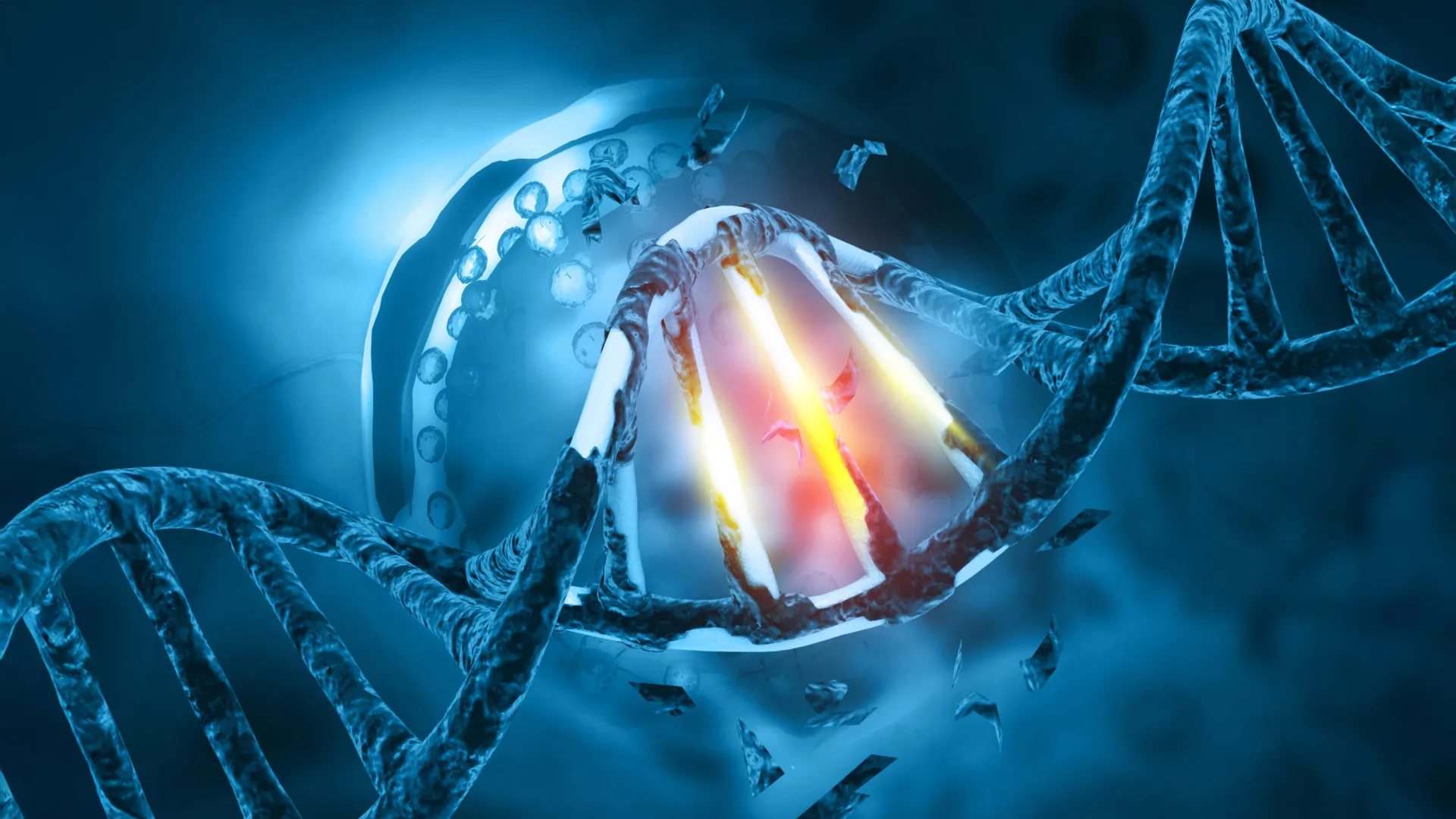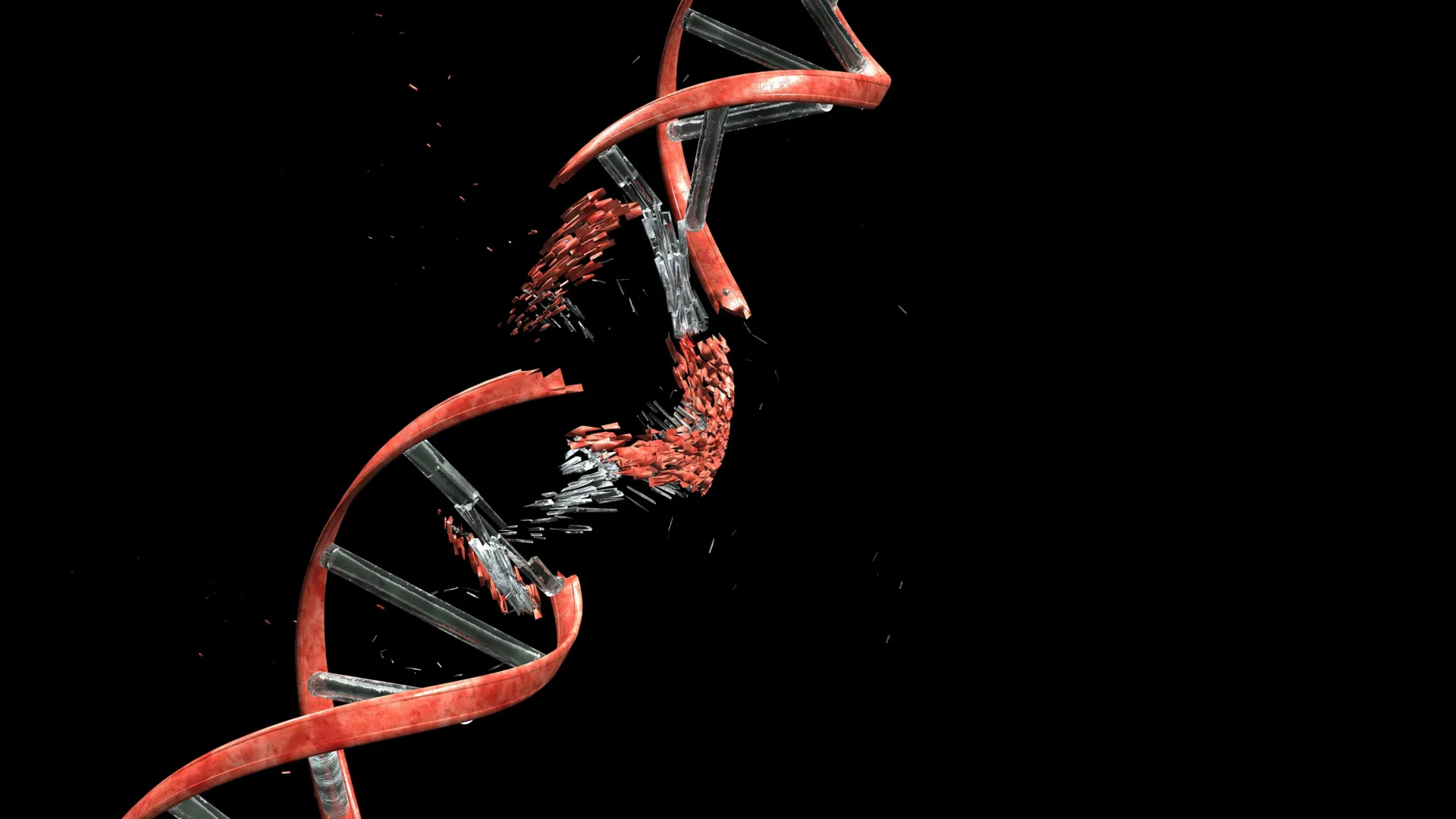
Cancer may be damaging its own genetic material by forcing critical genes to operate at extreme levels. New research suggests that powerful DNA control regions known as super-enhancers drive unusually intense activity in genes that support tumor growth. This relentless activity places strain on the DNA and can lead to serious breaks.
Cancer cells are often able to repair the damage and continue growing. However, repeated cycles of breaking and repair can introduce errors, allowing mutations to accumulate in these highly active regions. The same biological machinery that helps tumors grow rapidly may therefore make their DNA increasingly unstable, potentially enabling cancers to change, adapt, and become more aggressive.
Cancer Growth Places DNA Under Stress
To multiply rapidly, cancer cells activate certain genes far more strongly than healthy cells normally would. Many of these genes help tumors divide, survive, and maintain the cellular programs required for continued growth.
A study published in Science Advances now indicates that this unusually intense gene activity has a physical consequence. As cancer cells push important genes to work at full capacity, the DNA in those regions can become damaged.