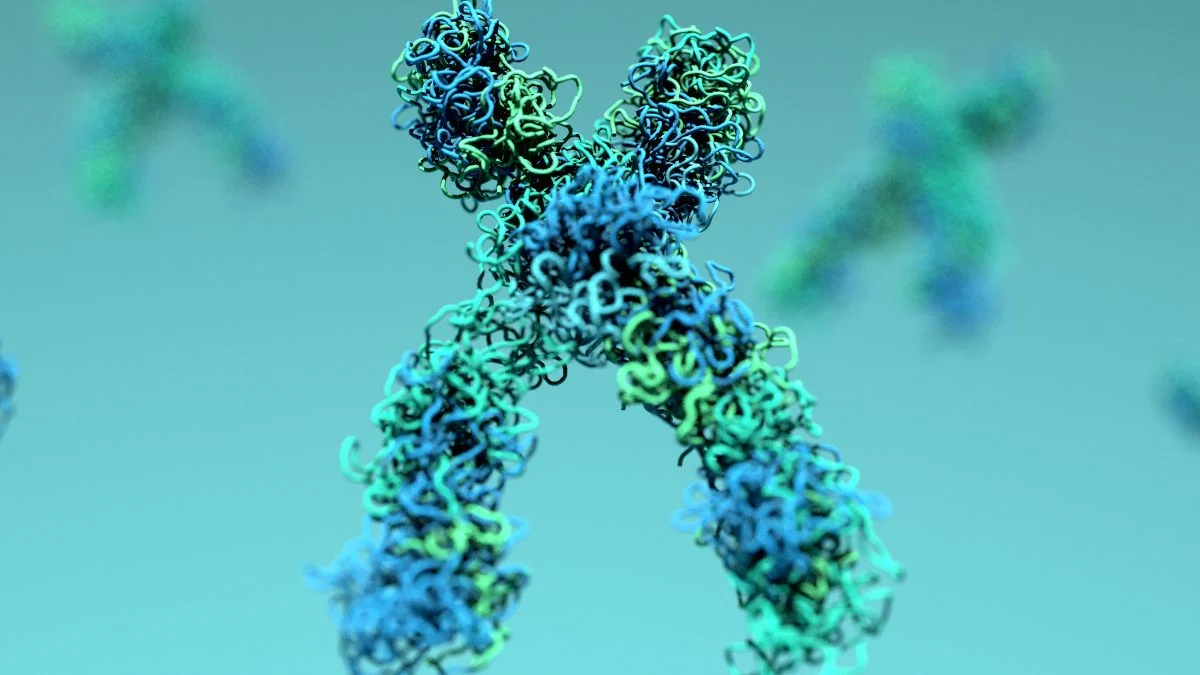
Genes produce proteins at a pace determined by epigenetic control over nuclear DNA structure. That epigenetic control changes with age for reasons that are incompletely understood. A promising possibility is that repeated activation of DNA repair processes depletes specific factors needed for maintenance of DNA structure, but that needs further confirmation. The pace of protein production changes in a characteristic way with age for countless different proteins. Of that large number, some are known to cause harm, and are associated with aspects of degenerative aging. These are potential targets for gene therapies; I listed a large number of them some years ago, and that set has only grown since then.
Gene therapy technology has existed for decades, but is not yet very broadly used. A narrow subset of such therapies are becoming increasingly used in the medical tourism industry as potential treatments for aging. Why aren't we swimming in dozens of commercially available gene therapy implementations to dial up expression of gene X or dial down expression of gene Y to improve late life health? The short answer is that gene therapy has a delivery problem. It is somewhere between very hard and impossible to deliver gene therapies safely and effectively to most tissues in the body, given the tools presently available. The therapeutic applications being explored most aggressively these days largely fall into a small set of categories, where local delivery of a relatively small amount of a well-explored gene therapy vector (such as plasmids or AAV) does the job. For example, to turn a small number of fat cells into factories to produce a beneficial signaling protein that will circulate throughout the body - such as klotho, follistatin, and so forth. Or where a delivery mode can hit desired tissues with high specificity, such as intranasal delivery of AAV to reach parts of the brain.