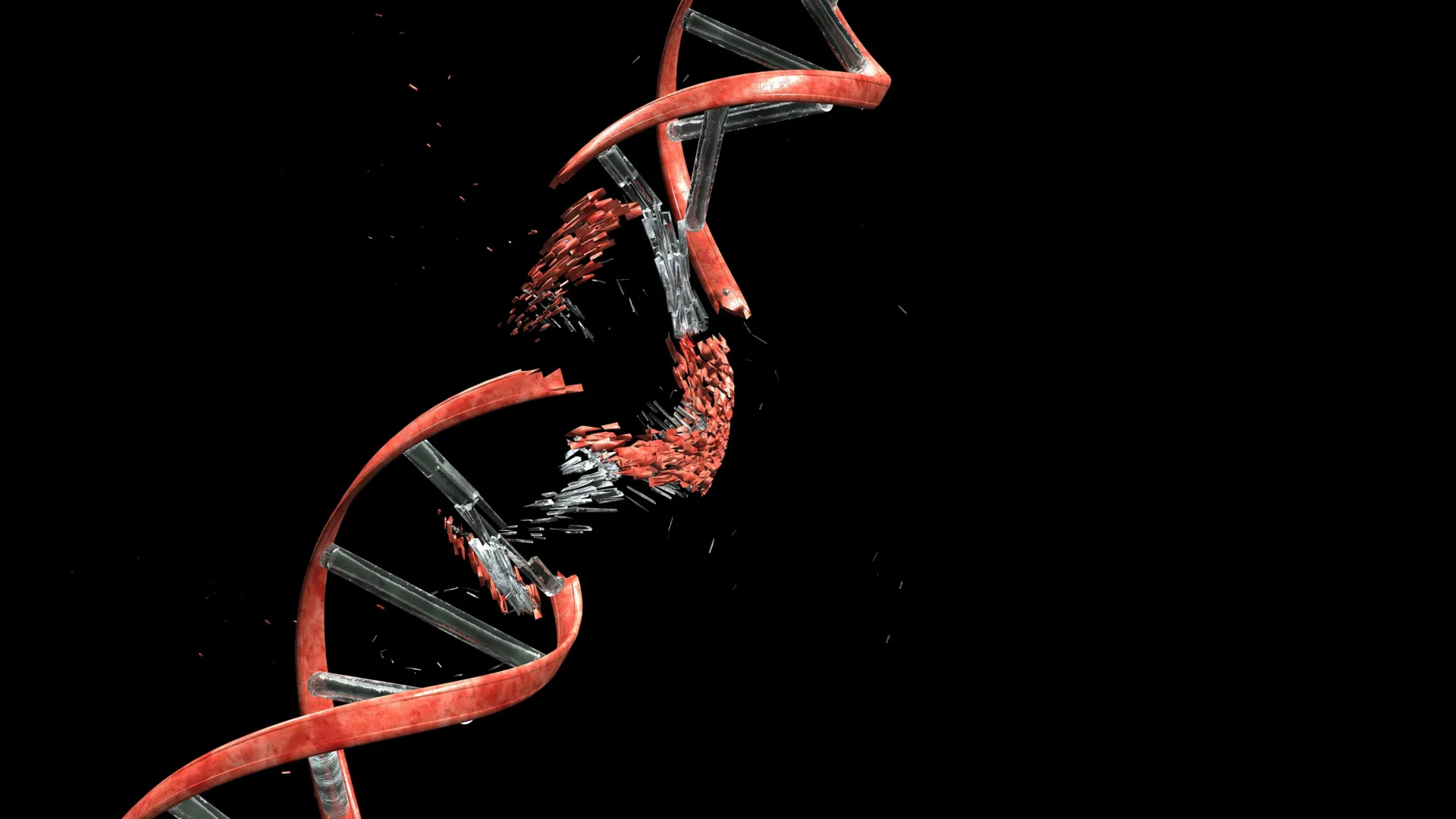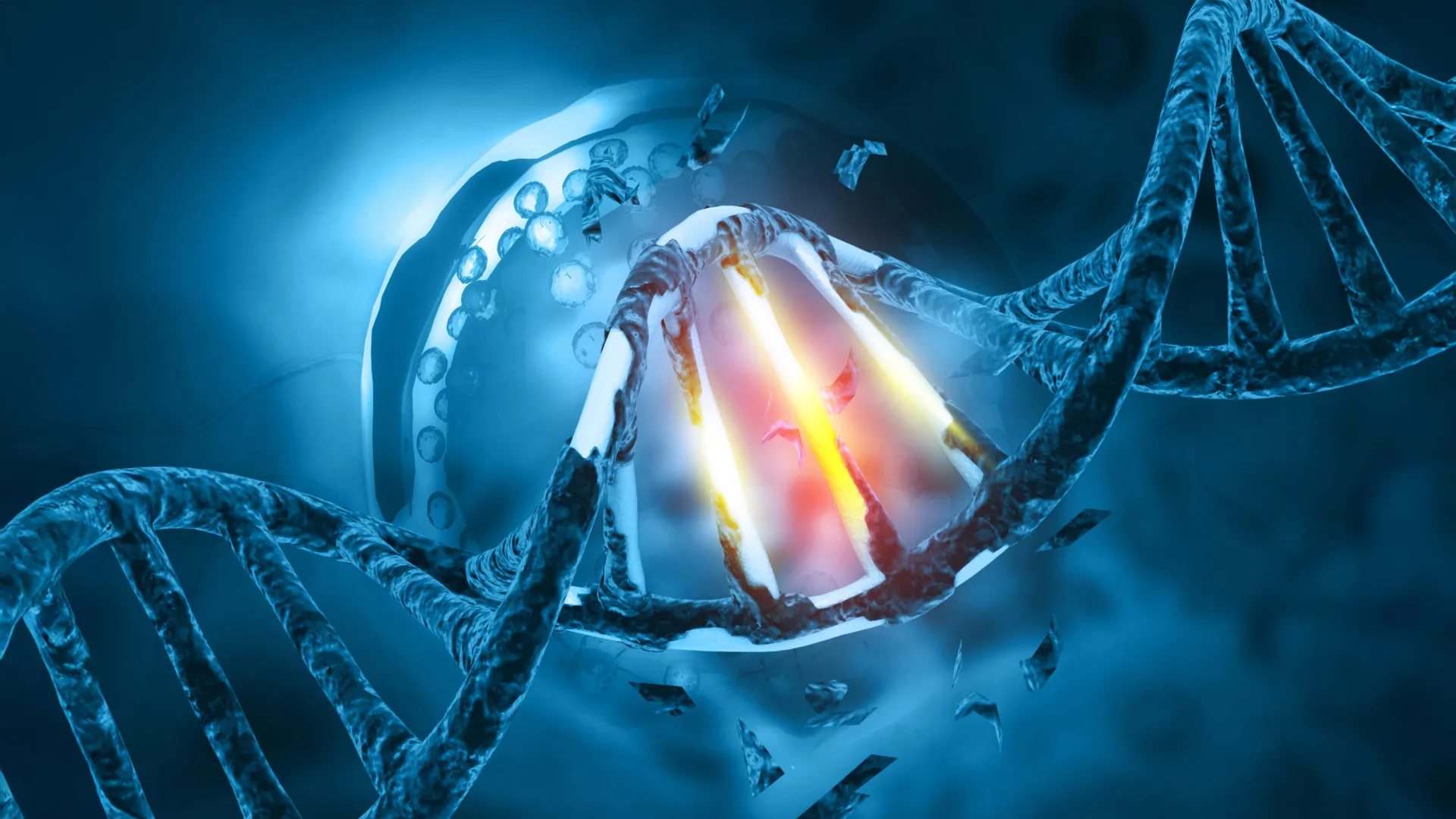
Scientists have discovered that a powerful cancer-linked protein does more than fuel tumor growth. It also helps cancer cells survive by repairing damaged DNA, a finding that could eventually improve treatments for some of the deadliest cancers.
The study, published in Genes & Development, focused on MYC, a protein that is abnormally active in most human cancers. Researchers at Oregon Health & Science University (OHSU) found that MYC directly helps fix dangerous breaks in DNA, allowing tumor cells to recover from chemotherapy and other treatments designed to destroy them.
By helping cancer cells repair this damage, MYC may contribute to treatment resistance and poorer outcomes for patients.
"Our work shows that MYC isn't just helping cancer cells grow -- it's also helping them survive some of the very treatments designed to kill them," said senior author Rosalie Sears, Ph.D., Krista L. Lake Chair in Cancer Research and co-director of the OHSU Brenden-Colson Center for Pancreatic Care.
Gabriel Cohn, Ph.D., the study's first author, carried out the research while working in Sears' lab at OHSU. He is now a postdoctoral researcher at the University of Würzburg.